
Side-by-Side IQ Profile: Unpacking Cognitive Strengths
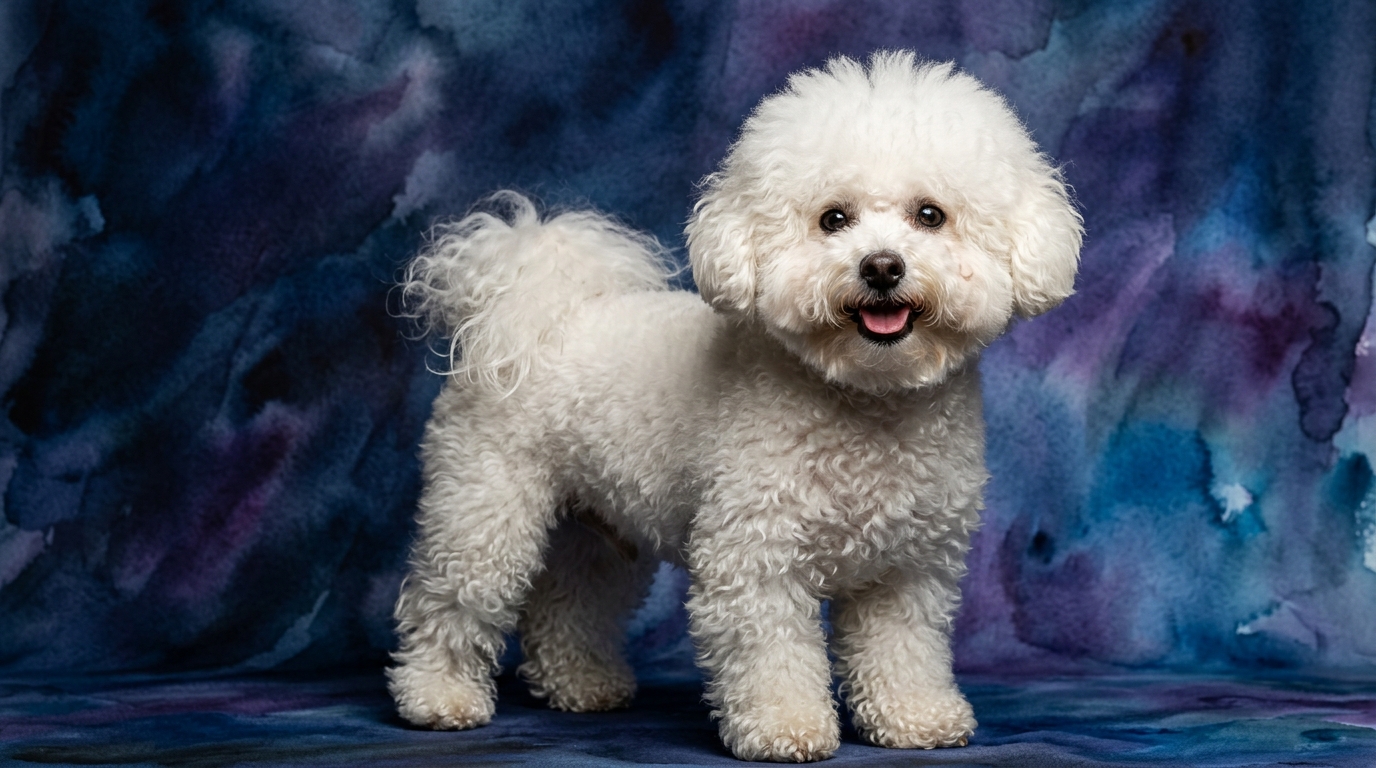
The Cosmic Pet Pet IQ Lab employs five key dimensions to map a breed's cognitive architecture, providing a nuanced understanding beyond simple rankings. For the Bichon Frisé, a Non-Sporting breed with a Coren rank of #45, their profile is marked by a Problem Solving score of 3/5, indicating an ability to navigate typical household challenges and simple puzzles but not a strong drive for complex strategizing. Their Training Speed is 3/5, meaning they learn new commands at a moderate pace, thriving on consistent, positive reinforcement rather than rapid assimilation. Where the Bichon truly shines is in Social Intelligence, scoring a perfect 5/5; they are exceptionally attuned to human emotions and social cues, often anticipating needs and responding with profound empathy. Their Instinctive Drive is a low 2/5, suggesting minimal inherent motivation for tasks like hunting or herding, prioritizing companionship above all else. Finally, their Memory is 3/5, allowing them to adequately retain routines, learned commands, and past experiences.
In contrast, the Briard, a Herding breed with a higher Coren rank of #30, presents a different cognitive blueprint. Their Problem Solving ability is rated at 4/5, reflecting a strong capacity for independent thought and finding creative solutions to obstacles, a trait honed by their historical role in managing livestock. Their Training Speed is 4/5, indicating they pick up new commands and complex sequences relatively quickly, often eager to engage in learning challenges. The Briard’s Social Intelligence stands at 3/5; while capable of understanding human dynamics, they might prioritize task execution and independent decision-making over the nuanced emotional responsiveness seen in the Bichon. Their Instinctive Drive is a moderate 3/5, retaining a natural inclination for herding, guarding, and protective behaviors that require appropriate outlets. With a Memory score of 4/5, Briards exhibit excellent recall for intricate commands, environmental details, and previous interactions, building effectively on their past learning experiences.
Where the Bichon Frisé Excels Cognitively
The Bichon Frisé's standout cognitive strength lies unequivocally in their exceptional Social Intelligence, scoring a perfect 5/5. This isn't merely about being friendly; it reflects a profound capacity to read and respond to human emotions and social environments. A Bichon can often sense when an owner is distressed, offering comfort, or adapt seamlessly to changes in household dynamics, demonstrating an intuitive understanding of interpersonal cues. Their low Instinctive Drive (2/5) further supports this, as they are less distracted by external tasks or independent pursuits, allowing them to fully immerse themselves in the human-canine bond and focus their cognitive energy on social observation and interaction. This makes them remarkably effective companions for individuals seeking a deeply empathetic and emotionally responsive animal.
This high social acumen translates into a dog that is incredibly perceptive to subtle shifts in tone, body language, and routine, making them adept at fitting into a family's rhythm. Their cognitive focus on social harmony means they often seek to please and maintain a positive connection, which, while not directly impacting their training speed for novel commands, certainly influences their willingness to cooperate in socially rewarding contexts. Their ability to integrate into diverse social settings and form strong, perceptive bonds is a distinct cognitive advantage, making them exceptionally well-suited for roles where emotional support and companionship are paramount.
Where the Briard Shows Its Cognitive Edge
The Briard demonstrates its cognitive superiority in areas demanding independent thought, rapid learning, and robust recall, reflecting its heritage as a working herding dog. With a Problem Solving score of 4/5, Briards are adept at figuring out complex situations, whether it's navigating an unfamiliar obstacle course or strategizing how to achieve a desired outcome. This cognitive flexibility allows them to make independent decisions, a critical trait for a dog tasked with managing livestock autonomously. Their higher Coren rank of #30 further underscores their general cognitive capacity for understanding and executing commands more readily than many breeds.
Furthermore, the Briard’s Training Speed of 4/5 and Memory of 4/5 combine to create a highly trainable and retainable learning profile. They can quickly grasp multi-step commands and intricate routines, making them excellent candidates for advanced obedience, agility, and other dog sports that demand precision and sequence learning. Their strong memory ensures that once a task is learned, it is retained effectively, allowing for the building of complex skill sets over time. This cognitive package makes the Briard an ideal partner for owners who enjoy engaging in challenging training regimens and activities that leverage a dog’s intellect for purposeful work.
Training Aptitude: Which is Easier to Train and Why?
When considering ease of training, the distinction between the Bichon Frisé and the Briard lies not just in speed, but in the nature of their motivation and cognitive strengths. The Briard, with a Training Speed of 4/5, generally picks up new commands and complex sequences more quickly. Their Problem Solving score of 4/5 means they are often more inclined to think through tasks and understand the underlying logic, which can accelerate the learning process for intricate behaviors. Their moderate Instinctive Drive (3/5) also means they often possess a natural desire for purposeful activity, making them responsive to task-oriented training and mental challenges.
The Bichon Frisé, with a Training Speed of 3/5, learns at a more moderate pace, typically requiring more repetition to solidify new commands. However, their exceptional Social Intelligence (5/5) plays a crucial role in their trainability. Bichons are highly motivated by human approval and connection, making them eager to please and responsive to positive reinforcement that strengthens their bond with their owner. While they may take longer to master complex tricks, their willingness to cooperate for social reward often makes them straightforward to teach basic obedience and polite household manners. For the owner seeking a companionable, well-behaved pet, the Bichon’s social drive can make training a rewarding, bonding experience, even if the learning curve for novel tasks is gentler.
Lifestyle Match: Active Owners vs. Relaxed Owners
The distinct cognitive profiles of the Bichon Frisé and Briard lend themselves to very different owner lifestyles. For active owners who enjoy robust outdoor activities, advanced training, and engaging their dog in purposeful work, the Briard is often the more suitable choice. Their higher Problem Solving (4/5) and moderate Instinctive Drive (3/5) mean they thrive on mental and physical challenges. Briards excel in activities like hiking, running, agility, advanced obedience, or even protection work, requiring consistent engagement to prevent boredom and channel their natural tendencies. An owner prepared to dedicate significant time to training and active engagement will find a rewarding partner in the Briard, one capable of complex learning and independent action.
Conversely, for relaxed owners seeking a devoted companion whose primary focus is human interaction rather than demanding tasks, the Bichon Frisé is often an ideal match. Their exceptional Social Intelligence (5/5) means they thrive on companionship and being an integral part of family life, content with moderate physical activity like daily walks and indoor play. Their low Instinctive Drive (2/5) means they have less inherent need for intense mental stimulation or a 'job,' preferring to spend their cognitive energy on observing and interacting with their human family. This makes them well-suited for apartment living or households where the focus is on cuddles, gentle play, and being a constant, empathetic presence.
The Verdict
Choose a Bichon Frisé if your ideal companion excels in emotional connection, thrives on being a central family member, and requires moderate physical and mental engagement, content with interactive play and affection.
Opt for a Briard if you seek a partner for complex training, enjoy an active lifestyle with a dog capable of independent thought and purposeful work, and are prepared to engage their robust cognitive and physical needs.
🧠 Find Your Pet's IQ Score
Our Pet IQ Lab assessment covers 25+ tests across 5 cognitive dimensions — personalized to your breed.
Take the Full IQ Test →Frequently Asked Questions
Are Bichon Frisés good for first-time dog owners?
Yes, their high social intelligence and lower instinctive drive make them adaptable to new owners, though consistent positive reinforcement is still important for their moderate training speed. They thrive on companionship and clear communication, making them a forgiving choice for those new to dog ownership.
What kind of activities best suit a Briard's intelligence?
Briards excel in activities that engage their problem-solving and memory, such as advanced obedience, agility, herding trials, or even search and rescue work. They need tasks that challenge their cognitive abilities and provide a sense of purpose to truly thrive.
How do the breeds' Coren ranks relate to their daily lives?
The Briard's higher Coren rank (30) suggests a greater capacity for understanding and executing commands, making them quicker learners for complex tasks and more independent thinkers. The Bichon's rank (45) indicates a respectable ability to learn, particularly when motivated by social interaction, though they may require more repetition for intricate commands in daily life.