Side-by-Side IQ Profile
At The Cosmic Pet Pet IQ Lab, we analyze canine intelligence across five critical dimensions. Understanding these scores helps unveil the unique mental landscape of each breed.
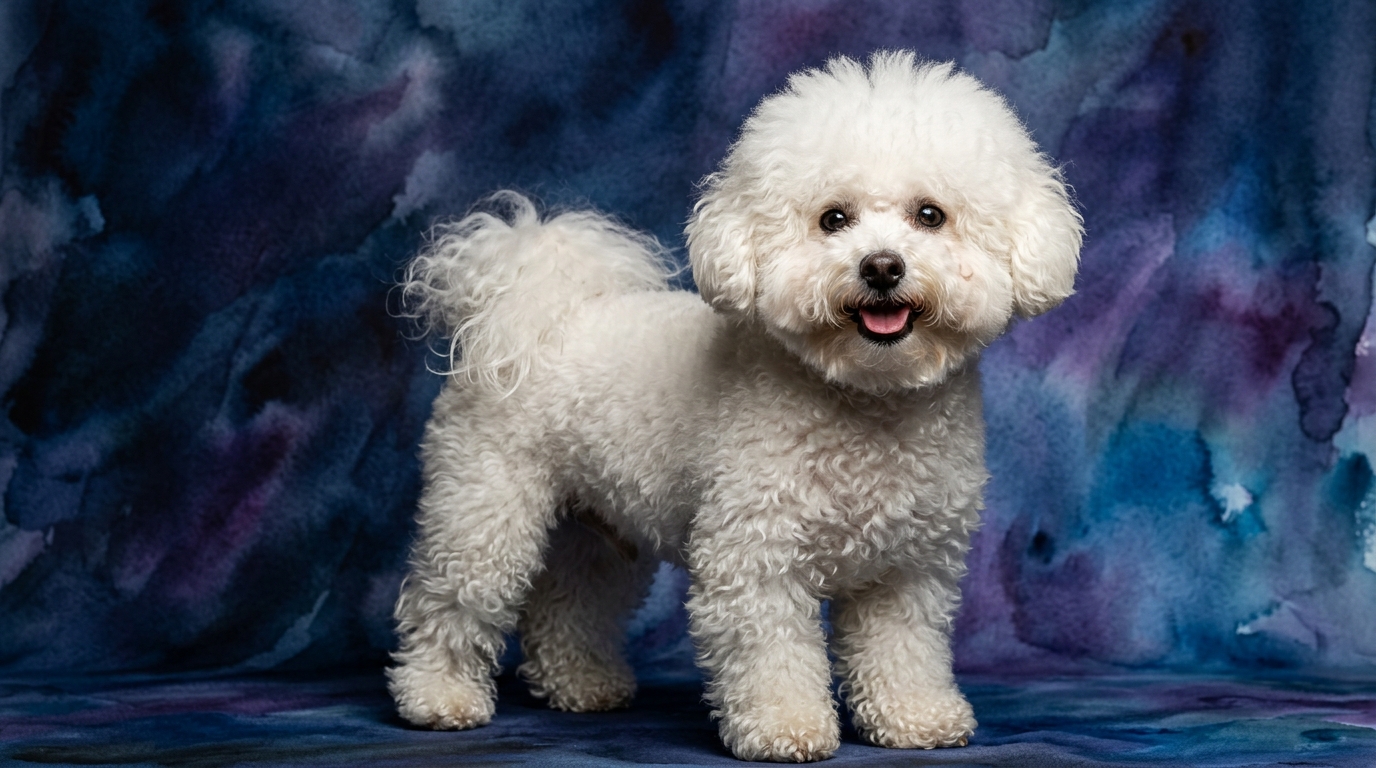
For the **Bichon Frisé** (Non-Sporting, Coren rank #45), their cognitive scores paint a picture of an adaptable, socially-attuned companion:
**Problem Solving (3/5):** Possesses a moderate capacity for navigating new puzzles or devising simple strategies, often relying on trial-and-error to open treat toys or find hidden objects. They can figure out basic environmental challenges but might require more guidance for multi-step tasks.
**Training Speed (3/5):** Acquires new commands and behaviors at a moderate pace, capable of learning a wide repertoire of tricks and obedience cues. Mastering these skills benefits from consistent repetition and positive reinforcement, with their eagerness to please often aiding engagement.
**Social Intelligence (5/5):** This is a standout dimension, indicating exceptional aptitude for interpreting human emotions, body language, and vocal inflections. They are profoundly empathetic and responsive companions, highly attuned to their owners' moods and social cues, making them integrate seamlessly into family life.
**Instinctive Drive (2/5):** Exhibits a relatively low innate drive for traditional dog work like hunting or herding. Their motivation stems primarily from social interaction and comfort rather than an independent desire to pursue specific tasks or fulfill primal instincts.
**Memory (3/5):** Shows a moderate ability to retain learned information and experiences, reliably remembering routines, commands, and familiar faces. While basic training is well-retained, intricate sequences or rarely practiced commands might require a quick refresher.
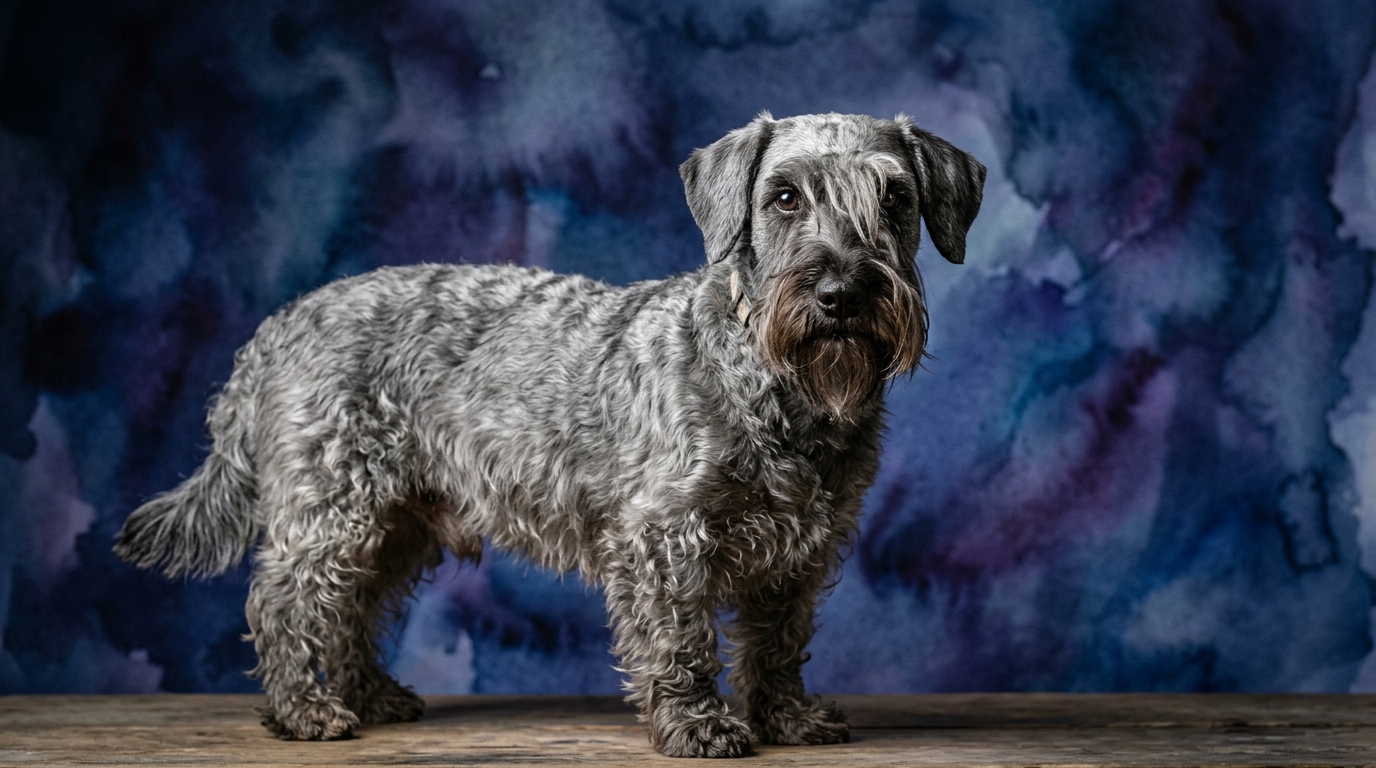
The **Cesky Terrier** (Terrier, Not Coren-ranked) presents a different cognitive emphasis, reflecting its working background:
**Problem Solving (3/5):** Displays a moderate problem-solving capacity, similar to the Bichon. They are capable of navigating environmental challenges and learning through experience, often fueled by their inherent terrier tenacity to achieve a goal.
**Training Speed (3/5):** Absorbs new information and commands at a steady, moderate pace. They are certainly trainable and can achieve high levels of proficiency, but they require consistent, clear instruction and often benefit from training methods that acknowledge their independent spirit.
**Social Intelligence (3/5):** Possesses a moderate level of social intelligence. They form strong bonds with their family and understand human communication, but might not constantly seek to interpret or respond to every subtle emotional shift with the same nuanced sensitivity as a pure companion breed.
**Instinctive Drive (3/5):** Retains a moderate working terrier heritage, manifesting as a discernible urge to dig, chase small prey, and explore. This drive provides natural internal motivation for engagement, which can be channeled into activities like earthdog trials or scent work.
**Memory (3/5):** Demonstrates a moderate memory capacity, reliably remembering training, routines, and regular encounters. Their recall for basic commands is solid, and they can certainly build on past experiences to learn new behaviors effectively.
Where Bichon Frisé Wins Cognitively
The Bichon Frisé truly shines in the realm of social intelligence, scoring a perfect 5/5 compared to the Cesky Terrier's 3/5. This dimension signifies an exceptional ability to interpret human emotions, body language, and vocal inflections, making them extraordinarily empathetic and responsive companions. A Bichon will often seem to 'know' when their owner is feeling down, offering gentle nudges or quiet presence without being prompted. Their strong desire to please and their sensitivity to social cues mean they are highly motivated by positive human interaction and approval. This deep social awareness translates into a dog that integrates seamlessly into family life, often anticipating needs and adjusting their behavior to maintain harmony. This superior social acumen also makes them remarkably adaptable to various household environments and social situations, as they are adept at reading the room and adjusting their demeanor accordingly.
Where Cesky Terrier Wins Cognitively
While the Cesky Terrier doesn't boast a dramatically higher score in any single dimension over the Bichon, its cognitive profile presents a compelling case for owners seeking a different kind of partner. The Cesky's slightly elevated instinctive drive (3/5 compared to the Bichon's 2/5) provides a distinct advantage for owners who appreciate a dog with a clear internal purpose. This moderate drive means the Cesky is more inclined towards independent exploration, scent-tracking, and engaging with its environment in a task-oriented manner. Their problem-solving (3/5) is often fueled by this drive, making them persistent and focused when trying to achieve a goal, such as finding a hidden toy or navigating an agility course. Unlike the Bichon, whose motivation is primarily social, the Cesky can derive satisfaction from the task itself. This self-directed motivation, combined with their moderate social intelligence, creates a dog that can be a focused partner in activities, less reliant on constant human validation for every action. Their balanced cognitive scores across the board suggest a pragmatic and resilient mind, capable of independent thought and sustained engagement with mentally stimulating tasks.
Which is Easier to Train and Why
When considering ease of training, the Bichon Frisé often presents a more straightforward experience for the average owner, primarily due to its exceptional social intelligence (5/5). While both breeds share a similar Training Speed score of 3/5, the Bichon's profound attunement to human social cues and strong desire for positive interaction means they are inherently more motivated to cooperate and please their handler. They actively seek to understand what is expected of them and respond readily to praise and affection, making them highly receptive students. This eager-to-please nature can make training sessions feel more productive and enjoyable, even if their raw learning speed isn't necessarily faster.
The Cesky Terrier, with its moderate social intelligence (3/5) and slightly higher instinctive drive (3/5), approaches training with a different mindset. While equally capable of learning at a moderate pace, their terrier independence means they might require more compelling motivation and a firmer, more consistent hand. A Cesky might question the 'why' behind a command or decide that chasing a squirrel is more immediately rewarding than performing a recall. Training a Cesky often involves channeling their natural instincts and finding ways to make desired behaviors intrinsically rewarding, rather than solely relying on social approval. For instance, using scent games or opportunities to 'hunt' for treats can be highly effective. Therefore, while both breeds are trainable, the Bichon's inherent social nature often translates into a perceived 'easier' and more fluid training journey for most owners, whereas the Cesky demands a more strategic and patient approach that respects its independent spirit.
Which Suits Active Owners vs. Relaxed Owners
The cognitive profiles of the Bichon Frisé and Cesky Terrier offer clear distinctions for owners with varying lifestyles. The Bichon Frisé, with its low instinctive drive (2/5) and exceptional social intelligence (5/5), is an ideal companion for relaxed owners who prioritize companionship and indoor activities. Their contentment stems primarily from being close to their human family, engaging in gentle play, and receiving affection. While they enjoy short walks and play sessions, they do not possess an overwhelming urge to explore vast territories or engage in physically demanding work. Their cognitive energy is largely directed towards social interaction and maintaining harmony within the household. They are content with a comfortable routine and thrive on consistent, loving attention, making them perfect for those seeking a devoted, low-key presence.
Conversely, the Cesky Terrier, with its moderate instinctive drive (3/5) and balanced cognitive scores, is better suited for active owners who appreciate a dog with a purpose. This breed thrives on mental stimulation and opportunities to engage its natural terrier instincts, even if it's just exploring a new hiking trail or participating in structured activities like agility or earthdog trials. While not requiring the intense exercise of a working breed, a Cesky benefits from regular outdoor adventures, puzzle toys, and training that challenges its problem-solving abilities and satisfies its drive to investigate. Owners who enjoy incorporating their dog into daily activities, whether it's brisk walks, playful training sessions, or exploring new environments, will find the Cesky a willing and engaged partner. Their independence means they can be happy with a more balanced amount of human attention, provided their cognitive and physical needs are met through stimulating activities.
The Verdict
Choose the Bichon Frisé if you seek a profoundly empathetic, highly adaptable companion whose greatest joy is social connection and harmonious family life, thriving on gentle interaction over independent tasks.
Opt for the Cesky Terrier if you desire a focused, persistent partner with a moderate working drive, who thrives on engaging in structured activities and exploring the world with a keen, independent spirit.
🧠 Find Your Pet's IQ Score
Our Pet IQ Lab assessment covers 25+ tests across 5 cognitive dimensions — personalized to your breed.
Take the Full IQ Test →Frequently Asked Questions
Are Bichon Frisés better family dogs than Cesky Terriers?
The Bichon Frisé's exceptional social intelligence (5/5) makes them remarkably attuned to family dynamics and emotions, often adapting seamlessly to various household members. While Cesky Terriers (3/5 social intelligence) form strong family bonds, their more independent nature means they might not constantly seek to interpret every subtle social cue, making the Bichon generally more universally 'family-oriented' in a highly interactive sense.
Do Cesky Terriers require more mental stimulation than Bichon Frisés?
Yes, Cesky Terriers generally benefit from more structured mental stimulation due to their moderate instinctive drive (3/5) and terrier heritage, which encourages exploration and problem-solving. While Bichons (2/5 instinctive drive) enjoy mental games, their primary cognitive engagement is social; Ceskys thrive on activities like scent work, puzzle toys, or training that taps into their purposeful nature.
Which breed is more likely to learn complex tricks quickly?
Both breeds share a Training Speed score of 3/5, suggesting a similar pace for learning complex tricks. However, the Bichon Frisé's superior social intelligence (5/5) and strong desire to please might make them appear to learn faster, as they are often more eager to cooperate and engage during training sessions. The Cesky Terrier, while capable, might require more motivation and a strategic approach to maintain focus on intricate tasks.