Side-by-Side IQ Profiles: Bichon Frisé vs. Chinook
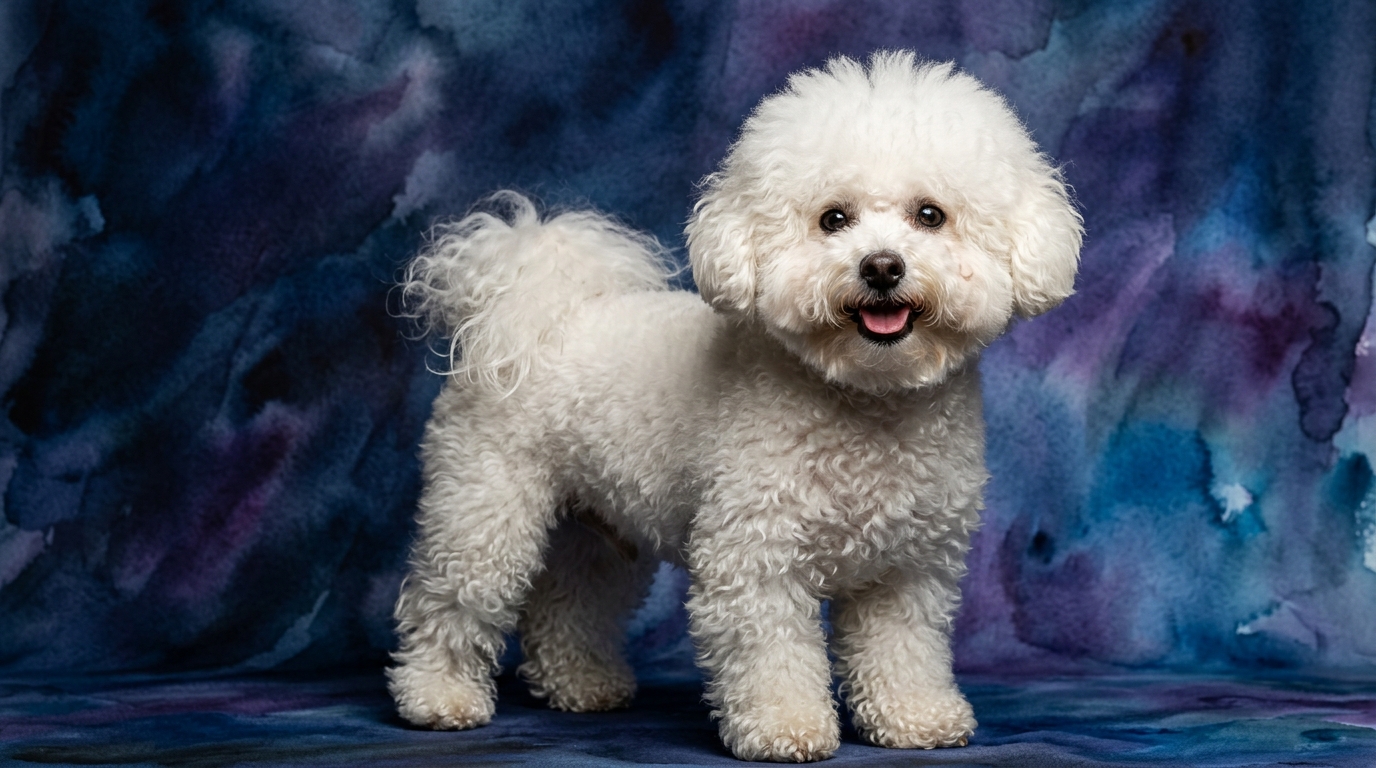
The Bichon Frisé, a member of the Non-Sporting group and ranked #45 by Coren for working and obedience intelligence, presents a cognitive profile geared towards companionship. They show a Problem Solving score of 3/5, indicating a capacity for moderate challenges but not a strong drive for complex intellectual tasks without human prompting. Their Training Speed is 3/5, meaning they learn at an average pace, often motivated by positive social interaction. Where they truly shine is Social Intelligence, scoring 5/5, demonstrating an exceptional understanding of human emotions and social dynamics. An Instinctive Drive of 2/5 suggests minimal inherent inclination for traditional working roles, while their Memory at 3/5 allows for reliable retention of routines and commands.
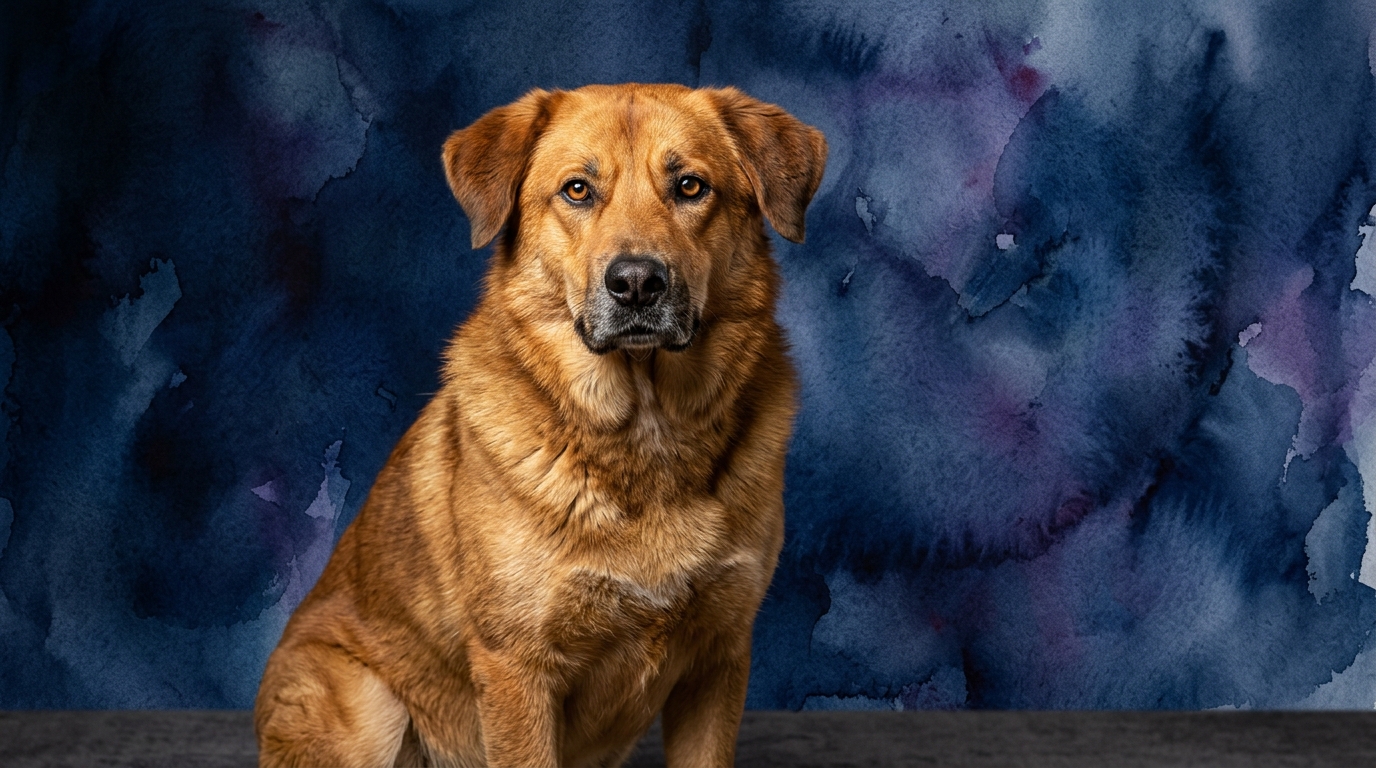
The Chinook, a distinguished member of the Working group without a specific Coren rank, exhibits a more utilitarian cognitive makeup. Their Problem Solving ability is rated 3/5, enabling them to navigate practical, environment-based challenges effectively, though they aren't typically drawn to abstract puzzles. With a Training Speed of 3/5, Chinooks learn steadily with clear, consistent instruction, often thriving when tasks have a perceived purpose. Their Social Intelligence is 3/5, reflecting loyalty and strong bonds within their family unit, though perhaps less overt and universally expressive than a pure companion breed. An Instinctive Drive of 3/5 highlights their moderate inclination for physical activity and purposeful tasks, a legacy of their sled-dog heritage. Their Memory also stands at 3/5, providing dependable recall for practical information and established routes.
Where the Bichon Frisé Excels Cognitively
The Bichon Frisé's standout cognitive strength lies in their remarkable Social Intelligence, scoring a perfect 5/5. This isn't merely about being affectionate; it represents a sophisticated ability to read and respond to human emotional states and social cues. A Bichon can often sense a shift in an owner's mood, offering comfort or adapting their behavior to maintain household harmony, showcasing a deep intuitive grasp of interpersonal dynamics that few breeds match.
This exceptional social cognition translates into a unique capacity for emotional support and connection. Their responsiveness to subtle human signals allows them to integrate seamlessly into family life, often anticipating needs for interaction or quiet companionship. This mental faculty makes them particularly adept at forming profound, reciprocal bonds, making them highly attuned partners in a household setting.
Where the Chinook Demonstrates Cognitive Prowess
The Chinook's cognitive advantages are rooted in their practical application of intelligence, particularly their Instinctive Drive, which scores 3/5. While not the highest score, this moderate drive, combined with their problem-solving ability, makes them adept at tasks requiring endurance, focus, and physical navigation. Their legacy as sled dogs means they naturally excel in activities that involve pulling, sustained effort, and navigating varied terrains, applying their intelligence to real-world, physical challenges.
This breed's cognitive strength is evident in their capacity for purposeful work. A Chinook tends to approach tasks with a steady, focused demeanor, utilizing their practical problem-solving to overcome obstacles in their environment. This resilience and goal-oriented mental approach make them particularly suited for owners who can channel this inherent drive into constructive activities, rather than abstract intellectual games.
Training Dynamics: Which is Easier and Why?
Both the Bichon Frisé and the Chinook share a Training Speed score of 3/5, suggesting neither is inherently faster to learn basic commands. However, the 'why' behind their trainability differs significantly, referencing their distinct behavioral drivers. The Bichon Frisé, with its 5/5 Social Intelligence, is often motivated by a desire to please and maintain a harmonious social connection with its human. This strong social bond can make them eager participants in training, as they value the positive reinforcement of human approval, though they might also leverage their charm to avoid less appealing tasks.
Conversely, the Chinook, while equally trainable at an average pace, is often driven by its 3/5 Instinctive Drive for purpose and activity. They respond well to clear, consistent instruction that presents tasks as meaningful goals. A Chinook might be less swayed by social flattery and more focused on the successful completion of a perceived task. Their working background means they appreciate structure and consistency, making them reliable learners when the training offers a clear objective and a sense of accomplishment.
Matching Breeds to Owner Lifestyles: Active vs. Relaxed
The Bichon Frisé, with its low 2/5 Instinctive Drive and exceptional 5/5 Social Intelligence, is a natural fit for owners seeking a deeply connected and emotionally responsive companion in a relatively relaxed household. While they require regular walks and play, their mental stimulation often comes from social interaction and being an integral part of family life. They thrive on companionship and are content to be near their humans, adapting their energy levels to the household's rhythm.
The Chinook, possessing a moderate 3/5 Instinctive Drive and a working breed heritage, is better suited for active owners prepared to provide purposeful engagement. These dogs need more than just walks; they benefit from activities that tap into their endurance and desire to 'work,' such as hiking, sledding, or canine sports. Owners who can offer consistent, structured activities that challenge them physically and mentally will find the Chinook to be a loyal and fulfilling partner.
The Verdict: When to Choose Each Breed
The Verdict
Choose a Bichon Frisé if your priority is an emotionally attuned companion who thrives on social interaction and brings a sparkling, adaptable presence to a moderately active, family-centric home.
Opt for a Chinook if you seek a resilient, loyal partner for outdoor adventures and purposeful activities, valuing a steady temperament and a dog that excels with a 'job' to do.
🧠 Find Your Pet's IQ Score
Our Pet IQ Lab assessment covers 25+ tests across 5 cognitive dimensions — personalized to your breed.
Take the Full IQ Test →Frequently Asked Questions
Is the Bichon Frisé’s high social intelligence purely about affection?
No, their 5/5 Social Intelligence extends beyond mere affection; it involves a sophisticated ability to interpret human emotions, social cues, and even anticipate needs. This cognitive trait allows them to adapt their behavior to maintain household harmony and offer nuanced companionship.
How does the Chinook’s instinctive drive influence its daily behavior?
The Chinook’s 3/5 Instinctive Drive means they possess a natural inclination for purposeful physical activity and endurance, stemming from their working heritage. This often translates into a need for consistent exercise and engagement, making them less content with sedentary lifestyles and more satisfied when given a task or active adventure.
Can a Chinook be a good family dog despite its working background?
Yes, absolutely. While they have a working background, their 3/5 Social Intelligence ensures they form strong, loyal bonds with their family members, making them devoted companions. Proper socialization and consistent training will help them integrate well into a family setting, especially one that provides outlets for their physical and mental energy.