Side-by-Side IQ Profile: Bichon Frisé vs. Field Spaniel
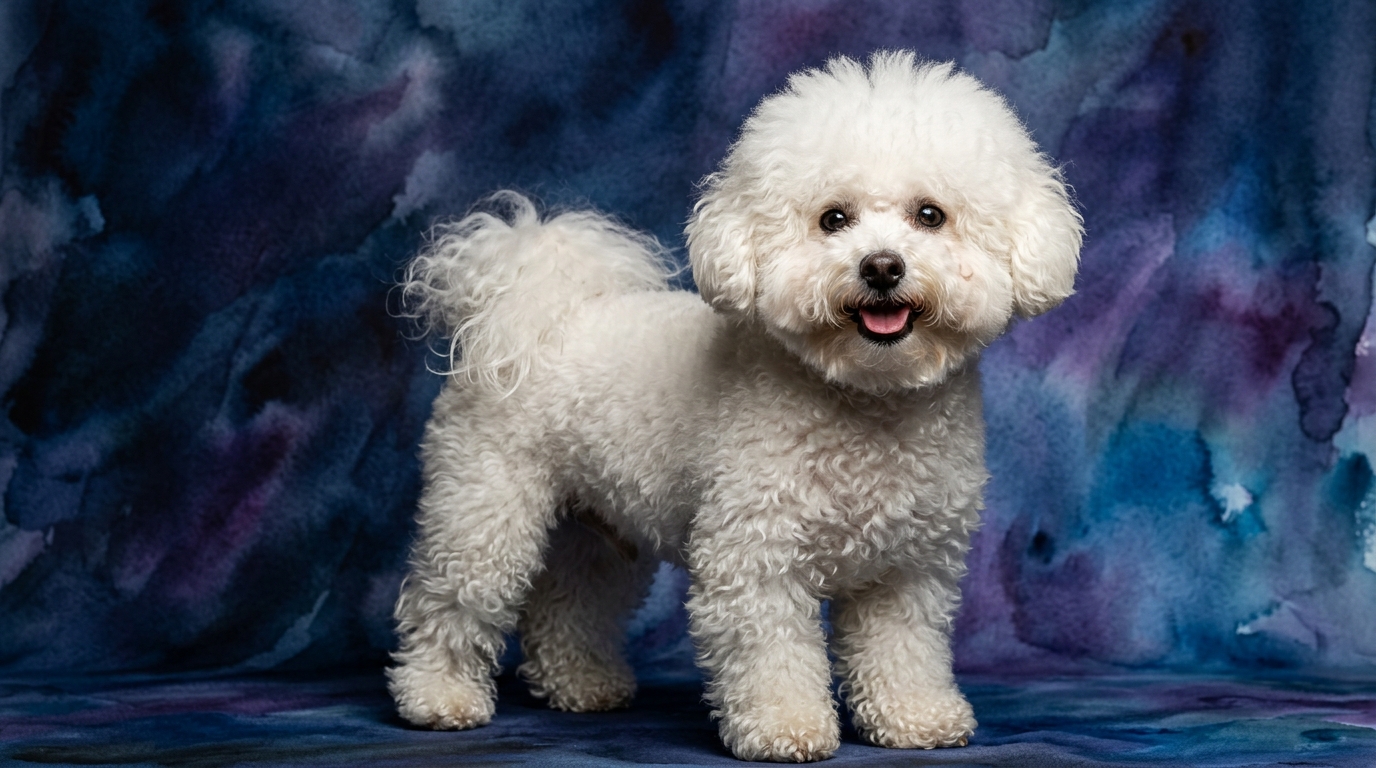
The Bichon Frisé, a delightful member of the Non-Sporting Group, holds a Coren rank of #45, indicating a respectable capacity for obedience and working intelligence among dog breeds. Its Cosmic Pet Pet IQ Lab profile details a nuanced set of cognitive strengths: problem-solving at 3/5, suggesting a moderate ability to navigate novel situations or puzzles; training speed also at 3/5, meaning it typically grasps new commands and routines at an average pace. Where the Bichon truly shines is its social intelligence, scoring an exceptional 5/5, reflecting an outstanding aptitude for understanding human communication, emotions, and social structures, making it highly attuned to its owners. Its instinctive drive is lower at 2/5, indicating less innate motivation for independent, task-oriented behaviors like hunting or herding, while memory is rated at a steady 3/5, signifying a moderate capacity to retain information and learned experiences.
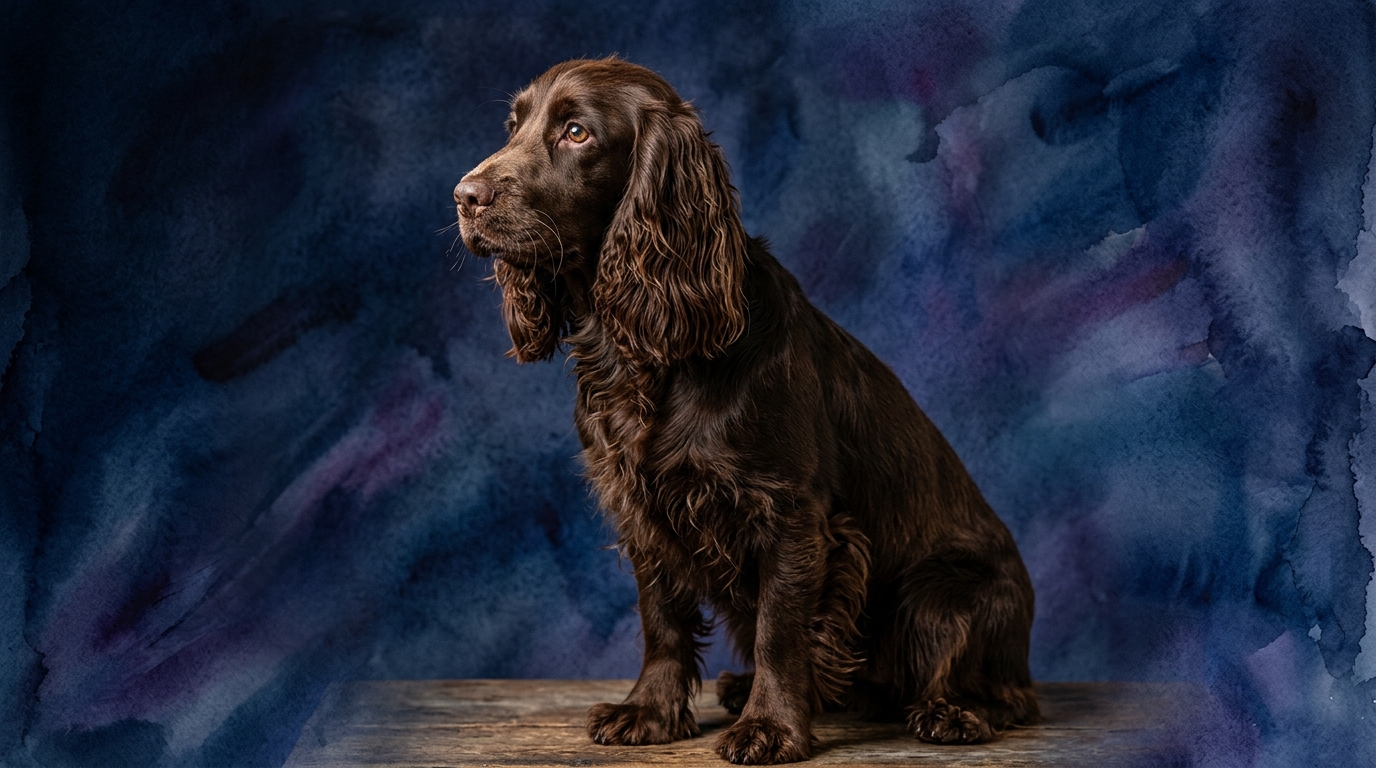
In contrast, the Field Spaniel, a robust member of the Sporting Group, is not listed in Coren's rankings, but its IQ Lab profile provides a clear picture of its cognitive makeup. This breed demonstrates a balanced cognitive profile across several dimensions: problem-solving is rated at 3/5, matching the Bichon's moderate capacity to independently figure out solutions. Its training speed also stands at 3/5, suggesting it learns new tasks at a similar moderate rate. The Field Spaniel's social intelligence is rated at 3/5, indicating a solid ability to interact and understand human cues, though not reaching the exceptional level of the Bichon. Its instinctive drive, however, is higher at 3/5, reflecting a moderate but present innate motivation for traditional spaniel activities such as scent work, retrieving, and independent exploration. Memory is consistent with the other scores, also at 3/5, implying a reliable retention of learned behaviors and experiences.
Where the Bichon Frisé Wins Cognitively
The Bichon Frisé's standout cognitive advantage lies unequivocally in its social intelligence, scoring a perfect 5 out of 5. This exceptional capacity translates into a profound ability to read and respond to human emotions and social cues, making them incredibly empathetic and responsive companions. A Bichon will often anticipate an owner's mood, offering comfort or initiating play at just the right moment, demonstrating a deep understanding of the human-animal bond. This high social aptitude means they thrive on interaction, seeking out companionship and engaging readily in shared activities, which reinforces their role as devoted family members. They are particularly adept at forming strong, reciprocal bonds, often seeming to 'understand' their humans on a deeper level than many other breeds.
This superior social intelligence also contributes to their adaptability in various home environments, as they are primarily driven by the desire for connection rather than specific tasks or independent exploration. Their capacity to integrate seamlessly into family life, understanding household routines and individual preferences, is a direct result of this cognitive strength. Unlike breeds with lower social intelligence, a Bichon's world revolves significantly around its human family, making them incredibly sensitive to their owners' presence and attention. This attribute makes them particularly rewarding for individuals or families seeking a dog that is deeply integrated into their daily emotional landscape.
Where the Field Spaniel Wins Cognitively
The Field Spaniel's cognitive edge is found in its more balanced instinctive drive, rated at 3/5, which surpasses the Bichon Frisé's 2/5. This moderate instinctive drive means the Field Spaniel possesses a natural inclination for engaging in activities that require focus, scenting, and retrieving, traits deeply rooted in its heritage as a working gun dog. While not excessively high-strung, this drive provides a foundational motivation for purposeful activities, making them enthusiastic participants in sports like agility, obedience, or scent work. They are more likely to enjoy and excel at tasks that involve using their nose or carrying objects, showcasing a greater intrinsic satisfaction from these types of engagements.
This moderate drive also contributes to a certain resilience and independence when faced with tasks, allowing them to work through challenges with a degree of self-motivation. Unlike the Bichon, whose primary driver is often human interaction, the Field Spaniel can derive satisfaction from completing a task, even if it requires a degree of independent effort. This makes them well-suited for owners who enjoy engaging their dogs in structured activities that tap into these natural instincts, providing both mental and physical stimulation. Their ability to balance their companion nature with this inherent drive offers a versatile cognitive profile for a variety of active pursuits.
Which is Easier to Train and Why?
Both the Bichon Frisé and the Field Spaniel share a training speed rating of 3/5, suggesting that neither breed inherently learns new commands or routines significantly faster or slower than the other. However, the ease of training in practice can differ notably due to their contrasting social intelligence and instinctive drives. The Bichon Frisé, with its exceptional 5/5 social intelligence, often appears easier to train because it is profoundly eager to please and highly attuned to its owner's emotional state and intentions. This strong desire for connection means a Bichon will often try harder to understand and comply with commands, not just for a treat, but for the positive affirmation and bond it reinforces with its human.
Conversely, the Field Spaniel's 3/5 social intelligence means it is responsive but might not possess the same intense drive to anticipate and meet human expectations solely for the sake of connection. Its 3/5 instinctive drive can also introduce a different dynamic to training; while this drive makes them excellent candidates for task-oriented training like retrieving, it also means they can be more easily distracted by environmental stimuli such as interesting scents or moving objects. A Field Spaniel might require more consistent, engaging, and varied training methods to maintain focus, whereas a Bichon might thrive on repetition and praise. Therefore, while both learn at a moderate pace, the Bichon’s inherent social motivation often makes the training process feel more fluid and less challenging for the average owner, particularly in basic obedience and house manners, because it genuinely wants to work with you.
Which Suits Active Owners vs. Relaxed Owners
For owners with a more relaxed lifestyle, the Bichon Frisé is often the more fitting choice. Its lower instinctive drive (2/5) means it doesn't possess a strong innate need for extensive, structured physical or mental tasks beyond daily walks and playtime. Their exceptional social intelligence (5/5) means their primary contentment comes from being close to their human companions, participating in family life, and receiving affection. A relaxed owner who enjoys cuddling on the couch, gentle strolls, and consistent companionship will find the Bichon's cognitive makeup perfectly aligned with their preferences. They are content with moderate activity and thrive in an environment where their social needs are consistently met, making them ideal for apartment living or less active households.
Active owners, however, will likely find a more compatible partner in the Field Spaniel. With its balanced instinctive drive (3/5), this breed possesses a greater natural inclination for engaging in physical activity and mentally stimulating tasks. While not requiring extreme athleticism, they benefit significantly from regular opportunities to use their nose, retrieve, and explore. Owners who enjoy hiking, long walks, dog sports like agility or obedience, or even casual field work will appreciate the Field Spaniel's willingness and capacity to participate. Their moderate social intelligence (3/5) ensures they are still affectionate companions, but their cognitive fulfillment is also tied to engaging in activities that tap into their working heritage. They are best suited for homes that can provide both companionship and an outlet for their inherent drive and curiosity.
The Verdict
Choose the Bichon Frisé if your priority is a deeply empathetic companion whose world revolves around human connection and who thrives on social interaction over intense physical tasks.
Opt for the Field Spaniel if you desire a balanced companion with a moderate drive for activities, capable of both affectionate companionship and enthusiastic participation in various dog sports or outdoor adventures.
🧠 Find Your Pet's IQ Score
Our Pet IQ Lab assessment covers 25+ tests across 5 cognitive dimensions — personalized to your breed.
Take the Full IQ Test →Frequently Asked Questions
Does the Bichon Frisé need a lot of mental stimulation?
While not driven by complex tasks, the Bichon Frisé's high social intelligence means it thrives on interactive play and training that involves its human. Simple puzzle toys and consistent engagement satisfy its moderate problem-solving capacity.
Can a Field Spaniel live happily in an apartment?
A Field Spaniel can adapt to apartment living if its moderate instinctive drive is adequately met with daily exercise and mental stimulation outside the home. Regular walks, playtime, and engaging activities are crucial for its well-being.
Which breed is better for first-time dog owners?
For first-time owners primarily seeking a devoted, adaptable companion, the Bichon Frisé's high social intelligence and lower instinctive drive often make it an easier choice. Field Spaniels require owners prepared to consistently manage their moderate drive and provide structured activity.