Side-by-Side Cognitive Profile
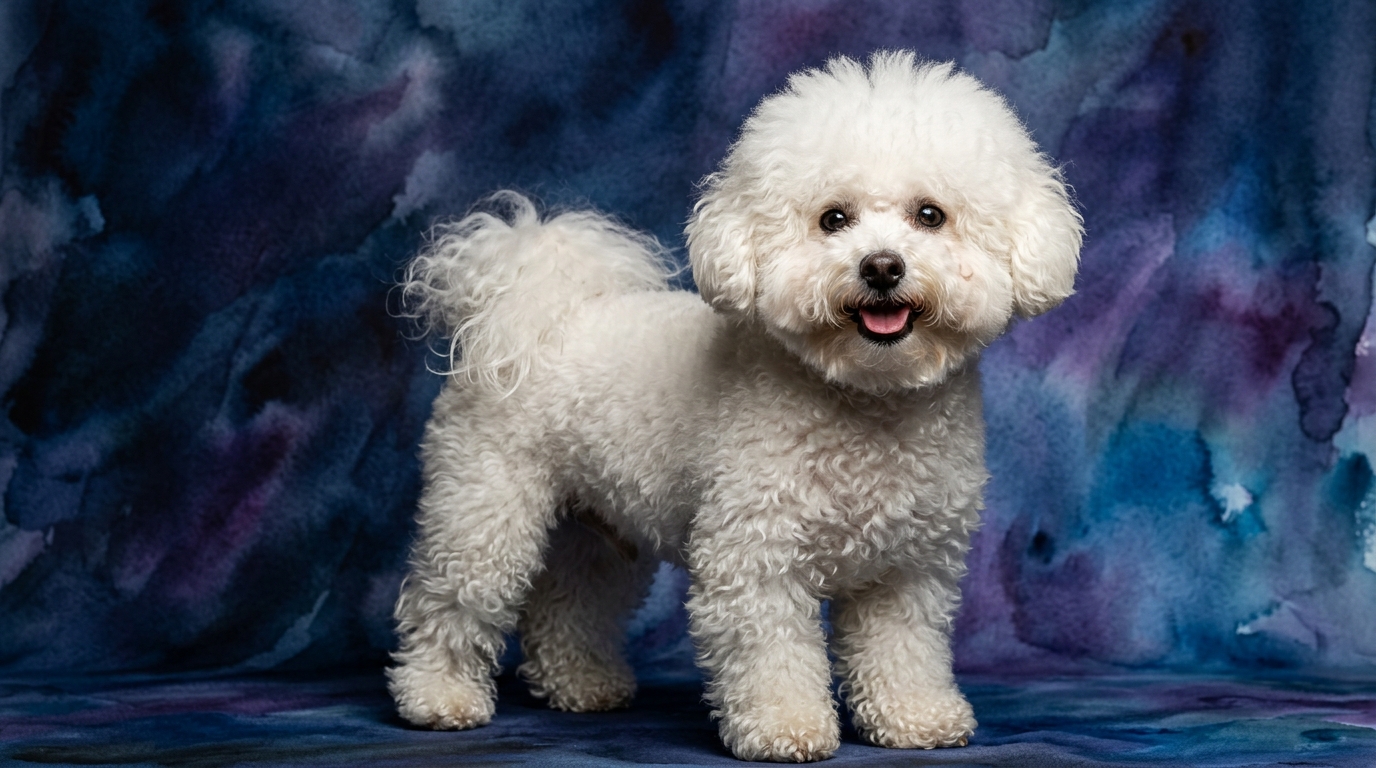
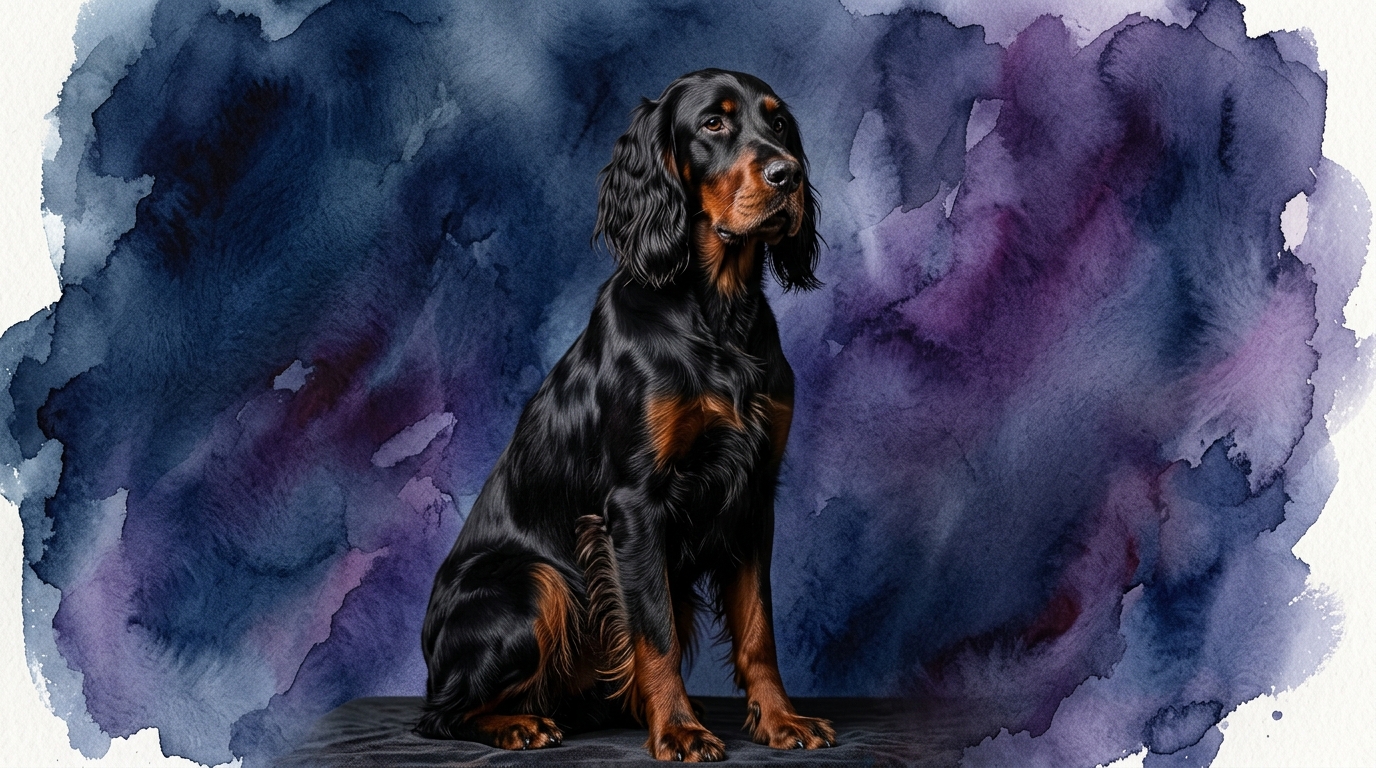
At The Cosmic Pet Pet IQ Lab, we delve into five core dimensions of canine intelligence to paint a detailed picture of each breed's mental landscape. For the Bichon Frisé (Coren rank #45) and the Gordon Setter (Coren rank #39), these dimensions highlight their unique evolutionary paths and preferred modes of interaction.
The Bichon Frisé, a delightful companion breed from the Non-Sporting Group, shows its cognitive strengths in areas supporting close human-animal bonds:
Problem Solving (3/5): These charming companions demonstrate an average capacity for independent problem-solving. While they might cleverly manipulate situations to gain attention or preferred treatment from their human family, they are generally less inclined toward intricate mechanical puzzles or complex environmental navigation without direct human guidance. Their problem-solving often centers on social dynamics rather than abstract tasks.
Training Speed (3/5): Bichons learn at a moderate pace, responding well to consistent, positive reinforcement methods. Their eagerness to please and strong desire for social interaction make them receptive students, though they may require more repetition than some working breeds to solidify new commands. Patience and engaging sessions yield the best results.
Social Intelligence (5/5): This is where the Bichon Frisé truly shines. They possess an exceptional ability to interpret human emotions, body language, and subtle social cues. They can often anticipate their owner's needs, offering comfort or initiating play based on the atmosphere, making them incredibly intuitive and empathetic companions.
Instinctive Drive (2/5): With a history primarily as companion animals, Bichons exhibit a relatively low instinctive drive. They are not typically driven by strong prey instincts, herding urges, or intense territorial guarding. Their focus remains squarely on companionship and social bonding rather than performing traditional working tasks.
Memory (3/5): Bichons have an adequate memory for routines, learned commands, and familiar faces. They remember pleasant experiences and associations well, which aids in reinforcing positive training. While not exceptional for complex sequences, their memory is sufficient for a well-adjusted household pet.
The Gordon Setter, a robust member of the Sporting Group, showcases a different set of cognitive priorities, honed for fieldwork and partnership:
Problem Solving (4/5): The Gordon Setter displays a good capacity for problem-solving, particularly when it relates to reaching a specific goal or overcoming an obstacle in their environment. Their hunting heritage means they are adept at strategizing to locate objects (like a hidden toy or scent) and navigating varied terrains, often demonstrating independent thought in pursuit of a task.
Training Speed (4/5): Gordon Setters generally pick up new commands and skills at a faster-than-average pace. They are attentive and focused learners, especially when training is structured, engaging, and taps into their natural drives. Their responsiveness makes them suitable for various dog sports and advanced obedience.
Social Intelligence (3/5): While affectionate and loyal to their core family, Gordon Setters exhibit moderate social intelligence compared to the Bichon. They understand direct commands and human intentions clearly but may be less attuned to subtle emotional nuances or as universally effusive with strangers. Their social interactions are often more direct and less emotionally intricate than the Bichon's.
Instinctive Drive (3/5): True to their Sporting Group classification, Gordon Setters possess a moderate instinctive drive, particularly a birding instinct. They enjoy activities involving scent work, retrieving, and exploring, finding mental satisfaction in tasks that simulate their historical role. This drive needs appropriate outlets to prevent boredom.
Memory (4/5): Gordon Setters boast a strong memory, particularly for complex sequences, scent trails, and spatial awareness. This cognitive strength is invaluable for their working roles, allowing them to remember intricate routes, specific commands, and the location of game or hidden items over time.
Where the Bichon Frisé Wins Cognitively
The Bichon Frisé undeniably excels in the realm of social intelligence, earning a perfect 5/5 score. This translates into an unparalleled ability to intuitively understand and respond to human emotional states. A Bichon can sense when their owner is feeling down and offer gentle comfort, or discern an invitation to play through subtle body language. Their capacity for empathy and their skilled interpretation of non-verbal cues create an exceptionally deep and responsive emotional bond, making them masters of companionship. Furthermore, their lower instinctive drive (2/5) means they are less prone to mental restlessness or destructive behaviors stemming from boredom in a tranquil home setting, making them cognitively well-suited to a life centered on indoor companionship and social interaction. They are cognitively primed for intimate human-animal connection.
Where the Gordon Setter Wins Cognitively
The Gordon Setter exhibits superior cognitive strengths in areas requiring focused application and task completion. With a problem-solving score of 4/5 and a memory score of 4/5, they are adept at navigating complex challenges and retaining intricate information. This manifests in their capacity to learn multi-step commands, excel in scent discrimination tasks, or remember the layout of a large outdoor area during exploration. Their faster training speed (4/5) further supports their ability to acquire new skills efficiently, especially when those skills align with their moderate instinctive drive (3/5) for activities like retrieving or tracking. They thrive when given a purpose and are cognitively equipped to figure out how to achieve specific, tangible goals.
Which Is Easier to Train and Why
Determining which breed is 'easier' to train depends heavily on the owner's goals and training style. The Bichon Frisé, with its exceptional social intelligence and strong desire to please, often responds very well to positive reinforcement centered around praise, affection, and gentle treats. Their moderate training speed (3/5) means they require consistency and patience, but their motivation to maintain a harmonious relationship with their owner can make basic obedience and house-training relatively straightforward, particularly when the training fosters their bond. They may be quicker to understand *why* they should comply (to please their human) rather than *how* to perform a complex task.
The Gordon Setter, on the other hand, possesses a faster training speed (4/5) and higher problem-solving capacity (4/5), enabling them to grasp complex commands and sequences more rapidly. They excel in structured training environments where tasks are clear and engaging, tapping into their moderate instinctive drive. While they learn *what* to do quickly, an owner must provide ample mental and physical stimulation to keep them engaged, as their independence and drive can sometimes lead to distraction if not properly channeled. For advanced obedience, competitive dog sports, or fieldwork, the Gordon Setter's inherent cognitive strengths often make them a more efficient learner of intricate skills.
Which Suits Active Owners vs. Relaxed Owners
For relaxed owners seeking a devoted, low-key companion, the Bichon Frisé is an ideal match. Their lower instinctive drive (2/5) and moderate problem-solving capacity mean they are perfectly content with a lifestyle rich in companionship, indoor play, and shorter, leisurely walks. They don't require constant mental challenges or extensive physical exertion to prevent boredom. Instead, their cognitive profile is geared towards thriving on intimate human interaction and a comfortable, predictable home environment, making them an excellent choice for individuals or families who prioritize emotional connection over strenuous activities.
Conversely, the Gordon Setter is a superb fit for active owners eager to engage their canine partner in consistent mental and physical pursuits. Their combination of a higher problem-solving score (4/5), faster training speed (4/5), and moderate instinctive drive (3/5) means they flourish when given a 'job' or regular opportunities for exploration and sport. They excel in activities like long hikes, retrieving games, scent work, agility, or even competitive obedience. An owner who can channel their inherent drive and cognitive capabilities through regular, stimulating activities will find the Gordon Setter to be an incredibly rewarding and engaged partner, preventing potential boredom-related behaviors.
The Verdict
Opt for a Bichon Frisé if your priority is an emotionally attuned companion who thrives on close social interaction and a relaxed home environment. They excel at intuitive companionship and adapting to your emotional landscape.
Select a Gordon Setter if you seek a capable, task-oriented canine partner for active pursuits and enjoy engaging in structured training and outdoor adventures. They flourish with purpose and consistent mental engagement.
🧠 Find Your Pet's IQ Score
Our Pet IQ Lab assessment covers 25+ tests across 5 cognitive dimensions — personalized to your breed.
Take the Full IQ Test →Frequently Asked Questions
Are Bichon Frisé difficult to train?
Bichons learn at a moderate pace, thriving on positive reinforcement and social praise. Their excellent social intelligence means they respond well to clear, consistent instruction from their beloved owners, though they may not pick up complex tasks as quickly as some working breeds.
Do Gordon Setters have a strong prey drive?
Gordon Setters possess a moderate instinctive drive, rooted in their bird hunting heritage. While not as intense as some working breeds, they do enjoy activities like scent work or retrieving, and may show interest in chasing small animals, requiring secure leashing during walks.
Which breed is better with children?
Both breeds can be good with children, but their approaches differ. Bichon Frisé often excel due to their high social intelligence and gentle nature, while Gordon Setters can be patient and playful but might require more supervision due to their size and energy levels, especially with very young children.