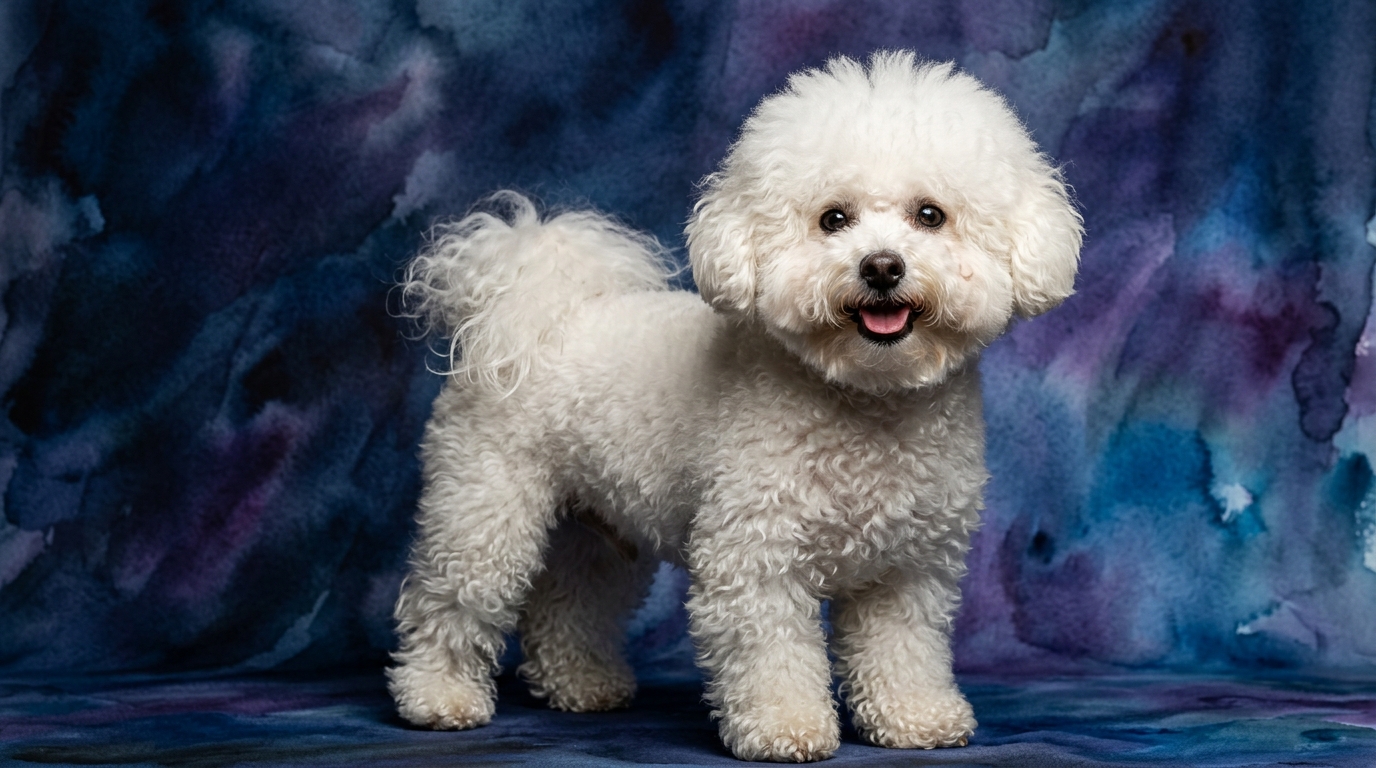
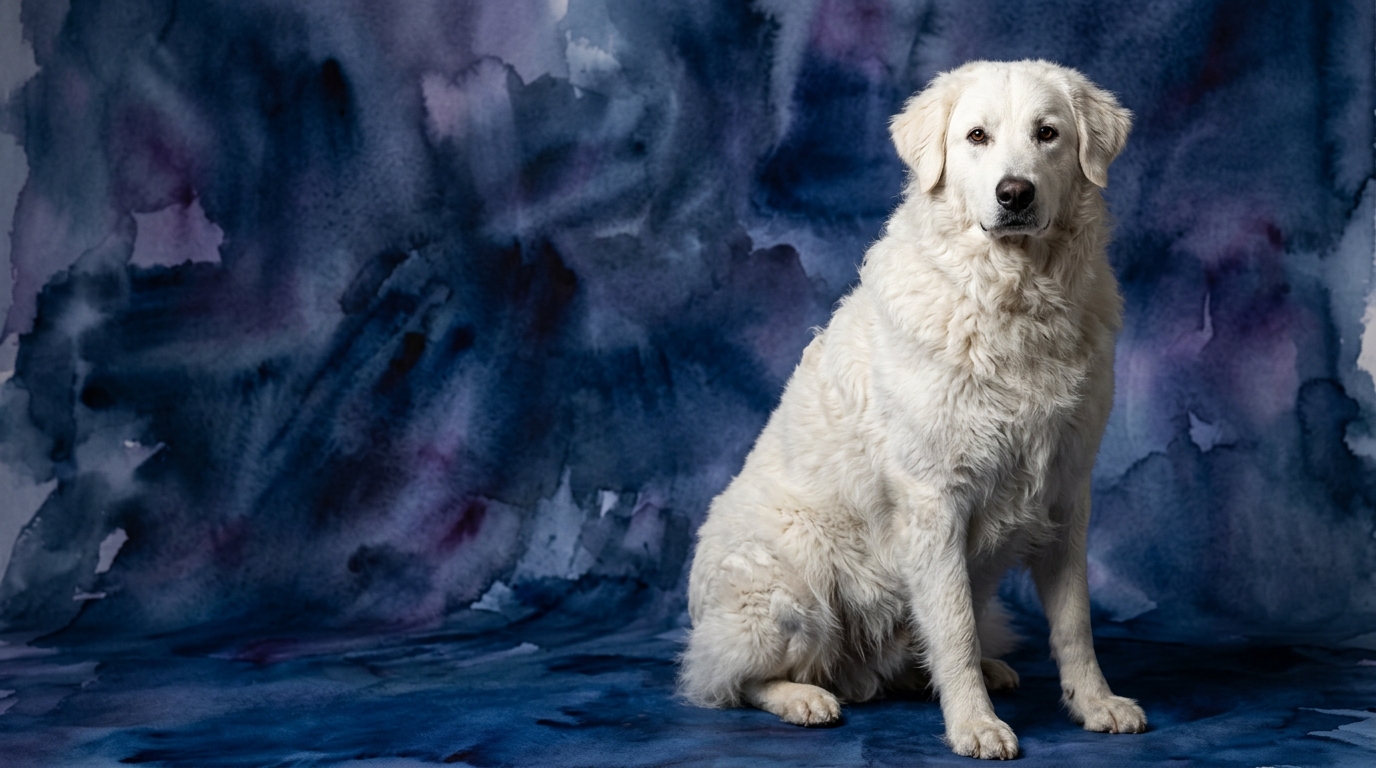
Side-by-Side Cognitive Profile
The Cosmic Pet Pet IQ Lab employs five dimensions to map a breed's cognitive strengths. Here's how the Bichon Frisé and Kuvasz stack up:
For the Bichon Frisé (Non-Sporting, Coren rank #45): Problem Solving (3/5) shows moderate capacity for figuring out common household challenges and navigating familiar environments. Training Speed (3/5) indicates they learn new commands and routines at a consistent pace, typically responding well to patient repetition. Social Intelligence (5/5) reveals an exceptional aptitude for understanding and responding to human emotional cues, forming deep, nuanced bonds. Instinctive Drive (2/5) exhibits relatively low innate drive for tasks like hunting or guarding, preferring companionship. Memory (3/5) demonstrates reliable recall of learned behaviors and routines, performing well with consistent reinforcement.
For the Kuvasz (Working, Coren rank #42): Problem Solving (3/5) displays a comparable capacity for analyzing situations, often employing independent judgment, especially concerning protective duties. Training Speed (3/5) signifies they acquire new information and commands at a steady rate, requiring a consistent training approach. Social Intelligence (3/5) suggests a moderate understanding of social dynamics, capable of strong bonds but often reserved and independent. Instinctive Drive (3/5) shows a distinct, moderate drive for guarding and protecting, rooted in their historical vigilance and territorial awareness. Memory (4/5) possesses a robust capacity for long-term recall, retaining complex sequences and experiences, aiding in their guardian role.
Where the Bichon Frisé Wins Cognitively
The Bichon Frisé truly excels with an exceptional Social Intelligence score of 5 out of 5, a clear cognitive advantage over the Kuvasz’s 3. This remarkable aptitude means Bichons are incredibly attuned to human emotions and subtle social cues, often anticipating needs before explicit expression. Their ability to read body language and vocal inflections allows seamless integration into family life, offering comfort or initiating play with uncanny timing. This isn't just friendliness; it's a sophisticated cognitive function enabling complex, reciprocal relationships, making them profoundly responsive to human companionship. For instance, a Bichon might instinctively offer a comforting nudge when sensing distress or enthusiastically engage upon noticing a joyful gesture. This deep social understanding minimizes misunderstandings and fosters a harmonious living environment, as they are inherently motivated by positive human connection and strive for social equilibrium within their pack. Their cognitive framework is geared towards relational harmony, a trait that sets them apart.
Where the Kuvasz Wins Cognitively
The Kuvasz demonstrates distinct cognitive strengths, particularly in Memory, scoring 4 out of 5 compared to the Bichon Frisé’s 3, and a higher Instinctive Drive at 3 out of 5 versus the Bichon’s 2. The Kuvasz’s superior memory allows them to retain intricate details about their environment, past experiences, and learned protocols for extended periods. This cognitive trait is crucial for a breed historically tasked with independent livestock guarding, where remembering specific boundaries, potential threats, and appropriate responses without constant human direction is paramount. They can recall the nuances of situations, such as distinguishing regular visitors from unknown presences, or the layout of large properties, with greater precision. Coupled with their elevated Instinctive Drive, the Kuvasz possesses an inherent inclination towards vigilance and protection. This isn't merely a physical tendency; it’s a cognitive framework that primes them to constantly assess surroundings, identify potential risks, and act decisively based on their long-term memory of what constitutes a threat. Their cognitive processes are geared towards autonomous decision-making in guardian roles, enabling them to apply learned defensive strategies effectively, often without direct human command.
Which is Easier to Train and Why
While both breeds share an identical Training Speed score of 3 out of 5, their overall trainability diverges due to other cognitive factors. The Bichon Frisé, with its exceptional Social Intelligence (5/5), often appears easier to train for general obedience. Their deep desire to please and connect with humans makes them highly motivated by positive reinforcement and social praise. They are inherently keen to understand and comply with human expectations, making them responsive and less likely to challenge authority. Their lower Instinctive Drive (2/5) also means fewer ingrained behaviors need redirection; they are less prone to independent decision-making driven by ancient instincts. In contrast, the Kuvasz, despite the same Training Speed, presents a more nuanced training experience. Their Social Intelligence (3/5) is moderate, indicating they are more independent thinkers, less overtly driven by human approval and more by their own situation assessment. Their higher Instinctive Drive (3/5) for guarding means a strong sense of purpose and self-reliance. This can translate into a dog that, while capable of learning complex tasks due to superior memory, may selectively obey commands based on perceived relevance. Training a Kuvasz requires a handler who respects their independent nature and can channel their cognitive strengths into productive outlets.
Suited for Active vs. Relaxed Owners
The cognitive profiles of the Bichon Frisé and Kuvasz clearly delineate suitable owner lifestyles. A Bichon Frisé, with its lower Instinctive Drive (2/5) and unparalleled Social Intelligence (5/5), is an ideal companion for relaxed owners seeking a devoted, interactive presence. Their cognitive makeup thrives on companionship, gentle play, and being an integral part of daily domestic life, rather than requiring extensive, task-oriented engagement. They are content with moderate exercise, like daily walks, and their primary cognitive need is consistent social interaction and affection. Their ability to read and respond to human emotions makes them excellent for individuals valuing an empathetic, emotionally responsive pet. Conversely, the Kuvasz, possessing a higher Instinctive Drive (3/5) and robust Memory (4/5), is better suited for active, experienced owners understanding a working breed's cognitive demands. Their historical role as guardians instilled a need for purpose and a tendency towards independent thought and vigilance. For a Kuvasz, an active owner means providing mental stimulation that taps into their problem-solving abilities and allowing appropriate use of natural guarding instincts. This might involve extensive training, clear boundaries, and activities engaging their cognitive need to observe and protect.
The Verdict
If you prioritize a deeply empathetic, socially attuned companion who thrives on close interaction and requires moderate cognitive engagement, the Bichon Frisé is an excellent choice. They excel in creating harmonious domestic environments and are satisfied with a life centered on companionship.
Opt for a Kuvasz if you are an experienced, active owner prepared to provide extensive training, mental stimulation, and a clear leadership role for a cognitively independent guardian. They flourish when their strong memory and protective drives are channeled productively.
🧠 Find Your Pet's IQ Score
Our Pet IQ Lab assessment covers 25+ tests across 5 cognitive dimensions — personalized to your breed.
Take the Full IQ Test →Frequently Asked Questions
Does Coren rank directly correlate with the Pet IQ Lab scores?
No, Coren rank primarily assesses working and obedience intelligence, while the Pet IQ Lab provides a multi-dimensional view of cognitive abilities, including aspects like social intelligence and instinctive drives not fully captured by Coren's methodology.
Can a Bichon Frisé be trained for advanced tasks despite its lower instinctive drive?
Yes, a Bichon Frisé can certainly learn advanced tasks, particularly those involving close human collaboration, thanks to their excellent social intelligence and moderate training speed. However, they may lack the inherent motivation for tasks requiring independent decision-making or strong physical drives.
How does the Kuvasz's higher memory score impact its daily life?
The Kuvasz's superior memory contributes to its ability to learn and retain complex routines, remember specific people and events, and understand the layout of its territory, which is beneficial for its guardian role and overall adaptability to a structured environment.