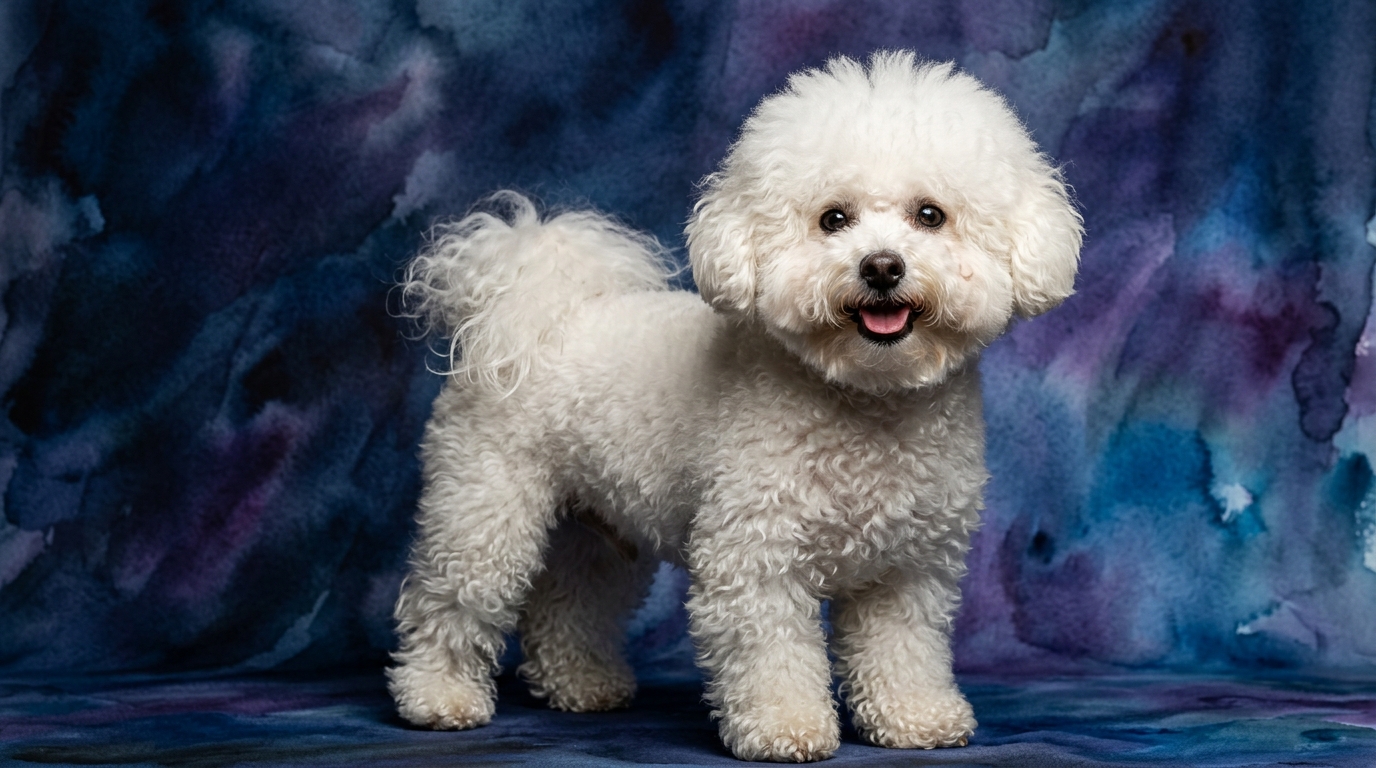
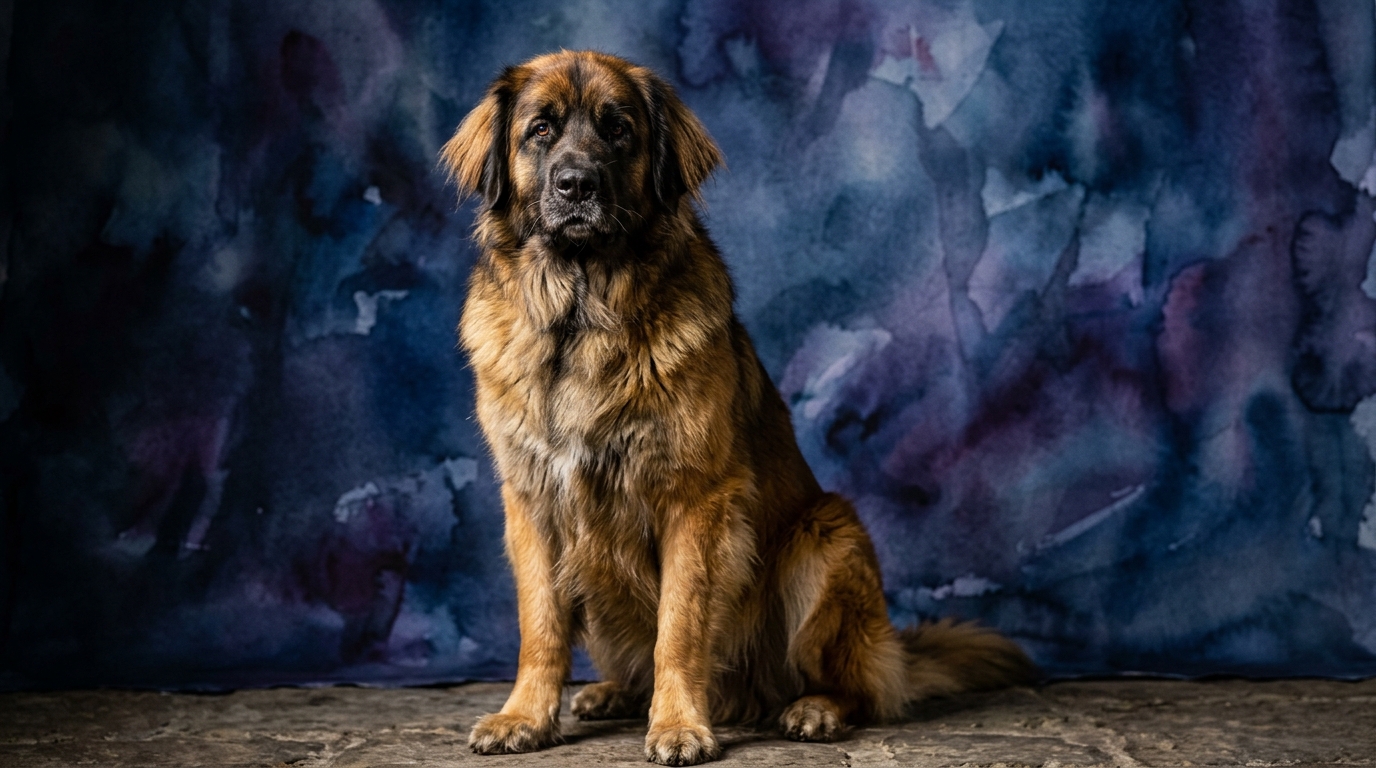
Side-by-Side IQ Profile: A Tale of Two Canines
The Cosmic Pet Pet IQ Lab employs a comprehensive five-dimensional framework to assess canine intelligence, revealing nuances beyond simple trainability. For both the Bichon Frisé and the Leonberger, their Problem Solving score stands at 3 out of 5, indicating neither breed demonstrates exceptional aptitude nor significant difficulty with novel challenges requiring independent thought. Similarly, their Training Speed is rated 3 out of 5, suggesting an average pace for acquiring and retaining new commands and behaviors. This parity in two core cognitive areas might initially suggest similar mental capabilities, but deeper analysis reveals distinct strengths.
Where the cognitive paths diverge significantly is in Social Intelligence, with the Bichon Frisé scoring a remarkable 5 out of 5, while the Leonberger registers a moderate 3 out of 5. This dimension gauges a breed's capacity to understand and respond to human social cues, emotions, and intentions. Furthermore, their Instinctive Drive, which measures a breed's inherent motivation to perform tasks or engage in breed-specific behaviors, shows the Bichon Frisé at a lower 2 out of 5 compared to the Leonberger's 3 out of 5. Finally, both breeds share a Memory score of 3 out of 5, indicating an average ability to recall experiences and learned information over time.
Where the Bichon Frisé Wins Cognitively
The Bichon Frisé's standout cognitive strength lies unequivocally in its Social Intelligence, scoring a perfect 5 out of 5. This exceptional aptitude means a Bichon Frisé is acutely sensitive to human non-verbal communication, capable of discerning subtle shifts in tone of voice, facial expressions, and body language. They possess an innate ability to "read" their human companions, often anticipating needs or moods, and responding with comforting presence or playful engagement. This high social acumen fosters remarkably strong emotional bonds, making them incredibly attuned companions who thrive on interactive connection and reciprocal affection. They excel at adapting their behavior to fit social contexts, demonstrating a sophisticated understanding of their place within the human family unit. This profound social understanding is a cornerstone of their personality, allowing them to integrate seamlessly into diverse household dynamics and provide unparalleled emotional support.
Where the Leonberger Wins Cognitively
While not dominating in any single cognitive dimension, the Leonberger demonstrates a slight advantage in Instinctive Drive, scoring 3 out of 5 compared to the Bichon Frisé's 2 out of 5. This moderate drive reflects their heritage as a working breed, even if their specific roles have evolved over time. An Instinctive Drive of 3/5 suggests a foundational readiness to engage with tasks that have a clear purpose, a certain innate motivation to 'do' rather than just 'be'. This manifests as a more inherent inclination towards activities that provide physical and mental engagement, such as structured walks, carrying items, or participating in obedience exercises with a job-like quality. While not a drive for complex problem-solving, it signifies a breed that appreciates having a role and the opportunity to channel its energy into directed activities, contributing to their steady and purposeful demeanor.
Which is Easier to Train and Why
When considering ease of training, the raw Training Speed score of 3 out of 5 for both breeds might suggest parity, but the critical differentiator is their Social Intelligence. The Bichon Frisé, with its superior 5/5 Social Intelligence, often appears easier to train because of its profound desire to please and its acute responsiveness to human cues. They are highly motivated by positive reinforcement that strengthens their bond with their owner and are quick to pick up on subtle feedback, making training sessions feel more like a collaborative dance. Their lower Instinctive Drive also means fewer distractions from independent pursuits, allowing them to focus intently on the trainer's directions.
Conversely, the Leonberger, despite the same 3/5 Training Speed, might present a different training experience due to its 3/5 Social Intelligence and 3/5 Instinctive Drive. While capable of learning at an average pace, they may not be as inherently motivated by subtle social approval alone. Their moderate instinctive drive means they might occasionally follow their own inclinations if not clearly and consistently guided. Training a Leonberger requires more deliberate communication, clear expectations, and consistent reinforcement, often leveraging their desire for a structured purpose. They may not be as eager to "read your mind" as a Bichon, necessitating a more direct and patient approach to achieve desired behaviors.
Active Owners vs. Relaxed Owners: A Lifestyle Match
The cognitive profiles of these two breeds offer clear guidance for owners with differing lifestyles. The Bichon Frisé, with its low Instinctive Drive (2/5) and exceptional Social Intelligence (5/5), is an ideal companion for more relaxed owners. Their primary cognitive need is social connection and interaction, not strenuous physical or mental challenges. They thrive in environments where they receive ample affection, gentle play, and are integrated into daily family life, adapting readily to apartment living or less active households. While they enjoy walks and playtime, their motivation isn't driven by an innate need for intense work or prolonged independent activity.
The Leonberger, on the other hand, with its moderate Instinctive Drive (3/5) and massive physical presence, is better suited for active owners. While their Problem Solving and Training Speed scores are average, their working breed heritage means they benefit significantly from consistent, purposeful activity. They are not content to be mere couch potatoes; they need regular exercise, opportunities for structured training, and mental engagement to prevent boredom and channel their natural drive. Owners who enjoy long walks, hiking, or even canine sports like draft work or obedience will find the Leonberger a willing and capable partner, appreciating the opportunity to utilize their steady physical and mental capacities.
The Verdict
Choose a Bichon Frisé if you desire a highly socially attuned, emotionally responsive companion who thrives on close connection and gentle interaction, perfectly suited for a more relaxed home environment that prioritizes companionship over intense activity.
Opt for a Leonberger if you are an active owner prepared to provide consistent training, ample physical activity, and appreciate a loyal, steady presence with a moderate drive for purposeful engagement, capable of being a gentle giant within a structured and engaging lifestyle.
🧠 Find Your Pet's IQ Score
Our Pet IQ Lab assessment covers 25+ tests across 5 cognitive dimensions — personalized to your breed.
Take the Full IQ Test →Frequently Asked Questions
Does the Bichon Frisé's high social intelligence make them clingy?
Their high social intelligence means they deeply value companionship and interaction, often leading to a strong bond with their family. While they thrive on attention, appropriate training and socialization can help prevent excessive clinginess, ensuring they are well-adjusted and comfortable even when their owners are briefly away.
Can a Leonberger live in a smaller home or apartment?
While Leonbergers are large, their moderate instinctive drive means they are often calm indoors if their exercise needs are met. However, their size alone necessitates ample space to move comfortably, and they still require consistent outdoor activity and mental stimulation to be content in any living situation.
How do their memory scores of 3/5 impact daily life?
A memory score of 3/5 indicates an average ability to recall past experiences and learned commands for both breeds. This means they will remember their training and routines, but consistent reinforcement and practice are still beneficial to maintain sharp recall, just like most dog breeds.