Side-by-Side IQ Profile: Bichon Frisé vs. Mastiff
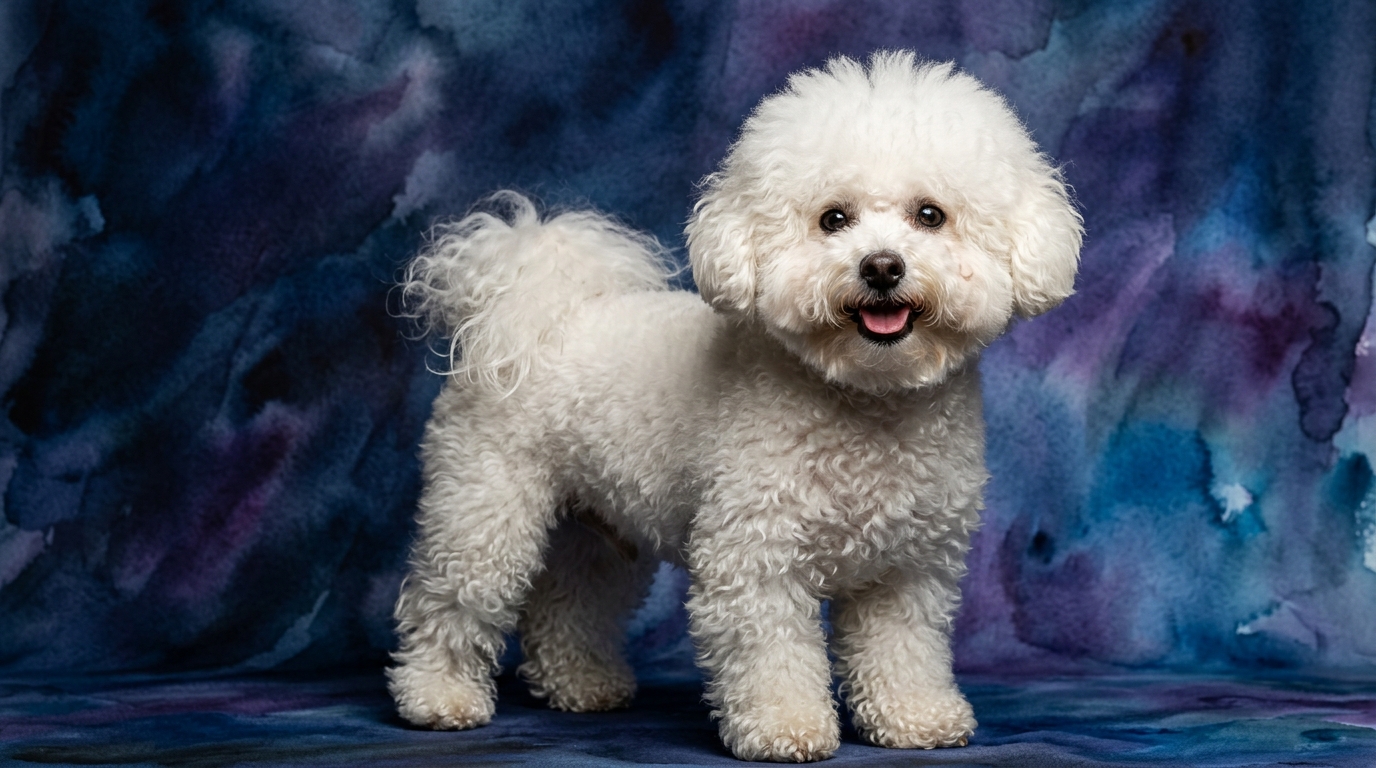
The Cosmic Pet Pet IQ Lab evaluates canine intelligence across five key dimensions, offering a nuanced view beyond simple obedience. For the Bichon Frisé, ranked #45 by Coren, its Problem Solving score is 3 out of 5, indicating a moderate ability to navigate novel situations, often relying on learned behaviors or owner cues. Its Training Speed, also 3 out of 5, suggests a consistent but not exceptionally rapid pace for acquiring new commands, requiring patience. The Bichon truly shines in Social Intelligence, earning a perfect 5 out of 5; this breed exhibits an exceptional capacity to understand human emotions and respond to subtle social cues, forming deep, reciprocal bonds. Its Instinctive Drive is a low 2 out of 5, meaning it possesses minimal inherent urges for activities like hunting or guarding, preferring companionship. Finally, its Memory is rated 3 out of 5, indicating a solid ability to recall commands, routines, and past experiences reliably.
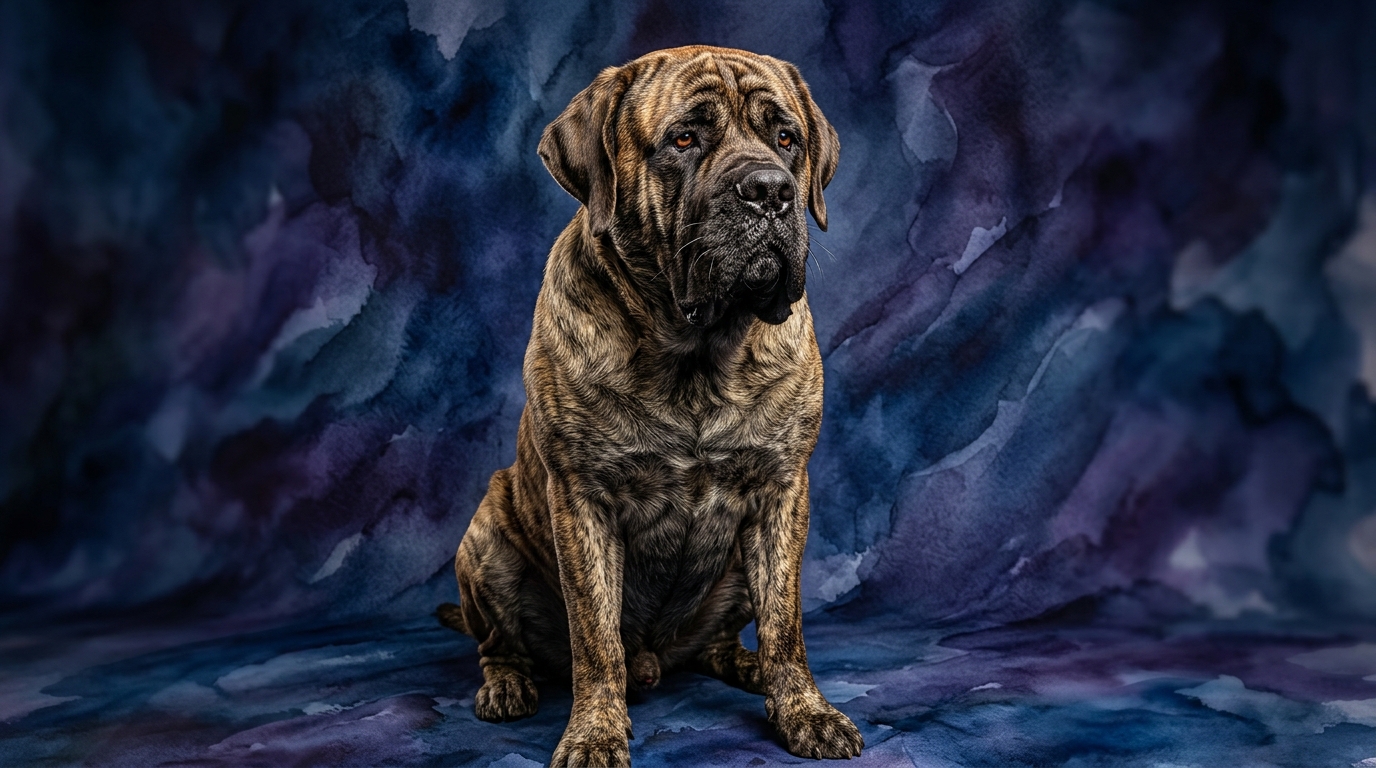
In contrast, the Mastiff, holding a Coren rank of #72, presents a different cognitive blueprint. Its Problem Solving ability is 3 out of 5, similar to the Bichon, suggesting a pragmatic approach to challenges where their physical presence or learned responses often suffice rather than complex, abstract thought. The Mastiff’s Training Speed also stands at 3 out of 5, implying a steady learning curve that benefits from calm, consistent methods, though they may not be the quickest to pick up every new trick. Their Social Intelligence is 3 out of 5, reflecting a capacity for connection and understanding within their family unit, but perhaps without the effusive, highly responsive social engagement seen in the Bichon; they are loyal and observant, though often more reserved. The Mastiff's Instinctive Drive is 3 out of 5, a moderate score that encompasses their historical role as guardians; they possess an inherent awareness of their surroundings and a protective inclination. Their Memory, like the Bichon, scores 3 out of 5, allowing them to retain training, recognize individuals, and remember routines reliably.
Where the Bichon Frisé Wins Cognitively
The Bichon Frisé distinctly excels in social cognition, scoring a perfect 5 out of 5 in Social Intelligence compared to the Mastiff's 3. This means a Bichon is far more adept at reading human emotions, understanding subtle body language, and adapting its behavior to suit social contexts, making them exceptionally empathetic and responsive companions. For instance, a Bichon is more likely to intuitively sense when an owner is feeling down and offer comfort. Their lower Instinctive Drive (2/5 vs. Mastiff's 3/5) also positions them to "win" in scenarios where a dog needs to be less independently driven by innate urges, making them less prone to chasing small animals or exhibiting strong guarding behaviors without redirection.
Where the Mastiff Wins Cognitively
While the Bichon shines socially, the Mastiff's cognitive profile, particularly its moderate Instinctive Drive (3/5 vs. Bichon's 2/5), grants it distinct advantages in certain real-world scenarios. This drive, rooted in their historical role as guardians, translates into a heightened environmental awareness and a calm, deliberate protective instinct. A Mastiff’s problem-solving, while rated similarly to the Bichon at 3/5, often manifests through their physical presence and a measured assessment of their surroundings; they might not solve a puzzle box faster, but they are more likely to calmly observe a new person or situation and react with considered judgment. This cognitive lean towards observational assessment and a measured response is a distinct advantage when a steady, watchful presence is paramount.
Which is Easier to Train and Why
Both the Bichon Frisé and the Mastiff share a Training Speed score of 3 out of 5, suggesting neither breed is exceptionally quick or slow to learn new commands. However, the Bichon Frisé's superior Social Intelligence (5/5) gives it a significant edge. A Bichon's profound desire to please and acute ability to read human cues mean it is often more motivated by positive reinforcement and praise, readily understanding what its human is asking. Conversely, while the Mastiff also has a 3/5 Training Speed, their more reserved Social Intelligence means they might not be as eager for repeated sessions driven purely by social reward. Their moderate Instinctive Drive (3/5) can also mean they are more prone to follow their own inclinations if not consistently guided, requiring a patient and consistent approach. For most owners, the Bichon’s social attunement generally makes it feel easier to train.
Which Suits Active Owners vs. Relaxed Owners
The cognitive profiles of the Bichon Frisé and Mastiff suggest they are suited for different owner lifestyles. The Bichon Frisé, with its high Social Intelligence (5/5) and lower Instinctive Drive (2/5), thrives on constant human companionship and engagement, making it an excellent fit for owners who are home frequently and enjoy interactive play. They enjoy learning new tricks and participating in family activities, but don't demand extensive physical exertion or complex mental challenges, adaptable as long as they receive ample social interaction.
The Mastiff, with its moderate scores across all dimensions, is better suited for owners who appreciate a calm, watchful presence rather than a high-energy companion. Their daily exercise needs are relatively modest, and their moderate Instinctive Drive, often expressed as a protective nature, aligns well with owners seeking a steadfast guardian. They require owners who respect their deliberate pace and reserved demeanor, providing a secure, predictable environment where their quiet loyalty can flourish without constant, demanding interaction.
The Verdict
Choose the Bichon Frisé if you desire an exceptionally socially attuned, emotionally responsive dog that thrives on constant interaction and is generally easier to train due to its eagerness to please.
Opt for the Mastiff if you appreciate a calm, dignified, and steadily loyal presence with a moderate protective instinct, suited for a more relaxed home environment that values quiet companionship over effusive interaction.
🧠 Find Your Pet's IQ Score
Our Pet IQ Lab assessment covers 25+ tests across 5 cognitive dimensions — personalized to your breed.
Take the Full IQ Test →Frequently Asked Questions
Does the Bichon Frisé's high social intelligence make it prone to separation anxiety?
Yes, a Bichon Frisé's exceptional social intelligence and strong bond with its family can make it more susceptible to developing separation anxiety if not properly trained and conditioned to tolerate alone time from a young age. Their deep need for companionship means they thrive best when integrated into daily family life.
Is a Mastiff's moderate instinctive drive solely focused on guarding?
While a Mastiff's instinctive drive certainly includes a protective element rooted in their guarding history, it also encompasses a general awareness of their environment and a tendency towards calm observation. It's not a high prey drive, but rather a measured responsiveness to their surroundings and family's well-being.
How do their memory scores of 3/5 impact their daily lives?
A memory score of 3/5 for both breeds indicates a solid, reliable capacity to recall commands, routines, and past experiences. This means they can remember house rules, recognize familiar faces, and retain training over time, making them consistent companions once lessons are established, though perhaps not remembering every single interaction or event.