Side-by-Side Cognitive Profiles: Bichon Frisé vs. Miniature Poodle
To truly understand these breeds, The Cosmic Pet Pet IQ Lab delves into five key cognitive dimensions:
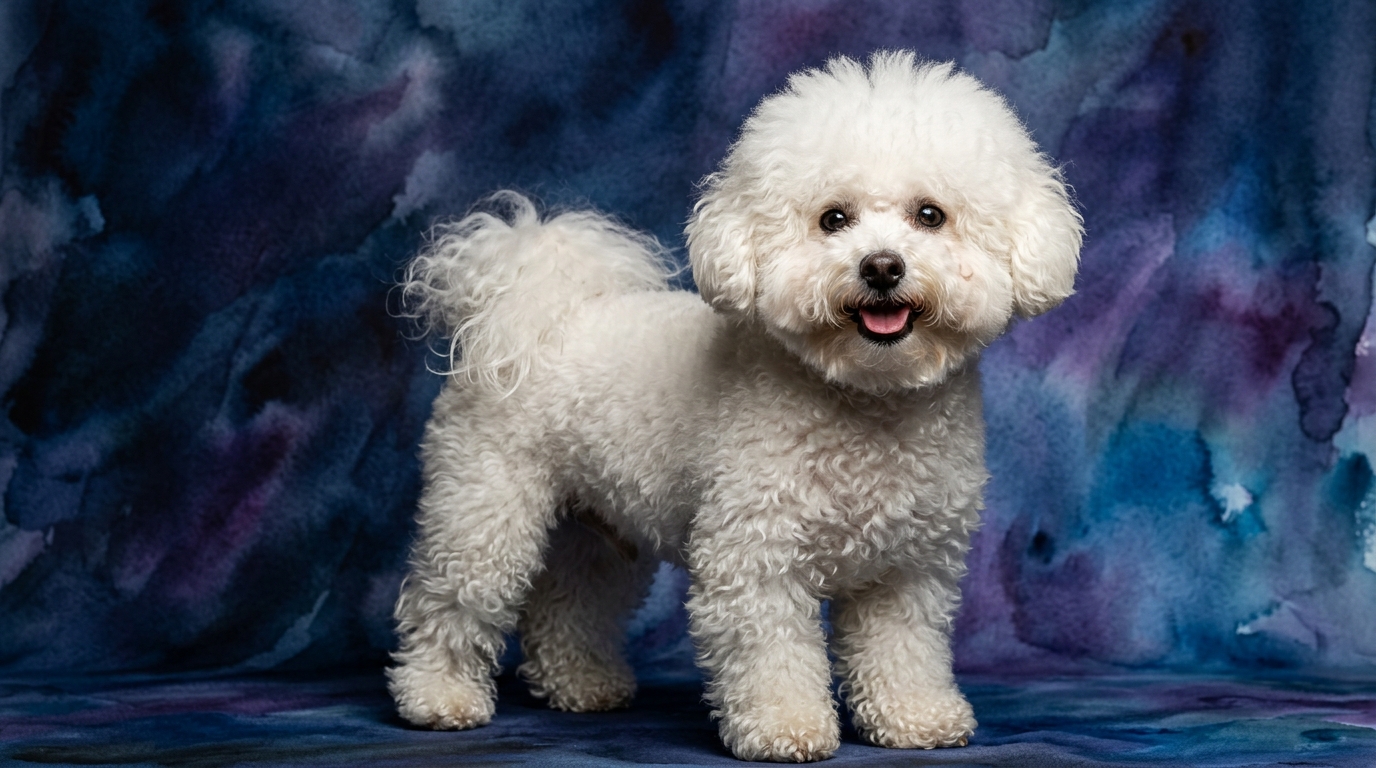
**Bichon Frisé (Non-Sporting, Coren rank #45):**
**Problem Solving (3/5):** Possessing a moderate capacity for navigating novel challenges, Bichons learn basic routines. They might require more guidance for complex tasks, often relying on learned patterns rather than spontaneous invention.
**Training Speed (3/5):** These cheerful dogs absorb new commands at a steady pace. Their motivation often stems from positive reinforcement and the desire to please, making consistency key to their learning trajectory.
**Social Intelligence (5/5):** This is where the Bichon shines, demonstrating exceptional understanding of human emotions and social cues. They are adept at forming strong bonds, sensing moods, and adapting their behavior to foster harmony within their human pack.
**Instinctive Drive (2/5):** With a low inherent drive for tasks like hunting or guarding, Bichons are primarily bred for companionship. Their cognitive focus is less on independent action driven by primal urges and more on social connection.
**Memory (3/5):** Bichons exhibit a solid, functional memory for routines, learned commands, and familiar faces. Consistent practice ensures retention of essential life skills and social bonds.
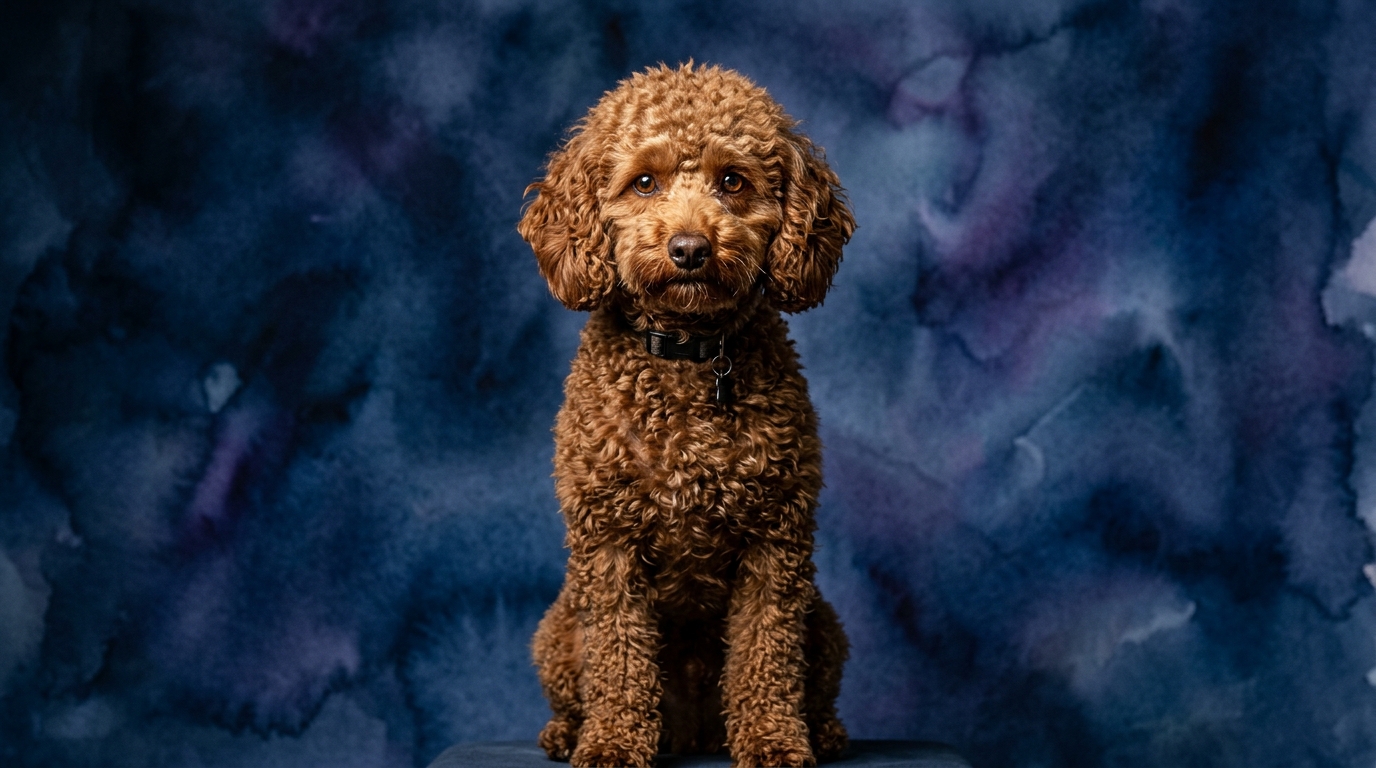
**Miniature Poodle (Non-Sporting, Coren rank #2):**
**Problem Solving (5/5):** The Miniature Poodle displays a formidable capacity for analytical thought and innovative solutions to new problems. They quickly grasp complex concepts and often devise strategies to achieve desired outcomes.
**Training Speed (5/5):** Poodles are renowned for their rapid acquisition of new skills and commands, often needing just a few repetitions to solidify a behavior. Their eagerness to learn and process information swiftly makes them exceptionally responsive.
**Social Intelligence (3/5):** While capable of deep affection, the Miniature Poodle's social intelligence is more focused on understanding hierarchies and routines than profound emotional attunement. They comprehend human communication effectively but might not possess the same intuitive empathy.
**Instinctive Drive (3/5):** Miniature Poodles retain a moderate level of instinctive drive, particularly for retrieving and water work, reflecting their historical working lineage. This drive can manifest as curiosity for exploration or engaging in structured activities.
**Memory (5/5):** Poodles possess an outstanding memory, allowing them to retain a vast repertoire of commands, complex sequences, and past experiences over extended periods. This cognitive strength contributes significantly to their training efficiency.
Where the Bichon Frisé Wins Cognitively
The Bichon Frisé truly excels in social intelligence, a perfect 5/5 score that profoundly shapes its interactions. This isn't just about being friendly; it's a sophisticated ability to read and respond to human emotions and subtle social cues. A Bichon can often sense a human's mood, offering comfort or understanding the nuances of communication, effectively acting as an emotional barometer. This profound attunement allows them to integrate seamlessly into family dynamics, fostering harmony and providing targeted companionship. Their cognitive focus lies in building deep, empathetic connections, making them remarkably intuitive companions in domestic settings, a distinct advantage for emotional support within a household.
Where the Miniature Poodle Wins Cognitively
The Miniature Poodle's cognitive strengths shine brightest in its problem-solving and exceptional memory, both rated 5/5. Their mind is a powerhouse for analytical thought and innovative solutions. They quickly grasp complex puzzles, learn multi-step routines, and understand cause-and-effect with remarkable speed. This involves actively processing information and applying it innovatively, such as figuring out how to open a gate or retrieve a stuck toy. Their outstanding memory allows them to retain a vast repertoire of commands and past solutions, making their learning cumulative and robust. This cognitive architecture enables them to excel in activities requiring sequential learning, strategy, and sustained mental effort.
Training Dynamics: Poodle's Efficiency vs. Bichon's Connection
For ease of training, the Miniature Poodle generally offers a more straightforward path, driven by its 5/5 problem-solving, training speed, and memory. Poodles typically absorb new commands with minimal repetitions, often demonstrating comprehension after just a few sessions. Their eagerness to engage their minds and retain information means they build a substantial vocabulary quickly. This efficiency stems from a cognitive architecture prioritizing data processing and retention, making them exceptionally responsive to structured learning. For example, a Poodle might master advanced obedience commands or complex trick sequences in a fraction of the time it takes a Bichon, due to their capacity for rapid assimilation and recall of information.
The Bichon Frisé, with 3/5 training speed and memory, requires a more patient, consistent approach. While certainly trainable and eager to please, Bichons benefit from more repetitions and a slower introduction of new concepts. Their training success leverages their social intelligence and desire for connection, making positive reinforcement crucial. A Bichon might learn "sit" reliably, but mastering a complex agility course or a series of chained behaviors would typically demand more time and concerted effort than for a Poodle. Their lower instinctive drive (2/5) also means they are less likely to spontaneously engage in exploratory or task-oriented behaviors that can be shaped into commands, relying more on direct instruction. Therefore, while both breeds are capable learners, the Poodle's inherent cognitive strengths make the training process generally quicker and more expansive for complex tasks.
Lifestyle Match: Active Engagement vs. Relaxed Companionship
The cognitive profiles of the Bichon Frisé and Miniature Poodle dictate different lifestyle compatibilities for prospective owners. The Miniature Poodle, with its high problem-solving (5/5), training speed (5/5), and outstanding memory (5/5), thrives with active owners who enjoy engaging in mentally stimulating activities. These dogs excel in dog sports like agility, obedience, rally, and even scent work, where their capacity for rapid learning, strategic thinking, and retention of complex sequences can be fully utilized. An owner who enjoys teaching new tricks, solving puzzle toys together, or participating in structured training classes will find a Poodle to be an exceptionally enthusiastic and capable partner. Their moderate instinctive drive (3/5) also provides a baseline curiosity and energy for exploration, making them suitable for owners who appreciate regular walks, hikes, or even a good game of fetch in a varied environment.
In contrast, the Bichon Frisé, with its stellar social intelligence (5/5) and lower instinctive drive (2/5), is often a better match for more relaxed owners who prioritize companionship and emotional connection over rigorous mental challenges. While they enjoy play and short walks, their cognitive strength lies in their ability to attune to human emotions and foster deep, empathetic bonds. A Bichon will thrive in a home where they receive ample affection, gentle interaction, and are integrated into daily family life, often content to cuddle on the couch or follow their human from room to room. Their moderate problem-solving (3/5) and training speed (3/5) mean they can certainly learn basic manners and tricks, but they won't demand the same level of complex mental engagement as a Poodle. Owners who seek a comforting, emotionally responsive companion dog, rather than a canine athlete or scholar, will find the Bichon Frisé’s cognitive makeup aligns perfectly with their lifestyle.
The Verdict
Choose the Bichon Frisé if your primary desire is an emotionally intuitive, deeply empathetic companion dog that excels at social connection and enriches the emotional fabric of your home.
Opt for the Miniature Poodle if you seek a highly trainable, cognitively agile partner eager for mental challenges, capable of mastering complex tasks, and thriving in structured activities.
🧠 Find Your Pet's IQ Score
Our Pet IQ Lab assessment covers 25+ tests across 5 cognitive dimensions — personalized to your breed.
Take the Full IQ Test →Frequently Asked Questions
Are Bichon Frisés difficult to train?
Bichon Frisés are not difficult to train, but they learn at a moderate pace (3/5 training speed) and benefit from consistent, positive reinforcement. Their strong social intelligence means they respond well to training that strengthens their bond with their owner, but they may require more repetition than a Miniature Poodle for new commands.
Can a Miniature Poodle be a good family dog, given its lower social intelligence score?
Absolutely. While their social intelligence is rated 3/5 compared to the Bichon's 5/5, Miniature Poodles are still affectionate and form strong bonds with their families. Their capacity for understanding routines and their eagerness to please make them wonderful family members, though they might not possess the same intuitive emotional attunement as a Bichon.
Which breed is better for first-time dog owners?
Both breeds can be suitable for first-time owners, but their needs differ. A Bichon Frisé might be slightly easier for a first-timer seeking a less demanding intellectual companion, excelling in social integration. A Miniature Poodle is excellent for a first-timer willing to invest time in consistent, engaging training to harness their sharp mind.