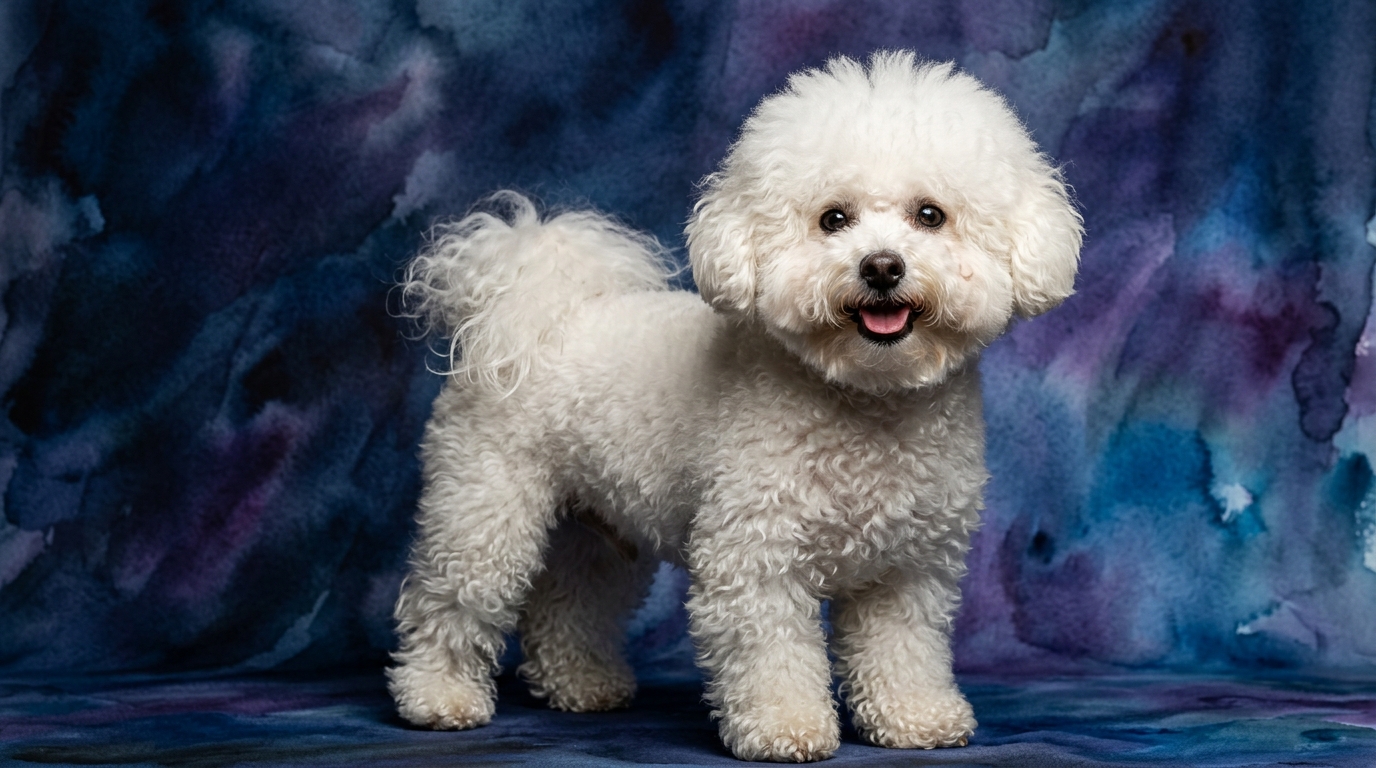
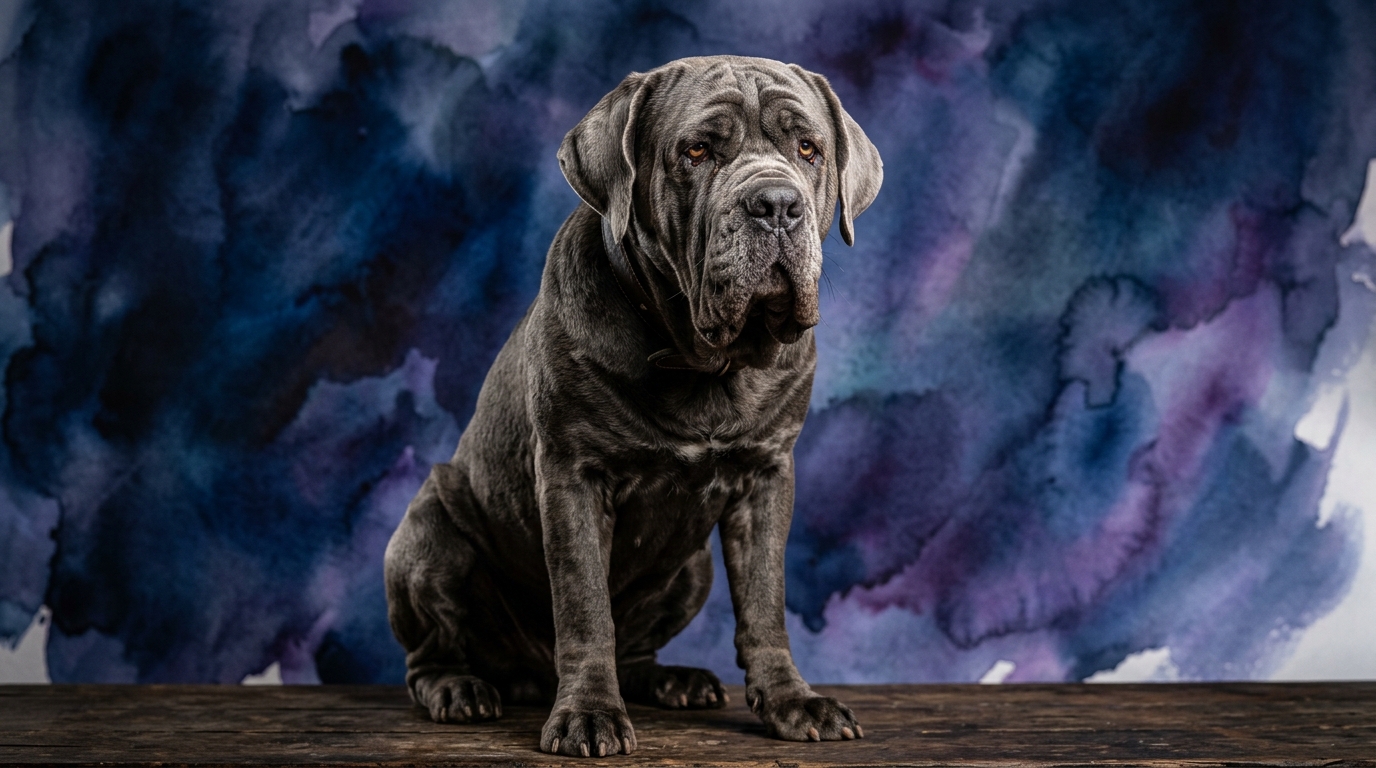
Side-by-side IQ Profile: Bichon Frisé vs. Neapolitan Mastiff
The Cosmic Pet Pet IQ Lab employs a five-dimensional framework to assess canine cognition, offering a nuanced look at how different breeds process the world. Here’s how the Bichon Frisé and Neapolitan Mastiff stack up.
For the Bichon Frisé (Non-Sporting, Coren rank #45): Problem Solving (3/5) indicates a competent ability to navigate new situations and figure out solutions to moderate challenges, such as manipulating simple latches or finding hidden treats, without being a master strategist. Training Speed (3/5) suggests they pick up new commands and routines at a steady, consistent pace, responding well to positive reinforcement. Social Intelligence (5/5) is a standout, reflecting an exceptional attunement to human emotions, body language, and social dynamics, allowing them to form deep bonds and integrate seamlessly into family life. Instinctive Drive (2/5) is relatively low, meaning their natural urges for hunting, guarding, or herding are minimal, superseded by their desire for companionship. Memory (3/5) shows a solid, average capacity, enabling them to recall learned commands, routines, and familiar individuals over time.
For the Neapolitan Mastiff (Working, Not Coren-ranked): Problem Solving (3/5) mirrors the Bichon, displaying a moderate capacity for assessing situations and finding practical solutions, often with a thoughtful, deliberate approach. Training Speed (3/5) also aligns, indicating they learn at a consistent rate, though their training requires patience, consistency, and a clear understanding of their motivations. Social Intelligence (3/5) is competent; they form strong, loyal bonds with their family but can be more reserved or discerning, especially with strangers, prioritizing loyalty within their inner circle. Instinctive Drive (3/5) is moderate, primarily expressed through strong protective and territorial instincts, a foundational aspect of their breed purpose, signifying a natural inclination to guard. Memory (3/5) is reliable and average, crucial for their role as guardians, allowing them to distinguish between familiar and unfamiliar individuals and recall past interactions.
Where the Bichon Frisé Wins Cognitively
The Bichon Frisé undeniably excels in social intelligence, scoring a perfect 5/5. This translates into an unparalleled capacity for emotional connection and adaptability within human families. A Bichon is adept at reading the subtle shifts in a person's mood or tone, often responding with comforting nudges or playful antics precisely when needed. This isn't just about being friendly; it's a sophisticated understanding of social cues that allows them to seamlessly integrate into various household dynamics, making them incredibly intuitive companions. Their ability to anticipate a family member's return or sense a child's distress exemplifies this cognitive strength, creating a truly symbiotic relationship with their human counterparts.
Where the Neapolitan Mastiff Wins Cognitively
While both breeds share a 3/5 in instinctive drive, the Neapolitan Mastiff's expression of this drive is distinctly advantageous for its intended purpose. For this guardian breed, a moderate instinctive drive manifests as a deep-seated protective instinct, a finely tuned awareness of their surroundings, and a readiness to act as a deterrent. Unlike the Bichon's minimal drive, the Mastiff's 3/5 means they are naturally inclined to survey their territory, discern potential threats, and stand guard, without necessarily being overly reactive or prone to excessive prey drive. This cognitive predisposition makes them naturally vigilant and discerning protectors, a core aspect of their ancient lineage, providing a steady, watchful presence that owners rely upon.
Which is Easier to Train and Why
Both the Bichon Frisé and the Neapolitan Mastiff share an identical 3/5 score in Training Speed, suggesting they learn new commands at a similar pace. However, the *experience* of training them can differ significantly, largely due to their disparate social intelligence scores. The Bichon’s 5/5 social intelligence means they are acutely focused on their human handler, eager to please, and highly responsive to subtle feedback, including vocal tone and body language. This makes them feel more "biddable" and cooperative during sessions, as they are actively trying to understand and meet expectations. Their inherent desire for companionship further motivates them to engage in joint activities like training, making the process feel more intuitive and rewarding for the owner.
In contrast, the Neapolitan Mastiff, with a 3/5 social intelligence, will certainly learn, but their motivation might be more internal or tied to a deep, established bond rather than an overt eagerness to please every social cue. Training a Mastiff requires a strong, consistent leader who earns their respect; they are less likely to respond to casual requests and more to clear, confident direction. While they possess the cognitive capacity to learn, their training often feels more like a negotiation than a collaborative dance, demanding more patience and a firm, fair approach from their owner. Their problem-solving score of 3/5 means they can figure out what is being asked, but their overall demeanor, rooted in their guardian nature, might lend a different feel to the training journey compared to the more socially-driven Bichon.
Which Suits Active Owners vs. Relaxed Owners
For owners seeking a highly interactive and mentally stimulating companion for an active lifestyle, the Bichon Frisé, despite its physical size, is often a surprisingly good fit. Their exceptional social intelligence (5/5) means they thrive on engaging with their family, participating in activities that involve interaction, puzzle toys, and learning new tricks. While their instinctive drive is low (2/5), making them less inclined towards independent hunting or herding, their eagerness to engage socially means they enjoy activities like agility, obedience, or simply being involved in family outings. They require consistent mental stimulation through interaction to prevent boredom, making them suitable for owners who enjoy dedicating time to play, training, and companionship, ensuring their cognitive needs are met.
The Neapolitan Mastiff, while requiring regular exercise to maintain health, generally suits a more relaxed or deliberate pace of life. Their moderate instinctive drive (3/5) is focused on guardianship rather than high-energy pursuits, and their problem-solving (3/5) and memory (3/5) are geared towards understanding and managing their territory. They are thoughtful and observant, preferring to survey their domain from a comfortable spot rather than constantly seeking active engagement. Owners who appreciate a calm, watchful presence and are prepared for a dog that matures slowly and requires consistent, patient guidance will find a compatible partner in the Neapolitan Mastiff. They are not dogs for spontaneous, high-energy adventures but rather for a stable, predictable routine with ample, controlled outdoor time and a strong, confident leader.
The Verdict
Choose the Bichon Frisé if you prioritize an exceptionally socially intelligent companion who thrives on close interaction and easily adapts to family life, offering constant engagement and emotional responsiveness.
Choose the Neapolitan Mastiff if you value a loyal, thoughtful guardian with a strong, inherent protective instinct, suitable for a more deliberate lifestyle and owners who appreciate a calm, watchful presence.
🧠 Find Your Pet's IQ Score
Our Pet IQ Lab assessment covers 25+ tests across 5 cognitive dimensions — personalized to your breed.
Take the Full IQ Test →Frequently Asked Questions
Do Bichon Frisés need a lot of mental stimulation?
Yes, while not needing intense physical exertion, Bichon Frisés benefit greatly from consistent mental stimulation due to their high social intelligence. They thrive on interactive games, learning new tricks, and being involved in family activities to keep their minds engaged and prevent boredom, ensuring their emotional and cognitive needs are met.
Are Neapolitan Mastiffs difficult to train because of their size?
Neapolitan Mastiffs are not inherently difficult to train, sharing a 3/5 training speed with Bichons, but their training requires patience, consistency, and a confident leader. Their social intelligence is more discerning, meaning they respond best to clear direction and a strong, established bond rather than constant social cues, regardless of their impressive size.
Which breed is better for a first-time dog owner?
The Bichon Frisé is generally more forgiving for a first-time owner due to their high social intelligence and eagerness to please, making training feel more intuitive. The Neapolitan Mastiff, while loyal, requires an owner experienced with large, protective breeds who can provide consistent leadership and early socialization to manage their strong guardian instincts effectively.