Side-by-Side IQ Profile: Unpacking Their Minds
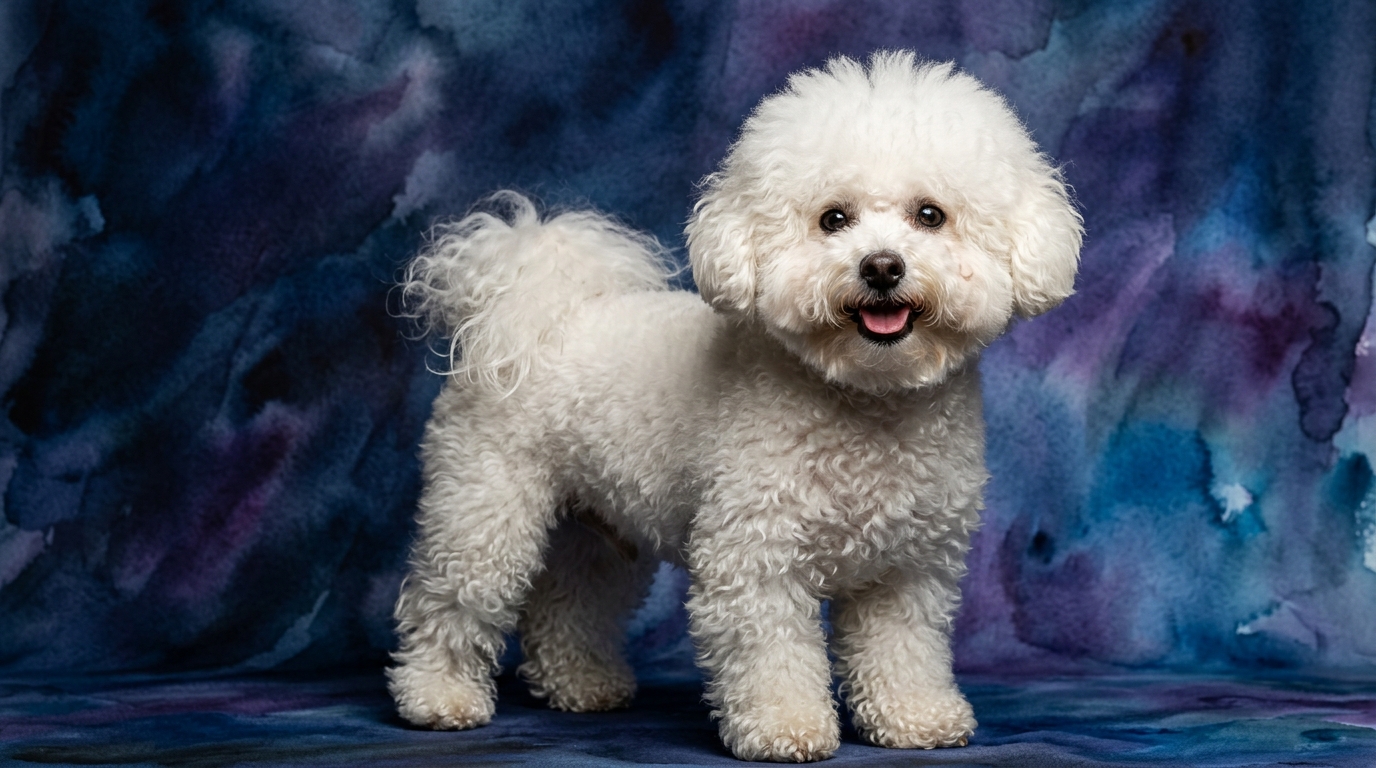
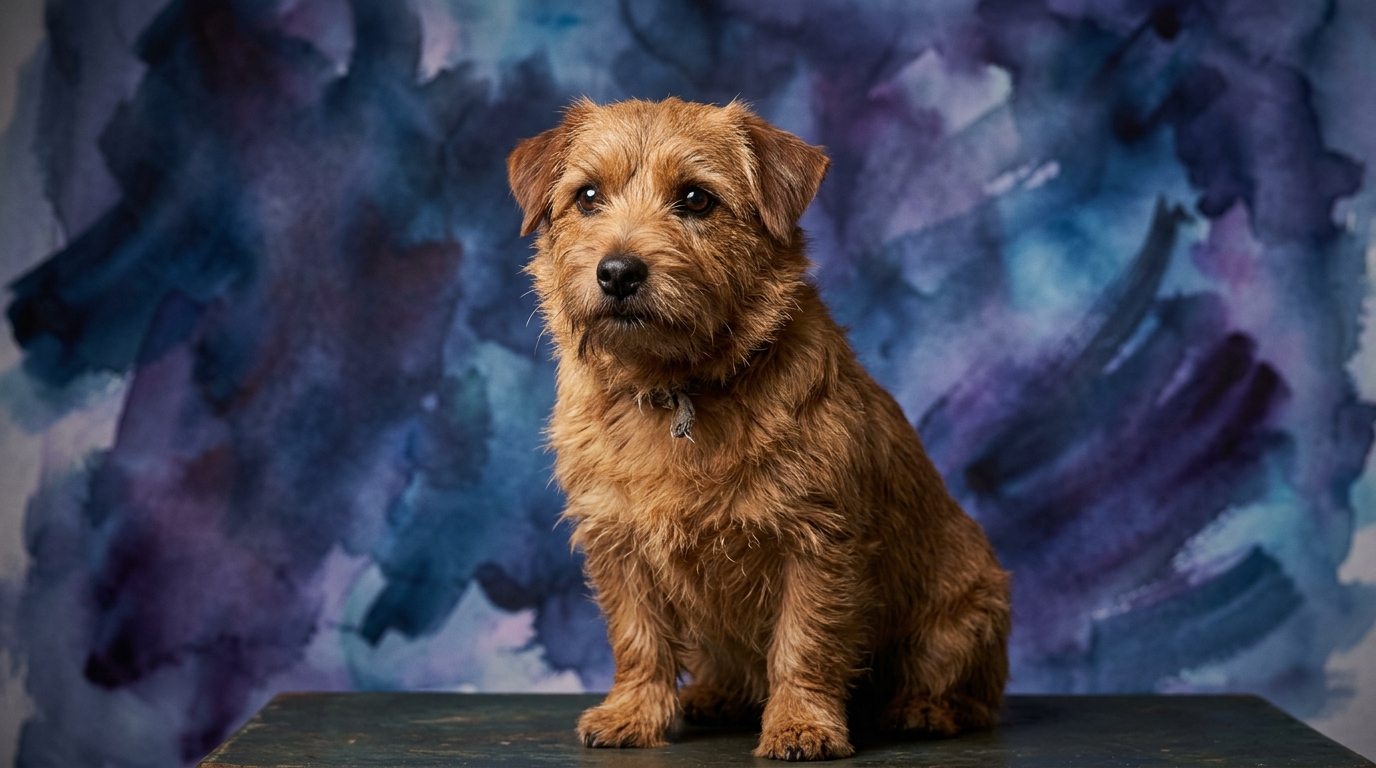
At The Cosmic Pet Pet IQ Lab, we analyze canine intelligence across five key dimensions, offering a granular view of each breed's cognitive strengths. For the Bichon Frisé, ranked #45 by Coren, and the unranked Norfolk Terrier, these metrics illuminate their distinct mental architectures.
The Bichon Frisé demonstrates a Problem Solving capacity of 3/5, indicating a moderate ability to navigate novel situations or figure out puzzles. Their Training Speed also scores 3/5, suggesting they absorb new commands at an average pace. Where the Bichon truly shines is in Social Intelligence, earning a remarkable 5/5, reflecting an exceptional capacity to understand and respond to human emotions and social cues. Their Instinctive Drive is lower at 2/5, meaning they are less compelled by primal urges like hunting or territoriality, while their Memory stands at a moderate 3/5.
In contrast, the Norfolk Terrier shares some cognitive similarities but diverges significantly in other areas. They also score 3/5 in Problem Solving and 3/5 in Training Speed, suggesting a similar baseline for learning new tasks and adapting to new challenges. However, their Social Intelligence is a more moderate 3/5, indicating a solid but less intense focus on human social dynamics compared to the Bichon. Their Instinctive Drive is rated 3/5, reflecting a stronger inherent urge for activities like digging, chasing, or exploring, typical of their terrier lineage. Like the Bichon, their Memory is also a 3/5, showing an average ability to retain learned information and experiences.
Where the Bichon Frisé Excels Cognitively
The Bichon Frisé's standout cognitive strength lies unequivocally in their exceptional Social Intelligence, scoring a perfect 5/5. This isn't merely about being affectionate; it's a deep-seated capacity to read human moods, interpret subtle cues, and adapt their behavior to foster harmony within their human family. A Bichon will often seem to anticipate their owner's needs, offering comfort during sadness or engaging in playful antics when sensing a need for levity.
This heightened social awareness allows Bichons to form incredibly strong, empathetic bonds. They are not just present; they are actively engaged in the emotional landscape of their household, making them extraordinarily responsive companions. Their low Instinctive Drive (2/5) complements this, meaning they are rarely distracted by primal urges to chase, hunt, or assert dominance, allowing them to remain highly focused on human interaction and social connection. This combination fosters a dog that is remarkably attuned to domestic life and the nuances of human relationships, often thriving in roles where emotional support or companionship is paramount.
Where the Norfolk Terrier Shines Cognitively
The Norfolk Terrier's cognitive profile, while sharing moderate Problem Solving and Training Speed with the Bichon, truly distinguishes itself through its moderate Instinctive Drive (3/5). This isn't a higher score in every dimension, but it represents a different kind of cognitive strength—a tenacious, self-reliant spirit that is deeply rooted in their terrier heritage. This drive manifests as a keen curiosity about their environment, a persistent approach to exploration, and a spirited determination to engage with the world on their own terms.
Unlike the Bichon's human-centric focus, the Norfolk Terrier's cognitive strengths lean towards independent engagement and a robust interaction with their physical surroundings. Their moderate instinctive drive means they possess a natural inclination to investigate, to follow interesting scents, and to approach challenges with a certain 'terrier grit.' This inherent drive, combined with their moderate Problem Solving (3/5), equips them to be resourceful and persistent, often demonstrating cleverness in navigating their environment or achieving a desired outcome through sheer determination. They are dogs who appreciate a challenge and are often driven by an internal motivation to explore and interact with their world actively.
Training Dynamics: Which is Easier and Why?
Both the Bichon Frisé and the Norfolk Terrier share a Training Speed score of 3/5, suggesting they learn new commands at a similar moderate pace. However, the 'ease' of training often comes down to *how* they are motivated and *what* makes them tick, highlighting their other cognitive differences. The Bichon Frisé, with its exceptional Social Intelligence (5/5), tends to be perceived as easier to train for many owners. Their innate desire to please and deep attunement to human approval make them highly responsive to positive reinforcement, especially when it involves praise and connection with their handler. Their lower Instinctive Drive (2/5) means fewer internal distractions from primal urges, allowing them to focus more intently on the trainer's instructions and the social reward of successful learning.
The Norfolk Terrier, while equally capable of learning at a 3/5 speed, presents a different training dynamic. Their moderate Social Intelligence (3/5) means they are less driven purely by human approval; they often require more compelling motivation, such as engaging games, varied tasks, or high-value treats that appeal to their more independent and driven nature. Their stronger Instinctive Drive (3/5) means training sessions need to be structured to capture and hold their attention, channeling their natural curiosity and determination rather than letting it lead to independent exploration or digging. Consistency, patience, and creative, engaging methods are key to harnessing a Norfolk's focus, turning their spirited independence into a valuable asset in the learning process.
Owner Suitability: Active vs. Relaxed Lifestyles
Considering their distinct cognitive profiles, the Bichon Frisé and Norfolk Terrier naturally align with different owner lifestyles. The Bichon Frisé, with its profound Social Intelligence (5/5) and lower Instinctive Drive (2/5), is an ideal companion for more relaxed owners or those seeking a deeply connected, empathetic presence. They thrive on companionship, indoor play, and moderate daily walks, adapting well to apartment living or homes where their primary role is that of a devoted family member. Their contentment stems from being central to family activities and receiving ample attention, rather than requiring extensive outdoor adventures or a 'job' to fulfill primal urges.
Conversely, the Norfolk Terrier, with its moderate Instinctive Drive (3/5) and spirited independence, is better suited for more active owners who appreciate a dog with a zest for exploration. While not hyperactive, they benefit significantly from consistent mental and physical stimulation that taps into their terrier heritage. Regular walks with opportunities to sniff and explore, engaging puzzle toys, or even participation in dog sports like earthdog trials or agility can prevent boredom and channel their determination constructively. They are excellent companions for individuals or families who enjoy outdoor activities and can provide a varied, stimulating environment for a dog that enjoys having a purpose.
The Verdict
Choose the Bichon Frisé if your home seeks a highly empathetic, emotionally responsive companion who thrives on social connection and is content with a more relaxed, companionship-focused lifestyle.
Opt for the Norfolk Terrier if you desire a spirited, independent companion with a keen sense of adventure, who benefits from engaging activities and appreciates an owner with a more active approach to dog ownership.
🧠 Find Your Pet's IQ Score
Our Pet IQ Lab assessment covers 25+ tests across 5 cognitive dimensions — personalized to your breed.
Take the Full IQ Test →Frequently Asked Questions
Are Bichon Frisé good therapy dogs?
Yes, their exceptional Social Intelligence (5/5) makes them highly attuned to human emotions and incredibly empathetic, allowing them to provide significant comfort and support in therapy settings.
Do Norfolk Terriers bark a lot due to their instinctive drive?
Norfolk Terriers do possess a moderate Instinctive Drive (3/5) which includes an alerting tendency, so they can be prone to barking at novel sights or sounds. However, consistent training and proper management can help mitigate excessive barking.
How do their memory capacities compare?
Both the Bichon Frisé and the Norfolk Terrier exhibit a moderate memory capacity, scoring 3/5. This indicates they retain learned behaviors and experiences at a similar, average pace, making consistent training beneficial for both breeds.