A Side-by-Side Cognitive Profile
At The Cosmic Pet Pet IQ Lab, we dissect canine intelligence into five core dimensions: problem-solving, training speed, social intelligence, instinctive drive, and memory. While both the Bichon Frisé and the Norwich Terrier share some common ground, their unique breed heritages manifest in distinct cognitive strengths.
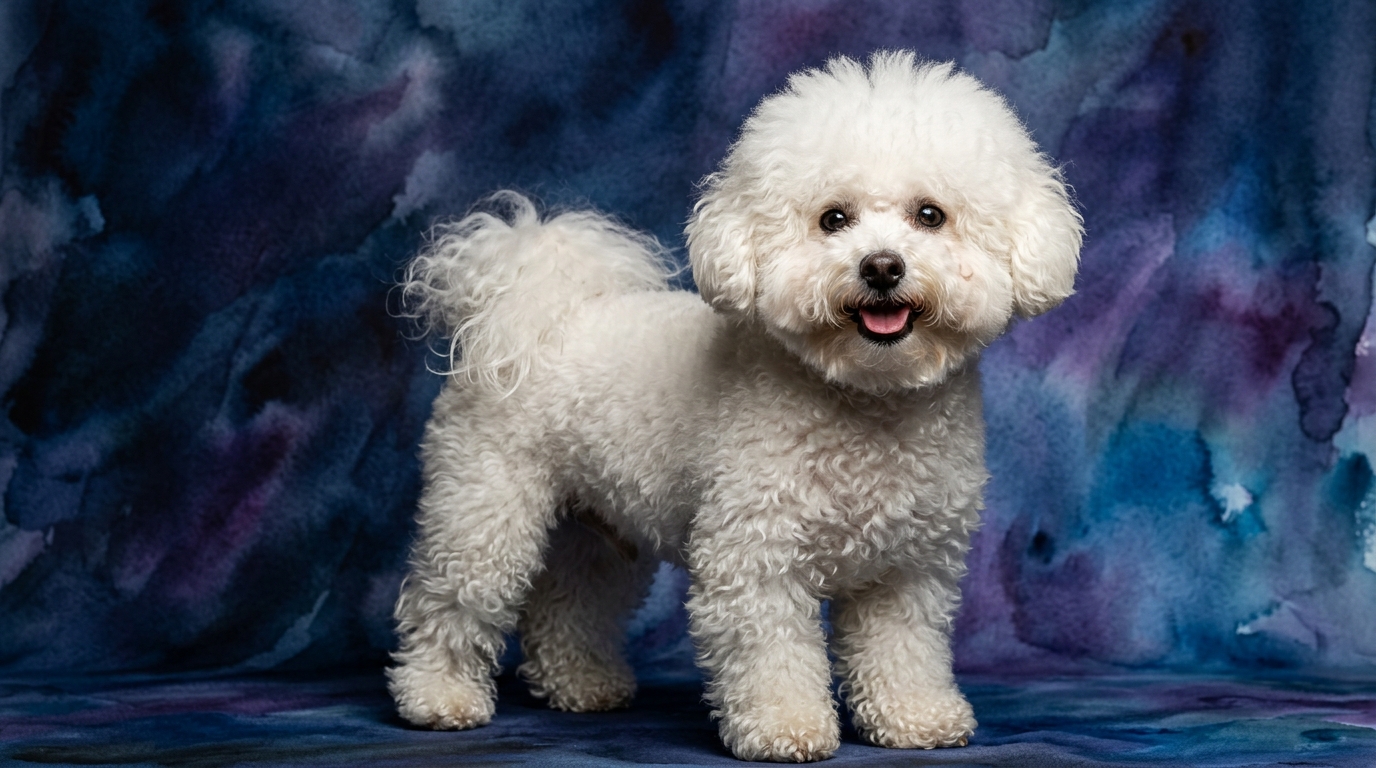
The Bichon Frisé, a Non-Sporting Group member, demonstrates a Problem Solving score of 3 out of 5, indicating a moderate capacity for navigating novel challenges or figuring out puzzles. Their Training Speed also stands at 3 out of 5, suggesting they grasp new commands and routines at an average pace. Where the Bichon truly shines is in Social Intelligence, scoring an impressive 5 out of 5, reflecting an exceptional ability to interpret human cues, adapt to social situations, and form strong relational bonds. Their Instinctive Drive is lower at 2 out of 5, meaning they possess less inherent motivation for independent hunting, herding, or guarding behaviors. Memory for the Bichon Frisé is rated at 3 out of 5, allowing them to retain learned information and past experiences adequately. Notably, the Bichon Frisé holds a respectable Coren rank of #45.
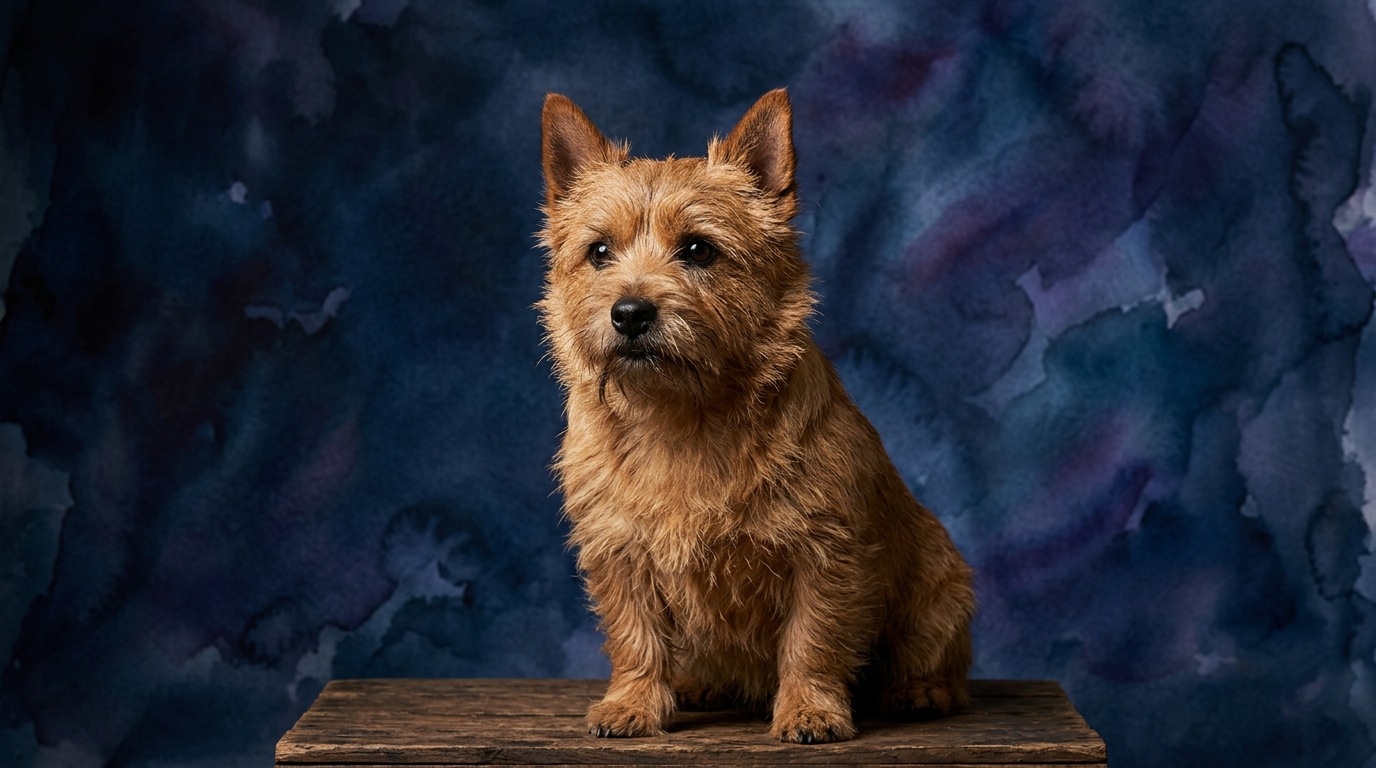
In contrast, the Norwich Terrier, from the Terrier Group, presents a slightly different cognitive fingerprint. Their Problem Solving ability matches the Bichon at 3 out of 5, showing a similar moderate aptitude for tackling mental obstacles. Training Speed for the Norwich also registers at 3 out of 5, indicating a comparable rate of learning new skills. However, their Social Intelligence is rated at 3 out of 5, suggesting they are responsive and capable of connection but perhaps not as acutely attuned to human emotional nuances as the Bichon. The Norwich Terrier's Instinctive Drive is higher at 3 out of 5, a characteristic often seen in terrier breeds, reflecting a more pronounced innate motivation for activities like digging, chasing, or exploring independently. Their Memory score is 3 out of 5, on par with the Bichon, allowing for solid retention of learned behaviors and environmental details. The Norwich Terrier does not have a Coren ranking, making our specific IQ lab scores particularly valuable for comparison.
Where the Bichon Frisé Cognitively Excels
The Bichon Frisé's standout cognitive strength lies unequivocally in their Social Intelligence, achieving a perfect 5 out of 5. This score signifies an extraordinary capacity to understand and respond to human emotions, body language, and vocal inflections. A Bichon will often seem to anticipate their owner's moods, offering comfort or initiating play with remarkable timing. This acute social awareness fosters deep, empathetic bonds, making them exceptionally attuned companions.
This elevated social intelligence means a Bichon Frisé is often highly motivated by human interaction and approval. They thrive in environments where they are central to family life, demonstrating a sophisticated ability to integrate into the social dynamics of a household. Their strong desire for connection and their perceptive nature can translate into subtle communication, where a glance or a slight shift in posture from their human companion can convey significant meaning to the Bichon, guiding their behavior and responses.
Where the Norwich Terrier Cognitively Excels
The Norwich Terrier's distinct cognitive advantage emerges in their Instinctive Drive, scoring 3 out of 5 compared to the Bichon’s 2 out of 5. While not an extreme score, this higher drive indicates a more robust intrinsic motivation to engage with their environment through natural behaviors like exploring, digging, and pursuing small prey. This isn't just about physical activity; it reflects a cognitive persistence and a keen interest in their surroundings.
This elevated instinctive drive means a Norwich Terrier often exhibits a tenacious problem-solving approach rooted in their breed's history. When faced with a perceived challenge, such as a hidden toy or an interesting scent, they are more likely to apply sustained effort and independent thought to achieve their objective. This cognitive trait can manifest as a determined spirit, a willingness to investigate and a proactive engagement with their world, often without requiring constant human prompting, offering a different flavor of intellectual engagement.
Training: Cooperation vs. Tenacity
When considering ease of training, both the Bichon Frisé and the Norwich Terrier share a Training Speed score of 3 out of 5, suggesting they learn new commands at a moderate pace. However, their differing social intelligence and instinctive drives create distinct training experiences. The Bichon Frisé, with its superior Social Intelligence (5/5), often approaches training with a strong desire to please and an acute understanding of human expectations. This means they are highly receptive to positive reinforcement, often responding well to praise and attention as rewards, making them generally cooperative pupils.
Conversely, the Norwich Terrier’s higher Instinctive Drive (3/5) can introduce both advantages and challenges. While they are equally capable of learning at a moderate pace, their innate drive for independent exploration or chasing can sometimes override their focus on training commands. This terrier tenacity means a Norwich might require more consistent, engaging, and varied training methods to maintain their attention, especially in distracting environments. Success with a Norwich often hinges on making training feel like a stimulating game that taps into their natural curiosity and drive, rather than a mere repetition of commands. Their problem-solving (3/5) is equal to the Bichon, so when engaged, they are capable of figuring things out, but the engagement strategy differs.
Lifestyle Match: Active Engagement vs. Social Companionship
The cognitive profiles of these two breeds suggest different ideal lifestyles. The Bichon Frisé, with its exceptional Social Intelligence (5/5) and lower Instinctive Drive (2/5), is often an ideal companion for owners who prioritize close companionship and social interaction. They thrive in environments where they can be central to family activities, enjoying quiet evenings as much as gentle walks. Their moderate problem-solving and training speed mean they can learn tricks and routines, but their primary cognitive fulfillment comes from their bond with their humans. They are well-suited for relaxed owners who appreciate a perceptive, emotionally responsive canine presence and can provide consistent, loving attention without requiring intense physical or mental exertion.
The Norwich Terrier, with its higher Instinctive Drive (3/5) and moderate Social Intelligence (3/5), aligns well with more active owners who appreciate a dog with a spirited, independent streak. While they enjoy family life, their cognitive makeup suggests a greater need for purposeful engagement that satisfies their innate drives. Owners who enjoy outdoor adventures, engaging in dog sports, or providing regular opportunities for exploration and 'work' will find a Norwich Terrier to be a rewarding partner. Their moderate problem-solving capacity, combined with their tenacity, means they enjoy challenges and benefit from consistent mental stimulation, making them suitable for owners who are prepared to actively direct and channel their inherent terrier energy and curiosity.
The Verdict: Choosing Your Canine Companion
Choosing between a Bichon Frisé and a Norwich Terrier comes down to aligning their distinct cognitive strengths with your lifestyle and expectations.
The Verdict
Choose the Bichon Frisé if you seek an exceptionally socially intelligent companion who thrives on close interaction and easily integrates into a family-centric, relaxed lifestyle, prioritizing emotional connection over independent drive.
Opt for the Norwich Terrier if you appreciate a tenacious, spirited dog with a moderate instinctive drive that benefits from active engagement, outdoor exploration, and an owner willing to channel their inherent terrier curiosity and independence.
🧠 Find Your Pet's IQ Score
Our Pet IQ Lab assessment covers 25+ tests across 5 cognitive dimensions — personalized to your breed.
Take the Full IQ Test →Frequently Asked Questions
Are Bichon Frisés difficult to train?
Bichon Frisés have a moderate training speed (3/5) and exceptional social intelligence (5/5), which generally makes them cooperative and eager to please during training. Their strong desire for human approval means they often respond very well to positive reinforcement and consistent methods, making them not inherently difficult to train for most owners.
Do Norwich Terriers need a lot of mental stimulation?
Yes, Norwich Terriers, with their 3/5 instinctive drive and moderate problem-solving skills, benefit significantly from mental stimulation. Their terrier nature means they enjoy activities that engage their curiosity, such as puzzle toys, training challenges, or scent work, to prevent boredom and satisfy their innate drives.
Which breed is better with children, based on their IQ profile?
Based purely on their IQ profiles, the Bichon Frisé's 5/5 social intelligence suggests a higher natural aptitude for understanding and adapting to social dynamics, potentially making them more intuitively gentle and responsive with children. The Norwich Terrier, while capable of forming bonds, may require more guidance to ensure their higher instinctive drive is appropriately managed in a family with young children.