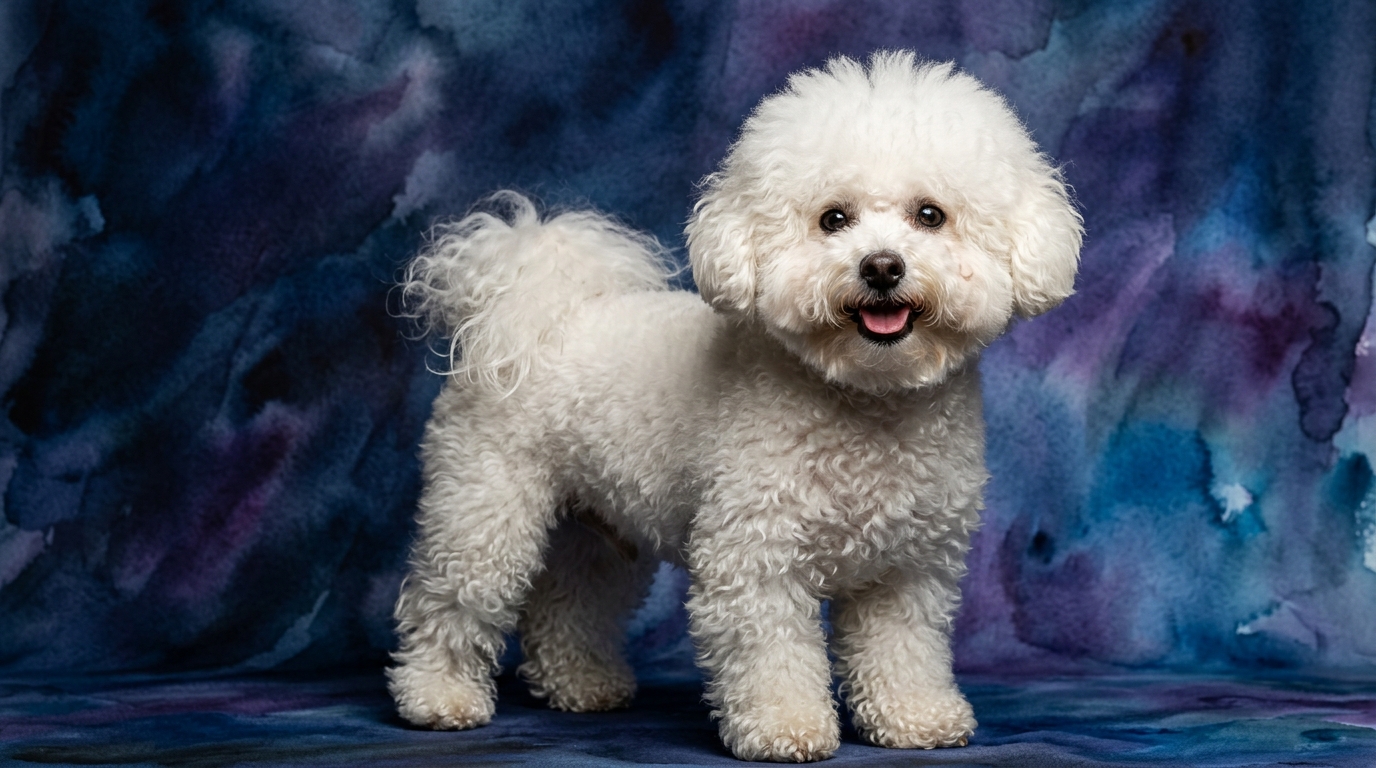
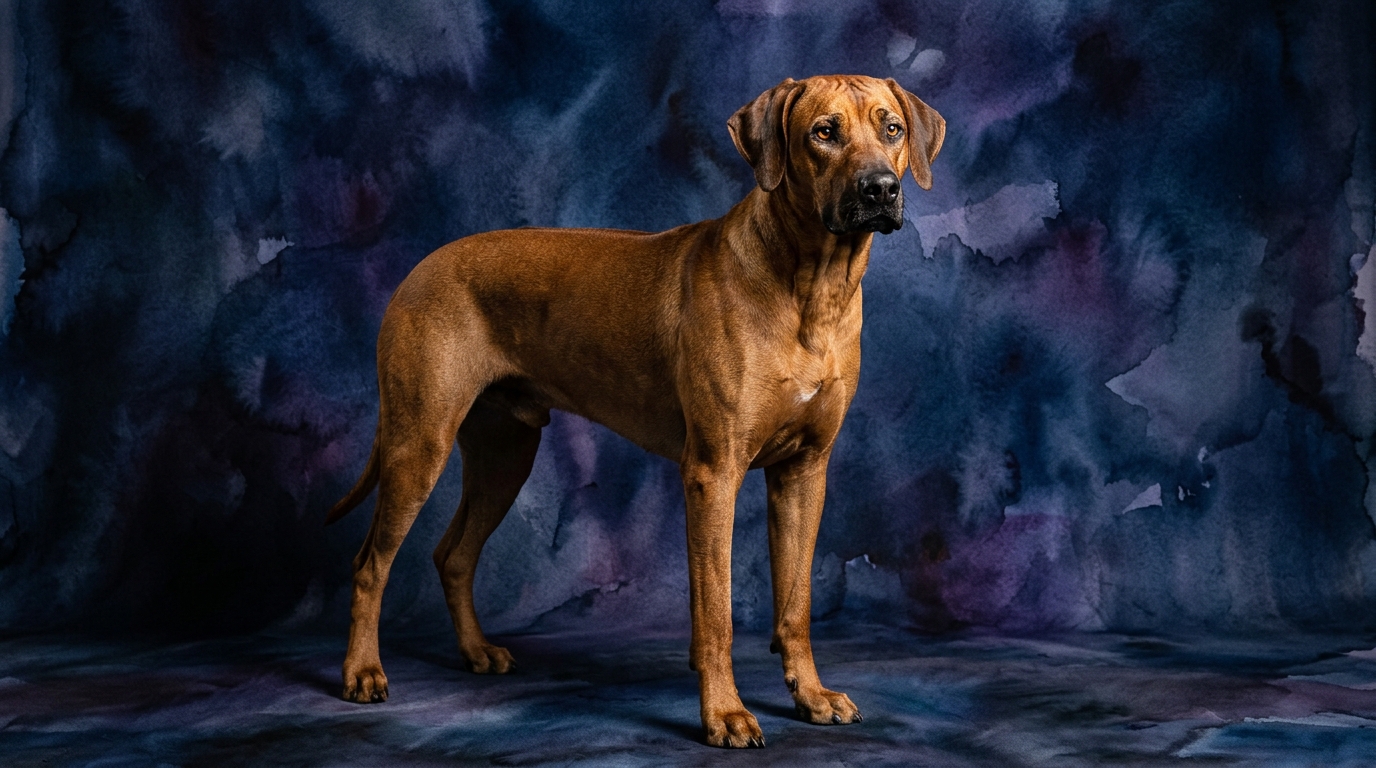
Side-by-Side IQ Profile: Bichon Frisé vs. Rhodesian Ridgeback
The Cosmic Pet Pet IQ Lab employs a five-dimensional framework to assess canine intelligence, offering a nuanced view beyond simple obedience. For the Bichon Frisé, ranked #45 by Coren, and the Rhodesian Ridgeback, ranked #52, their cognitive scores highlight divergent strengths and approaches to the world.
Both breeds share a 3/5 rating in Problem Solving, yet this manifests differently. For the Bichon Frisé, problem-solving often involves navigating their immediate domestic environment, perhaps figuring out how to retrieve a toy from under furniture or subtly influencing human behavior to get attention. Their solutions tend to be socially driven or focused on comfort. The Rhodesian Ridgeback, also at 3/5, typically applies this skill to more independent, task-oriented scenarios, like finding a scent trail in the yard or devising a way to access a desired outdoor location. Their problem-solving is often rooted in their hound heritage, requiring persistence and environmental awareness.
In Training Speed, both breeds again score 3/5. A 3/5 rating for the Bichon Frisé means they absorb new commands at a steady pace, often eager to please and responsive to positive reinforcement, particularly when it strengthens their bond with their owner. Their learning curve is consistent, making foundational obedience achievable with regular, engaging sessions. The Rhodesian Ridgeback's 3/5 training speed suggests a capable learner, though their motivation might be more task-oriented or driven by clear objectives rather than solely social affirmation. They can grasp complex sequences but may require a trainer who understands their independent spirit and provides compelling reasons to comply.
Social Intelligence presents a significant divergence: the Bichon Frisé boasts a remarkable 5/5, while the Rhodesian Ridgeback scores 3/5. The Bichon truly shines here, possessing an exceptional ability to read human emotions, gestures, and even subtle shifts in mood. They are masters of communication, often anticipating needs and reciprocating affection with an almost uncanny empathy, making them profoundly attuned companions. In contrast, the Ridgeback's 3/5 social intelligence indicates a dog that understands human cues and forms strong bonds, but with a more reserved and independent demeanor. They are loyal and connected, yet less overtly expressive or driven by the constant need for social mirroring, often preferring a calm, confident partnership over effusive interaction.
Instinctive Drive is another area of contrast, with the Bichon Frisé at 2/5 and the Rhodesian Ridgeback at 3/5. The Bichon’s low instinctive drive means they exhibit minimal prey drive or territorial urges, preferring the comfort and security of their human family. Their natural inclinations are overwhelmingly towards companionship and playful interaction within a safe, familiar setting, rarely being sidetracked by strong primal urges. The Ridgeback's 3/5 instinctive drive, however, reflects their heritage as a hunter. This manifests as a noticeable drive to track, chase, and guard, requiring owners to manage these natural predispositions through training and appropriate outlets. Their instincts are present and purposeful, guiding behaviors related to their original function.
Finally, both breeds share a 3/5 Memory rating, indicating a solid capacity for recalling learned commands, routines, and experiences. For the Bichon Frisé, this translates to remembering tricks, house rules, and the comforting patterns of daily life, reinforcing their sense of belonging. The Rhodesian Ridgeback's memory allows them to retain complex training sequences, remember boundaries, and recall specific scents or locations, contributing to their effectiveness in more structured or exploratory activities. Both breeds benefit from consistent reinforcement to solidify their recall of information over time.
Where the Bichon Frisé Wins Cognitively
The Bichon Frisé's cognitive strengths are most evident in their unparalleled social intelligence, rated a perfect 5/5. This isn't merely about being friendly; it signifies an acute ability to interpret human emotional states, intentions, and communication nuances. A Bichon often seems to 'know' what their owner is feeling or needing, offering comfort or initiating play with exquisite timing. Their low instinctive drive (2/5) further enhances this advantage, as their focus is rarely diverted by external stimuli like prey or territorial urges. Instead, their entire cognitive apparatus is largely oriented towards understanding and engaging with their human companions, making them exceptionally responsive and intuitive partners in social interaction. This profound social attunement allows them to adapt seamlessly to household dynamics and contribute positively to family emotional well-being, excelling in roles that demand emotional resonance and reciprocal communication.
Where the Rhodesian Ridgeback Wins Cognitively
The Rhodesian Ridgeback demonstrates a distinct cognitive advantage through their balanced blend of problem-solving (3/5), training speed (3/5), and a purposeful instinctive drive (3/5). While their social intelligence is moderate, their independent nature, coupled with their drive, means they are often better equipped for tasks requiring a degree of self-reliance and environmental engagement. A Ridgeback can assess a situation, such as navigating a complex outdoor trail or discerning an unfamiliar presence, and apply learned behaviors or innate instincts to respond appropriately, often without constant human direction. Their cognitive strength lies in their capacity for focused, sustained effort in practical applications, whether it's tracking a scent or patrolling a perimeter, making them effective partners for specific duties where mental fortitude and physical capability converge. This allows them to excel in environments demanding more independent thought and physical exertion.
Which is Easier to Train and Why
While both breeds share a 3/5 training speed, the Bichon Frisé is generally perceived as easier to train for typical companion dog tasks due to their exceptional social intelligence (5/5) and low instinctive drive (2/5). A Bichon's primary motivation is often to please their human, making them highly receptive to praise, affection, and positive reinforcement. They thrive on the social reward of successful interaction, and their minimal distractions from prey or guarding instincts allow them to remain focused on the trainer. For instance, teaching a Bichon to 'stay' is often streamlined because their inherent desire is to be near their person, and the reward of rejoining them is powerful.
Conversely, the Rhodesian Ridgeback, despite their 3/5 training speed, can present more of a training challenge for novice owners. Their moderate social intelligence (3/5) means they might not be as overtly motivated by social affirmation alone, and their higher instinctive drive (3/5) means they can be more easily distracted by environmental stimuli like scents or moving objects. Teaching a Ridgeback to 'stay' might require more consistent, firm, and purposeful reinforcement, often linking the command to a clear objective or a highly valued reward, as their independent streak means they need a compelling reason to override their own inclinations. Their training requires a patient, confident leader who understands how to channel their natural drive into productive behaviors, making the training journey potentially more demanding but ultimately rewarding.
Which Suits Active Owners vs. Relaxed Owners
For owners seeking a relaxed, emotionally attuned companion, the Bichon Frisé is an ideal match. Their high social intelligence means they thrive on close human interaction and are content with moderate indoor play and short walks. They are less driven by intense physical exertion or independent exploration, preferring to be integral members of the household's daily rhythms. Their low instinctive drive means they are generally happy to lounge and observe, making them perfect for apartment living or less active lifestyles where companionship is paramount. Their cognitive profile supports a life centered around human companionship rather than demanding physical tasks.
In stark contrast, the Rhodesian Ridgeback is a breed for genuinely active owners. Their moderate instinctive drive and historical role demand significant physical and mental engagement. They need consistent, vigorous exercise, such as long runs, hikes, or structured dog sports, to prevent boredom and channel their natural energy. An owner who enjoys outdoor adventures, has a large yard, or is committed to advanced training and purposeful activities will find a fulfilling partner in a Ridgeback. A relaxed owner may struggle to meet the Ridgeback's innate needs, potentially leading to frustration for both dog and human, as their cognitive makeup thrives on purpose and activity.
The Verdict
Choose a Bichon Frisé if your home seeks a deeply empathetic, highly communicative companion who thrives on close social bonds and moderate activity, excelling in reading and responding to human emotional states.
Opt for a Rhodesian Ridgeback if you are an active, confident owner prepared for a more independent, task-oriented canine partner requiring substantial physical and mental engagement, valuing their purposeful drive and composed self-reliance.
🧠 Find Your Pet's IQ Score
Our Pet IQ Lab assessment covers 25+ tests across 5 cognitive dimensions — personalized to your breed.
Take the Full IQ Test →Frequently Asked Questions
Does a Bichon Frisé's high social intelligence make them prone to separation anxiety?
Their exceptional social intelligence means Bichons form very strong bonds, which can sometimes manifest as separation distress if not managed with early training. Consistent positive reinforcement around alone time helps them develop confidence and independence, mitigating potential anxiety.
How does the Rhodesian Ridgeback's instinctive drive impact their compatibility with other pets?
A Ridgeback's 3/5 instinctive drive means they possess a natural prey drive, which requires careful socialization and supervision, especially with smaller pets like cats or rabbits. Early and consistent training is crucial to ensure harmonious multi-pet households and manage these inherent tendencies.
Can a Rhodesian Ridgeback live comfortably in an apartment despite their active nature?
While possible, a Rhodesian Ridgeback in an apartment needs an exceptionally committed owner who can provide extensive daily exercise and mental stimulation outside the home. Their need for purposeful activity means a small living space alone is insufficient for their well-being, demanding dedicated outdoor time.