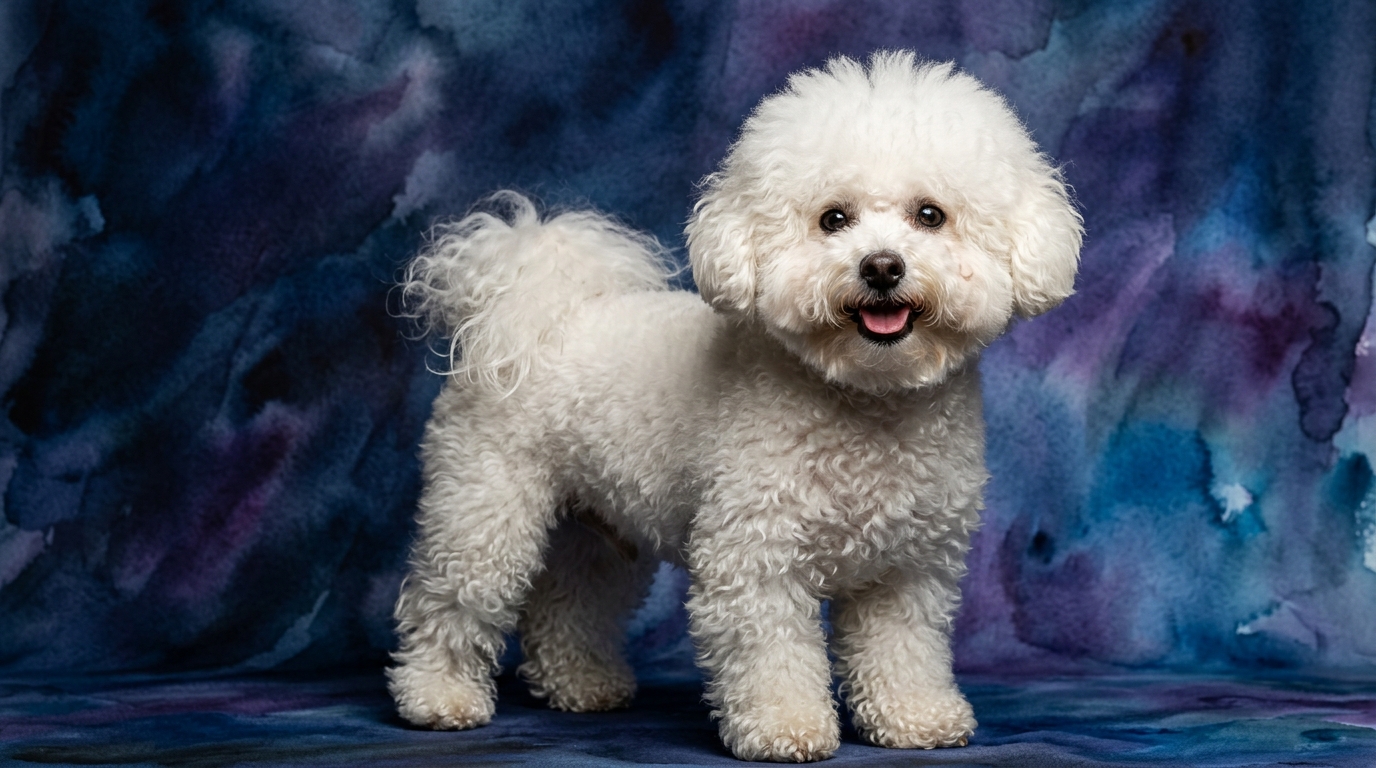
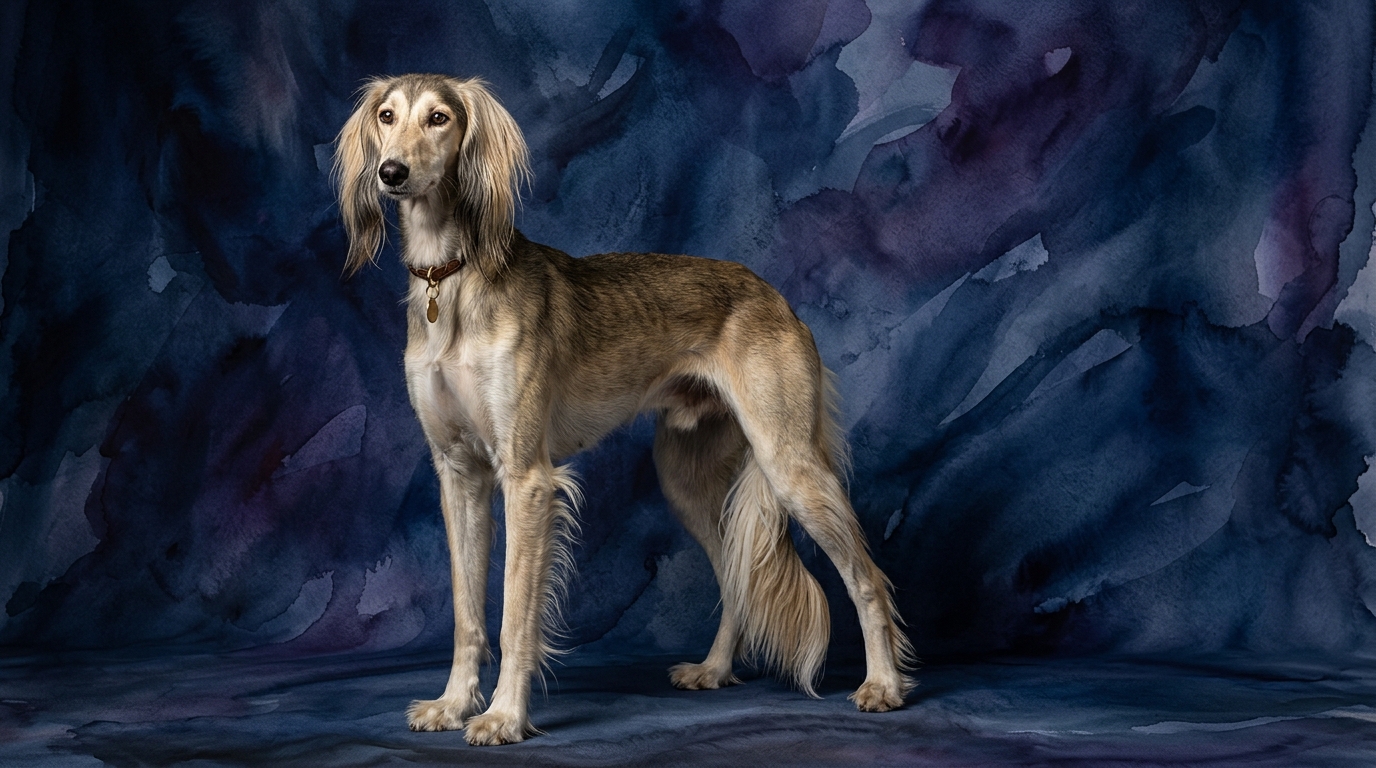
Side-by-Side IQ Profile: Bichon Frisé vs. Saluki
Delving into the specific cognitive dimensions for both the Bichon Frisé and the Saluki provides a granular understanding of their mental makeups. While both breeds register a 3/5 in problem-solving, training speed, and memory, their differences in social intelligence and instinctive drive paint distinct pictures of their inner worlds.
The Bichon Frisé, a Non-Sporting dog with a Coren rank of #45, displays a problem-solving score of 3/5, indicating a moderate ability to navigate novel situations or figure out how to retrieve a hidden toy, without being a master strategist. Their training speed also sits at 3/5, suggesting they learn new commands at an average pace, responding well to consistent, positive reinforcement. Where the Bichon truly shines is in social intelligence, scoring a perfect 5/5. This reflects an exceptional attunement to human emotions and social cues, a deep desire for connection, and adaptability in various social settings. Their instinctive drive is low at 2/5, meaning they possess minimal inherent tendencies for traditional working dog tasks like herding or guarding, prioritizing companionship above all. Memory for the Bichon is solid at 3/5, reliably recalling routines, learned commands, and familiar faces.
The Saluki, a Hound breed without a specific Coren rank, shares a problem-solving score of 3/5, capable of figuring out challenges, often driven by their independent spirit, such as finding a way to explore new territory. Their training speed is also 3/5, meaning they can learn commands at an average rate, but their application of these commands is often influenced by their strong will and surrounding distractions. Social intelligence for the Saluki is 3/5, indicating they appreciate companionship but often express it in a more reserved, dignified manner compared to the effusive Bichon; they read cues but may prioritize their own comfort or intrinsic motivations. Their instinctive drive is moderate at 3/5, deeply rooted in their sighthound heritage, manifesting as a keen desire to chase fast-moving objects, observe their surroundings, and explore independently. Saluki memory, like the Bichon, is 3/5, demonstrating reliable recall for routes, past experiences, and learned behaviors, though their independent nature might dictate when and how they choose to apply that memory.
Where the Bichon Frisé Wins Cognitively
The Bichon Frisé's standout cognitive strength lies unequivocally in their social intelligence, where they achieve an impressive 5/5. This isn't merely about being friendly; it reflects a profound capacity for emotional attunement and a deep understanding of human social dynamics. A Bichon can often sense an owner's mood, offering comfort or initiating play at just the right moment. This exceptional social acumen makes them incredibly responsive companions, eager to engage in interactive games, participate in family activities, and form strong, reciprocal bonds. Their high social intelligence means they are often more inclined to seek out and thrive on human interaction, making them highly adaptable to various social settings and generally more comfortable around strangers and other pets when properly socialized. This cognitive trait makes them particularly suited for roles requiring emotional sensitivity, such as therapy work, where their ability to connect and respond to human cues is invaluable. They are masters of reading subtle body language and vocal tones, often adjusting their behavior to maintain harmony and connection within their human pack.
Where the Saluki Wins Cognitively
While the Saluki's scores might appear similar to the Bichon in some areas, their cognitive 'win' stems from the unique application of their instinctive drive and problem-solving abilities, particularly when driven by their sighthound heritage. Their instinctive drive of 3/5, though not the highest score, represents a highly specialized form of intelligence geared towards observation, pursuit, and independent decision-making in the field. This means a Saluki possesses a keen eye for movement, a remarkable capacity for strategic thinking in a chase scenario, and the endurance to follow through. Their problem-solving, while rated 3/5, is often applied to achieving independent goals such as navigating complex terrain during a run or finding a vantage point from which to scan their environment. This cognitive framework allows them to excel in activities that tap into their natural hunting instincts, such as lure coursing, where they demonstrate incredible focus, speed, and spatial awareness. They are not designed to please as much as to perform tasks rooted in their ancient purpose, showcasing a different kind of cognitive prowess centered on self-reliance and environmental mastery.
Which is Easier to Train, and Why?
Both the Bichon Frisé and the Saluki share a training speed score of 3/5, suggesting they both learn new commands at an average pace. However, the *ease* of training them differs significantly due to their other cognitive traits. The Bichon Frisé, with its outstanding social intelligence (5/5) and lower instinctive drive (2/5), is generally perceived as easier to train. Their deep desire to please and connect with their human companions serves as a powerful motivator. They are highly responsive to praise, treats, and positive reinforcement, often eager to engage in training sessions as a form of bonding. Their lower instinctive drive means they are less likely to be distracted by strong prey instincts or an overwhelming urge to explore, allowing them to focus more intently on the task at hand and their trainer's cues. This makes them more amenable to obedience training, house-training, and learning a variety of tricks with consistent effort.
In contrast, while a Saluki can learn commands just as quickly, their independent nature and higher instinctive drive (3/5), particularly their sighthound prey drive, can make consistent compliance more challenging. A Saluki understands what you want, but they may weigh that against their own immediate interests, especially if a squirrel or a leaf blowing in the wind captures their attention. Their training requires immense patience, creativity, and high-value rewards to maintain their focus and cooperation. While they are loyal, their loyalty often comes with a degree of self-determination; they need to see the value in what you're asking them to do. Training a Saluki often means understanding and working with their inherent drives, rather than against them, making recall in an open space a particular challenge due to their powerful chase instinct. Their cognitive approach to training is less about pleasing and more about mutual respect and understanding of boundaries.
Which Suits Active Owners vs. Relaxed Owners?
The choice between a Bichon Frisé and a Saluki depends heavily on an owner's lifestyle and energy levels. A Bichon Frisé is an excellent fit for owners who might describe themselves as relaxed, provided they can offer ample companionship and mental engagement. While Bichons do enjoy playtime and moderate walks, their physical exercise needs are not extreme. Their high social intelligence means their primary need is for interaction, attention, and being an integral part of family life. A relaxed owner who enjoys indoor games, short strolls, and plenty of cuddle time will find a Bichon thrives in their care. They are adaptable to apartment living and generally content to be where their people are, making them suitable for individuals or families with varying activity levels, as long as their social and emotional needs are consistently met.
Conversely, the Saluki is unequivocally suited for active owners who understand and can accommodate their distinct physical and mental requirements. Their 3/5 instinctive drive, rooted in their sighthound heritage, demands regular, vigorous exercise. They are built for speed and endurance, requiring opportunities to run at full gallop in a secure, expansive area, like a large fenced yard or a lure coursing track. A relaxed owner who cannot provide these outlets will likely find a Saluki restless, bored, and potentially prone to destructive behaviors or escape attempts driven by unfulfilled energy and instincts. Salukis benefit from owners who appreciate their independent spirit and can offer consistent mental stimulation that taps into their observational skills and prey drive, such as long walks where they can scan the horizon or engage in supervised chases. Their cognitive makeup thrives on fulfilling their natural tendencies for swift movement and keen observation.
The Verdict: When to Choose Each Breed
Ultimately, the choice between a Bichon Frisé and a Saluki hinges on aligning their unique cognitive and behavioral profiles with your lifestyle and expectations. If you seek an emotionally responsive, highly social companion who thrives on constant interaction, adapts seamlessly to various home environments, and desires to be deeply integrated into family life, the Bichon Frisé is an ideal match. They excel in companionship, offering unwavering affection and a cheerful presence.
Conversely, if you are an experienced owner who understands and appreciates the independent, dignified nature of sighthounds, can provide significant opportunities for safe, vigorous exercise that engages their powerful instinctive drives, and values a loyal companion with a unique cognitive approach to the world, the Saluki could be your perfect partner. They offer a more reserved companionship, demanding respect for their independence while forming profound, albeit less overtly effusive, bonds.
The Verdict
Choose a Bichon Frisé if you prioritize an emotionally intelligent, highly social companion who thrives on constant human interaction and adapts well to diverse family settings.
Choose a Saluki if you are an active, experienced owner prepared to meet the needs of a dignified, independent sighthound with a strong drive for vigorous exercise and keen observation.
🧠 Find Your Pet's IQ Score
Our Pet IQ Lab assessment covers 25+ tests across 5 cognitive dimensions — personalized to your breed.
Take the Full IQ Test →Frequently Asked Questions
Are Bichon Frisés good at learning tricks?
With a training speed of 3/5 and exceptional social intelligence (5/5), Bichon Frisés are generally quite adept at learning tricks. Their desire to engage and please their owners makes them responsive to positive reinforcement, often picking up new commands and complex sequences with consistent practice and fun.
What kind of mental stimulation do Salukis need?
Salukis, with their 3/5 instinctive drive, thrive on mental stimulation that engages their sighthound nature. Activities like lure coursing, chasing toys in a secure area, or even long walks where they can observe their surroundings provide crucial outlets for their natural curiosity and powerful prey drive, preventing boredom.
How do the social needs of a Bichon Frisé compare to a Saluki?
A Bichon Frisé (social intelligence 5/5) has significantly higher social needs, deeply valuing constant human companionship and emotional connection. In contrast, a Saluki (social intelligence 3/5) is more reserved and independent, appreciating human presence but often preferring to observe rather than engage in constant effusive interaction, though they form deep bonds.