Side-by-Side Cognitive Profiles
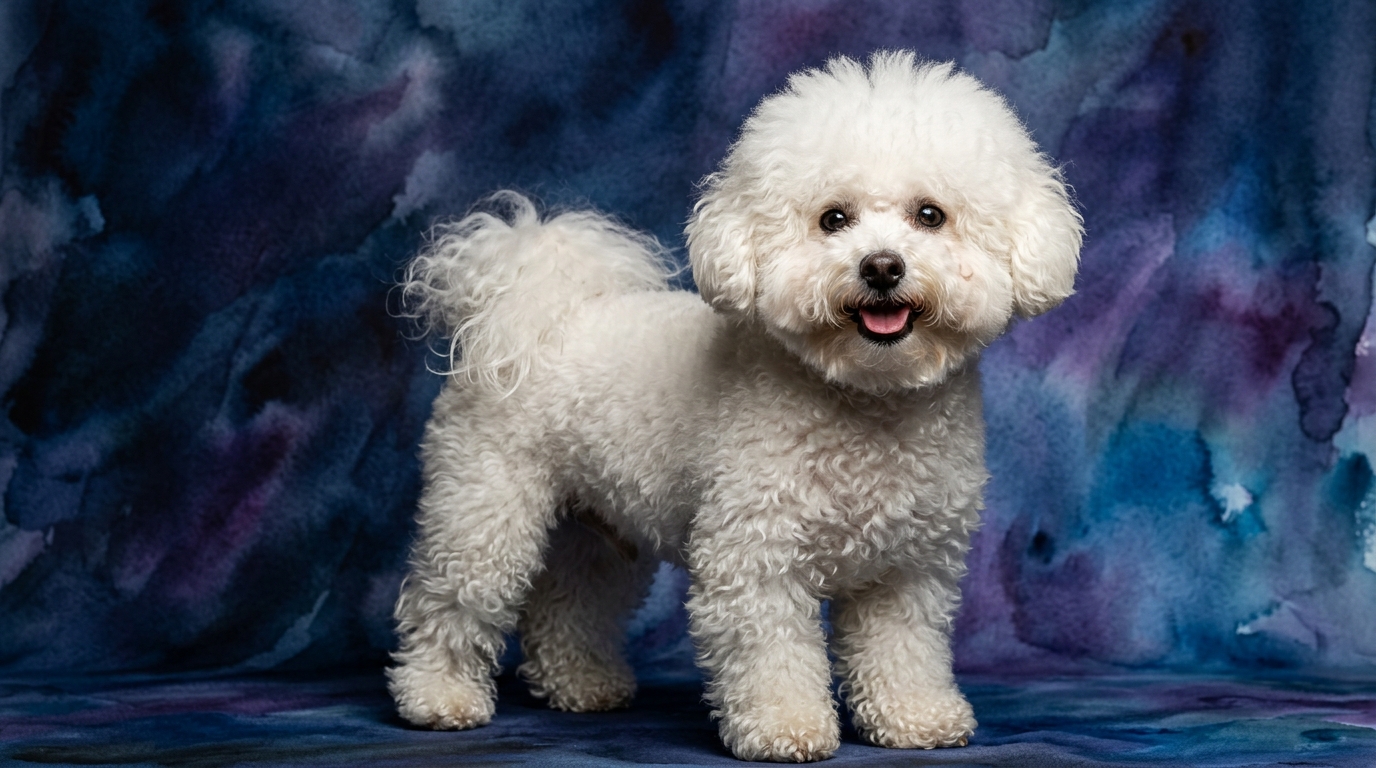
The Cosmic Pet Pet IQ Lab assesses canine cognition across five distinct dimensions, providing a comprehensive view of how breeds process information and interact with their world. For the Bichon Frisé, a non-sporting breed ranked #45 by Coren for working intelligence, we observe a cognitive makeup heavily weighted towards social interaction and adaptability within a human household. Their Problem Solving is rated 3/5, indicating a moderate capacity to navigate novel situations or figure out puzzles independently. Training Speed also sits at 3/5, suggesting they grasp new commands at an average pace, requiring consistent but not overly repetitive instruction. Where the Bichon truly shines is in Social Intelligence, earning a perfect 5/5, reflecting their exceptional ability to read human cues, adapt to social dynamics, and form strong, empathetic bonds. Their Instinctive Drive is a low 2/5, meaning they possess minimal inclination towards behaviors like hunting, herding, or guarding, aligning with their role as companions. Memory for the Bichon Frisé is rated 3/5, allowing them to recall learned behaviors and routines effectively over time.
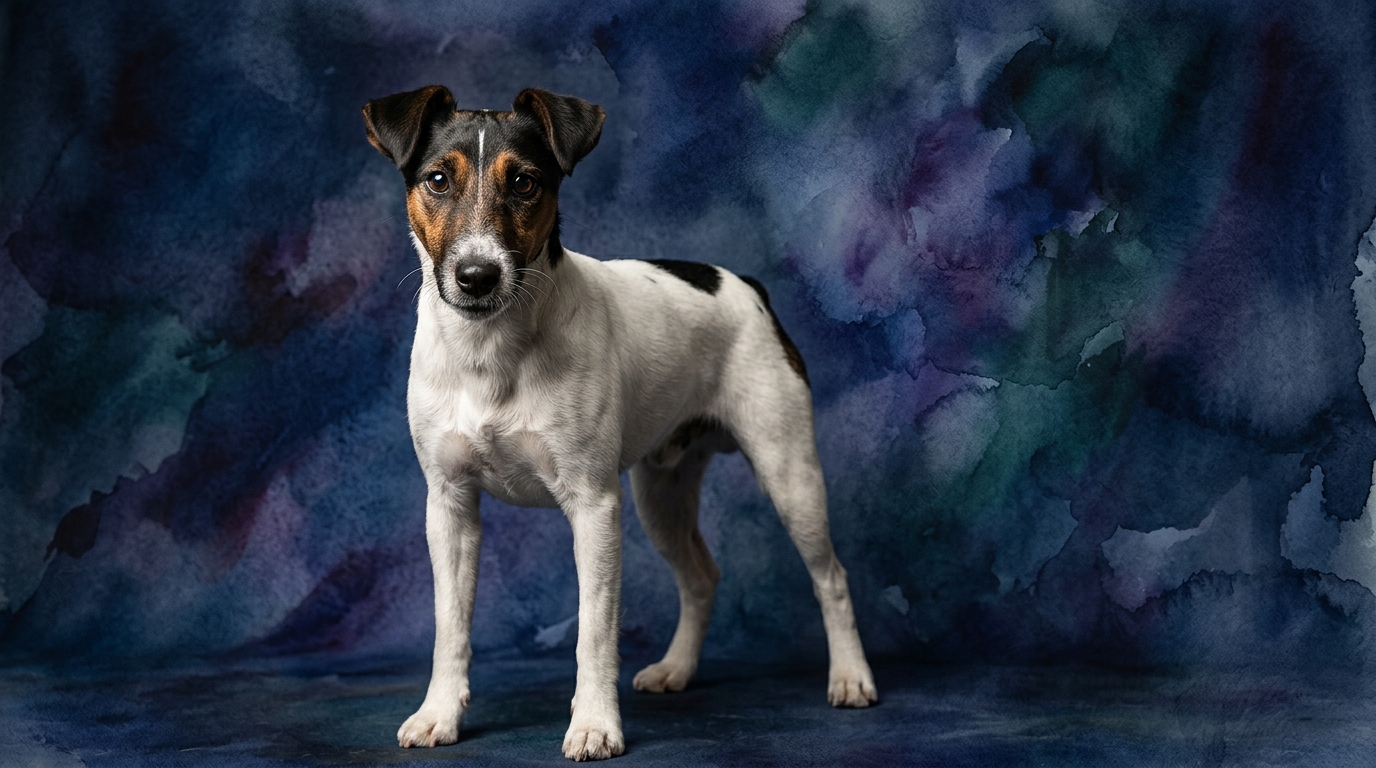
In contrast, the Smooth Fox Terrier, a tenacious terrier breed, presents a different cognitive blueprint, shaped by centuries of independent hunting work. While not Coren-ranked, our IQ assessment reveals a profile geared towards self-sufficiency and environmental engagement. Like the Bichon, their Problem Solving is rated 3/5, indicating a similar capacity for figuring things out, though often with a more independent approach. Training Speed also matches at 3/5, suggesting an average learning curve for commands, albeit potentially with a stronger will to consider the 'why.' The Smooth Fox Terrier’s Social Intelligence is rated 3/5, meaning they are capable of forming bonds and understanding human interaction, but perhaps with less intrinsic motivation to please and a greater inclination towards their own agenda compared to the Bichon. Their Instinctive Drive is a moderate 3/5, reflecting a pronounced inclination towards seeking out and engaging with prey, digging, and exploring. Memory for the Smooth Fox Terrier is 3/5, allowing them to retain training and experiences, but their drives can sometimes override recall in stimulating environments.
Where the Bichon Frisé Excels Cognitively
The Bichon Frisé's standout cognitive strength lies squarely in their unparalleled Social Intelligence (5/5). This isn't merely about being friendly; it signifies a profound capacity for emotional attunement and complex social learning. A Bichon is exceptionally adept at interpreting subtle human body language, vocal inflections, and emotional states, often preempting a handler's needs or reacting empathetically to mood shifts. This high social acumen means they integrate seamlessly into family life, making them incredibly adaptable companions who thrive on interaction and connection. They are masters at understanding household routines and the social hierarchy, learning quickly what elicits positive responses from their human family members.
Furthermore, their low Instinctive Drive (2/5) complements their social prowess by reducing distractions stemming from primal urges. This means a Bichon is less likely to bolt after a squirrel, dig up the garden out of an innate urge, or display strong territorial guarding behaviors that could complicate social dynamics. Their focus remains predominantly on their human companions, making them more present and engaged in social learning opportunities. This lower drive also contributes to a generally calmer demeanor indoors, allowing them to better observe and learn from their environment without being constantly pulled by external stimuli.
Where the Smooth Fox Terrier Shows Cognitive Edge
While the Smooth Fox Terrier shares a 3/5 rating with the Bichon in Problem Solving, the nature of their problem-solving often manifests differently, reflecting their historical purpose. A terrier's problem-solving is typically more self-directed and persistent, driven by their moderate Instinctive Drive (3/5). This means they excel at figuring out how to achieve their own goals, whether it's navigating a complex scent trail, finding a way to access a hidden toy, or outsmarting a perceived barrier. Their persistence in the face of a challenge, often a hallmark of terrier breeds, signifies a strong internal motivation to complete a task once engaged, even if it requires trial and error.
Their moderate Instinctive Drive also gives them a cognitive advantage in specific scenarios. This drive translates to a natural curiosity and a willingness to engage with their environment actively. While it requires management, it also means a Smooth Fox Terrier is often more adventurous and less hesitant to explore new places or tackle physical challenges. This active engagement can be channeled into demanding activities like agility, earthdog trials, or advanced scent work, where their innate drive and independent thinking become assets. Their cognitive makeup is wired for action and investigation, making them natural explorers and partners for those who enjoy active pursuits.
Which Breed is Easier to Train and Why?
When considering ease of training, the Bichon Frisé generally holds an advantage, primarily due to their exceptionally high Social Intelligence (5/5) and low Instinctive Drive (2/5). A Bichon's intrinsic desire to please their human companions, coupled with their ability to keenly observe and respond to social cues, makes them highly receptive to positive reinforcement. They are motivated by praise, affection, and the opportunity to interact with their people. Their lower instinctive drive means fewer distractions from environmental stimuli like scents or moving objects, allowing them to maintain focus on the trainer and the task at hand. This combination results in a dog that is often eager to learn, cooperative, and generally less prone to independent decision-making that might conflict with training goals.
The Smooth Fox Terrier, while possessing the same 3/5 rating for Training Speed, can present a different set of challenges due to their moderate Instinctive Drive (3/5) and slightly lower Social Intelligence (3/5). Their independent nature, a legacy of their working heritage, means they are often more inclined to think for themselves rather than defaulting to human direction. While capable of learning commands, a Smooth Fox Terrier might require more creative and engaging training methods to capture and maintain their attention, especially when their instincts are piqued. Managing their natural drive to chase, dig, or explore is a critical part of their training, requiring patience, consistency, and a strong understanding of their terrier mindset to channel their energy constructively rather than suppress it.
Suitability for Active vs. Relaxed Owners
For relaxed owners seeking a devoted and adaptable companion, the Bichon Frisé is an excellent match. Their high Social Intelligence means they thrive on close human interaction and are content to be involved in whatever their family is doing, whether it's a quiet evening at home or a gentle stroll in the park. Their low Instinctive Drive translates to relatively moderate exercise requirements; while they enjoy playtime, they don't possess a relentless urge for high-intensity activity. They are generally adaptable to various living situations, including apartments, as long as they receive consistent attention and affection. Their primary cognitive need is social engagement and feeling like a cherished member of the family, making them ideal for individuals or families who prioritize companionship and emotional connection.
Conversely, the Smooth Fox Terrier is best suited for active owners who relish engaging with a spirited and mentally stimulating dog. Their moderate Instinctive Drive and independent problem-solving capabilities mean they require regular physical exercise and mental challenges to prevent boredom and channel their natural urges. Owners who enjoy activities like long hikes, jogging, agility, earthdog trials, or advanced obedience will find a willing and enthusiastic partner in a Smooth Fox Terrier. These dogs thrive when given a 'job' or an outlet for their energy and investigative nature. An active owner who can provide consistent training, varied experiences, and opportunities for exploration will be rewarded with a loyal and endlessly entertaining companion who uses their cognitive strengths to interact with the world.
The Verdict: When to Choose Each Breed
The Verdict
Choose the Bichon Frisé if you prioritize a highly socially intelligent, adaptable companion who thrives on close human connection and offers empathetic interaction. They are ideal for relaxed owners seeking a devoted presence with moderate activity needs.
Opt for the Smooth Fox Terrier if you are an active owner prepared to channel a keen, independent spirit into engaging activities and consistent training. They suit those who appreciate a tenacious, curious partner for adventures and mental challenges.
🧠 Find Your Pet's IQ Score
Our Pet IQ Lab assessment covers 25+ tests across 5 cognitive dimensions — personalized to your breed.
Take the Full IQ Test →Frequently Asked Questions
Are Bichon Frisés good family dogs?
Yes, Bichon Frisés excel as family dogs due to their exceptional social intelligence and low instinctive drive. They form strong bonds with all family members, adapt well to household routines, and are generally patient and affectionate companions for children and adults alike.
Do Smooth Fox Terriers have a strong prey drive?
Smooth Fox Terriers possess a moderate instinctive drive, which includes a notable prey drive inherited from their hunting lineage. This means they can be inclined to chase small animals and may require careful management and training in environments with wildlife or other small pets.
Which breed is better for first-time dog owners?
The Bichon Frisé is generally a more suitable choice for first-time dog owners due to their higher social intelligence and eagerness to please, making training more straightforward. Smooth Fox Terriers, while trainable, require more experienced handling to manage their independent nature and moderate instinctive drives effectively.