Side-by-side IQ profile
The Cosmic Pet Pet IQ Lab employs a five-dimensional framework to assess canine intelligence, offering a nuanced view beyond simple obedience. Let's examine how the Bichon Frisé, a Non-Sporting companion, and the Spanish Water Dog, a Herding workhorse, measure up.
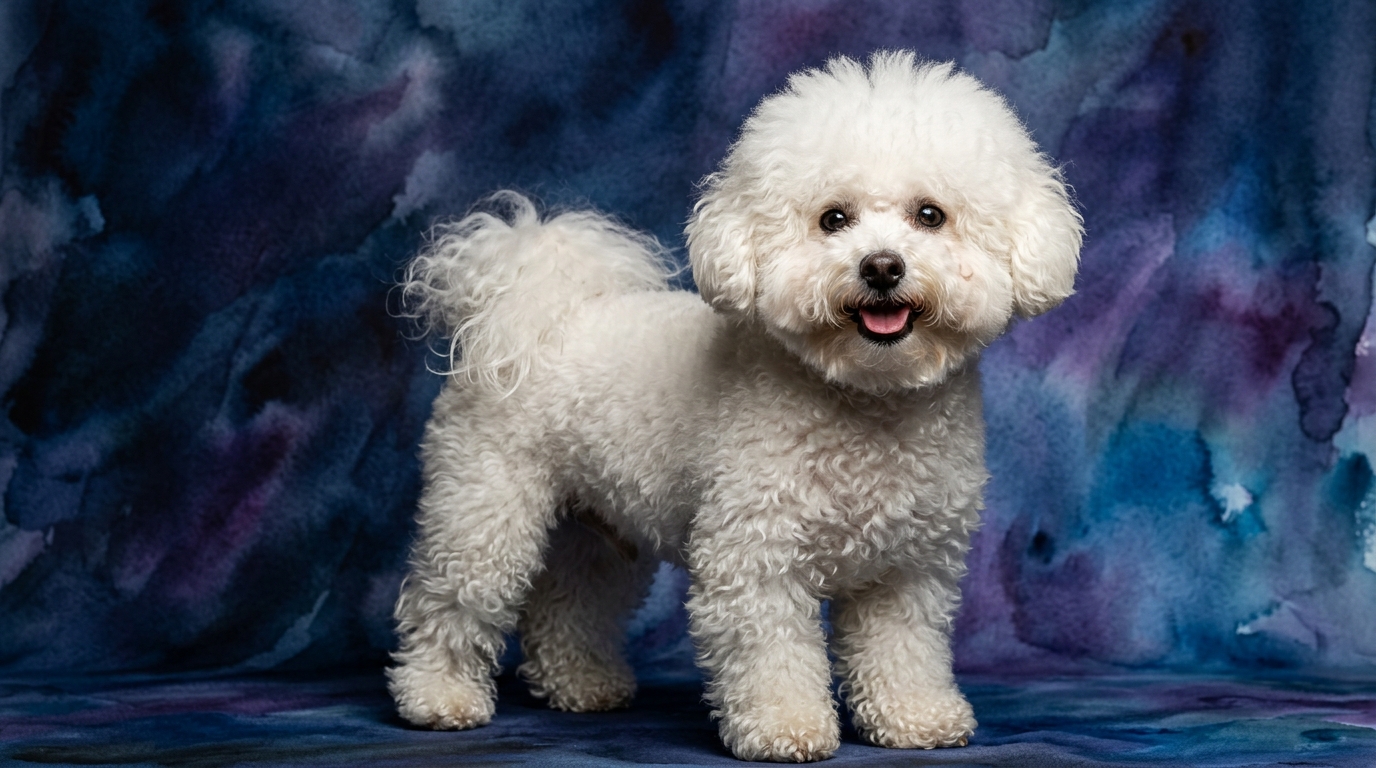
The Bichon Frisé, recognized by Stanley Coren as #45 in working and obedience intelligence, demonstrates a moderate capacity for problem-solving (3/5), capable of navigating straightforward puzzles but not inherently driven by complex, independent tasks. Their training speed is also moderate (3/5), meaning they learn new commands at a steady pace, responding well to consistent, positive reinforcement. Where the Bichon truly shines is in social intelligence (5/5), possessing an exceptional ability to read human emotions, respond to social cues, and forge deep, empathetic bonds. Their instinctive drive is notably low (2/5), reflecting minimal inclination for tasks like herding, hunting, or guarding, aligning with their role as dedicated companions. Memory for the Bichon Frisé is solid (3/5), allowing them to retain learned behaviors and routines effectively.
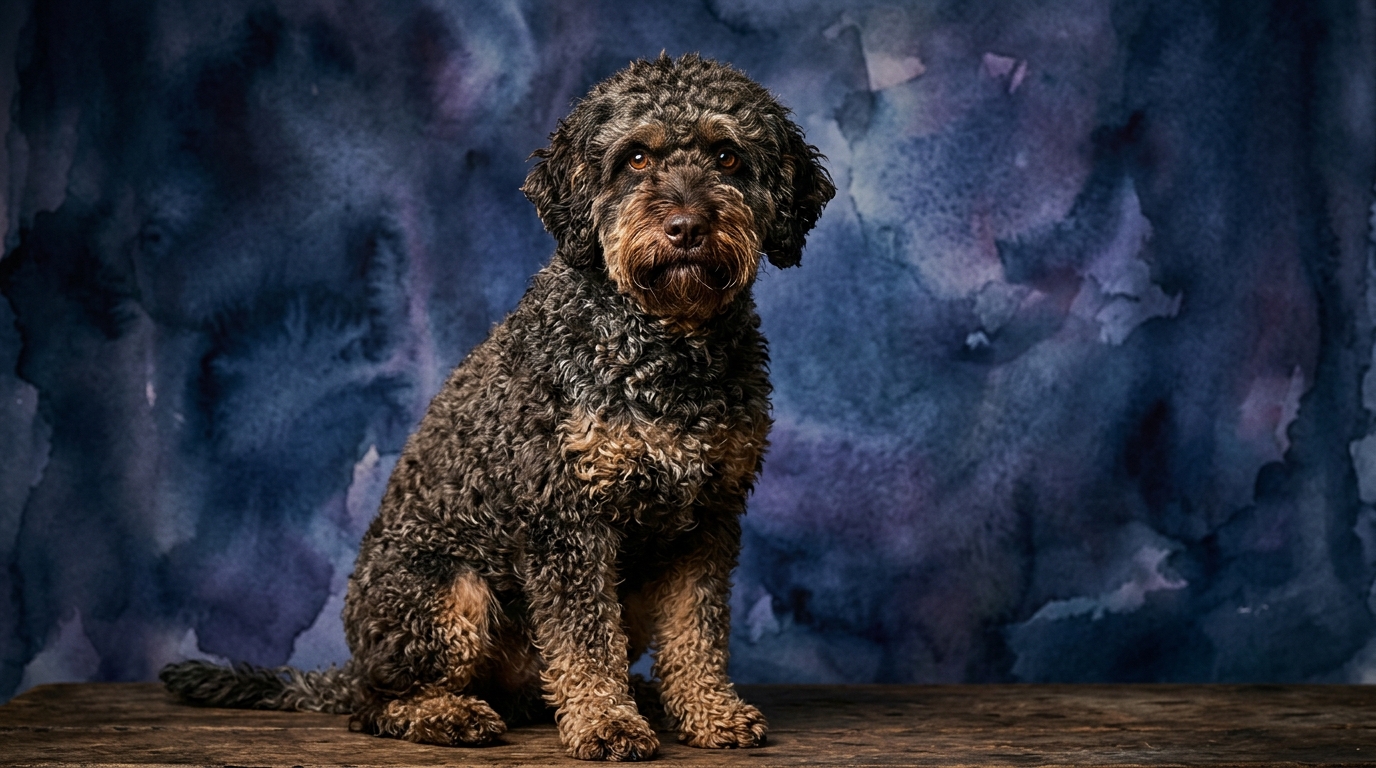
The Spanish Water Dog, a breed from the Herding group without a specific Coren ranking, shares some scores but with different underlying expressions. Their problem-solving ability is rated at 3/5, indicating they can figure out solutions to practical challenges, especially those related to their environment or a given task, rather than abstract puzzles. Training speed for the Spanish Water Dog is also 3/5; they learn at a moderate rate, but their independent nature often means engaging them requires variety and purpose beyond rote repetition. Their social intelligence stands at 3/5, meaning they are highly responsive and loyal to their immediate family but can be reserved or discerning with strangers, prioritizing their internal "job" over broad social pleasantries. The Spanish Water Dog's instinctive drive is moderate (3/5), encompassing natural herding, guarding, and water retrieving tendencies, signifying a clear desire for purposeful activity. Their memory is rated at 3/5, proving reliable for recalling practical tasks, routines, and the identities of people and places relevant to their daily life.
Where Bichon Frisé wins cognitively
The Bichon Frisé's standout cognitive strength lies unequivocally in their social intelligence, scoring a perfect 5/5 compared to the Spanish Water Dog's 3/5. This isn't merely about friendliness; it signifies a profound capacity to interpret subtle human cues, emotional states, and social dynamics. A Bichon can often sense a change in mood, offering comfort or initiating play at just the right moment, demonstrating an almost intuitive understanding of human emotional landscapes. This exceptional social acumen allows them to integrate seamlessly into diverse family structures, becoming highly adaptable and emotionally supportive companions. Their low instinctive drive (2/5) further enhances this advantage, as they are less preoccupied with external tasks or independent pursuits, allowing them to fully dedicate their cognitive resources to forming and maintaining close, reciprocal social bonds with their human family.
Where Spanish Water Dog wins cognitively
The Spanish Water Dog excels where purposeful action and environmental understanding are paramount, particularly in their instinctive drive (3/5 vs. Bichon's 2/5). This drive manifests as a natural inclination towards working, herding, and even retrieving from water, reflecting a practical cognitive framework. While the numerical difference is small, the nature of this drive is a significant advantage. It means the Spanish Water Dog possesses an innate motivation to engage with and manipulate their environment for a purpose, demonstrating a practical problem-solving ability in real-world scenarios, such as managing livestock or navigating complex terrain. This breed's cognitive strengths lean towards independent decision-making within a task-oriented context, allowing them to assess situations and act without constant human direction – a hallmark of a robust working dog. Their intelligence is geared towards functional application in their surroundings.
Which is easier to train and why
When considering ease of training, both breeds score 3/5 for training speed, suggesting they learn at a comparable pace. However, the experience of training differs significantly due to their other cognitive profiles. The Bichon Frisé often feels easier to train for the average owner primarily because of their superior social intelligence and strong desire to please. They are highly motivated by human approval and positive reinforcement, making them very responsive to cues and eager to cooperate. Their low instinctive drive means fewer distractions from independent urges, allowing them to focus intently on the handler and the task at hand. This social responsiveness fosters a collaborative training environment.
The Spanish Water Dog, despite the same training speed score, presents a different challenge. Their moderate instinctive drive and more reserved social intelligence mean they are often more independent thinkers. They might question the purpose of a command or prefer to follow their own instincts if not adequately motivated. Training a Spanish Water Dog requires more creativity, engagement, and consistency from the owner. Success hinges on channeling their natural drives into productive outlets, offering varied training sessions, and establishing clear, fair leadership. While capable learners, their independence means they are less inherently driven to simply "please" and more likely to comply when the task is meaningful or rewarding in their own terms.
Which suits active owners vs relaxed owners
The cognitive and behavioral profiles of these two breeds clearly delineate their suitability for different lifestyles. The Bichon Frisé is an ideal match for more relaxed owners. Their low instinctive drive means they do not demand a demanding "job" or intense physical exertion to remain content. They thrive on companionship, enjoying moderate daily walks, indoor playtime, and being an integral part of family activities. Their high social intelligence means their primary need is for interaction and emotional connection, making them perfectly suited for owners who prioritize cuddles on the couch and gentle strolls over rugged adventures.
Conversely, the Spanish Water Dog is unequivocally suited for active owners. Their moderate instinctive drive, coupled with their herding heritage, means they possess a deep-seated need for both physical and mental stimulation. These dogs require substantial daily exercise, often an hour or more of vigorous activity, which might include running, swimming, or engaging in dog sports like agility, dock diving, or actual herding trials. Without sufficient outlets for their cognitive and physical energy, a Spanish Water Dog can become bored, potentially leading to destructive behaviors or excessive vocalization. They need an owner who can consistently provide purposeful activities and channel their working intelligence into productive endeavors.
The Verdict
Choose the Bichon Frisé if you seek a deeply emotionally connected, highly social companion who thrives on close human interaction and requires moderate activity levels, valuing comfort and companionship above all.
Choose the Spanish Water Dog if you are an active individual or family seeking a robust, intelligent partner for outdoor adventures and dog sports, capable of independent thinking and requiring consistent engagement for their substantial working drives.
🧠 Find Your Pet's IQ Score
Our Pet IQ Lab assessment covers 25+ tests across 5 cognitive dimensions — personalized to your breed.
Take the Full IQ Test →Frequently Asked Questions
Are Bichon Frisé dogs good with children?
Yes, their high social intelligence and gentle nature typically make them excellent family dogs, often forming strong bonds with children and adapting well to family dynamics, though supervision is always advised.
Do Spanish Water Dogs shed a lot?
Spanish Water Dogs have a unique single coat that forms cords if not shorn. They are considered low-shedding, which can be a benefit for allergy sufferers, but their coat requires specific grooming to prevent matting.
How much exercise does a Spanish Water Dog need daily?
As a working breed, Spanish Water Dogs require significant daily exercise, typically an hour or more of vigorous activity, including walks, runs, and mentally stimulating games, to keep them content and well-behaved.