Side-by-Side Cognitive Profiles
Understanding a dog's cognitive landscape requires moving beyond general impressions to appreciate specific dimensions of their intellect. The Cosmic Pet Pet IQ Lab employs a five-point scale across problem-solving, training speed, social intelligence, instinctive drive, and memory, providing a nuanced view of what makes each breed unique.
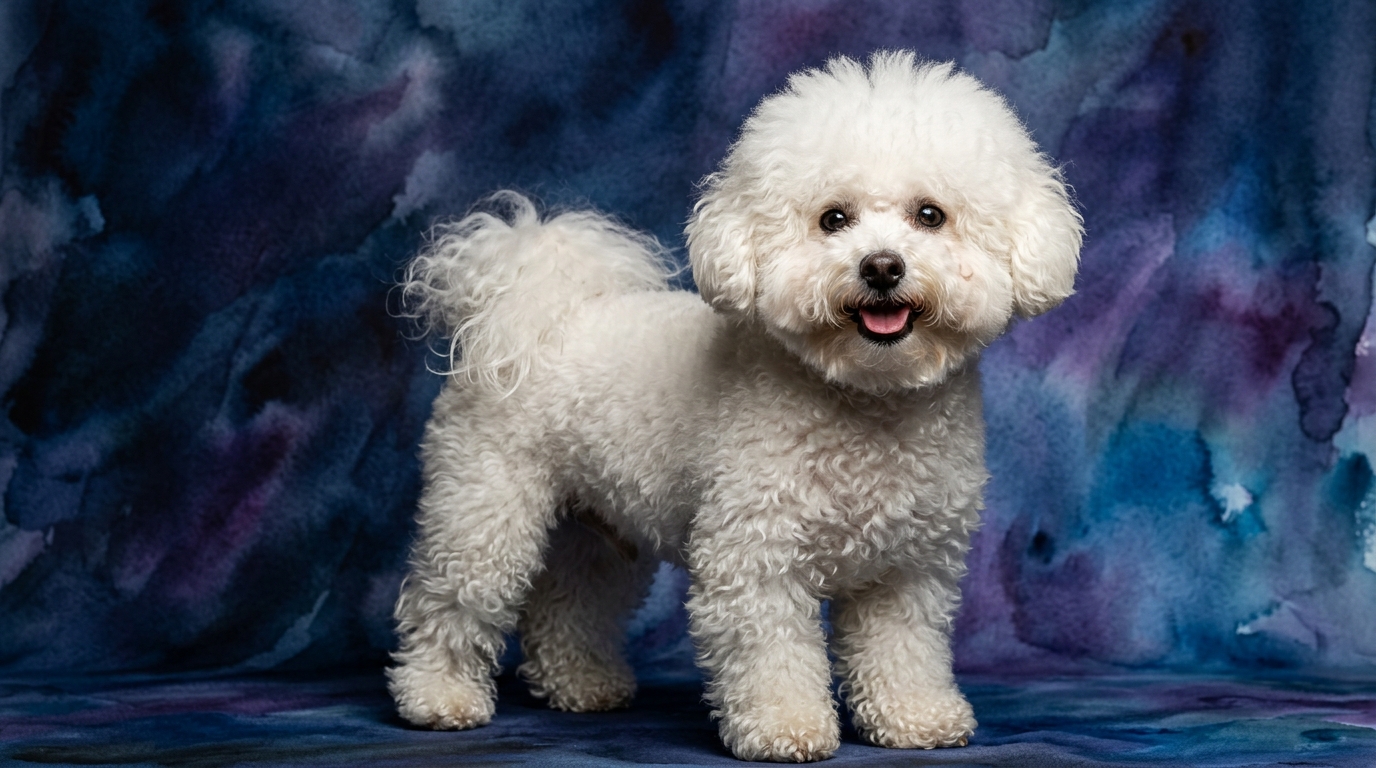
The Bichon Frisé presents a delightful cognitive blend: 3/5 in problem-solving, indicating a moderate ability to navigate novel situations. Training speed is also 3/5, suggesting they grasp new commands at an average pace. The Bichon truly stands out in social intelligence, earning a perfect 5/5, reflecting an exceptional capacity to understand human emotions and cues. Conversely, their instinctive drive is quite low at 2/5, meaning less inherent motivation for tasks like hunting, and their memory is a solid 3/5.
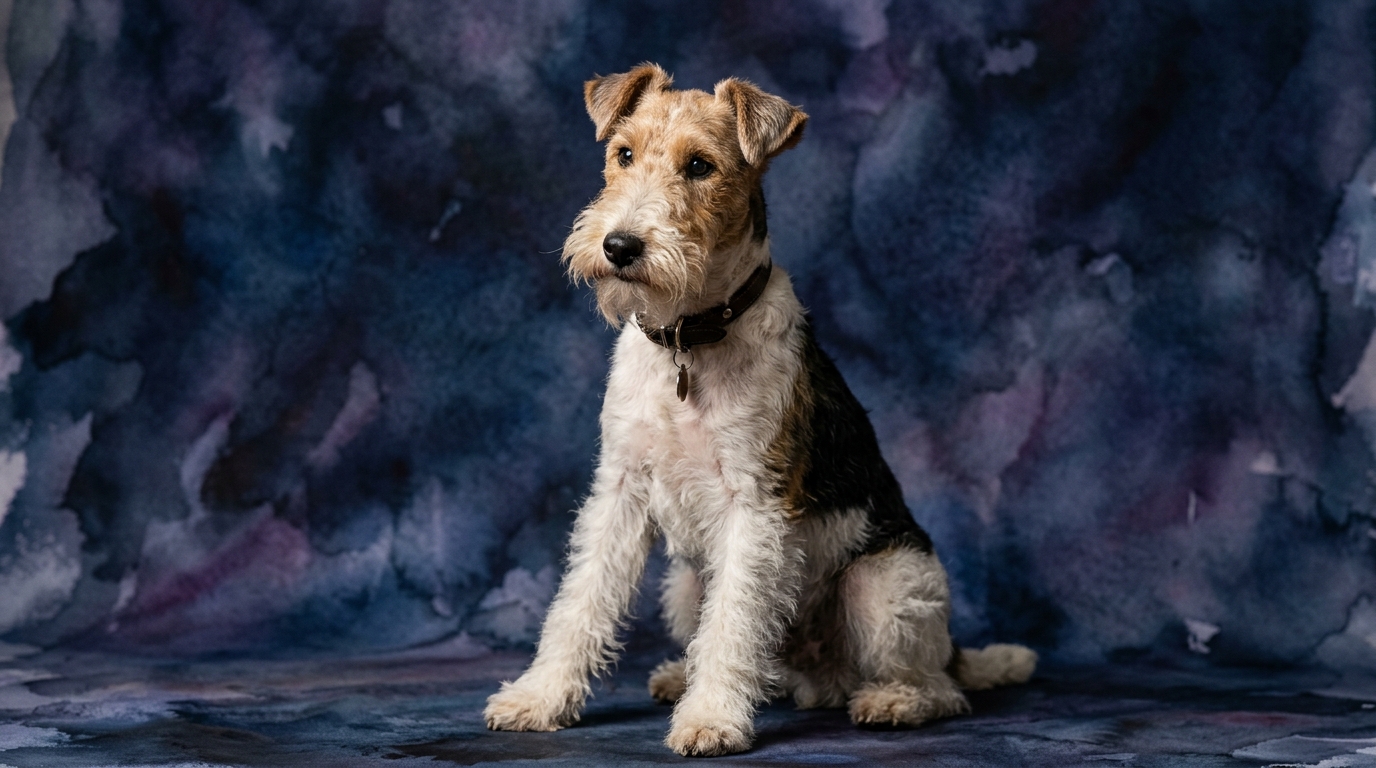
In contrast, the Wire Fox Terrier exhibits a more uniformly distributed cognitive profile. They match the Bichon with a 3/5 in problem-solving and training speed, showing similar aptitude for independent thought and learning rate. Social intelligence for the Wire Fox Terrier is 3/5, suggesting a practical understanding of companions but perhaps less emotional attunement. Their instinctive drive is a robust 3/5, characteristic of their terrier heritage, and their memory is also rated 3/5, providing a consistent baseline across these cognitive metrics.
Where the Bichon Frisé Shines Cognitively
The Bichon Frisé's standout cognitive strength lies unequivocally in its social intelligence, scoring an impressive 5/5. This signifies a profound ability to interpret human body language, vocal inflections, and emotional states, allowing them to form exceptionally strong, empathetic bonds. A Bichon often seems to anticipate their owner's moods, offering comfort or initiating play with uncanny timing, making them highly attuned companions within a family setting. This deep social awareness means they thrive on interaction and are particularly responsive to praise and gentle guidance.
This elevated social intelligence, combined with a lower instinctive drive (2/5), means the Bichon Frisé is less inclined towards independent pursuits driven by primal urges like chasing or digging. Instead, their cognitive energy is channeled into understanding and engaging with their human family. Their Coren ranking of #45 further supports their capacity for obedience and adaptive learning within a domestic environment, demonstrating a readiness to integrate into human routines and expectations with a keen awareness of social dynamics.
Where the Wire Fox Terrier Excels Cognitively
The Wire Fox Terrier's cognitive profile demonstrates a robust and balanced intellect, particularly in its instinctive drive (3/5). This drive, a hallmark of its terrier lineage, equips it with persistent curiosity and a determined approach to exploring its environment and engaging with tasks. This is about a deep-seated motivation to investigate, problem-solve with physical action, and follow through on a perceived 'mission,' whether unearthing a toy or navigating a complex scent trail. Their problem-solving score of 3/5, coupled with this drive, means they often approach challenges with a proactive, hands-on methodology.
Unlike the Bichon's focus on social cues, the Wire Fox Terrier's cognitive strengths lean towards practical application and independent thought, a necessity for a breed historically bred to work. Their consistent 3/5 across problem-solving, training speed, social intelligence, and memory indicates a well-rounded and capable mind, adaptable to various learning scenarios. While their social intelligence is moderate, they are still capable of strong bonds, but these relationships are often built on shared activities and mutual respect for their independent spirit, rather than purely emotional attunement.
Training Dynamics: Which Breed is Easier?
Both the Bichon Frisé and the Wire Fox Terrier share a 3/5 rating for training speed, suggesting they learn new commands at a comparable pace. However, the *experience* of training differs significantly. The Bichon Frisé's exceptional 5/5 social intelligence means they are often highly motivated by praise, positive reinforcement, and the desire to please their human companion. Their intrinsic reward is often the positive interaction itself, leading to a cooperative and eager student who strives to maintain harmony and connection during sessions, often forgiving handler errors.
The Wire Fox Terrier, with its 3/5 social intelligence and 3/5 instinctive drive, approaches training with a different mindset. While capable, their independent spirit and innate drive mean they might be more inclined to follow their own nose or pursue a distraction if training isn't consistently engaging. They require a handler who can make training feel like a game or a puzzle, tapping into their natural curiosity and persistence. Consistency and clear, firm but fair communication are paramount, as they are less likely to simply comply out of social harmony.
Matching Breeds to Lifestyles: Active vs. Relaxed Owners
The distinct cognitive profiles align with different owner lifestyles. The Bichon Frisé, with its profound social intelligence (5/5) and lower instinctive drive (2/5), is an ideal companion for individuals or families seeking a deeply connected, emotionally responsive pet. They thrive on ample human interaction, cuddles, and consistent companionship. Their moderate energy and lower drive for independent exploration make them well-suited for more relaxed households, urban living, or owners who prefer gentle walks and indoor play over strenuous outdoor adventures. Their cognitive strengths make them excellent emotional support animals.
Conversely, the Wire Fox Terrier's balanced cognitive scores, particularly its robust instinctive drive (3/5) and problem-solving (3/5), make it a better fit for active owners who enjoy engaging their dog in structured activities. These dogs benefit from regular mental stimulation and physical exercise that allows them to channel their terrier energy and curiosity. Owners who enjoy training for dog sports like agility or earthdog trials, or who can provide consistent, varied walks and opportunities for 'work,' will find a rewarding partnership. Their independent streak appreciates freedom and challenge.
The Verdict
Choose the Bichon Frisé if your priority is a deeply empathetic, highly social companion who thrives on close emotional connection and offers constant, affectionate engagement within a more relaxed home environment.
Opt for the Wire Fox Terrier if you seek an active, curious, and independent canine partner eager for engaging activities and mental challenges, and you are prepared to channel its natural drive and persistence.
🧠 Find Your Pet's IQ Score
Our Pet IQ Lab assessment covers 25+ tests across 5 cognitive dimensions — personalized to your breed.
Take the Full IQ Test →Frequently Asked Questions
Are Bichons truly less 'driven' than terriers?
Yes, according to The Cosmic Pet Pet IQ Lab, the Bichon Frisé scores 2/5 in instinctive drive, significantly lower than the Wire Fox Terrier's 3/5. This means Bichons generally possess less inherent motivation for tasks like hunting, digging, or independent exploration, preferring to engage socially with their human family.
Does Coren ranking tell the whole story for these breeds?
No, while the Bichon Frisé's Coren rank of #45 indicates a good capacity for obedience, it primarily measures 'working and obedience intelligence.' The Cosmic Pet Pet IQ Lab's five-dimensional approach offers a more comprehensive view, revealing specific strengths like the Bichon's exceptional social intelligence or the Wire Fox Terrier's balanced drive, which Coren's ranking might not fully capture.
How does social intelligence manifest in daily life for a Bichon?
A Bichon Frisé's high social intelligence (5/5) manifests as a remarkable ability to read and respond to human emotions, often seeking to comfort a sad owner or initiating play when sensing a happy mood. They thrive on eye contact and seem to understand verbal cues and inflections beyond mere commands, fostering a profound, almost intuitive bond with their family members.