
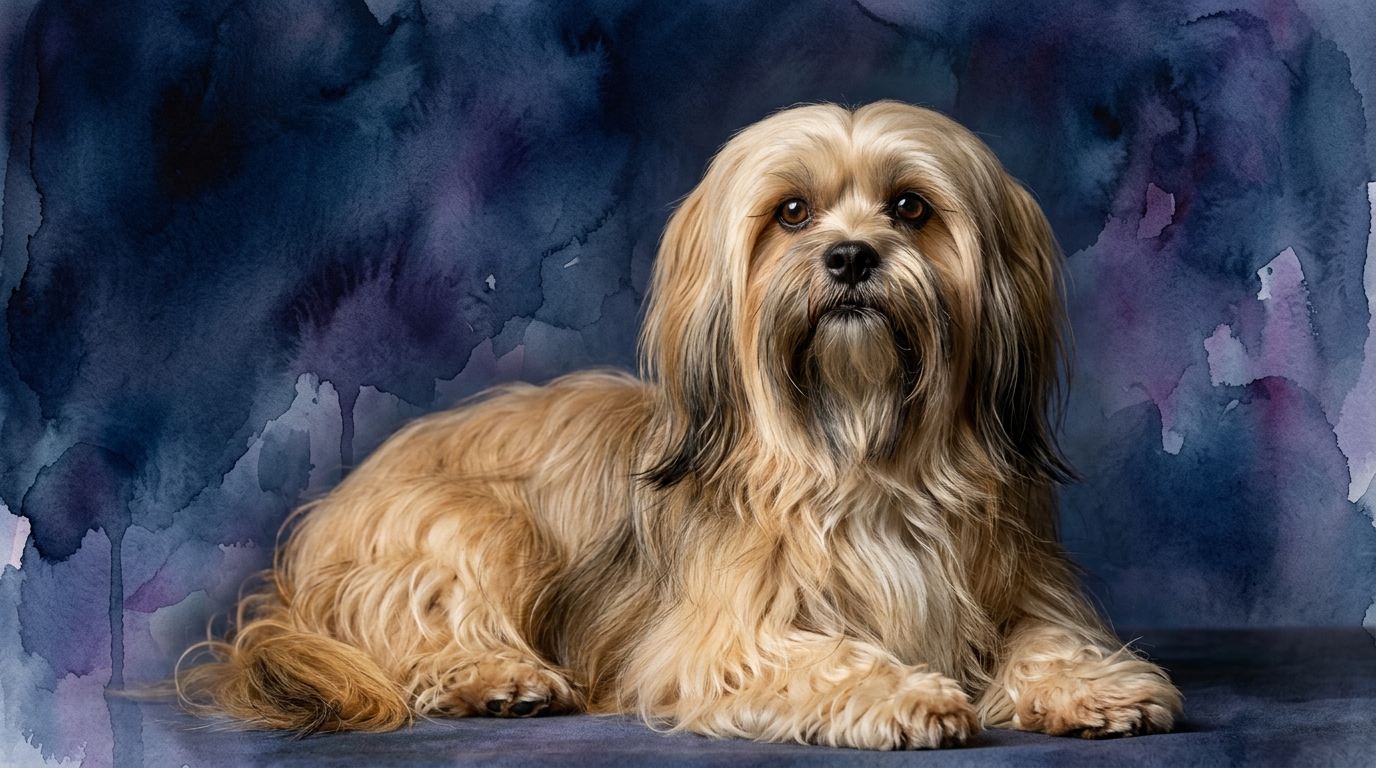
Side-by-Side IQ Profile: Bridging Divergent Worlds
The Cosmic Pet Pet IQ Lab employs a five-dimensional framework to assess canine cognition, and it's fascinating to observe how two breeds with such divergent origins arrive at identical scores. Let's explore what a 3/5 rating means for each breed across Problem Solving, Training Speed, Social Intelligence, Instinctive Drive, and Memory. For the Black and Tan Coonhound, a scent hound purpose-bred for tracking, Problem Solving (3/5) manifests as their adeptness at navigating complex terrain and overcoming physical obstacles in pursuit of a scent trail. This isn't about abstract puzzles, but practical, goal-oriented solutions in a dynamic outdoor environment, like finding a way around a fallen log to stay on track. Their Training Speed (3/5) reflects a deliberate learning pace; while capable of grasping commands, their powerful olfactory focus can make immediate compliance secondary to an intriguing scent, requiring patient and consistent motivation. Social Intelligence (3/5) for a Coonhound often centers on their pack dynamics and family loyalty; they are typically affable companions but their primary 'work' focus is external, not always on subtle human emotional cues. Their Instinctive Drive (3/5) is overwhelmingly dominated by their profound scenting and tracking impulse, expressed through their baying and relentless pursuit. Finally, Memory (3/5) in a Coonhound is particularly robust for scent profiles, trail routes, and locations associated with their outdoor pursuits, recalling complex patterns in their hunting grounds.
The Lhasa Apso, historically a sentinel dog from the Tibetan plateaus, presents a different interpretation of these same scores. Their Problem Solving (3/5) often involves their acute awareness of their environment, figuring out the best vantage points for observation or discerning unusual sounds that warrant an alert. It’s less about physical navigation and more about situational assessment within their domain. Their Training Speed (3/5) is influenced by an independent and sometimes stubborn streak, a legacy of their watchdog role where self-reliance was paramount; they learn, but often on their own terms, demanding consistent, positive reinforcement rather than rote obedience. Social Intelligence (3/5) in a Lhasa Apso is acutely focused on their immediate family, often forming deep, perceptive bonds where they read their owner's moods and routines with surprising accuracy, while remaining aloof or wary of strangers as part of their protective nature. Their Instinctive Drive (3/5) is primarily expressed through their territorial guarding instincts, manifesting as vigilant barking and a self-assured demeanor, rather than a prey drive. Memory (3/5) for a Lhasa Apso is strong for routines, distinguishing familiar faces from potential intruders, and recalling past interactions, crucial for their role as a discerning household guardian.
Where the Black and Tan Coonhound Cognitively Excels
When examining specific cognitive strengths, the Black and Tan Coonhound truly excels in domains directly tied to their heritage. Their prowess in scent-based problem solving is virtually unparalleled; they possess an extraordinary ability to follow a cold trail, discerning minute changes in scent concentration, and navigating intricate landscapes solely through olfaction, a feat that would confound most other breeds. This isn't merely detecting a scent, but interpreting a complex tapestry of odors over vast distances and varied conditions. Furthermore, their endurance and unwavering focus in pursuit represent a unique cognitive advantage. A Coonhound can maintain intense concentration on a single scent for hours, covering significant ground without faltering, demonstrating a mental fortitude and singular purpose that is a hallmark of their breed. This sustained mental engagement in a demanding task showcases a deep-seated cognitive resilience. Lastly, their capacity for independent decision-making in the field is a distinct win. Unlike many breeds that rely heavily on human direction, Coonhounds, once on a trail, make autonomous choices based on the scent, adapting their path and strategy without constant handler input. This self-directed navigation, driven by an inherent understanding of their task, underscores a specialized form of practical intelligence.
Where the Lhasa Apso Demonstrates Cognitive Superiority
Conversely, the Lhasa Apso demonstrates cognitive strengths that are finely tuned to their historical role as vigilant companions and protectors. Their acute situational awareness for home security is a standout attribute; they possess an almost uncanny ability to perceive and interpret their domestic environment, quickly identifying anomalies, unusual sounds, or unfamiliar presences, and alerting their family with precision. This isn't random barking, but a discerning assessment of potential threats. They also exhibit a superior aptitude for reading subtle social cues within their family unit. Lhasas often form remarkably deep bonds with their owners, becoming highly attuned to their moods, routines, and unspoken expectations, frequently anticipating needs or reacting to emotional shifts with sensitivity. This sophisticated understanding of human-canine social dynamics is a cornerstone of their companionship. Moreover, their adaptability to indoor living and domestic routines highlights a distinct cognitive advantage. Despite their ancient origins, Lhasas integrate seamlessly into modern homes, quickly grasping household rules, understanding boundaries, and navigating the complexities of indoor life with a self-assured independence. This adaptability, coupled with their discerning nature, allows them to thrive as cherished, albeit sometimes opinionated, members of the family.
Training Dynamics: A Tale of Two 3/5s
Given that both breeds share a 3/5 rating for Training Speed, neither is inherently 'easy' in the conventional sense, but the nature of their training challenges differs significantly, stemming from their foundational behavioral drivers. The Black and Tan Coonhound's primary hurdle in training is their potent instinctive drive. Their nose is their world, and once a compelling scent is detected, their breeding dictates that they follow it, often overriding immediate human commands. This makes recall particularly challenging in an uncontrolled outdoor environment; training requires immense patience, extremely high-value rewards, and consistent reinforcement to even begin to compete with the allure of a captivating trail. Their independent working style means they are less inclined to constant human direction and more prone to making their own scent-driven decisions. The Lhasa Apso, while not distracted by scent in the same way, presents a different type of challenge rooted in their independent and sometimes stubborn disposition, a characteristic refined over centuries as vigilant, self-reliant guardians. They learn quickly but often choose when and if to comply, requiring a trainer who understands canine motivation and can make training a rewarding and engaging experience rather than a battle of wills. House-training, for example, can sometimes be a test of an owner's consistency and patience with a Lhasa. In essence, while both require dedication, the Coonhound's training demands focus on redirecting or managing an overwhelming instinct, whereas the Lhasa's demands focus on consistent motivation and establishing clear, respectful boundaries to harness their independent spirit.
Matching Canine Cognition to Lifestyle
The choice between a Black and Tan Coonhound and a Lhasa Apso largely depends on an owner's lifestyle and their capacity to meet distinct breed needs. The Black and Tan Coonhound is unequivocally suited for active owners. These dogs require substantial physical exercise, not just a casual stroll around the block. They thrive on opportunities to use their incredible noses, meaning owners who enjoy long hikes, scent work, or participating in tracking sports will find a fulfilling partnership. Their stamina allows them to cover vast distances, and their mental stimulation is often tied to engaging their olfactory senses. Furthermore, their characteristic baying can be quite vocal, making them less ideal for relaxed, quiet households or apartment living where noise might be an issue. In contrast, the Lhasa Apso is generally a better fit for more relaxed, but certainly not sedentary, owners. While they enjoy regular walks and playtime, their overall exercise needs are moderate compared to a Coonhound. They are well-adapted to apartment living and prefer being close to their family, often content to observe their domain from a comfortable perch. However, 'relaxed' does not mean 'hands-off'; Lhasas still require consistent mental engagement, social interaction, and proper training to manage their protective instincts and occasional stubbornness. Their watchdog barking, while not as sustained as a Coonhound's baying, still requires management for a peaceful household. Ultimately, the Coonhound demands an owner who embraces outdoor adventure and a vocal companion, while the Lhasa thrives with an owner who appreciates a vigilant, affectionate indoor companion with a strong personality.
The Verdict
Opt for a Black and Tan Coonhound if you are an active, outdoors-oriented individual who delights in a dog with unparalleled scenting abilities, enjoys tracking or scent work, and is prepared for a vocal companion with significant exercise demands.
Select a Lhasa Apso if you seek a vigilant, affectionate, and sometimes opinionated companion who thrives in a domestic setting, offers unwavering loyalty, and requires moderate exercise with consistent mental engagement.
🧠 Find Your Pet's IQ Score
Our Pet IQ Lab assessment covers 25+ tests across 5 cognitive dimensions — personalized to your breed.
Take the Full IQ Test →Frequently Asked Questions
Do Black and Tan Coonhounds bark a lot?
Black and Tan Coonhounds are known for their characteristic 'baying,' a distinct, deep vocalization used during tracking. While not constant barking, this baying is a significant part of their communication and can be quite loud, especially when they are on a scent or excited. Owners should be prepared for their vocal nature.
Are Lhasa Apsos good with children?
Lhasa Apsos can be good with respectful, older children who understand how to interact gently with dogs. Due to their independent and sometimes protective nature, they may not tolerate rough play from very young children. Early socialization and supervision are crucial for positive interactions.
How much grooming does a Lhasa Apso require?
Lhasa Apsos possess a long, flowing double coat that requires significant grooming to prevent mats and tangles. Daily brushing is often necessary, along with regular professional grooming or trimming every 6-8 weeks. Their coat is a hallmark of the breed and demands consistent attention.