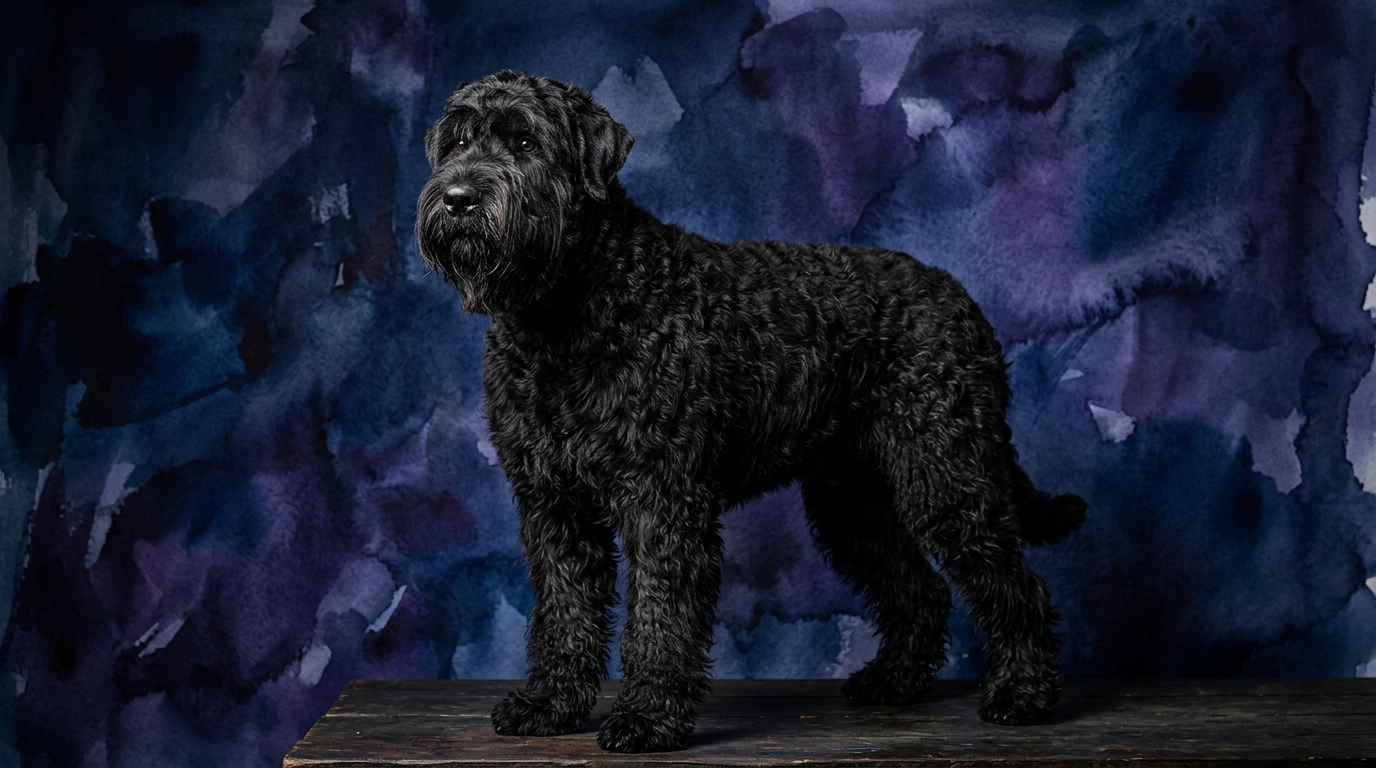
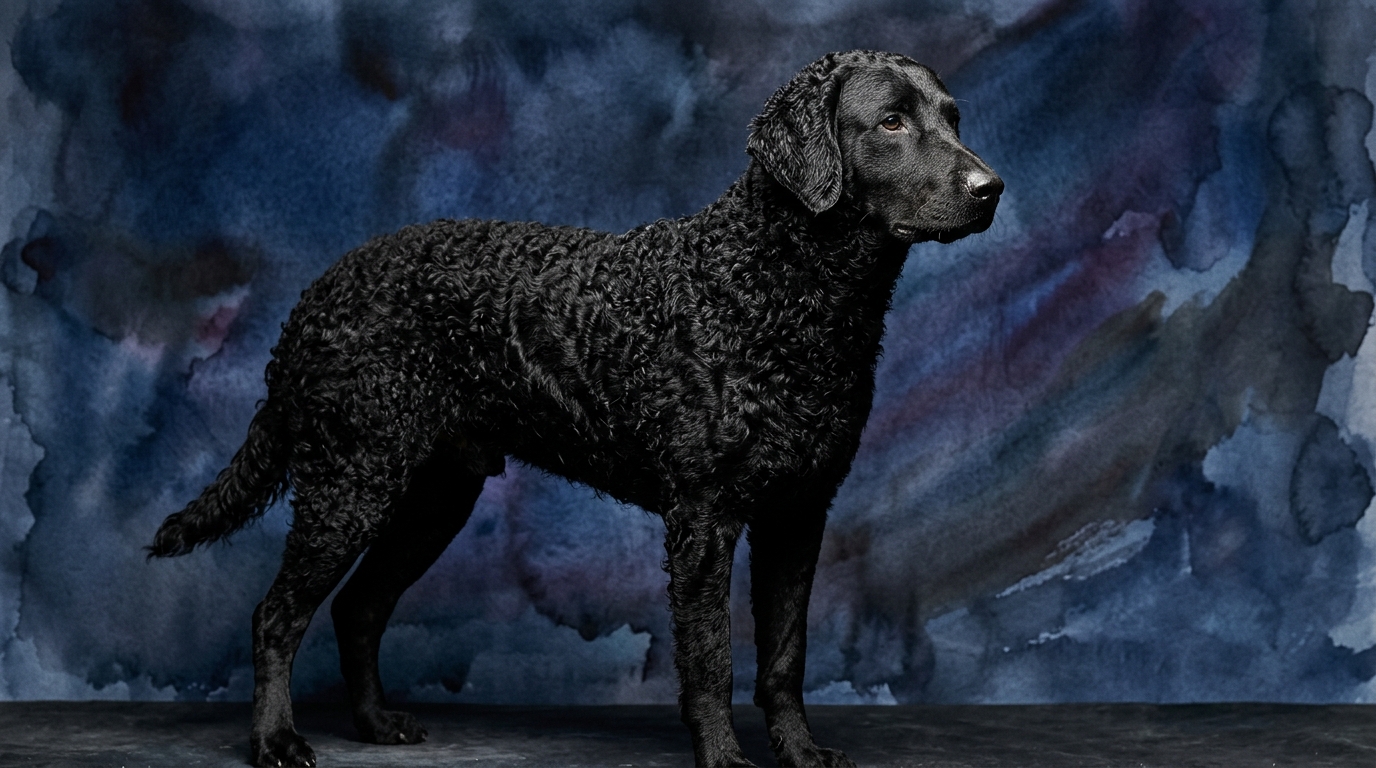
Side-by-Side IQ Profile
The Cosmic Pet Pet IQ Lab assesses canine intelligence across five key dimensions, providing a granular view of each breed's mental aptitudes. For the Black Russian Terrier, a breed from the Working group, we observe a consistent performance across the board: Problem Solving registers at 3/5, indicating a moderate capacity for independent thought and figuring out novel challenges, suggesting they can adapt but might not always seek the quickest solution. Their Training Speed also stands at 3/5, meaning they absorb new commands and routines at a steady pace, requiring consistent, clear instruction rather than rapid-fire learning. Social Intelligence is rated 3/5, suggesting they competently interpret human and canine cues but might maintain a degree of self-sufficiency or aloofness. Instinctive Drive, at 3/5, points to a functional level of inherent behaviors, such as guarding or protection, without being overwhelmingly intense or single-minded. Finally, their Memory is also 3/5, signifying a solid ability to recall learned experiences and commands over time. This balanced profile suggests a robust, adaptable mind, well-suited to diverse tasks requiring sustained focus.
In contrast, the Curly-Coated Retriever, a member of the Sporting group and notably Coren-ranked #41, presents a largely similar cognitive foundation with one key distinction. Like the Black Russian Terrier, their Problem Solving ability is 3/5, demonstrating a practical approach to navigating obstacles or new situations. Their Training Speed also rates 3/5, indicating they learn at a comparable pace, receptive to instruction but not necessarily instantaneous in their grasp. Social Intelligence is likewise 3/5, showing an adequate capacity to read and respond to social cues, fostering cooperative interactions. Instinctive Drive also scores 3/5, reflecting their inherent drive for retrieving and working alongside humans, present but typically manageable. The significant divergence appears in their Memory, which is rated 4/5. This enhanced memory suggests a superior ability to retain information, recall complex sequences, and remember past experiences with greater fidelity, a crucial asset for a breed designed for intricate field work. This higher memory score, coupled with their Coren ranking, highlights a specific cognitive strength tailored to their retrieving heritage.
Where Black Russian Terrier Wins Cognitively
The Black Russian Terrier's cognitive strengths lie in its balanced and consistent performance across all five dimensions, particularly in scenarios demanding independent judgment and sustained application of learned skills. While no single dimension stands out with an exceptionally high score, their uniform 3/5 in Problem Solving, Training Speed, Social Intelligence, Instinctive Drive, and Memory indicates a robust, all-around mental resilience. This balance allows them to excel in roles requiring self-reliance and the ability to operate effectively without constant human oversight. For instance, their Problem Solving at 3/5 means they are capable of assessing situations and making choices, perhaps with a more deliberate, less impulsive approach than a breed with a higher, more specialized problem-solving score. Their moderate Instinctive Drive (3/5) means they possess inherent working tendencies without being overwhelmed by a single, intense focus, allowing them to engage in a broader spectrum of tasks. This broad, stable cognitive platform makes them particularly adept at complex, multi-faceted tasks that draw upon a blend of skills, rather than relying on a singular outstanding trait. They possess a deep-seated capacity for self-sufficiency and the methodical application of their intellect, making them formidable in roles requiring steadfastness and independent decision-making over rapid, reactive responses.
Where Curly-Coated Retriever Wins Cognitively
The Curly-Coated Retriever's primary cognitive advantage is unequivocally its superior Memory, rated at 4/5. This higher score signifies an exceptional ability to recall and retain learned behaviors, intricate commands, and past experiences with remarkable accuracy and longevity. For a breed originally developed for retrieving game over varied terrain, this enhanced memory is invaluable. It means they can better remember complex sequences of commands, the locations of fallen birds, or the nuances of specific training drills, leading to more reliable performance over time. This cognitive strength significantly impacts their capacity for advanced obedience, field trials, and any activity requiring a sequence of precise actions. While their Training Speed is 3/5, meaning they learn new things at a moderate pace, their 4/5 Memory ensures that once a lesson is learned, it is deeply ingrained and less likely to be forgotten, reducing the need for constant refresher training. Furthermore, their Coren ranking of #41 supports this, indicating a strong general capacity for understanding and obeying human commands, which is heavily reliant on memory recall. This breed's mental architecture is finely tuned for accumulating and applying a vast library of remembered information, making them highly dependable in structured, sequential tasks.
Which is Easier to Train and Why
When considering ease of training, the distinction between these two breeds becomes clearer, primarily due to the Curly-Coated Retriever's superior memory. Both breeds share a Training Speed of 3/5, suggesting they take a similar amount of time to initially grasp a new command or concept. However, the Curly-Coated Retriever's Memory at 4/5 means that once a behavior is learned, it is retained far more effectively. This translates to less need for repetitive reinforcement over the long term and a greater ability to build upon previously learned skills without significant regression. For instance, teaching a Curly-Coated Retriever a multi-step retrieve sequence might take a moderate initial effort, but they are more likely to remember and execute that sequence reliably weeks or months later without extensive refreshers. Their Sporting group background also often instills a strong desire to work cooperatively with their human partners, which can translate to greater engagement during training sessions.
The Black Russian Terrier, with a Training Speed of 3/5 and Memory of 3/5, requires more consistent and ongoing reinforcement to maintain a high level of performance. While they are certainly trainable, their balanced memory means that skills might fade more readily without regular practice. Their Working group heritage often means they are more independent thinkers, sometimes evaluating the necessity of a command rather than executing it immediately. This independence, coupled with a moderate memory, means training must be particularly engaging, consistent, and reward-based to prevent boredom or defiance. Real behavioral differences might manifest as a Curly-Coated Retriever recalling a complex routine with enthusiasm after a break, while a Black Russian Terrier might need a few warm-up repetitions to get back into the rhythm, especially if the task isn't inherently motivating to them. Therefore, for an owner seeking a dog that retains training with minimal ongoing effort, the Curly-Coated Retriever presents an easier path due to its cognitive advantage in memory.
Which Suits Active Owners vs. Relaxed Owners
Understanding their cognitive profiles helps in matching these breeds with suitable lifestyles. The Black Russian Terrier, with its balanced 3/5 scores across all dimensions, including Instinctive Drive, thrives with owners who are active and committed to providing structured mental engagement and physical activity. Their robust nature and working background mean they are not content to be mere couch potatoes; they need a "job" or purpose to channel their energies. Their Problem Solving and Social Intelligence, while moderate, benefit from consistent challenges and varied interactions, preventing boredom which can lead to undesirable behaviors. Owners who enjoy long walks, obedience training, protection sports, or even just consistent, thoughtful engagement will find the BRT a rewarding companion. They are less suited for truly relaxed owners who prefer minimal interaction or exercise, as their cognitive capacity for independent thought and their moderate drive require an outlet.
The Curly-Coated Retriever, despite also having a 3/5 Instinctive Drive, is generally better suited for highly active owners, particularly those who participate in dog sports or enjoy extensive outdoor activities that leverage their retrieving instincts and superior memory. Their 4/5 Memory means they excel at learning and remembering complex routes, retrieving multiple items, or participating in agility and field trials. They have a strong desire to work alongside their human companions and benefit immensely from tasks that engage both their body and their mind. A truly relaxed owner who offers infrequent exercise or mental stimulation would likely find a Curly-Coated Retriever to be a handful, as their cognitive framework is geared towards purposeful action and recall. Their Coren ranking further implies a dog that generally enjoys working with people, making them eager participants in active endeavors. While both breeds require active engagement, the Curly-Coated Retriever's specific cognitive strengths make it an exceptional partner for owners dedicated to advanced training and outdoor adventures, whereas the Black Russian Terrier appreciates purpose and structure in a broader, more self-directed sense.
The Verdict
Opt for the Black Russian Terrier if you seek a steadfast, self-reliant companion capable of independent thought and consistent performance across a range of tasks, and you are prepared for consistent, engaging training to maintain their balanced cognitive profile.
Select the Curly-Coated Retriever if your priority is a highly trainable partner with exceptional memory, ideal for complex sequential tasks, dog sports, and a life rich in outdoor activities that leverage their strong retrieving instincts.
🧠 Find Your Pet's IQ Score
Our Pet IQ Lab assessment covers 25+ tests across 5 cognitive dimensions — personalized to your breed.
Take the Full IQ Test →Frequently Asked Questions
Does a Coren ranking indicate overall intelligence?
A Coren ranking primarily indicates a breed's capacity for obedience and working intelligence, specifically their ability to understand and obey human commands. It doesn't encompass the full spectrum of cognitive abilities like problem-solving or social intelligence, which are equally important aspects of a dog's mental makeup.
How does 'Instinctive Drive' impact a dog's daily life?
'Instinctive Drive' reflects a dog's inherent tendencies, such as guarding, herding, or retrieving. A moderate drive (3/5) means these instincts are present and functional but generally manageable, requiring appropriate outlets without dominating their behavior. Higher drives might necessitate more dedicated training and specific activities to satisfy their inherent urges.
Is a dog with 3/5 Problem Solving capable of learning complex tasks?
Yes, a dog with 3/5 Problem Solving is certainly capable of learning complex tasks. This score indicates a moderate capacity for independent thought and figuring things out. While they might not devise novel solutions as quickly as a 5/5 rated breed, they can still master intricate challenges with consistent guidance and exposure.