Side-by-Side IQ Profile: Unpacking Identical Scores
Both the Black Russian Terrier (BRT) and the Irish Terrier (IT) register a solid 3 out of 5 across all evaluated cognitive dimensions: Problem Solving, Training Speed, Social Intelligence, Instinctive Drive, and Memory. This consistent mid-range score suggests capable, adaptable minds, yet the specific ways these breeds manifest these cognitive abilities are quite divergent, influenced heavily by their lineage and intended purposes.
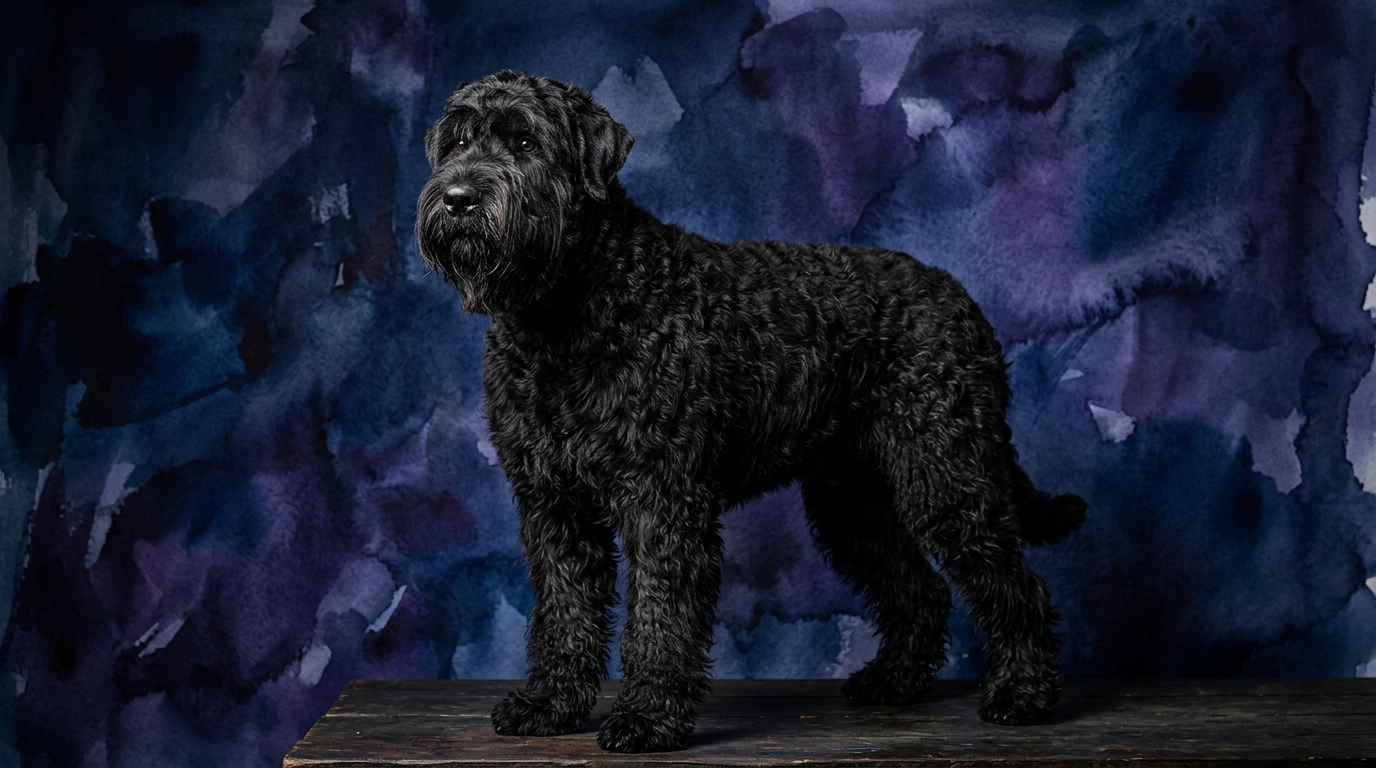
For the Black Russian Terrier, a breed developed for military work, a 3/5 in Problem Solving often translates to effectively navigating complex tasks involving resource guarding or multi-stage protection scenarios, requiring methodical thought to achieve a specific outcome. Their 3/5 Training Speed indicates they can assimilate new commands and routines at a steady pace, particularly when the tasks align with their protective instincts and desire for a defined 'job'. Social Intelligence at 3/5 means they are generally adept at reading human cues within their established family unit, understanding dynamics of threat and safety. Their Instinctive Drive, also 3/5, is typically channeled into guarding, patrolling, and territorial defense, a powerful inherent motivation. Finally, a 3/5 in Memory suggests they reliably recall training, past experiences, and the specific individuals or situations associated with those memories, which is crucial for their protective duties.
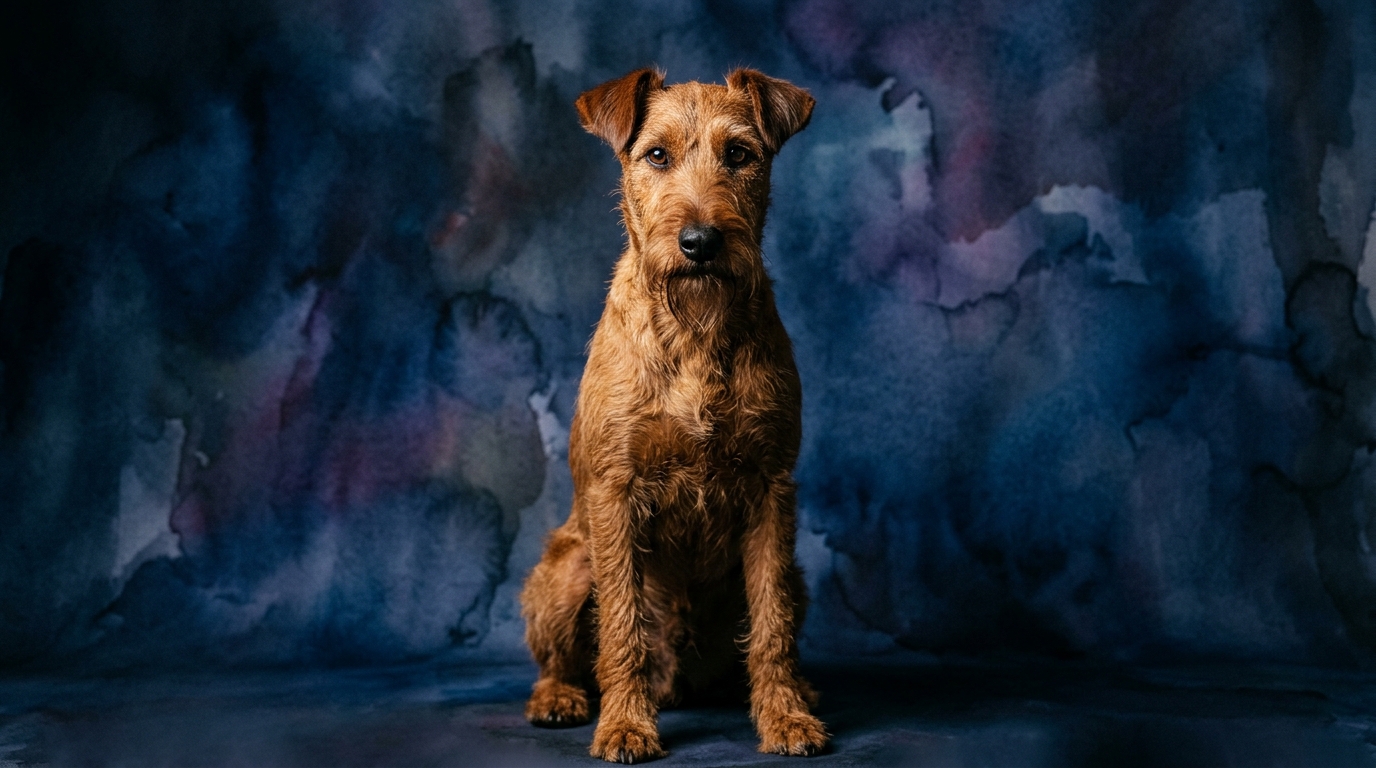
The Irish Terrier, on the other hand, a tenacious vermin hunter, applies its 3/5 Problem Solving to independently strategizing how to flush out prey from intricate spaces or overcoming physical obstacles in pursuit. Their 3/5 Training Speed means they learn new concepts efficiently, though their terrier independence might make them question the *necessity* of certain repetitive drills, requiring engaging, varied methods. Social Intelligence at 3/5 for an Irish Terrier often manifests as a keen awareness of their immediate environment and the intentions of unfamiliar individuals or animals, crucial for navigating potential conflicts or opportunities while hunting. Their Instinctive Drive, at 3/5, is strongly geared towards a high prey drive, persistence, and an adventurous spirit, pushing them to explore and pursue. A 3/5 Memory allows them to retain knowledge of hunting grounds, past successful strategies, and the boundaries of their territory, contributing to their self-reliant nature.
Where the Black Russian Terrier Wins Cognitively
While both breeds share identical scores, the Black Russian Terrier demonstrates a particular cognitive edge in structured, purposeful application of its intellect. Its background as a working dog bred for specific, often serious, tasks means its problem-solving and memory are finely tuned for operational efficiency. This manifests in a superior capacity for understanding and executing multi-step commands that contribute to a larger objective, such as a complex protection routine or navigating an obedience course with precision, where each action builds upon the last.
The BRT's social intelligence, while rated the same, often excels in discerning subtle shifts in human body language within a handler-dog team context, especially when it pertains to perceived threats or changes in command intent. This allows for a more nuanced partnership in tasks requiring vigilance and quick, appropriate responses. Their instinctive drive, channeled into guarding and protection, means they are often more internally motivated by the *concept* of their duty, making them more predictable and reliable in roles demanding consistent, serious engagement.
Where the Irish Terrier Wins Cognitively
The Irish Terrier's cognitive strengths lie in its independent thought and adaptability in dynamic, unpredictable environments. Its problem-solving, though rated 3/5, is often more improvisational and self-directed, excelling at figuring out novel solutions on the fly when faced with an unexpected challenge, such as finding a way around an obstacle during a chase rather than waiting for handler instruction. This reflects its history as a solo hunter, where quick, unassisted decisions were paramount for survival and success.
The IT's instinctive drive, a 3/5, grants it an unparalleled tenacity and a 'never-give-up' attitude, particularly when pursuing something that has captured its interest. This translates into a remarkable persistence in tasks that require self-motivation and a strong will to overcome. Their memory, while equal in score, might be particularly robust for spatial awareness and remembering the specific locations of interesting scents or prior successful 'hunts' around their territory, enabling them to efficiently revisit promising areas.
Which Is Easier to Train and Why
When considering ease of training, the Black Russian Terrier typically presents a more straightforward path for owners seeking a compliant working partner. Their 3/5 training speed, combined with their desire to perform a 'job' for their handler, means they are often eager to learn and respond well to consistent, structured training methods. Their social intelligence helps them grasp the handler's expectations and desire to please, making them generally amenable to repetitive drills and achieving high levels of obedience, especially when their protective instincts are engaged.
The Irish Terrier, while equally capable of learning at a 3/5 training speed, can present a greater challenge due to its inherent terrier independence and strong instinctive drive. Their problem-solving abilities often lead them to question the *why* behind a command, and if it doesn't align with their own perceived best interest or an immediate instinct, they might choose to ignore it. Training an Irish Terrier requires creativity, patience, and a deep understanding of positive reinforcement to make tasks feel like a game or a self-chosen activity, rather than a forced compliance. Their memory of past successes in independent endeavors can sometimes make them less inclined to follow a handler's lead if they believe their own method is superior.
Which Suits Active Owners vs. Relaxed Owners
For active owners seeking a canine partner for specific activities or a robust companion for outdoor adventures, both breeds offer considerable potential, but with different nuances. The Black Russian Terrier, with its strong working drive and desire for purpose, thrives with active owners who can provide consistent training, engage in dog sports like protection work, advanced obedience, or competitive tracking, and offer plenty of mental stimulation. Its substantial physical presence and need for regular, vigorous exercise mean it suits owners who are committed to integrating their dog into a highly structured, active lifestyle.
The Irish Terrier also requires an active owner, but one who appreciates a more free-spirited companion for activities like hiking, trail running, or agility where their natural agility and problem-solving skills can shine. They are less about rigid structure and more about dynamic engagement, enjoying spontaneous adventures and opportunities to explore. For relaxed owners, neither breed is ideal. Both possess significant instinctive drives and cognitive capacities that require consistent mental and physical outlets, making them unsuitable for a sedentary lifestyle. A relaxed owner might find themselves overwhelmed by the unmet cognitive and physical needs of either a BRT or an IT, leading to frustration for both dog and human.
The Verdict
Choose the Black Russian Terrier if you are an experienced owner seeking a dedicated, protective working partner who thrives on structured training and a clear sense of purpose within a family unit.
Opt for the Irish Terrier if you appreciate an independent, spirited companion with a keen mind, a tenacious drive, and a playful approach to problem-solving, provided you can meet its needs for engaging activity and clever training.
🧠 Find Your Pet's IQ Score
Our Pet IQ Lab assessment covers 25+ tests across 5 cognitive dimensions — personalized to your breed.
Take the Full IQ Test →Frequently Asked Questions
Do identical IQ scores mean these breeds are equally easy to live with?
Not necessarily. While both breeds score 3/5 across the board, their application of these cognitive abilities differs. The Black Russian Terrier's working background often means it's more amenable to structured living, while the Irish Terrier's independent nature requires a different approach to management and training.
Can an Irish Terrier be trained for protection work like a Black Russian Terrier?
While an Irish Terrier possesses problem-solving and drive, its inherent independence and smaller stature make it less suited for the specific, rigorous protection work a Black Russian Terrier excels at. Their drives manifest differently, with the IT's focus more on prey drive and self-reliance rather than handler-directed defense.
Which breed is better for a first-time dog owner?
Neither breed is typically recommended for a first-time dog owner due to their strong personalities, significant exercise needs, and the specific training approaches required. Both benefit immensely from experienced handlers who understand their breed-specific cognitive tendencies and can provide consistent, appropriate guidance.