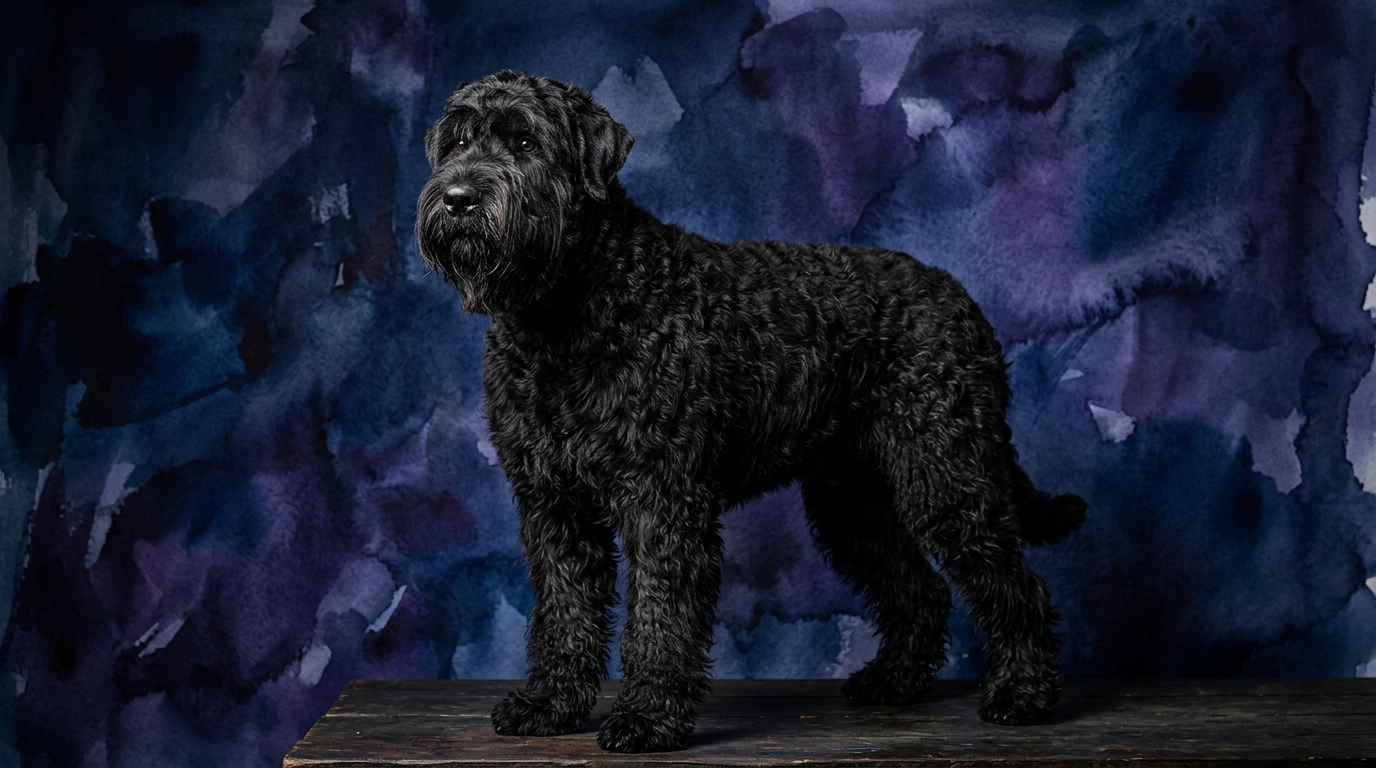
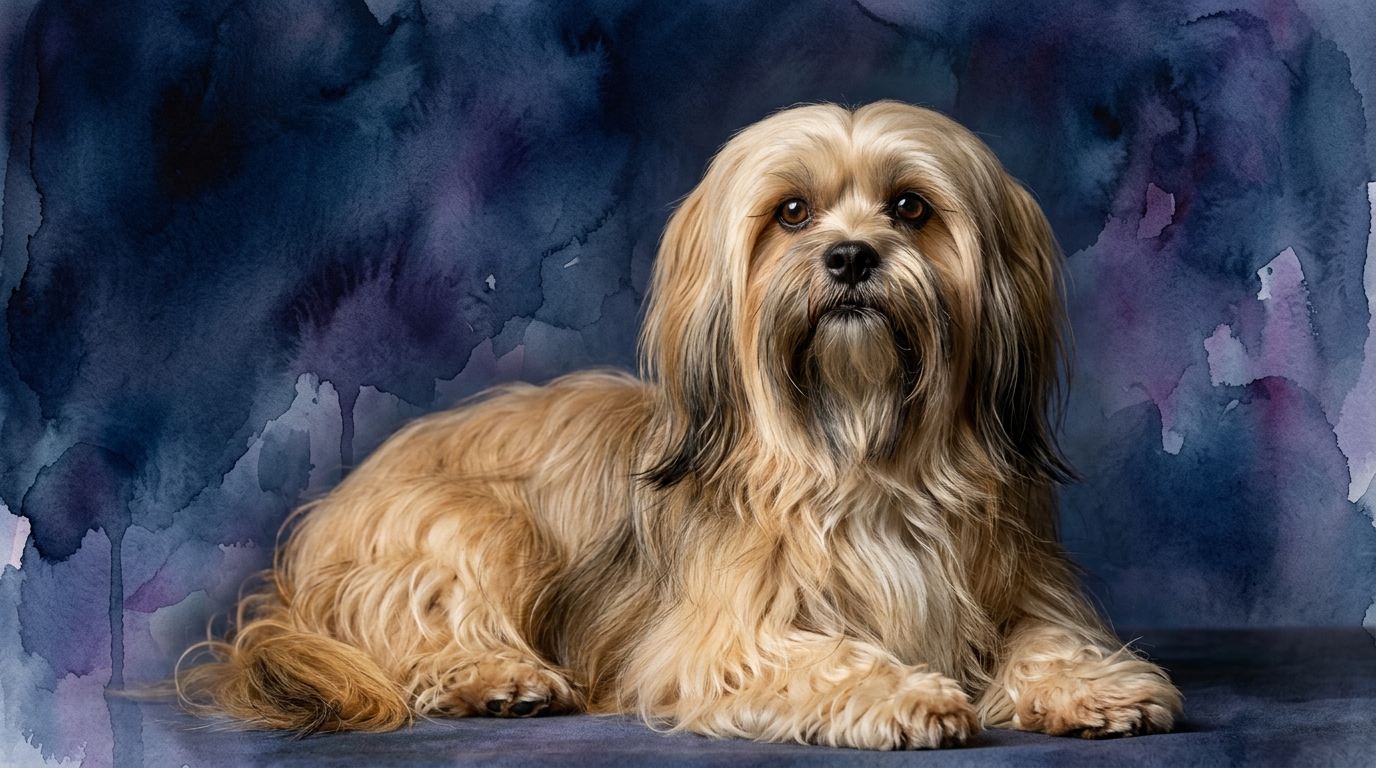
Side-by-Side IQ Profile: Unpacking the 3/5 Score
At first glance, the Cosmic Pet Pet IQ Lab scores for both the Black Russian Terrier and the Lhasa Apso present a fascinating uniformity: each breed registers a solid 3 out of 5 across all five cognitive dimensions. This identical numerical rating, however, belies the distinct ways these breeds apply their mental capacities, shaped by centuries of selective breeding for specific purposes. It's not about one being 'smarter,' but how their particular cognitive strengths are expressed in their world.
For the Black Russian Terrier, a formidable member of the Working Group, a 3/5 in Problem Solving indicates a capacity for learning complex, multi-step tasks crucial for protection and duty, often involving discernment in dynamic situations. Their 3/5 Training Speed suggests they respond well to consistent, structured guidance, absorbing lessons that align with their inherent purpose, though they are not instant learners. Social Intelligence at 3/5 means they are astute at reading their family's cues and identifying potential threats, focusing their social acumen on security. An Instinctive Drive of 3/5 highlights their pronounced guarding and territorial instincts, a core part of their being, while a Memory score of 3/5 reflects their ability to retain routines, commands, and threat assessments over time, essential for a reliable protector.
Conversely, the Lhasa Apso, a cherished member of the Non-Sporting Group with a Coren ranking of #68, interprets these same 3/5 scores through the lens of a discerning companion and vigilant watchdog. Their 3/5 in Problem Solving often manifests as resourcefulness in navigating their home environment, figuring out how to achieve comfort, or subtly manipulating situations for attention. A 3/5 Training Speed suggests they learn at a moderate pace, often requiring patience and positive reinforcement to overcome an independent streak. Social Intelligence at 3/5 showcases their sharp perception of human emotions and household dynamics, allowing them to bond deeply and offer nuanced companionship. Their 3/5 Instinctive Drive is strongly tied to territorial alert barking and a keen awareness of their surroundings, serving as an excellent home alarm. Finally, a 3/5 Memory means they retain personal preferences, family routines, and past interactions, contributing to their consistent personality.
Where the Black Russian Terrier Excels Cognitively
Despite sharing identical numerical scores, the Black Russian Terrier's cognitive strengths shine in the realm of practical application and purposeful work. Their 3/5 Problem Solving isn't about abstract puzzles, but about effectively discerning and reacting to real-world scenarios demanding vigilance and control. They excel at figuring out how to execute complex protective tasks, such as patrolling a perimeter, assessing a stranger's intent, or executing multi-stage obedience commands under pressure. This is a mind geared towards operational effectiveness.
Their 3/5 Social Intelligence is particularly acute when it comes to reading their handler's serious intent and understanding the nuances of a potential threat. A Black Russian Terrier is adept at interpreting subtle shifts in body language or tone that signify a security concern, making them highly attuned to their family's safety needs. This social acumen is deeply integrated with their 3/5 Instinctive Drive for guarding, allowing them to apply their protective impulses with a measured response, rather than indiscriminate aggression, provided they receive appropriate training and socialization. Their memory (3/5) is particularly robust for recalling who belongs and who doesn't, and for retaining complex routines associated with their protective duties, ensuring consistent performance in their role.
Where the Lhasa Apso Excels Cognitively
The Lhasa Apso, while possessing the same 3/5 scores, demonstrates cognitive prowess in a distinctly different arena: astute observation, social finesse, and self-serving ingenuity within their domestic domain. Their 3/5 Problem Solving often manifests as a cleverness for navigating household challenges to their advantage, like finding the warmest sunbeam, getting access to a forbidden sofa, or subtly convincing their owners for an extra treat. This isn't about grand tasks, but about resourceful, everyday life optimization.
Their 3/5 Social Intelligence is a masterclass in reading human emotions and subtle household dynamics. A Lhasa Apso often understands their family's moods, knowing precisely when to offer comfort or when to demand attention with a charming persistence. This nuanced social understanding allows them to integrate seamlessly into family life, often becoming the emotional barometer of the home. Furthermore, their 3/5 Instinctive Drive, expressed as a keen territoriality and vocal alerting, demonstrates exceptional cognitive awareness of their immediate surroundings. They are quick to process and react to novel sounds or sights, acting as highly effective, albeit sometimes noisy, watchdogs, remembering every perceived intrusion with remarkable fidelity (3/5 Memory).
Training Ease and Behavioral Nuances
When considering training ease, the identical 3/5 Training Speed scores for both breeds are deceptive, as their underlying motivations and behavioral tendencies diverge significantly. The Black Russian Terrier, given their working heritage, often approaches training with a desire for purpose and structure. They are capable of learning complex commands and multi-step tasks, but they require a confident, consistent handler who establishes clear leadership. Their willingness to work *with* their person for a perceived 'job' can make them responsive, though their strong will means they are not simply automatons. Without clear guidance, their inherent drive can lead to stubbornness or taking charge, making early, firm, and ongoing training essential.
The Lhasa Apso, on the other hand, while equally capable of learning (3/5 Training Speed), often brings an independent and sometimes 'what’s in it for me?' attitude to training sessions. Their Coren rank of #68 indicates they typically require more repetitions to solidify new commands compared to breeds higher on the scale. Training a Lhasa Apso demands patience, positive reinforcement, and making the process enjoyable and rewarding, rather than simply issuing commands. They are adept at charming their way out of tasks they deem unnecessary, and their stubborn streak means a firm but gentle approach is crucial. While both breeds present a moderate training challenge, the Black Russian Terrier's drive for a 'job' can be harnessed more directly, while the Lhasa Apso requires a more nuanced understanding of their independent spirit and desire for comfort.
Suited Lifestyles: Active Owners vs. Relaxed Companions
The lifestyles best suited for these two breeds highlight their distinct cognitive applications. The Black Russian Terrier is unequivocally a breed for active, committed owners. Their substantial physical presence is matched by a need for significant mental engagement and a clear sense of purpose. An owner who can provide consistent, advanced training, ample physical exercise, and opportunities for their guardian instincts to be channeled appropriately will find a loyal and capable partner. This breed thrives when given a 'job,' whether it's protection work, advanced obedience, or competitive dog sports. They are not content with a purely sedentary existence and require owners who are prepared for the dedication involved in managing a powerful, intelligent working dog. A relaxed owner who cannot meet these needs may find themselves with a bored, potentially destructive, and unfulfilled companion.
In contrast, the Lhasa Apso, while certainly enjoying regular walks and playtime, is generally better suited to owners seeking a more relaxed, yet mentally engaging companion within the home. Their activity needs are moderate, but their keen cognitive awareness means they thrive on interaction, companionship, and being an integral part of family life. They are excellent watchdogs, fulfilling their ancient role with diligence, but they don't require the same intense physical or task-oriented demands as a working breed. Owners who appreciate a discerning, independent, and affectionate dog that is content with a comfortable routine and moderate activity will find the Lhasa Apso a delightful match. They are ideal for individuals or families who desire a vigilant home guardian and a charming, perceptive companion without the rigorous demands of a high-drive working dog.
The Verdict
Choose the Black Russian Terrier if you are a dedicated, active owner seeking a powerful, purposeful guardian and working partner, prepared for extensive training and a mentally stimulating environment that channels their strong drives.
Opt for the Lhasa Apso if you desire a discerning, loyal, and charming companion who excels as an alert home guardian, appreciates a comfortable routine, and thrives on a moderate activity level with consistent companionship.
🧠 Find Your Pet's IQ Score
Our Pet IQ Lab assessment covers 25+ tests across 5 cognitive dimensions — personalized to your breed.
Take the Full IQ Test →Frequently Asked Questions
Do their similar IQ scores mean they learn the same way?
Not at all; while both score 3/5, the *context* and *motivation* for their learning differ significantly. A Black Russian Terrier's learning is often task-oriented and driven by purpose, whereas a Lhasa Apso's learning might be more focused on personal comfort or social manipulation.
Is a Black Russian Terrier's protective instinct purely genetic, or can it be trained?
Their strong instinctive drive for protection (3/5) is inherent, but how it manifests is heavily shaped by socialization and training. Proper guidance ensures their natural guarding tendencies are channeled appropriately and safely, rather than becoming reactive.
Does the Lhasa Apso's Coren rank of #68 impact its perceived intelligence?
Coren's ranking primarily assesses 'working intelligence' or obedience, indicating they might require more repetitions to learn new commands than breeds ranked higher. However, it doesn't fully capture their nuanced problem-solving for comfort or their acute social perceptiveness.