Side-by-Side IQ Profile
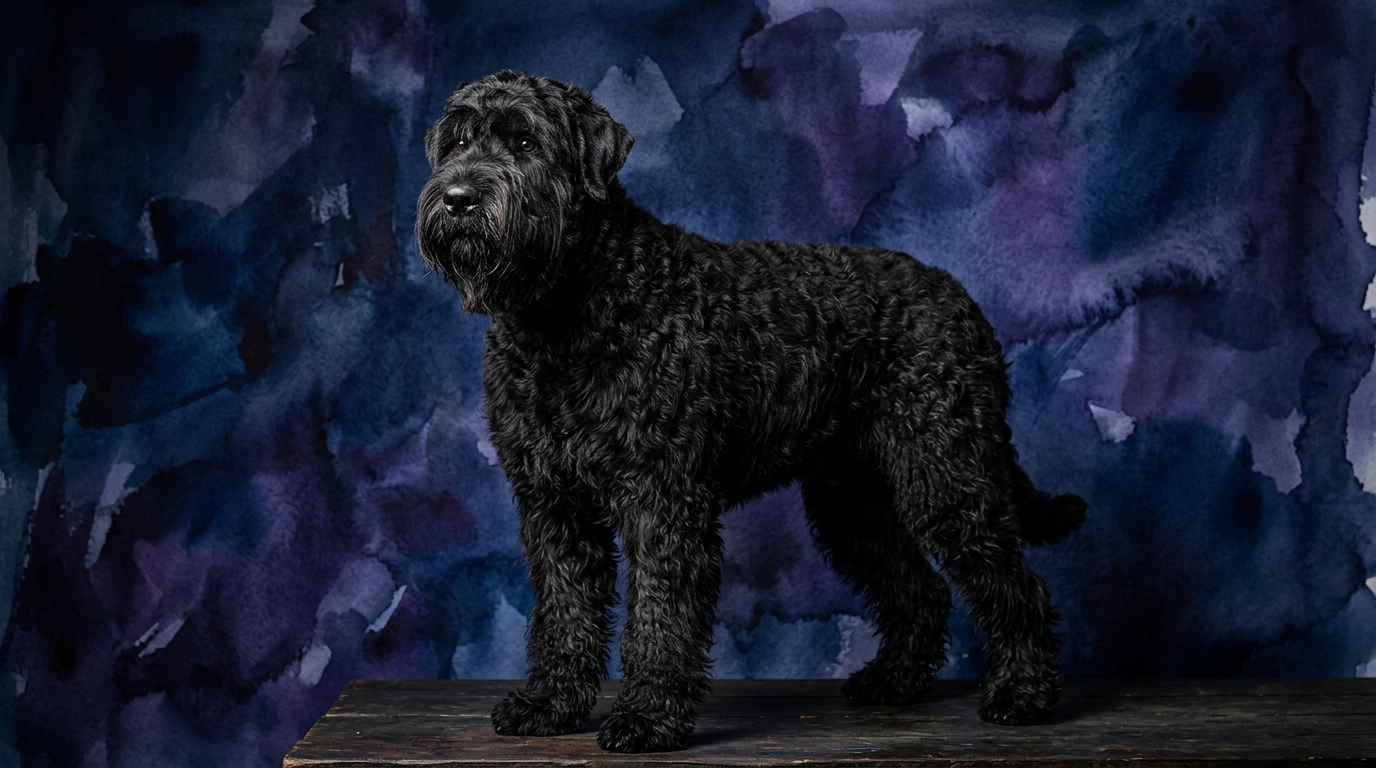
**Black Russian Terrier (Working Dog, Not Coren-ranked):** The Black Russian Terrier approaches problem-solving practically, excelling in tasks requiring environmental assessment for protection or strategic navigation. Their intellect is geared towards identifying threats or achieving specific guarding goals, learning through doing, and applying physical prowess to relevant challenges, less so with abstract puzzles. These powerful dogs learn at a moderate pace, absorbing commands with consistent, clear instruction and positive reinforcement. Their working heritage makes them receptive, but their independent streak demands firm, respectful leadership. They internalize complex sequences once expectations are clear, though they may test boundaries. BRTs exhibit discerning social intelligence, forming deep, protective family bonds. They are acutely aware of family moods and intentions, anticipating needs or perceived threats. Reserved with strangers, they adeptly read social cues within their trusted circle, offering comfort or vigilance, showing nuanced understanding. Their innate drive is strongly rooted in guarding and protection, manifesting as a powerful impulse to survey, respond to intrusions, and maintain a watchful presence. This drive provides foundational motivation for purposeful training in protection or obedience, driving them to fulfill a role. Black Russian Terriers possess robust memory, retaining training, experiences, and routines reliably. They recall commands, individuals, places, and significant situations over time. This strong recall supports consistent learned behaviors and anticipation of environmental patterns.
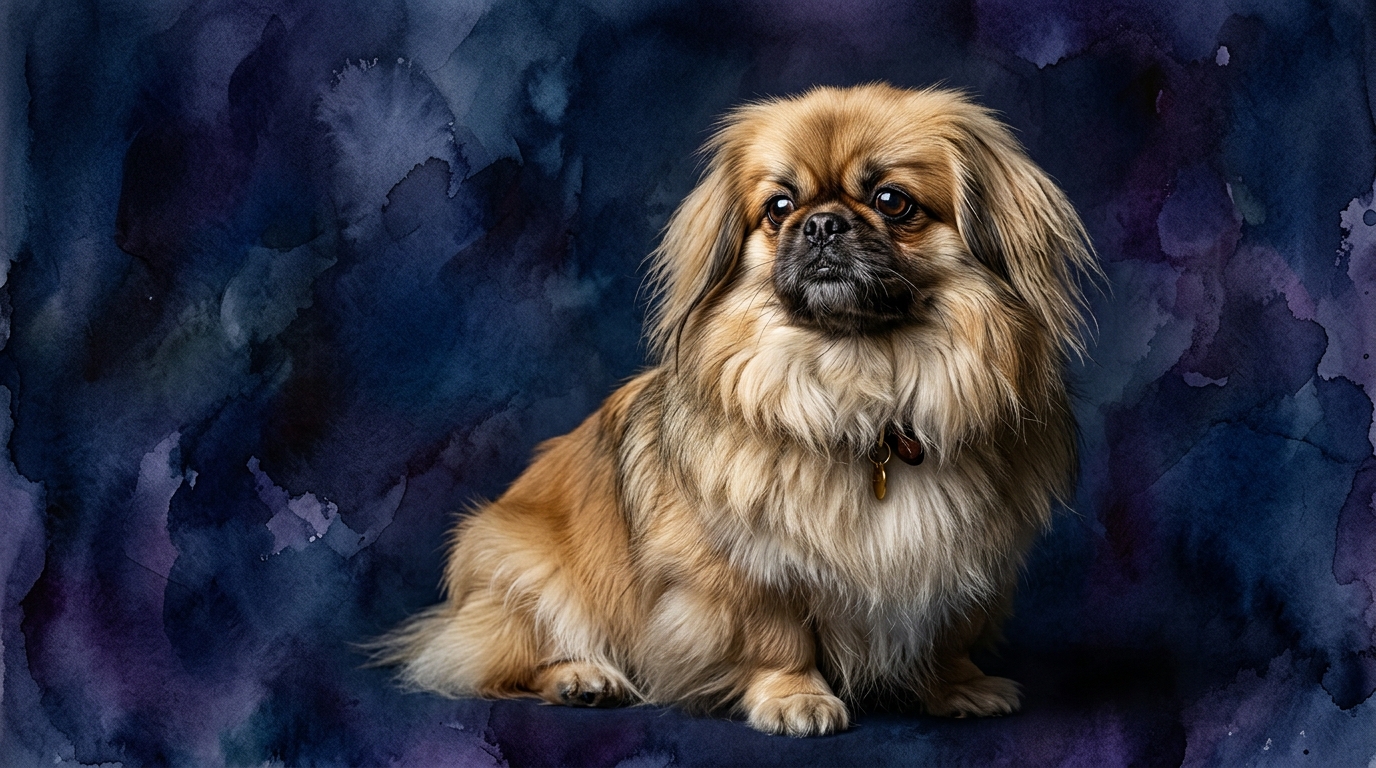
**Pekingese (Toy Dog, Coren rank #77):** The Pekingese applies its problem-solving domestically, excelling in strategizing comfort, attention, or manipulating situations to their advantage—whether finding the best nap spot or securing extra treats. They prioritize practical solutions benefiting their immediate well-being over complex, abstract tasks. While capable, the Pekingese’s training speed is influenced by their independent, stubborn disposition. They learn quickly when highly motivated by food or affection but may ignore commands if inconvenient. Consistency and patience are crucial, as learning often hinges on their willingness, not an intrinsic desire to please. Pekingese exhibit sophisticated social awareness within their human family, mastering the art of reading emotions to elicit comfort or indulgence. They form deep, often exclusive bonds, understanding household dynamics and subtly directing them to their preferences. They are discerning with strangers. The Pekingese’s drive centers on companionship, comfort, and regal self-possession. They need to be near their chosen people, asserting presence and demanding interaction. This includes a strong sense of home territory and desire for predictable, comfortable routines, underpinning their confident independence. Pekingese possess good memory for routines, preferred spots, and key individuals providing affection or treats. They recall actions leading to desired outcomes and past interactions. This memory contributes to consistent behaviors and effective navigation to maximize comfort and enjoyment within their established environment.
Where Black Russian Terrier Wins Cognitively
The Black Russian Terrier’s cognitive strengths shine in scenarios demanding purposeful application and environmental assessment. Their 3/5 problem-solving is specifically honed for complex, multi-stage tasks related to guarding or protection, adeptly processing stimuli to identify anomalies. This demonstrates strategic spatial reasoning a Pekingese would rarely need. Their 3/5 social intelligence manifests as acute awareness of family security, discerning genuine guests from perceived intruders—a nuanced social discernment critical for their working role. Furthermore, their 3/5 memory is particularly robust for intricate training sequences and associating cues with protective responses, allowing reliable execution in high-stakes situations, processing information through utility and security.
Where Pekingese Wins Cognitively
The Pekingese, despite identical numerical ratings, showcases its unique cognitive prowess in domestic social navigation and personal optimization. Their 3/5 problem-solving skill is masterfully applied to "people-problems," like charming an owner for a cuddle or securing an extra treat. This focuses on understanding human behavior for personal benefit. Their 3/5 social intelligence is remarkably sophisticated in reading subtle human emotional cues, allowing them to adapt their demeanor to secure comfort or attention—a skill crucial for a companion animal. They possess an exceptional ability to "train" their owners through persistent, endearing behaviors, a testament to their focused 3/5 memory of what yields desired outcomes. Their cognitive strengths lie in nuanced understanding of the human-animal bond, making them astute manipulators of their immediate social environment.
Which Is Easier to Train and Why
Assessing which breed is "easier" to train, given their identical 3/5 training speed, requires examining their inherent motivations. The Black Russian Terrier, as a working breed, often possesses a strong desire for purpose and to follow a respected leader. While their independence requires consistent, firm, and fair guidance, they generally respond well to structured training that channels their instinctive drive. They thrive on clear expectations and find satisfaction in performing tasks, making them willing partners in obedience or specialized training, motivated by fulfilling a role and pleasing their trusted human. Conversely, the Pekingese’s 3/5 training speed is tempered by their strong-willed, independent nature. They learn commands, but cooperation is contingent on personal interest or immediate reward. They are less driven by a desire to "work" or inherently please, and more by direct benefit. This makes training a patient endeavor, requiring high-value rewards and a game-like approach. While they grasp cues quickly, their selective attention and preference for their own agenda can make consistent, advanced training challenging without highly engaging methods. Their intelligence is often directed inward, towards comfort and desires, rather than outward to instruction.
Which Suits Active Owners vs Relaxed Owners
The Black Russian Terrier is better suited for active owners. Their robust 3/5 instinctive drive and working background demand significant mental and physical engagement. They thrive on having a "job," like protection training, advanced obedience, or regular, vigorous exercise. An owner who enjoys outdoor activities, consistent training, and provides clear leadership will find the BRT a fulfilling companion. Their 3/5 problem-solving abilities are best utilized with complex tasks and opportunities to assess situations, making them excellent partners for an energetic, structured lifestyle. The Pekingese is a perfect match for more relaxed owners. Their 3/5 instinctive drive centers on companionship and comfort, not strenuous activity. While enjoying short, leisurely walks, their physical needs are minimal. Their ideal environment is a comfortable home where they can supervise their domain. Their 3/5 social intelligence makes them excel at intimate companionship, content to be close to their people, observing and charming. Owners appreciating a quiet, affectionate, low-maintenance companion will find the Pekingese’s independent yet devoted personality a perfect fit, preferring a calm, predictable routine where comfort is paramount.
The Verdict
Choose the Black Russian Terrier if you are an experienced, active owner seeking a powerful, protective companion eager for structured training and a purposeful life, valuing their intelligent vigilance.
Opt for the Pekingese if you prefer a charming, independent, and affectionate companion for a relaxed household, appreciating their astute social navigation and minimal exercise needs.
🧠 Find Your Pet's IQ Score
Our Pet IQ Lab assessment covers 25+ tests across 5 cognitive dimensions — personalized to your breed.
Take the Full IQ Test →Frequently Asked Questions
Do Black Russian Terriers need a lot of mental stimulation?
Yes, Black Russian Terriers, with their 3/5 problem-solving and instinctive drive, thrive on mental engagement. They benefit from consistent training, puzzle toys, and activities that allow them to use their guarding instincts in a constructive way, preventing boredom and channeling their energy positively.
Are Pekingese difficult to house-train?
Pekingese can sometimes be challenging to house-train due to their independent nature and smaller bladders. Their 3/5 memory means they learn routines well, but consistency, patience, and positive reinforcement are key to success, as they may prioritize comfort over immediate compliance.
How do their social intelligence scores of 3/5 differ in practice?
For the Black Russian Terrier, 3/5 social intelligence translates to a deep, protective bond with family and wariness of strangers, reading family cues for security. For the Pekingese, it means adeptly reading human emotions to secure comfort and attention, forming exclusive bonds and charming their way into desired outcomes.