Side-by-Side IQ Profile: BRT vs. Westie
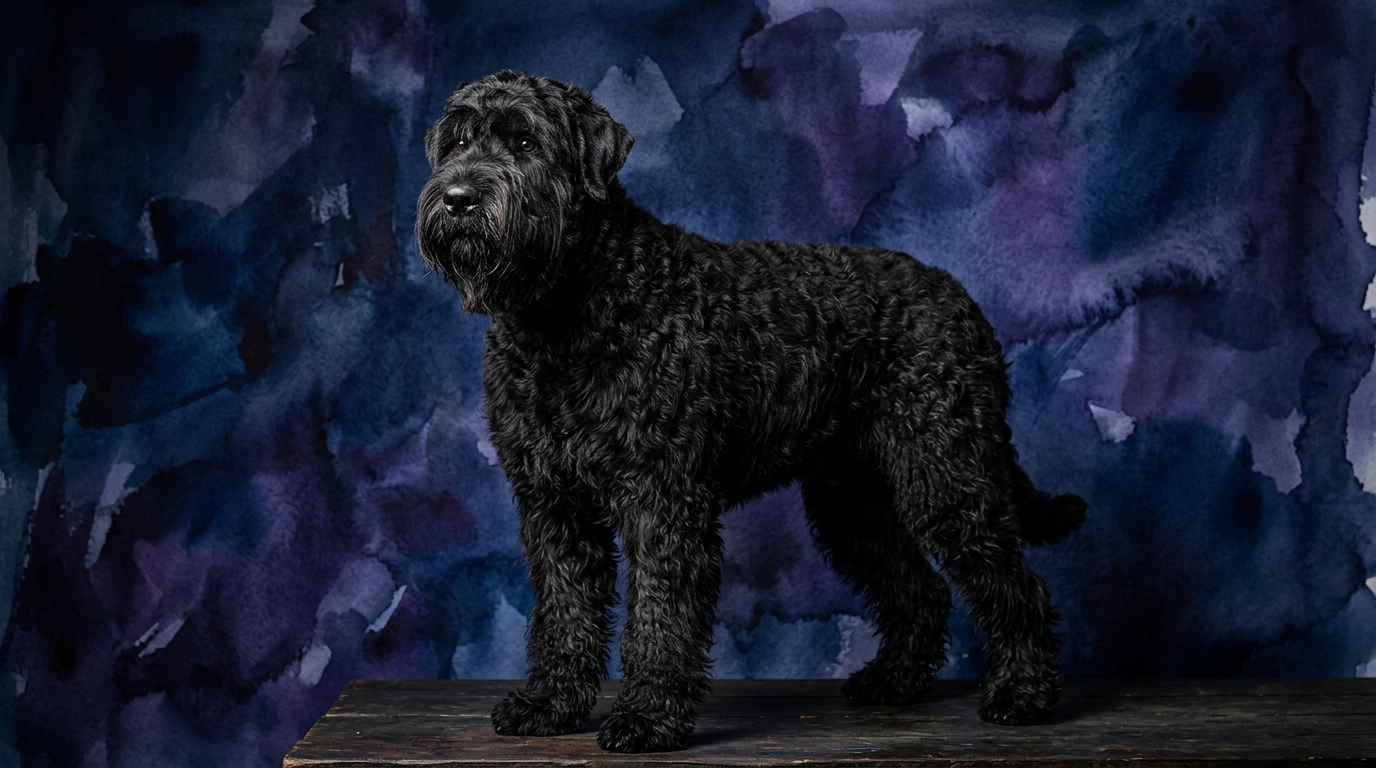
The Black Russian Terrier (BRT), a breed originally developed for military work, exhibits a remarkably balanced set of cognitive strengths. Their Problem Solving is rated 3/5, indicating a capacity to navigate complex situations and adapt to new challenges, though perhaps not with lightning-fast reflexes. Training Speed is also 3/5, suggesting they absorb new commands and routines at a steady, reliable pace, requiring consistent but not overly repetitive instruction. Social Intelligence, at 3/5, reflects their ability to understand and respond to human cues and social dynamics, making them perceptive companions within their trusted circle. Their Instinctive Drive, also 3/5, points to a moderate but present inclination towards their working heritage, potentially manifesting as a desire to guard or perform tasks. Finally, Memory is 3/5, meaning they retain learned behaviors and past experiences reasonably well, contributing to their dependable nature.
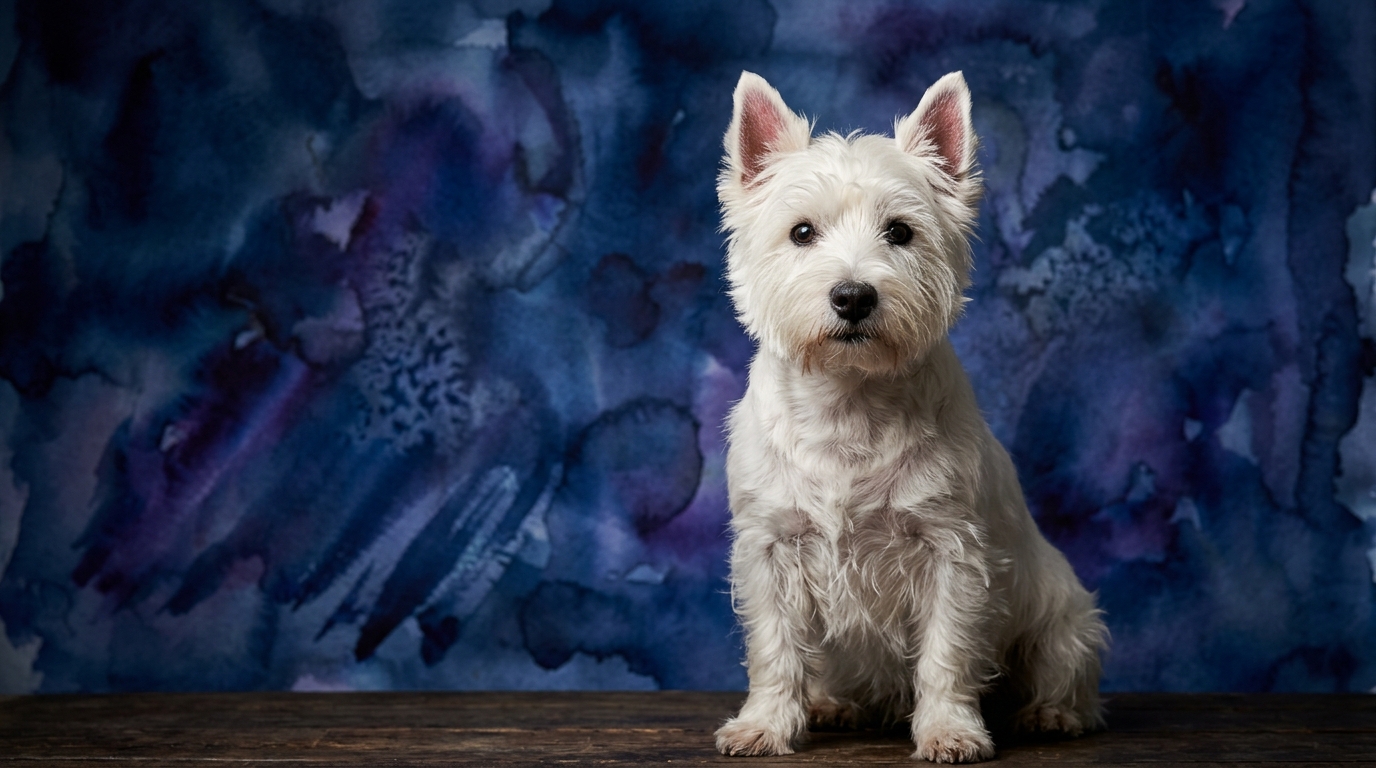
The West Highland White Terrier (Westie), a tenacious earthdog, presents a slightly different cognitive profile, particularly in the realm of memory. Like the BRT, their Problem Solving is rated 3/5, showing they can figure out dilemmas and adapt, often with a terrier's characteristic determination. Training Speed also sits at 3/5, meaning they learn new commands at a similar pace to the BRT, though their independent streak might necessitate different motivational approaches. Social Intelligence is 3/5, indicating they are attuned to human interactions and can form strong bonds, often with a charming, assertive personality. Instinctive Drive, at 3/5, highlights their inherent terrier traits like digging, chasing, and a strong prey drive, stemming from their original purpose. Where the Westie truly distinguishes itself is in Memory, rated 4/5. This enhanced recall means they are particularly adept at remembering past events, commands, and routines, which can be both a significant asset in training and a challenge if they recall undesirable habits.
Where the Black Russian Terrier Wins Cognitively
The Black Russian Terrier demonstrates a cognitive strength in its remarkably balanced and consistent intellectual profile across all five dimensions, each rated 3/5. This uniformity suggests a robust and dependable mental framework, free from pronounced cognitive "blind spots" or overwhelming singular drives. This equilibrium proves particularly advantageous in roles demanding sustained, multi-faceted cognitive engagement, such as complex protection work or service tasks. For example, a BRT's steady problem-solving (3/5) allows them to adapt to novel situations during a patrol, while their consistent social intelligence (3/5) enables them to accurately interpret human intent, distinguishing between a friendly visitor and a genuine threat. Unlike breeds with extremely high instinctive drives, the BRT's moderate drive (3/5) means their cognitive faculties are less likely to be singularly fixated, allowing for more measured and adaptable responses to varied stimuli. This mental steadfastness makes them exceedingly reliable when faced with dynamic, real-world challenges where a broad spectrum of mental resources must be applied without favoring one over another.
Where the West Highland White Terrier Wins Cognitively
The West Highland White Terrier’s standout cognitive strength is its superior Memory, rated 4/5 compared to the BRT’s 3/5. This enhanced recall ability means Westies are particularly adept at remembering sequences of commands, routines, and past experiences with greater fidelity and for longer durations. For an owner, this translates into a dog that can quickly build upon previously learned behaviors, solidifying training over time. For instance, once a Westie masters a specific agility course or a complex trick, their stronger memory makes it easier for them to retrieve that information and perform it consistently, even after a break. This recall also extends to environmental details and social interactions, allowing them to remember specific people, places, or even where a hidden treat might be. While their problem-solving and training speed are on par with the BRT, this heightened memory gives the Westie an edge in retaining and applying learned information, making them highly receptive to cumulative learning experiences, provided their independent spirit is channeled appropriately.
Which Is Easier to Train and Why
When evaluating ease of training, both breeds share a Training Speed rating of 3/5, suggesting they absorb new commands at a similar pace. However, the underlying behavioral differences heavily influence the training experience. The Black Russian Terrier, with its working dog lineage, often exhibits a strong desire to please and a natural inclination towards structured tasks. While they possess a moderate instinctive drive, it is typically directed towards cooperation and fulfilling a purpose alongside their human. This means a BRT is likely to engage in training sessions with a focused demeanor, appreciating clear direction and consistency. Their balanced memory (3/5) ensures they retain lessons steadily.
In contrast, the West Highland White Terrier's training experience is shaped by its terrier heritage. While their superior memory (4/5) is a significant asset for retention, their independent nature and strong instinctive drive (3/5) — often manifested as prey drive or a desire to dig — can present challenges. A Westie might learn a command quickly due to their memory, but their individualistic spirit means they might choose whether or not to obey, especially if a more enticing distraction is present. Training a Westie often requires more creative motivation, patience, and a deep understanding of their terrier temperament to channel their keen intellect and memory effectively. Therefore, while both learn at a similar pace, the BRT generally presents a more straightforward and compliant training journey due to its cooperative disposition, whereas the Westie requires a trainer skilled in motivating an independent thinker.
Which Suits Active Owners vs. Relaxed Owners
The Black Russian Terrier, with its working dog lineage, demands an active and highly engaged owner. Possessing substantial physical stamina and a cognitive drive for purpose, they require considerable daily exercise that includes mentally stimulating activities like advanced obedience, protection work, or long, varied explorations. A BRT thrives with an owner who can provide consistent structure and challenging tasks, appreciating their inherent need for a "job." Their balanced IQ profile means they need regular mental workouts to prevent boredom and channel their capabilities constructively, making them ill-suited for a truly relaxed, sedentary lifestyle.
The West Highland White Terrier, despite its smaller stature, is also not a breed for genuinely relaxed owners. Their terrier heritage imbues them with bursts of energy, a keen desire to explore, and a persistent drive for activities like digging and chasing. They benefit from regular, shorter bursts of vigorous play, daily walks, and opportunities for mental engagement through puzzle toys or scent games. While they can adapt to a slightly less intense daily exercise routine than a BRT, a "relaxed" owner offering minimal interaction will likely find a Westie inventing its own, potentially disruptive, entertainment. Therefore, both breeds necessitate active engagement, but the BRT requires a more intense, structured, and consistent active lifestyle, whereas the Westie suits owners active in shorter, more frequent bursts, fulfilling its curious and tenacious terrier spirit.
The Verdict
Choose the Black Russian Terrier if you seek a steadfast, cooperative companion for structured activities and robust protection, valuing a balanced, dependable intellect.
Opt for the West Highland White Terrier if you appreciate a tenacious, charming companion with exceptional recall, prepared to channel their independent spirit into varied engagement.
🧠 Find Your Pet's IQ Score
Our Pet IQ Lab assessment covers 25+ tests across 5 cognitive dimensions — personalized to your breed.
Take the Full IQ Test →Frequently Asked Questions
Do Black Russian Terriers have a strong prey drive?
While their instinctive drive is rated 3/5, BRTs were bred for protection rather than hunting. They typically exhibit a more controlled drive compared to traditional hunting breeds, focusing on guarding and companionship, though individual variations exist.
Is a West Highland White Terrier good for apartment living?
A Westie can adapt to apartment living if their significant exercise and mental stimulation needs are consistently met. Their bursts of energy and instinct to explore require daily walks, play, and mental challenges to prevent boredom and destructive behaviors.
How do the social intelligence levels compare for family life?
Both breeds have a social intelligence rating of 3/5, suggesting they can form strong bonds and understand human cues. The BRT tends to be more reserved with strangers but devoted to family, while the Westie is often more outgoing and assertive, fitting well into dynamic family environments with proper socialization.