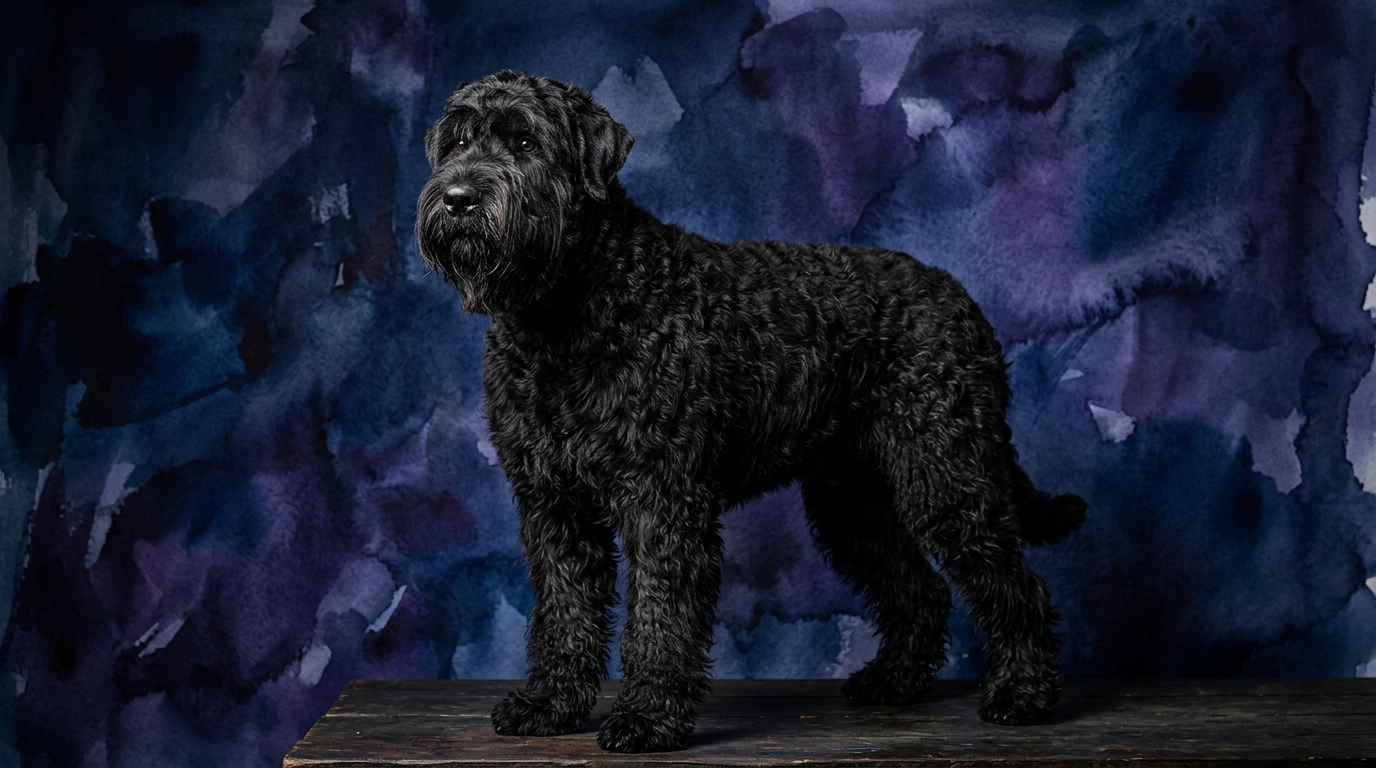
Side-by-Side IQ Profile: Black Russian Terrier
The Black Russian Terrier (BRT), a powerful working dog, demonstrates a 3/5 in Problem Solving, reflecting a practical, task-oriented reasoning ability. BRTs, originally developed as military dogs, excel at assessing and navigating real-world challenges, such as identifying a perceived threat, finding a way around an obstacle to reach a specific goal, or understanding complex multi-step commands related to their guarding duties. Their problem-solving isn't abstract; it's rooted in their working heritage. Their Training Speed, also at 3/5, indicates they absorb new commands and routines effectively, but their independent thinking means they often require consistent, firm, yet positive guidance. They learn quickly when they understand the purpose of a task or command, but may not always comply instantly if they deem it unnecessary or prefer an alternative action. This score suggests a capable learner who benefits from a structured, clear training approach. A 3/5 in Social Intelligence highlights their keen awareness of their family's dynamics and intentions, coupled with a reserved nature towards outsiders. BRTs are adept at reading human body language and vocal tones within their trusted circle, understanding social hierarchies, and anticipating family needs. However, their social interactions often prioritize protection and loyalty, leading to a watchful, discerning approach with strangers. Their Instinctive Drive scores 3/5, underscoring a pronounced drive for protection, territoriality, and a strong desire to patrol and guard. This instinct is fundamental to their character, guiding much of their behavior and requiring appropriate outlets and management. Their drive is often linked to their historical role as guardians. Finally, a 3/5 in Memory means BRTs possess good recall for learned commands, routines, and past experiences. They recall training cues reliably, remember the layout of their territory, and retain impressions of individuals, distinguishing between familiar faces and potential strangers. This robust memory supports their consistent performance in their protective and companion roles.
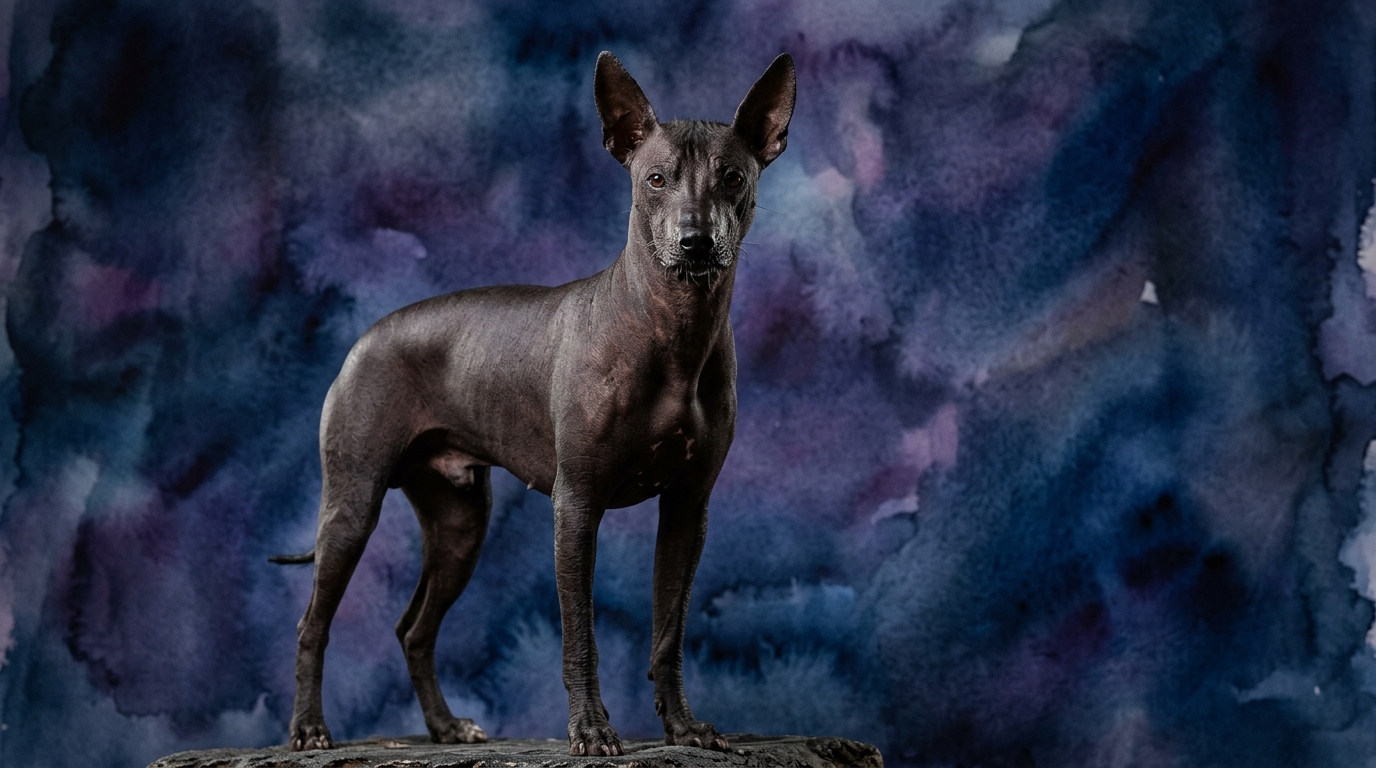
Side-by-Side IQ Profile: Xoloitzcuintli
The Xoloitzcuintli (Xolo), an ancient companion breed, scores 3/5 in Problem Solving, which often manifests as cleverness within a domestic setting. They are resourceful in figuring out how to achieve personal comfort, gain attention, or access desired resources like a favorite blanket or a prime sunbeam. This isn't the strategic problem-solving of a working dog, but rather an adaptive intelligence focused on navigating their home environment and social interactions for their benefit. Their Training Speed, also at 3/5, suggests Xolos can learn new commands and behaviors with good speed, particularly when motivated by positive reinforcement and a strong bond with their handler. However, their ancient, independent spirit means they can sometimes appear strong-willed or easily distracted if not fully engaged. They are sensitive learners who thrive on gentle consistency and clear, patient instruction. A 3/5 in Social Intelligence reveals a profound social intelligence directed primarily towards their human family. They are highly attuned to their owners' moods and routines, offering comfort and companionship. Their sensitivity allows them to pick up on subtle emotional cues. With strangers, however, their social intelligence shifts to a reserved, watchful stance, indicating a selective social circle rather than a lack of understanding. The Xolo's Instinctive Drive is also 3/5, deeply rooted in companionship and pack cohesion. They possess a natural inclination to be close to their family, seeking warmth and physical contact. While they may have a moderate prey drive typical of many dogs, their primary drives are often centered on their social bonds and a desire for comfort and security within their home. Lastly, a 3/5 in Memory means Xolos demonstrate good recall for their daily routines, the people they love, and past interactions. They reliably recall training cues and remember what behaviors yield desired results (like getting a treat or a cuddle). Their memory contributes to their consistent companionship and their ability to integrate seamlessly into family life.
Where Black Russian Terrier Wins Cognitively
Despite identical numerical scores, the Black Russian Terrier's cognitive strengths shine in areas demanding robust, independent judgment and physical execution. Their problem-solving (3/5) is inherently geared towards practical, real-world challenges. For instance, a BRT might more readily assess a novel environmental threat, such as a suspicious sound outside the property, and determine a course of action to investigate or deter, rather than waiting for direct instruction. Their instinctive drive (3/5) is specifically calibrated for guardian roles, providing an innate framework for evaluating situations from a protective standpoint. This translates to a natural aptitude for tasks requiring vigilance, territorial awareness, and a willingness to act decisively, even without explicit commands. The BRT's training speed (3/5), while requiring consistency, also reflects an ability to internalize complex sequences of tasks, making them adept at multi-stage obedience or protection work where precise execution is critical.
Where Xoloitzcuintli Wins Cognitively
The Xoloitzcuintli's cognitive advantages, while also scoring 3/5, are rooted in their ancient role as companions and healers, manifesting as nuanced social and adaptive intelligence within a domestic sphere. Their social intelligence (3/5) is deeply empathetic and intuitive; a Xolo might be more likely to sense a family member's distress and offer quiet, comforting physical presence without prompting, demonstrating a profound emotional attunement. Their problem-solving (3/5) excels in navigating complex social dynamics within the home, such as subtly communicating a desire for attention or a need to go outside in ways that are easily understood by their family. This breed’s memory (3/5) is particularly strong regarding routines and the preferences of their human companions, allowing them to anticipate household rhythms and integrate seamlessly into daily life with minimal friction. They remember which spot offers the best warmth and which human is most likely to share a snack.
Which is Easier to Train and Why
Neither the Black Russian Terrier nor the Xoloitzcuintli is inherently 'easier' to train, as both score 3/5 in Training Speed, but their training approaches differ significantly due to their behavioral predispositions. The BRT, with its strong instinctive drive for protection and independent thinking, requires an owner who can establish clear leadership and consistent boundaries from a young age. Their training benefits from structure, repetition, and a firm but fair hand, as they are likely to test limits. They will learn commands quickly but may choose when to execute them based on their own assessment of the situation. Positive reinforcement is effective, but it must be paired with unwavering consistency to guide their strong will. In contrast, the Xoloitzcuintli, while equally capable of learning at a 3/5 pace, is far more sensitive. Their independent streak is often expressed through aloofness rather than defiance. They respond best to gentle, positive reinforcement methods, clear communication, and a strong, trusting bond. Harsh corrections can cause them to shut down or become withdrawn. Their social intelligence means they are eager to please their beloved family members, but their sometimes-primitive nature requires patience and understanding that they may not always be motivated by typical dog training rewards. Therefore, while both learn well, the Xolo's sensitivity might make the process feel smoother for an owner who prioritizes gentle methods, whereas the BRT demands a more assertive, structured approach.
Which Suits Active Owners vs Relaxed Owners
For active owners seeking a canine partner for demanding activities, the Black Russian Terrier is often the more suitable choice. Their robust build, combined with a 3/5 instinctive drive for purpose and a practical problem-solving ability, means they thrive on structured work, advanced obedience, protection sports, or long, vigorous hikes where their stamina and vigilance are utilized. Their cognitive profile supports an owner who can provide consistent mental and physical challenges, channeling their independent judgment and strong will into productive outlets. They are not content with mere casual strolls; they need a 'job' to feel fulfilled. Conversely, the Xoloitzcuintli, with its 3/5 social intelligence and focus on domestic comfort, is better suited for owners who prefer a more relaxed lifestyle centered around companionship. While they enjoy walks and playtime, their primary need is for close proximity to their human family and a warm, secure home environment. Their problem-solving and memory are geared towards navigating home life and social interactions rather than rigorous outdoor tasks. They are content to be a warm lap dog, absorbing the family's rhythm, making them an excellent fit for individuals or families seeking a devoted, low-key companion who thrives on quiet intimacy.
The Verdict
Choose the Black Russian Terrier if you are an experienced, active owner ready to commit to consistent, structured training and provide a clear purpose for a dog with powerful protective instincts and independent judgment. They thrive when their robust cognitive abilities are channeled into demanding tasks and vigilant companionship.
Opt for the Xoloitzcuintli if you seek a deeply devoted, sensitive companion who values warmth, close family bonds, and a relaxed domestic life, and you are prepared to engage with their independent spirit through gentle, patient reinforcement.
🧠 Find Your Pet's IQ Score
Our Pet IQ Lab assessment covers 25+ tests across 5 cognitive dimensions — personalized to your breed.
Take the Full IQ Test →Frequently Asked Questions
Do Black Russian Terriers or Xoloitzcuintlis get bored easily?
Both breeds, scoring 3/5 in various cognitive areas, require mental engagement to prevent boredom, but this manifests differently. A BRT (3/5 problem solving, 3/5 instinctive drive) will become bored if not given a 'job' or sufficient mental challenges related to their protective nature, potentially leading to destructive behaviors. A Xolo (3/5 social intelligence, 3/5 memory) can become bored if left alone for extended periods or if their need for social interaction and comfort isn't met, possibly leading to anxiety or nuisance behaviors, though not typically destructive in the same way.
Which breed is better with children, considering their social intelligence?
Both breeds score 3/5 in social intelligence, but their suitability with children depends on their individual temperament, socialization, and the children's behavior. A well-socialized BRT will be fiercely loyal and protective of its family's children, but their imposing size and strong instincts require careful supervision and training to ensure gentle interactions. A Xolo's social intelligence makes them very attuned to family members; they can be wonderful with respectful children, often forming close bonds, but their sensitivity means they may not tolerate rough play and prefer calmer interactions.
Are these breeds suitable for first-time dog owners, given their training speed and cognitive profiles?
Neither breed is typically recommended for first-time dog owners, despite their 3/5 training speed, due to their distinct cognitive and behavioral complexities. The Black Russian Terrier's powerful protective instincts, independent will, and need for consistent, experienced guidance can be overwhelming for a novice. The Xoloitzcuintli's sensitive, sometimes aloof nature, combined with their strong bond to family and potential reservation with strangers, requires an owner who understands ancient dog breeds and can provide patient, positive training without inadvertently causing anxiety.