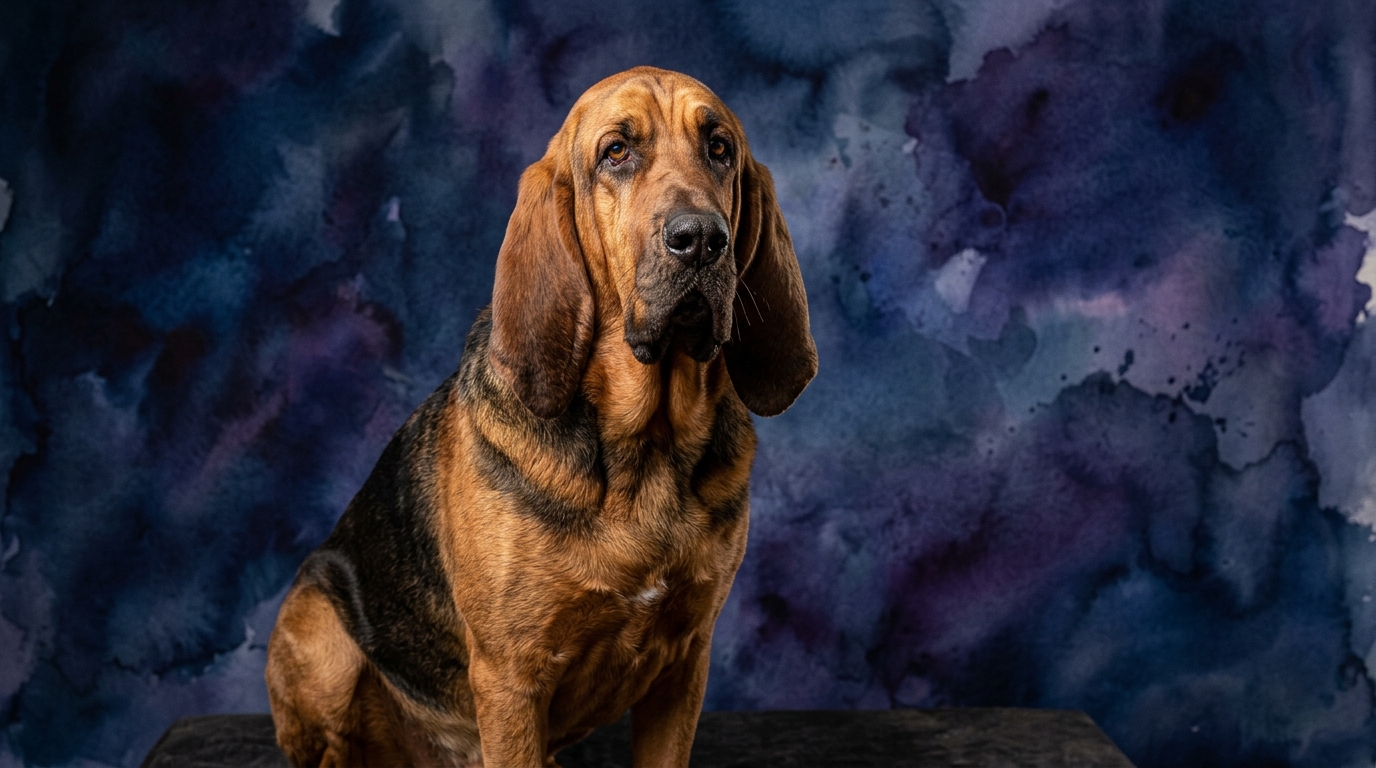
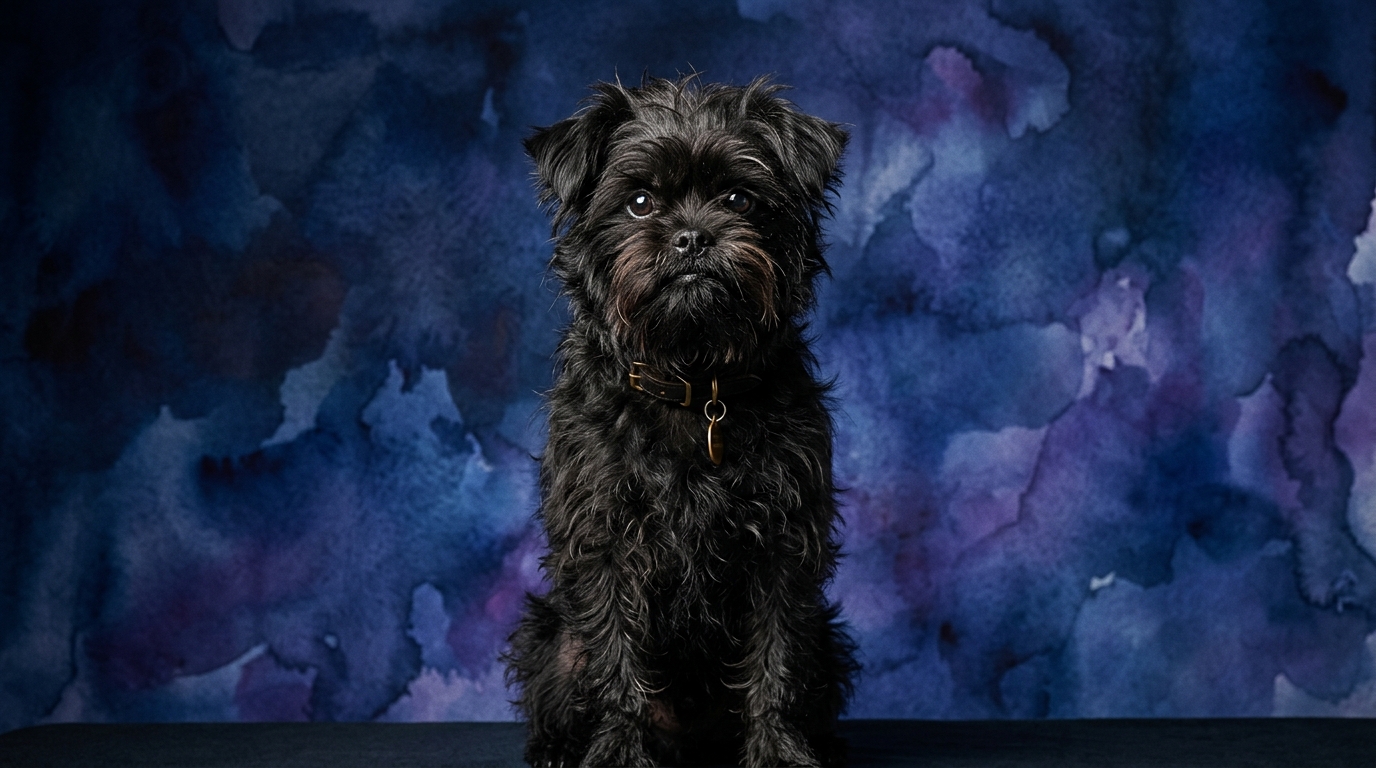
Side-by-Side Cognitive Profile: Bloodhound vs. Affenpinscher
The Cosmic Pet Pet IQ Lab offers a unique framework to dissect canine intelligence across five crucial dimensions. For the Bloodhound, ranked #74 by Coren, their profile is sharply specialized: Problem Solving 5/5, Training Speed 1/5, Social Intelligence 2/5, Instinctive Drive 5/5, and Memory 5/5. This paints a picture of a breed profoundly dedicated to a specific cognitive task.
In contrast, the Affenpinscher, unranked by Coren but assessed by our lab, presents a more balanced, generalized cognitive makeup: Problem Solving 3/5, Training Speed 3/5, Social Intelligence 3/5, Instinctive Drive 3/5, and Memory 3/5. These scores suggest a versatile companion with moderate abilities across the board, rather than a highly specialized cognitive athlete.
Bloodhound's Cognitive Dominance: The Olfactory Genius
The Bloodhound's cognitive superiority undeniably lies in its unparalleled olfactory processing and memory. Their problem-solving isn't about abstract puzzles in a lab, but about constructing a narrative from scent molecules. They 'solve' the mystery of a missing person by meticulously piecing together a temporal and spatial puzzle using only their nose, a feat no other breed, and few species, can replicate with such precision. This involves immense cognitive effort in discrimination, pattern recognition, and sustained focus on a single sensory input, filtering out countless distractions. Their memory for these scent profiles and previous tracking experiences is likewise exceptional, allowing them to learn and adapt tracking strategies over time. This 5/5 in both Problem Solving and Memory reflects a profound, specialized cognitive engine dedicated to their primary purpose.
Their instinctive drive, also a perfect 5/5, is the fuel for this cognitive machinery. Once a scent is engaged, little else matters. This isn't just a strong urge; it's a fundamental operating system that dictates much of their behavior and cognitive effort, making them singular in their focus. While their social intelligence at 2/5 might suggest aloofness, it more accurately reflects that their attention is frequently elsewhere, processing the world through their nose rather than direct social engagement.
Affenpinscher's Cognitive Edge: The Adaptable Companion
The Affenpinscher shines in areas requiring adaptability in a domestic setting and a more generalized cognitive flexibility. While their problem-solving isn't specialized like the Bloodhound's, it's more versatile for everyday companion life, reflected in their 3/5 score. They exhibit moderate problem-solving skills, sufficient for navigating household challenges or figuring out how to reach a dropped toy, showing a practical capacity for cognitive flexibility in their environment. This allows them to learn simple tricks and routines with reasonable effort.
Their balanced social intelligence (3/5) means they connect well with their primary caregivers and can interpret human moods and intentions, often being expressive and responsive. This generalist cognitive profile allows them to integrate smoothly into different home environments and social dynamics. With a 3/5 in instinctive drive, they retain some terrier-like tendencies for chasing small critters, but this is not an overwhelming, all-consuming drive. Their alertness and protective instincts for their family are also part of this score, but without the singular focus seen in working breeds. Their memory, also 3/5, is functional and average for a companion breed, allowing them to remember routines, people, and places efficiently.
Training Dynamics: Bloodhound's Will vs. Affenpinscher's Willingness
When it comes to ease of training for general obedience and household manners, the Affenpinscher (Training Speed 3/5) is considerably more amenable than the Bloodhound (Training Speed 1/5). The Affenpinscher's moderate training speed indicates a reasonable willingness to learn and a desire to cooperate, especially when motivated by treats or positive reinforcement. They are generally attentive to their human companions, making them receptive to commands and structured lessons. Consistency is key, and they can master a range of behaviors over time.
In stark contrast, the Bloodhound's training speed is notoriously low, primarily due to their overwhelming instinctive drive (5/5). Their mind is almost perpetually engaged in olfactory exploration. Convincing a Bloodhound to perform a 'sit' or 'stay' when a faint, intriguing scent wafts by is a significant challenge; their attention is intrinsically pulled towards their nose, making conventional obedience training a test of extreme patience and consistency for the owner. Their deep-seated motivation for tracking often overrides any desire to comply with human directives that don't align with their primary instinct. This isn't a lack of learning capacity, but rather a profound prioritization of their innate drive over human-imposed tasks, making them appear stubborn or slow to learn standard commands.
Lifestyle Match: Active Engagement vs. Relaxed Companionship
Bloodhounds are best suited for highly active owners who are prepared to engage deeply with their specific needs, particularly their profound tracking drive. These are owners who either participate in scent work, search and rescue, or can provide extensive, purpose-driven 'nose work' activities daily. Their physical stamina for long trails and their mental need for olfactory stimulation demand an owner committed to harnessing, rather than suppressing, their core instincts. An owner unprepared for this intense focus and need for mental engagement would find a Bloodhound challenging, as their unfulfilled drive can lead to frustration and behaviors like wandering, excessive baying, or destructive tendencies.
Affenpinschers, while energetic for their size, are generally better suited for relaxed owners who appreciate a charming, companion-focused dog. Their moderate activity requirements mean daily walks and indoor play are usually sufficient to keep them content. They thrive on companionship and lap time, fitting well into a lifestyle where their cognitive and social needs are met through close interaction rather than intense, specialized activities. They are happy to observe and participate in the ebb and flow of a typical household, making them a good fit for those seeking a devoted, manageable presence without the demands of a high-drive working breed.
The Verdict
Choose a Bloodhound if you are a dedicated, active individual or family deeply interested in canine scent work, search and rescue, or providing extensive, focused olfactory enrichment.
Choose an Affenpinscher if you desire a charming, moderately active companion dog who thrives on close family interaction and general household routines, without demanding specialized cognitive engagement.
🧠 Find Your Pet's IQ Score
Our Pet IQ Lab assessment covers 25+ tests across 5 cognitive dimensions — personalized to your breed.
Take the Full IQ Test →Frequently Asked Questions
Can a Bloodhound be a good family pet despite its low training speed?
Yes, Bloodhounds can be affectionate family members, but their strong instincts require significant management. Owners must understand their needs for scent work and provide appropriate outlets, as their focus on tracking can make them seem aloof or stubborn in a domestic setting.
Are Affenpinschers prone to barking due to their moderate instinctive drive?
Affenpinschers can be vocal, often using barks to alert their owners to new sounds or visitors. While their instinctive drive includes a protective element, consistent training and early socialization can help manage excessive barking and channel their alertness appropriately.
How does a Bloodhound's 5/5 memory score manifest in daily life beyond tracking?
A Bloodhound's exceptional memory often manifests as remembering complex routes, specific people, or even the location of hidden toys over long periods. While primarily scent-focused, this memory also aids in their navigation and understanding of their environment, making them creatures of habit regarding their daily routines.