Side-by-Side IQ Profile: Bloodhound vs. Boykin Spaniel
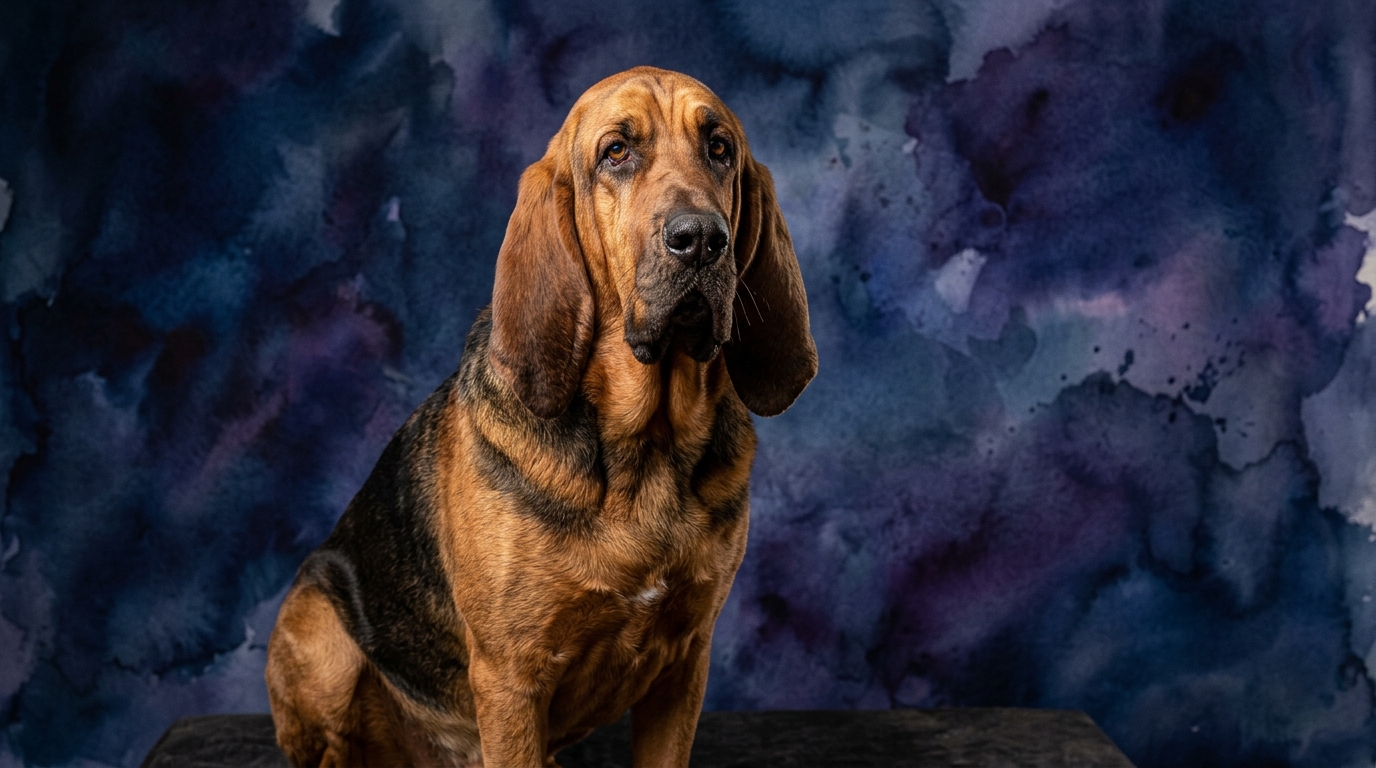
The Bloodhound, Coren-ranked at #74, possesses a highly specialized cognitive blueprint. Their Problem Solving is rated 5/5, but this is almost exclusively applied to intricate scent puzzles, navigating complex environments to follow a specific odor trail and overcome obstacles with methodical persistence. Their cognitive architecture is profoundly geared towards the singular challenge of tracking, making them unparalleled masters within this niche. Training Speed is a challenging 1/5; their powerful olfactory drive frequently overrides other stimuli, making them less responsive to conventional commands, a prioritization of their primal instinct to follow a scent. Social Intelligence is 2/5; Bloodhounds are generally good-natured but their primary engagement is often with the world of scent rather than intricate human social cues, making them appear somewhat independent or singularly focused. Their Instinctive Drive is an overwhelming 5/5, a deep-seated urge to track that is the very core of their being. Memory is an extraordinary 5/5, particularly concerning scent, allowing them to recall complex scent trails, differentiate odors, and remember olfactory nuances with phenomenal accuracy.
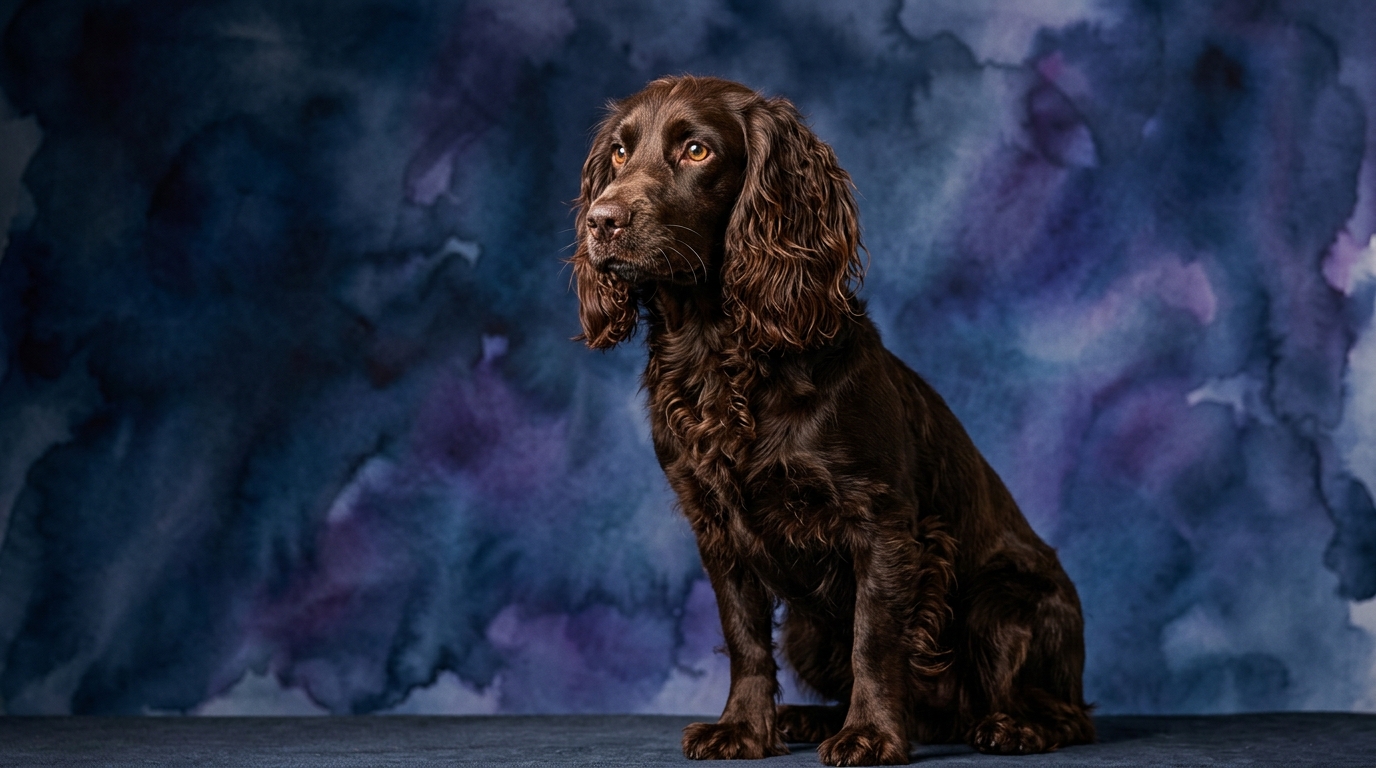
The Boykin Spaniel, while not Coren-ranked, exhibits a balanced and versatile cognitive profile. Their Problem Solving is 3/5, demonstrating practical and adaptable skills, particularly in working scenarios like navigating varied terrain or retrieving game from challenging cover. Their intelligence is geared towards versatile application rather than extreme specialization. Training Speed is 3/5; Boykins are moderately quick learners, showing good responsiveness to consistent training and positive reinforcement due to their eagerness to please. Social Intelligence is 3/5; they are typically gregarious and people-oriented, attuned to human emotions and cues, fostering strong bonds and navigating social situations with ease. Their Instinctive Drive is 3/5, strong but well-balanced, focusing on retrieving and working collaboratively with a hunter, allowing for excellent trainability. Memory is 3/5; Boykin Spaniels possess a good working memory for learned commands, established routines, and the spatial location of retrieved items, contributing to their reliability in the field and at home.
Where the Bloodhound Wins Cognitively
The Bloodhound's cognitive triumph lies in its supreme mastery of olfactory processing and application, a domain where it stands virtually unrivaled. Their nasal cavities boast an astonishing density of scent receptors, allowing them to dissect and interpret complex chemical signals with unparalleled precision. This translates into an extraordinary ability to isolate and follow a specific scent trail amidst a myriad of competing odors, track trails that are days old, and even distinguish between individual human scent signatures with startling accuracy. Their 5/5 problem-solving score is exclusively channeled into the intricate, multi-layered puzzle of scent discrimination and trail navigation, demonstrating a methodical persistence and physical endurance unmatched by almost any other canine. This exceptional memory (5/5) is inextricably linked to their olfactory prowess, enabling them to construct and retain vast mental libraries of scent information, recalling specific trails and individuals with astonishing fidelity, which makes them indispensable assets in critical search and rescue operations or intricate law enforcement investigations.
Where the Boykin Spaniel Wins Cognitively
The Boykin Spaniel's cognitive superiority is found in its remarkable versatility and balanced adaptability, presenting a stark contrast to the Bloodhound's highly specialized intellect. With a 3/5 in problem-solving, Boykins exhibit a more generalized and practical approach to challenges, readily applying their intelligence across a broader spectrum of tasks beyond a singular focus. They excel at understanding and executing complex, multi-step commands within dynamic, often unpredictable environments, such as expertly retrieving fallen game from dense undergrowth or open water. This requires rapid decision-making, excellent spatial reasoning, and the ability to adjust strategies on the fly. Their balanced instinctive drive (3/5) ensures they possess the motivation to work diligently, yet remain highly responsive to handler direction, allowing them to seamlessly adapt their behavior to varying hunting scenarios, training exercises, or even daily household routines. This breed's strength is its cognitive flexibility, its capacity to quickly transition between different tasks, and its inherent ability to integrate new information from diverse experiences, making them exceptionally capable and well-rounded working dogs and cherished family companions.
Which is Easier to Train and Why
When evaluating trainability across a broad range of tasks, the Boykin Spaniel emerges as the significantly easier breed to instruct, primarily owing to its balanced cognitive profile and moderate training speed (3/5). Boykins typically exhibit a natural eagerness to please their handlers and are generally more attuned to human communication and cues, making them highly receptive to traditional obedience training methods. Their social intelligence (3/5) means they are more likely to seek out interaction and guidance from their human partners, fostering a cooperative and responsive learning environment. Conversely, the Bloodhound's training speed is rated at a challenging 1/5. This does not indicate a lack of intelligence, but rather that their profound instinctive drive (5/5) to track fundamentally dictates their priorities. Once a Bloodhound engages with an intriguing scent, their cognitive focus becomes almost singularly dedicated to following that trail, often rendering human commands secondary or even entirely irrelevant in their perception. This deep-seated, ancient instinct makes it extraordinarily difficult to redirect their attention, demanding immense patience, highly specialized training approaches, and an unwavering understanding that their primary motivation will always be olfactory exploration, rather than strict adherence to conventional obedience cues.
Suitability for Active vs. Relaxed Owners
For active owners seeking a highly engaged and adaptable partner for a diverse array of pursuits, the Boykin Spaniel is generally the more suitable choice. Their balanced instinctive drive (3/5) translates into a consistent need for physical exertion and mental stimulation, yet in a manner that is highly flexible and responsive to various activities. They thrive on shared experiences like retrieving, agility, hiking, scent work (though not to the Bloodhound's extreme), and even competitive obedience, enjoying collaborative engagement with their human companions. Their moderate social intelligence makes them excellent, interactive partners for an active family lifestyle. The Bloodhound, while also demanding an exceptionally active owner, requires a very specific type of engagement. Their intense instinctive drive (5/5) and specialized problem-solving (5/5) are almost exclusively satisfied through rigorous, dedicated scent work, such as tracking, trailing, or mantrailing over significant distances and durations. A casual walk around the neighborhood will not provide adequate mental or physical fulfillment for a Bloodhound; they necessitate hours of mentally exhaustive "nose work" daily. Therefore, a "relaxed" owner, in the conventional sense of desiring a low-maintenance canine, would find themselves profoundly challenged by either breed, but particularly by the Bloodhound, whose unique cognitive and instinctual demands mandate a highly committed owner dedicated to fulfilling their singular, powerful tracking imperative.
The Verdict
Choose a Bloodhound if you are a dedicated, experienced owner passionate about scent work, prepared to channel their unparalleled olfactory intelligence and profound tracking drive into a specific, demanding lifestyle.
Opt for a Boykin Spaniel if you seek a versatile, biddable, and active companion for a range of outdoor pursuits, valuing their balanced intelligence and cooperative nature in a family setting.
🧠 Find Your Pet's IQ Score
Our Pet IQ Lab assessment covers 25+ tests across 5 cognitive dimensions — personalized to your breed.
Take the Full IQ Test →Frequently Asked Questions
Are Bloodhounds stubborn during training?
Bloodhounds aren't stubborn in a malicious sense, but their overwhelming instinctive drive for scent work often makes them appear so. Their cognitive focus on odors means they prioritize following a trail over human commands, requiring handlers to understand and work with their innate motivations.
Can Boykin Spaniels adapt to apartment living?
While Boykin Spaniels are adaptable, their active nature and need for mental and physical stimulation (instinctive drive 3/5) mean apartment living would be challenging without significant daily exercise and engagement. They thrive with space to run and opportunities for outdoor activities.
Which breed is generally better with children?
With a social intelligence score of 3/5, Boykin Spaniels are generally more attuned and adaptable to family dynamics, often being patient and playful with children. Bloodhounds, at 2/5, can be amiable but their independent, scent-driven nature means they might be less engaged with children's play and more focused on their olfactory world.