The Cosmic Pet Pet IQ Lab: Side-by-Side Cognitive Profiles
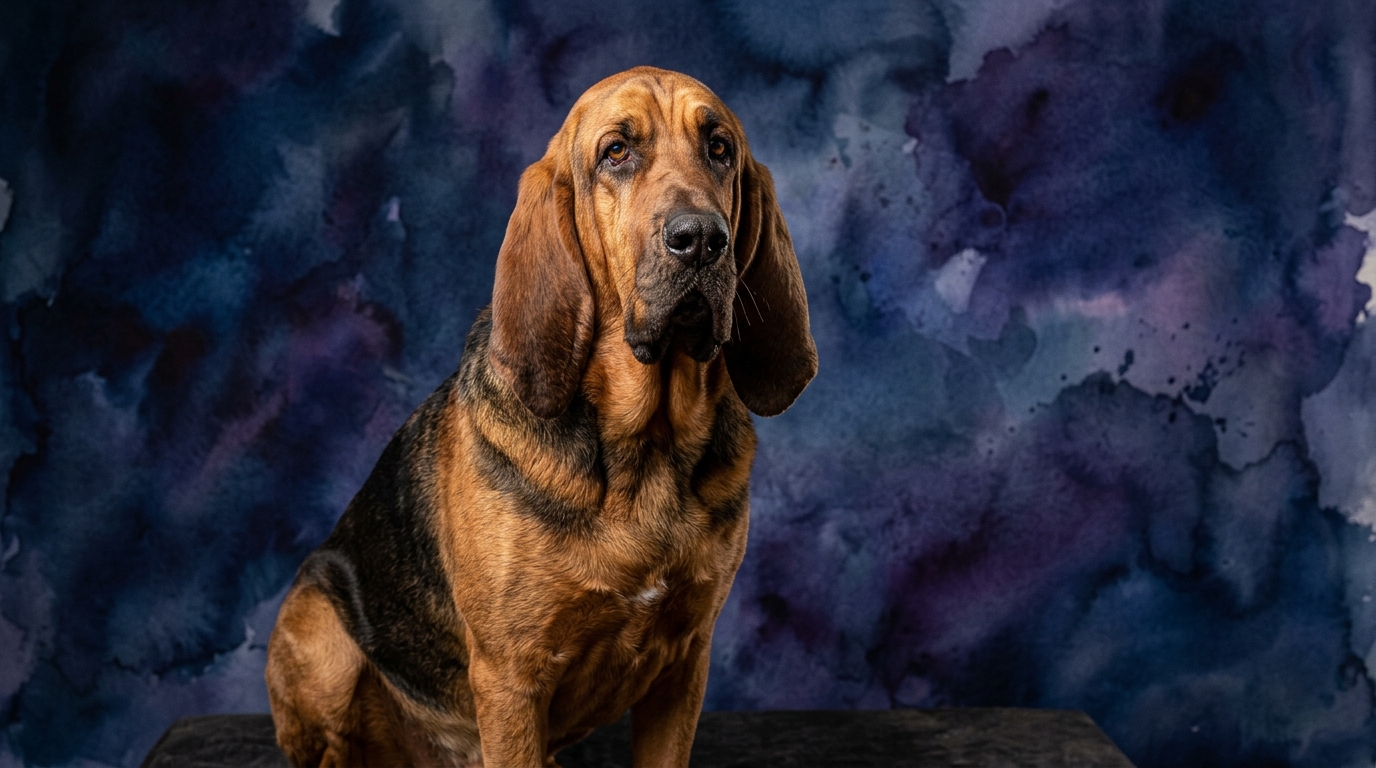
At The Cosmic Pet Pet IQ Lab, we assess canine intelligence across five critical dimensions, providing a nuanced view beyond simple obedience. The Bloodhound, a breed deeply rooted in olfactory pursuit, registers at Coren rank #74, reflecting its specialized mental architecture. Its Problem Solving is rated an exceptional 5/5, but this isn't about solving puzzle toys; it's about independently deciphering complex scent trails over vast distances and time. Training Speed is a modest 1/5, indicating a strong independent streak and a focus that rarely aligns with human-centric commands. Social Intelligence sits at 2/5, as their primary 'social' interaction is often with the scent itself, rather than complex human cues. Instinctive Drive is a perfect 5/5, entirely centered on tracking, while Memory, also 5/5, refers to their unparalleled ability to recall and differentiate scent signatures, even days later.
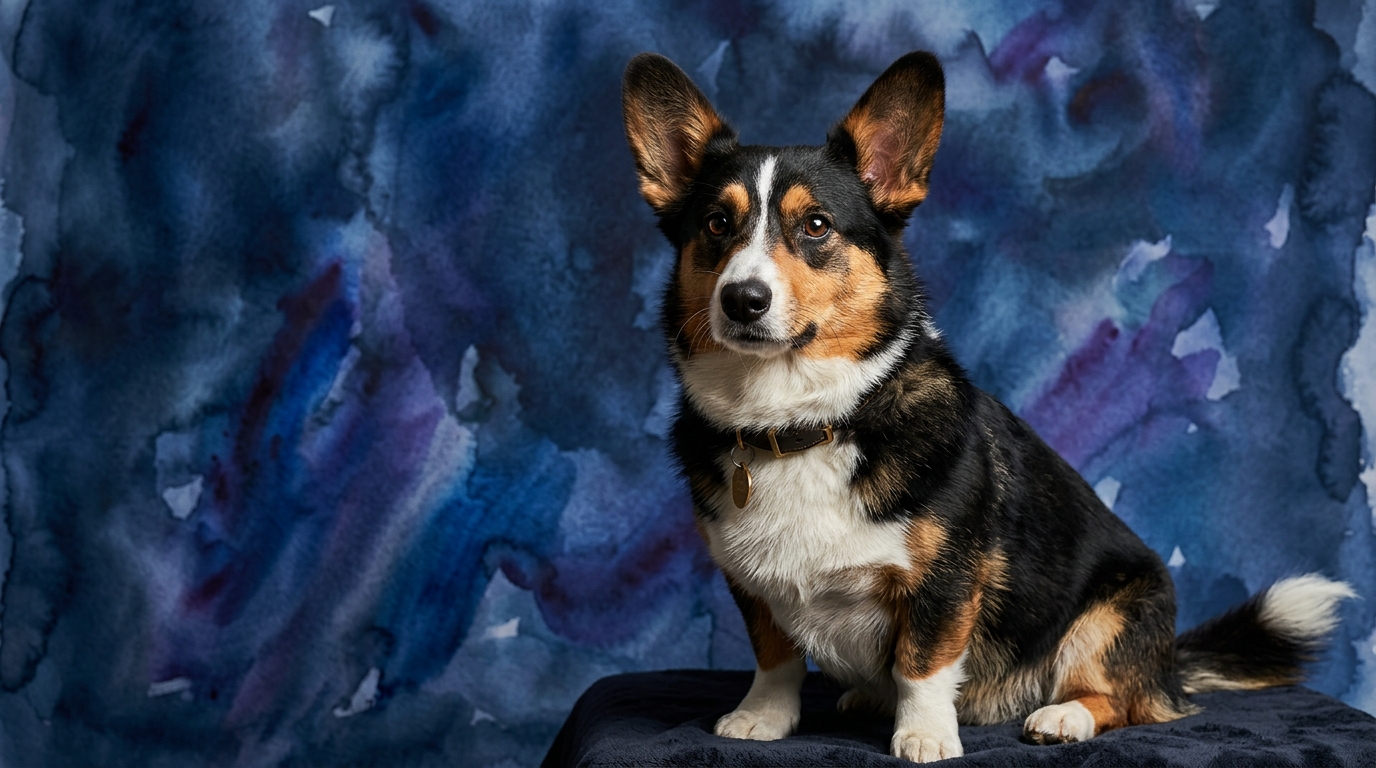
In stark contrast, the Cardigan Welsh Corgi, a compact powerhouse from the Herding group, boasts a Coren rank #26, signifying a more conventional and responsive form of intellect. Its Problem Solving scores a solid 4/5, indicating a capacity for practical solutions in varied environments, from working livestock to navigating a household. Training Speed is a commendable 4/5, highlighting their eagerness to learn and retain commands, making them highly receptive students. Social Intelligence is rated 3/5, demonstrating a good awareness of human emotions and social dynamics, making them excellent companions. Instinctive Drive, at 3/5, reflects their innate herding tendencies, which can manifest as nipping at heels or attempting to 'organize' family members. Finally, Memory is a strong 4/5, enabling them to remember complex routines, commands, and social interactions over extended periods.
Where the Bloodhound's Mind Dominates
The Bloodhound's cognitive superiority unequivocally lies in its olfactory processing and the intricate problem-solving required for persistent scent tracking. Their 5/5 Problem Solving isn't about agility courses; it’s about a dog that can independently follow a cold trail through diverse terrains, over water, and across busy roads, interpreting countless conflicting scents to isolate a single target. This involves an extraordinary ability to filter noise, maintain focus for hours, and make complex deductions based on a fading chemical signature. Their 5/5 Memory is specifically for scent, allowing them to recall specific odor profiles and differentiate them from others encountered previously, a feat unmatched in the canine world. This deep specialization means their 'intelligence' is profoundly different from a general-purpose intellect; it's a highly evolved, single-minded pursuit of olfactory truth.
Where the Cardigan Welsh Corgi's Intellect Shines
The Cardigan Welsh Corgi excels in its adaptability, quick learning, and social responsiveness, areas where the Bloodhound's specialized mind is less equipped. With a 4/5 Training Speed and 3/5 Social Intelligence, the Corgi quickly grasps human instructions and social cues, making them highly amenable to structured learning and cooperative tasks. Their problem-solving (4/5) is geared towards practical, dynamic situations, such as maneuvering livestock or figuring out how to get a preferred toy. They demonstrate a keen awareness of their environment and the desires of their human companions, often pre-empting needs or reacting appropriately to subtle shifts in human mood. This breed's intellect is characterized by its versatile application to a range of challenges, from obedience and tricks to navigating complex family dynamics, showcasing a balanced and interactive cognitive style.
Trainability: A Tale of Two Temperaments
When it comes to ease of training, the Cardigan Welsh Corgi holds a significant advantage due to its higher Training Speed (4/5) and Social Intelligence (3/5). Corgis are generally eager to please and respond well to positive reinforcement, quickly forming associations between commands and actions. Their historical role required them to work closely with humans, responding to subtle signals to herd livestock, which cultivated a responsive and cooperative demeanor. This translates into a dog that readily engages in training sessions, enjoying the mental stimulation and interaction. Their innate desire to organize and control, a manifestation of their Instinctive Drive, can be channeled productively into various dog sports or advanced obedience.
The Bloodhound, with its 1/5 Training Speed and 2/5 Social Intelligence, presents a far greater challenge to conventional obedience training. Their single-minded focus on scent means that once a trail is detected, external commands often become secondary. Their independent problem-solving in tracking doesn't translate to a desire for human direction in other contexts. Training a Bloodhound requires immense patience, creativity, and an understanding that their motivation is internal and often overrides external incentives. They can learn commands, but their responsiveness is highly contingent on the absence of a compelling scent. Real behavioral differences include their tendency to 'tune out' when on a scent, contrasting sharply with the Corgi's inherent attentiveness to human guidance.
Matching Minds to Lifestyles: Active vs. Relaxed Owners
The choice between these two breeds largely depends on an owner's lifestyle and what they seek in a canine companion. The Bloodhound is unequivocally suited for active, dedicated owners who are prepared to engage with its profound instinctive drive (5/5) for scent work. This means owners must provide consistent opportunities for tracking, whether through organized search and rescue, competitive trailing, or extensive scent games. A Bloodhound needs a purpose that satisfies its deep-seated drive, and without it, their independent nature can lead to destructive behaviors like excessive wandering or destructive chewing. They are not for owners seeking a traditionally biddable dog for casual strolls; their walks are often guided by their nose, not a leash.
The Cardigan Welsh Corgi, while possessing an Instinctive Drive (3/5) for herding, is far more adaptable to a range of owner activity levels, from moderately active to relaxed. They thrive on mental engagement and physical exercise, but their needs can be met with daily walks, interactive play, and participation in dog sports like agility or obedience. Their higher Social Intelligence (3/5) and Training Speed (4/5) mean they integrate well into family life and enjoy being involved in daily activities. They are excellent companions for owners who enjoy a dog that is present, responsive, and willing to participate in various shared experiences, without demanding a singular, intense focus on one activity.
The Verdict
Choose a Bloodhound if you are a dedicated, patient owner passionate about specialized scent work and can provide an outlet for their unparalleled tracking drive and independent problem-solving.
Opt for a Cardigan Welsh Corgi if you seek a versatile, biddable companion that learns quickly, thrives on social interaction, and can adapt to a range of activities and family dynamics.
🧠 Find Your Pet's IQ Score
Our Pet IQ Lab assessment covers 25+ tests across 5 cognitive dimensions — personalized to your breed.
Take the Full IQ Test →Frequently Asked Questions
Is a Bloodhound a good family pet despite its low social intelligence score?
While a Bloodhound's social intelligence (2/5) indicates less focus on human cues than other breeds, they can still be gentle and affectionate family members. Their bond is often expressed through quiet companionship rather than boisterous interaction, and they are generally tolerant of children if properly socialized.
Do Cardigan Welsh Corgis require a lot of exercise given their herding background?
Cardigan Welsh Corgis do require regular exercise to satisfy their moderate instinctive drive (3/5) and maintain their physical and mental well-being. Daily walks, playtime, and opportunities for mental stimulation through training or puzzle toys are usually sufficient to keep them content.
How does the Bloodhound's 5/5 problem solving differ from a Corgi's 4/5?
The Bloodhound's 5/5 problem-solving is almost exclusively tied to independently deciphering and navigating complex scent trails, requiring immense focus and deduction over long periods. The Corgi's 4/5 problem-solving is more general-purpose, involving practical solutions in their environment, such as figuring out how to herd a toy or navigate obstacles during agility, often in cooperation with a human.