Side-by-Side IQ Profile
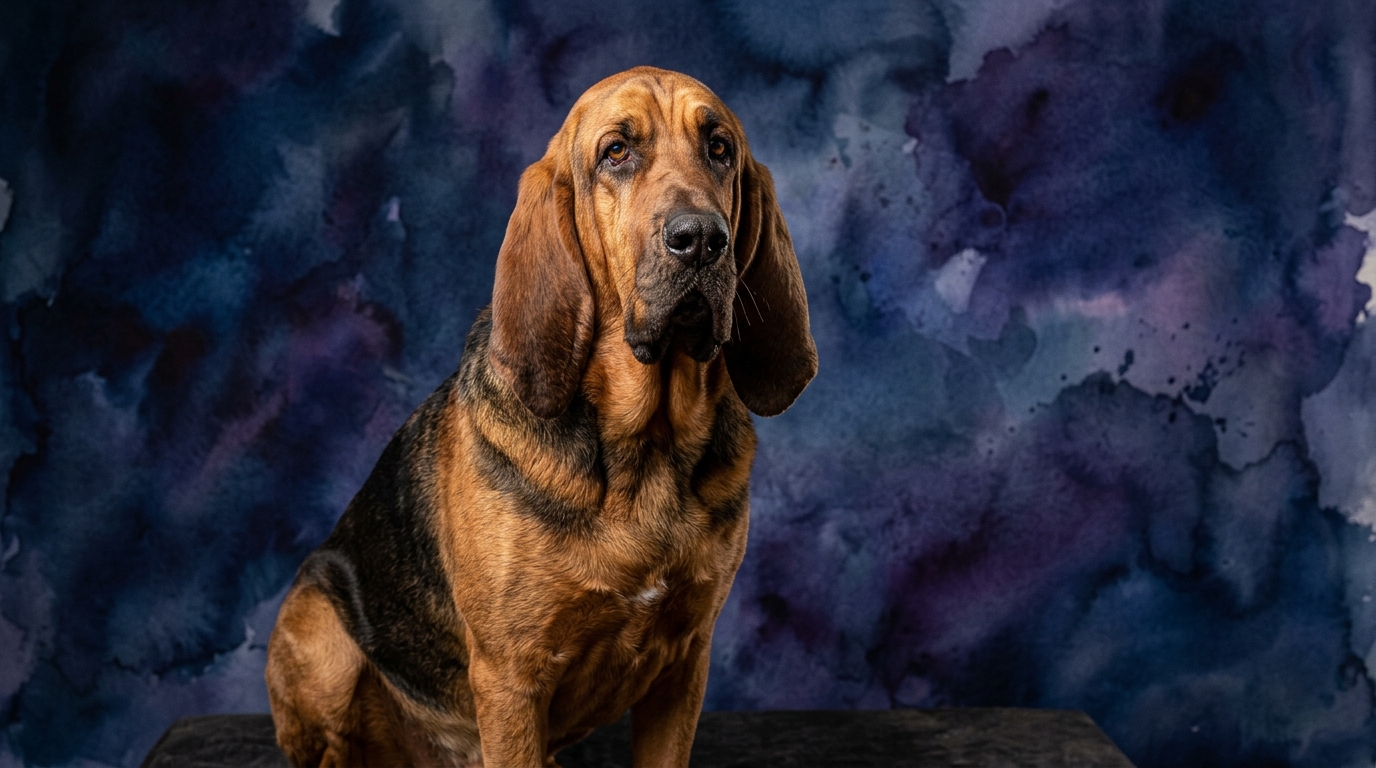
The Bloodhound's cognitive landscape is dominated by its extraordinary olfactory capabilities, reflected in its Coren rank of #74. Its Problem Solving (5/5) is uniquely focused on deciphering complex scent puzzles, isolating faint trails amidst environmental noise with unmatched precision. This singular drive dictates its Training Speed (1/5), as its independent, scent-driven nature means traditional obedience takes immense effort and patience, often requiring motivation tied directly to its tracking instinct. Social Intelligence (2/5) is lower, as their deep immersion in scent work often overrides attention to human cues, prioritizing olfactory input. An Instinctive Drive (5/5) of overwhelming intensity ensures relentless pursuit of a trail, while its Memory (5/5) is exceptional for long-term recall of scent information, allowing it to re-engage with cold trails effectively.
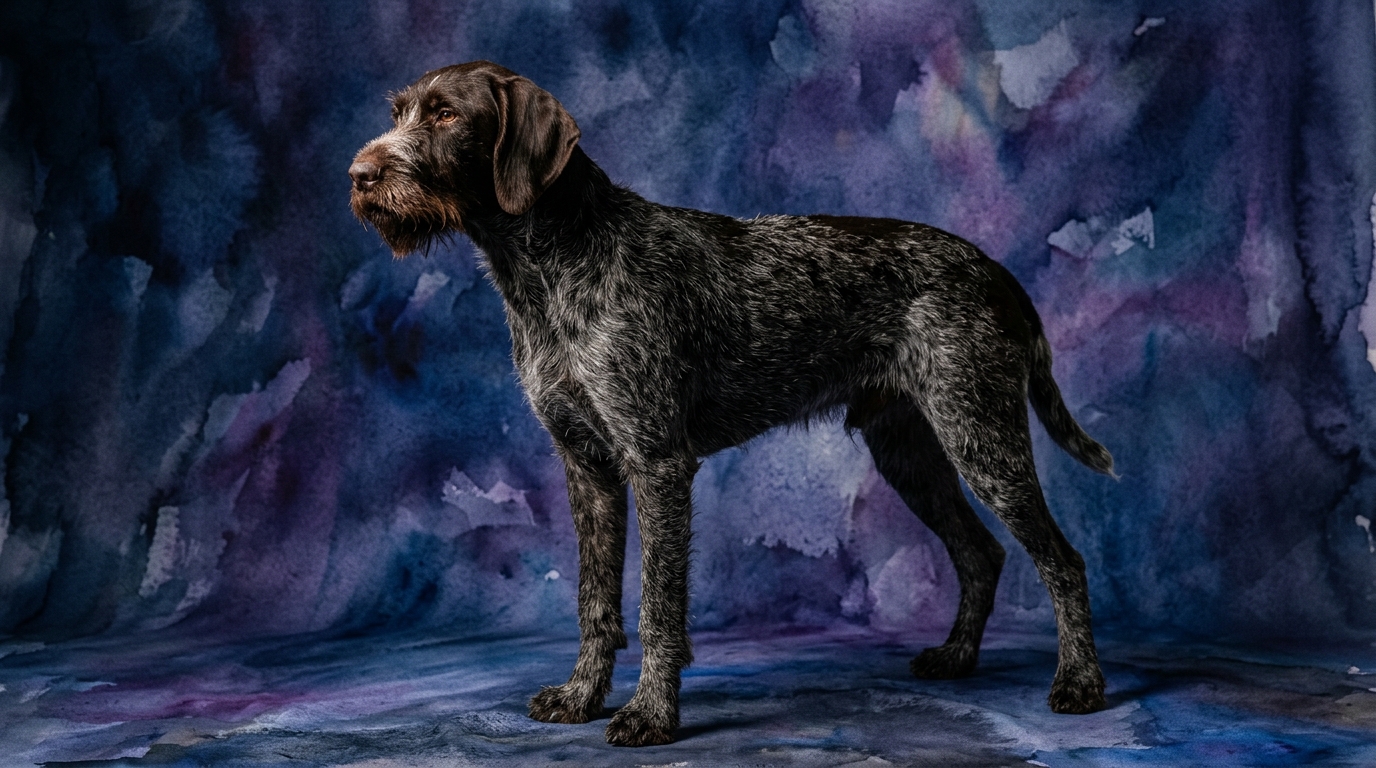
In contrast, the German Wirehaired Pointer (Coren rank #28) presents a more balanced and versatile cognitive profile. Its Problem Solving (4/5) is practical and adaptable, enabling it to strategize in varied hunting scenarios and understand multi-step commands. This breed boasts a superior Training Speed (4/5), reflecting its biddability and eagerness to cooperate with handlers, making it quick to learn and responsive to direction. Social Intelligence (3/5) is solid, fostering strong human-animal bonds and effective teamwork in collaborative tasks, as they are more attuned to human communication. Their Instinctive Drive (3/5) is robust but balanced across pointing, retrieving, and tracking, allowing for controlled application and versatility. Finally, their Memory (4/5) is strong for retaining learned commands and behavioral patterns, crucial for consistent performance in diverse working roles.
Where Bloodhound Wins Cognitively
The Bloodhound's cognitive superiority undeniably lies in its unparalleled olfactory prowess and the deep, unwavering focus this grants them. Their Problem Solving score of 5/5 isn't about navigating a puzzle box, but about disentangling a microscopic narrative of scent molecules across a sprawling landscape, a feat no other breed can consistently match. This means they excel at isolating a specific human scent from a cacophony of environmental odors, tracking it over immense distances and through varied terrain, a specific form of cognitive processing that demands incredible discriminatory power and persistence. Their Instinctive Drive, also a perfect 5/5, is a singular, overwhelming force that allows them to maintain this focus for hours, ignoring hunger, fatigue, and distractions that would derail any other dog. Furthermore, their 5/5 Memory is specifically tailored for this purpose, enabling them to recall and re-engage with scent information days after the initial exposure, essentially creating a 'scent map' in their minds that persists with remarkable clarity. This specialized memory allows them to pick up a cold trail with accuracy, a testament to their unique cognitive architecture dedicated to the art of tracking.
Where German Wirehaired Pointer Wins Cognitively
Conversely, the German Wirehaired Pointer's cognitive strengths shine in its versatility, adaptability, and collaborative spirit. With a Training Speed of 4/5, they significantly outpace the Bloodhound, demonstrating a keen desire to learn and respond to human direction. This biddability is a cognitive asset, allowing them to quickly grasp and execute complex multi-step commands, making them highly trainable for diverse tasks beyond just hunting. Their Social Intelligence, rated 3/5, indicates a greater attunement to human partners, enabling more fluid communication and teamwork in the field. A GWP can read a handler's body language or anticipate commands, adjusting its behavior accordingly—a cooperative cognitive skill less pronounced in the independently driven Bloodhound. Their Problem Solving at 4/5, while not specialized in scent analysis to the same degree as the Bloodhound, is broader, encompassing tactical decisions in hunting, navigating varied environments, and understanding the nuances of different training scenarios. This allows them to excel in a wider array of working roles, from pointing and retrieving to versatile field trials, where quick learning and responsive action are paramount.
Which Is Easier to Train and Why
When it comes to ease of training, the German Wirehaired Pointer holds a clear advantage, primarily due to its significantly higher Training Speed score (4/5 compared to the Bloodhound's 1/5) and its Coren rank of #28 versus #74. GWPs possess an inherent desire to work cooperatively with their human partners and a strong eagerness to please, making them highly receptive to instruction. They quickly connect actions with consequences and are motivated by positive reinforcement, allowing for faster acquisition of obedience commands, field skills, and complex routines. Their balanced instinctive drive means they can focus on the handler even amidst environmental distractions, provided they receive consistent, engaging training. In contrast, the Bloodhound's training journey is a testament to patience and understanding their unique motivations. Their 1/5 Training Speed stems from their overwhelming, single-minded instinctive drive for scent (5/5). A Bloodhound's brain is wired to follow a trail above all else, making them appear 'stubborn' or 'disinterested' in conventional obedience when a captivating scent is present. Training a Bloodhound requires harnessing this powerful drive, often by integrating obedience into scent work or using high-value rewards to compete with the allure of a trail. Their cognitive focus is so profoundly internal and olfactory that diverting it towards human-centric commands demands far more effort and specialized techniques than with a GWP, whose cognitive framework is more readily aligned with collaborative learning.
Which Suits Active Owners vs. Relaxed Owners
Neither the Bloodhound nor the German Wirehaired Pointer is suited for a truly 'relaxed' or sedentary owner, as both breeds possess significant working drives demanding substantial engagement. However, the *type* of activity they require differs profoundly. The Bloodhound, with its intense 5/5 Instinctive Drive for scent, needs an owner dedicated to channeling this specific cognitive obsession. Their 'activity' isn't just a casual jog; it's long, slow, focused scent work, whether formal tracking, trailing, or extensive 'sniffari' walks where they are allowed to deeply investigate odors. An owner must be prepared to commit to this specific form of mental and physical exertion, understanding that traditional exercise alone won't satisfy their deep-seated need to track. This makes them ideal for owners passionate about search and rescue, competitive tracking, or those who simply relish observing and facilitating their dog's incredible olfactory abilities. The German Wirehaired Pointer, on the other hand, suits a more broadly active owner. Their balanced 3/5 Instinctive Drive and versatile cognitive profile mean they thrive on varied physical and mental challenges. They excel as hiking partners, running companions, or participants in dog sports like agility, dock diving, or versatile hunting tests. An owner of a GWP should enjoy an active, outdoor lifestyle and be prepared to offer diverse forms of engagement that stimulate both their physical prowess and their problem-solving capabilities. While both require dedication, the GWP is a more adaptable partner for a wide range of athletic pursuits, whereas the Bloodhound demands a very specific kind of 'active' engagement.
The Verdict
Choose the Bloodhound if you are deeply fascinated by the unparalleled power of scent and are prepared to dedicate yourself to a partner whose singular cognitive focus is tracking, requiring immense patience and a specialized approach to training.
Opt for the German Wirehaired Pointer if you seek a highly versatile, cooperative, and biddable sporting companion who excels across a range of outdoor activities and dog sports, valuing a responsive partner ready for diverse challenges.
🧠 Find Your Pet's IQ Score
Our Pet IQ Lab assessment covers 25+ tests across 5 cognitive dimensions — personalized to your breed.
Take the Full IQ Test →Frequently Asked Questions
Are Bloodhounds stubborn during training?
While not inherently stubborn, Bloodhounds possess an overwhelming instinctive drive for scent (5/5), which often makes them appear unresponsive to conventional commands when a compelling odor is present. Their low Training Speed (1/5) means they prioritize following a trail above pleasing their handler, requiring training methods that integrate their natural tracking instincts.
Can a German Wirehaired Pointer thrive as a family pet?
Yes, a GWP can be a wonderful family pet, especially for active families. Their Social Intelligence (3/5) and biddability (Training Speed 4/5) allow them to form strong bonds and learn house rules quickly, but they require consistent mental and physical stimulation to prevent boredom and destructive behaviors.
Which breed requires more exercise, Bloodhound or German Wirehaired Pointer?
Both breeds require significant exercise, but the *type* differs. The Bloodhound needs extensive, focused scent work to satisfy its profound instinctive drive, which can be mentally exhausting. The GWP needs varied, high-intensity physical activity like running, hiking, and field work, combined with mental challenges, making them more adaptable to diverse active lifestyles.