Side-by-Side IQ Profile: Diving into Canine Minds
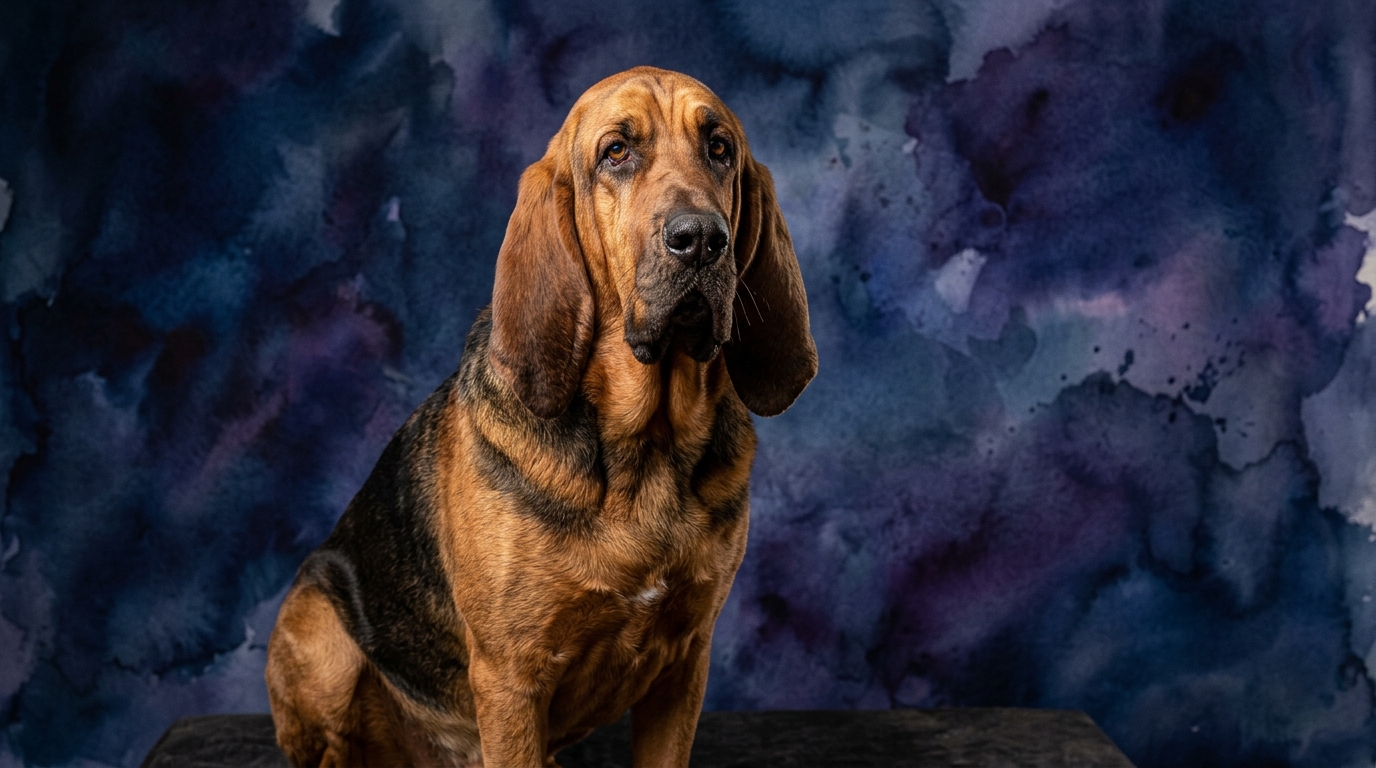
The Cosmic Pet Pet IQ Lab offers a nuanced look into canine intelligence, moving beyond simple 'smart' labels to explore specific cognitive dimensions. For the Bloodhound, ranked #74 by Coren, its Problem Solving ability is exceptional at 5/5, indicating a profound capacity for navigating complex challenges, particularly those involving scent. Its Training Speed, however, is a modest 1/5, reflecting an independent nature that often prioritizes its own sensory world over human directives. Social Intelligence scores 2/5, suggesting a dog less driven by pack dynamics or human-centric communication, but its Instinctive Drive is a perfect 5/5, an unparalleled urge to track. Finally, its Memory is 5/5, allowing it to retain intricate scent trails and related experiences over extended periods.
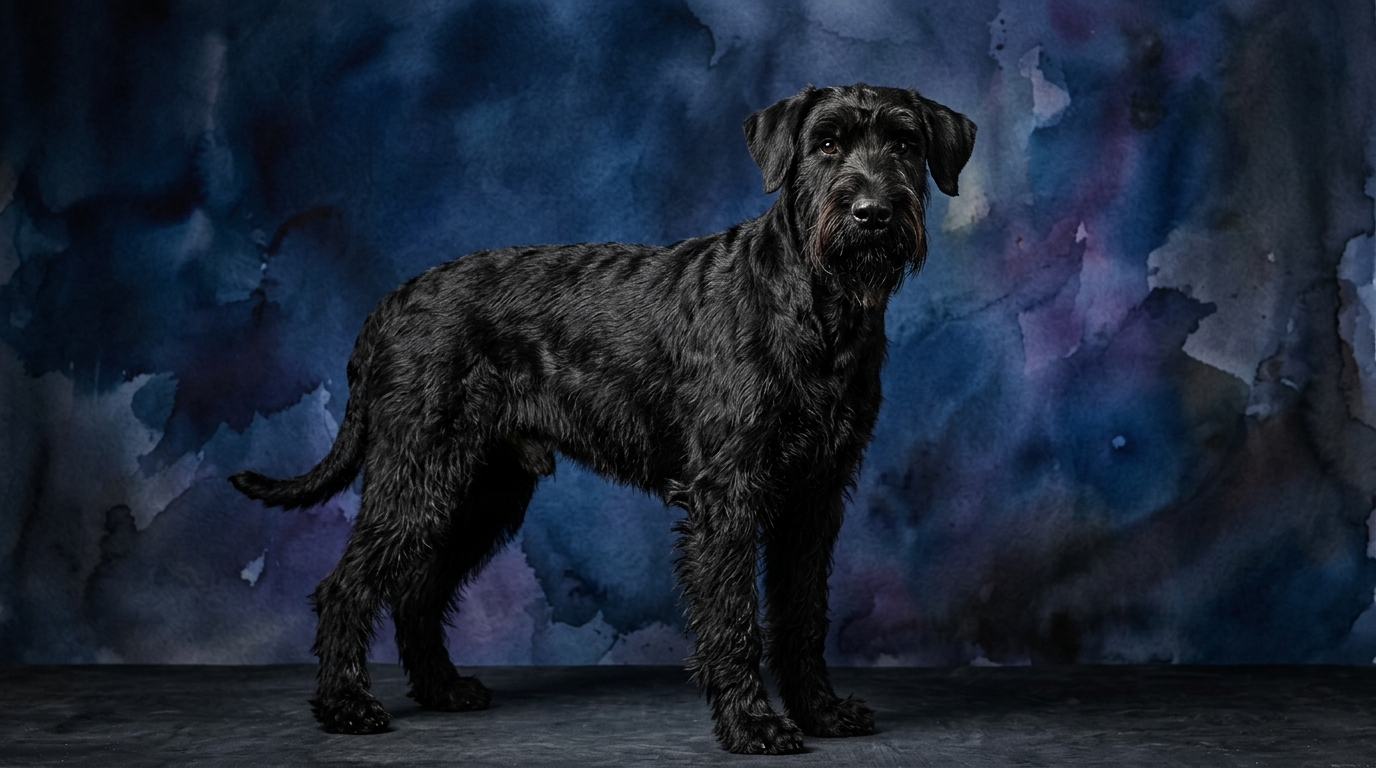
In contrast, the Giant Schnauzer, holding a higher Coren rank of #28, presents a more balanced cognitive profile. Its Problem Solving skill is strong at 4/5, demonstrating practical intelligence for various tasks and situations. A Training Speed of 4/5 highlights its eagerness and aptitude for learning commands and routines, making it a responsive pupil. With a Social Intelligence of 3/5, the Giant Schnauzer is more attuned to human interaction and group dynamics than the Bloodhound, thriving on companionship and collaboration. Its Instinctive Drive at 3/5 is present but less specialized than the Bloodhound's, manifesting as a general working drive rather than a singular obsession. Its Memory, rated 4/5, supports its trainability and ability to recall learned behaviors and experiences effectively.
Where the Bloodhound's Mind Excels: The Scent Detective
The Bloodhound's cognitive superiority undeniably lies in its unparalleled olfaction and the mental faculties supporting it. Its 5/5 Problem Solving isn't about fetching a dropped remote; it's about methodically dissecting a complex scent puzzle across varied terrains and conditions, often ignoring distractions that would derail other breeds. This involves intricate spatial reasoning and an ability to hold multiple scent layers in its working memory simultaneously. The perfect 5/5 Instinctive Drive fuels this pursuit relentlessly, providing an internal motivation that few other breeds possess to such an extreme degree. This isn't just a physical drive; it's a deep-seated cognitive imperative to follow and interpret scent, a mental marathon that can last for hours.
Furthermore, the Bloodhound's 5/5 Memory is crucial for its primary 'job.' It doesn't just remember a scent; it remembers the *context* of that scent – where it started, where it went, and subtle changes along the way. This long-term olfactory memory allows it to differentiate between multiple trails and even return to a lost trail after a significant break. This specific type of cognitive prowess, deeply integrated with its sensory capabilities, makes the Bloodhound an unmatched specialist in tasks requiring sustained, independent, and highly detailed sensory processing.
Where the Giant Schnauzer's Mind Shines: The Versatile Collaborator
The Giant Schnauzer's cognitive strengths lie in its balanced aptitude for learning and its social engagement. With a Training Speed of 4/5, it processes new commands and routines quickly, demonstrating a desire to understand and execute tasks for its human companion. This responsiveness is a significant cognitive advantage for owners seeking a dog capable of mastering a wide array of disciplines, from obedience to protection work. Its 4/5 Problem Solving, while not as specialized as the Bloodhound's, allows it to adapt to diverse situations, figuring out how to open gates or navigate novel environments through observation and trial-and-error.
The Giant Schnauzer's 3/5 Social Intelligence plays a crucial role in its effectiveness as a working and companion animal. It is more attuned to human cues and desires to engage in cooperative activities, making it an excellent partner for structured training and shared tasks. This social awareness contributes to its ability to interpret handler intentions and adjust its behavior accordingly, a stark contrast to the Bloodhound's more independent focus. Its 4/5 Memory supports its rapid training, allowing it to reliably recall a broad repertoire of commands and learned behaviors, making it a consistent and dependable performer once trained.
Training Dynamics: Independence vs. Cooperation
When considering ease of training, the Giant Schnauzer (Training Speed 4/5) clearly holds an advantage over the Bloodhound (Training Speed 1/5). The Giant Schnauzer's higher training speed stems from its inherent desire to work alongside its handler and its general aptitude for learning structured commands. It typically seeks to please and thrives on mental stimulation provided through training sessions, making it highly receptive to positive reinforcement and consistent instruction. Its social intelligence also means it pays closer attention to human cues, making communication during training more effective.
The Bloodhound's lower training speed is not an indicator of a lack of problem-solving ability, but rather a reflection of its singular focus and independent nature. When a Bloodhound is on a scent, its instinctive drive (5/5) often overrides any learned commands. Training a Bloodhound requires immense patience, understanding its motivations, and often integrating scent work into the training itself to capture its attention. They are not 'disobedient' in a willful sense; rather, their minds are wired to prioritize the intricate world of scent above all else, making traditional obedience a significant challenge that requires consistent, highly motivating, and often creative approaches to training.
Lifestyle Match: Dedicated Pursuit vs. Engaged Partnership
The Bloodhound is ideally suited for active owners who are prepared to dedicate significant time and energy to harnessing its powerful instinctive drive and unique cognitive strengths. This breed thrives with owners who can provide consistent opportunities for scent work, whether through formal tracking sports, search and rescue, or simply long, exploratory walks where their nose can lead. A relaxed owner who expects a Bloodhound to be a passive companion will quickly find themselves with a bored and potentially destructive dog, as its high problem-solving and memory applied to scent will find outlets, often inconveniently. The Bloodhound needs mental engagement that speaks to its core being: following a trail.
The Giant Schnauzer, with its balanced cognitive profile, suits active owners who enjoy a more collaborative and engaged partnership. They excel in structured activities like obedience, agility, or protection sports, where their training speed, social intelligence, and robust physical capabilities can be fully utilized. While they appreciate physical exercise, their mental stimulation often comes from working alongside their owner, learning new tasks, and being an integral part of family activities. A relaxed owner might find the Giant Schnauzer's energy and need for consistent mental engagement overwhelming, as they require purposeful interaction and a 'job' to feel fulfilled, even if that job is simply being a well-trained family guardian.
The Verdict: Choosing Your Cognitive Companion
The Verdict
Choose a Bloodhound if you are a dedicated individual fascinated by scent work, prepared to embrace an independent problem-solver, and willing to invest heavily in specialized mental stimulation for this unique tracking specialist.
Opt for a Giant Schnauzer if you seek a versatile, trainable partner for a variety of activities, value a dog that thrives on cooperative learning, and desire a socially engaged companion capable of mastering diverse tasks.
🧠 Find Your Pet's IQ Score
Our Pet IQ Lab assessment covers 25+ tests across 5 cognitive dimensions — personalized to your breed.
Take the Full IQ Test →Frequently Asked Questions
Can a Bloodhound be a good family pet despite its independence?
Yes, Bloodhounds can be devoted family members, often forming strong bonds. However, their independent nature means they require consistent training and management, and their primary focus will always be scent, so owners must be prepared to integrate this drive into family life rather than suppress it.
Are Giant Schnauzers good with children and other pets?
Giant Schnauzers, with their moderate social intelligence, can be excellent with children and other pets when properly socialized from a young age. Their protective instincts mean they are often watchful guardians, and early, positive introductions are key to fostering harmonious relationships within the home.
What kind of daily mental stimulation does each breed require?
A Bloodhound requires daily opportunities for scent work, such as tracking games, hide-and-seek with treats, or supervised off-leash exploration in safe, scent-rich environments to satisfy its profound instinctive drive. A Giant Schnauzer thrives on structured training sessions, puzzle toys, and engaging in activities that involve working collaboratively with its owner, such as obedience drills, agility courses, or learning new tricks.