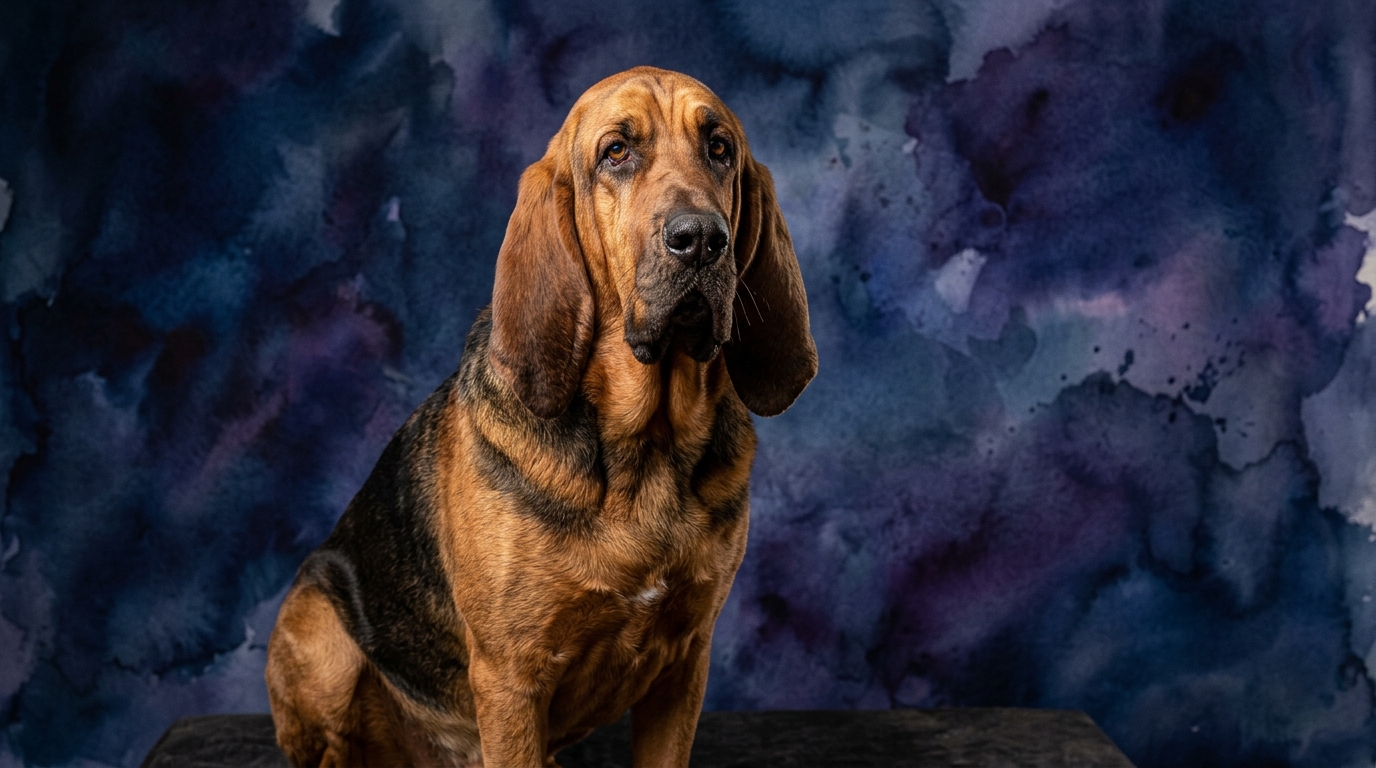
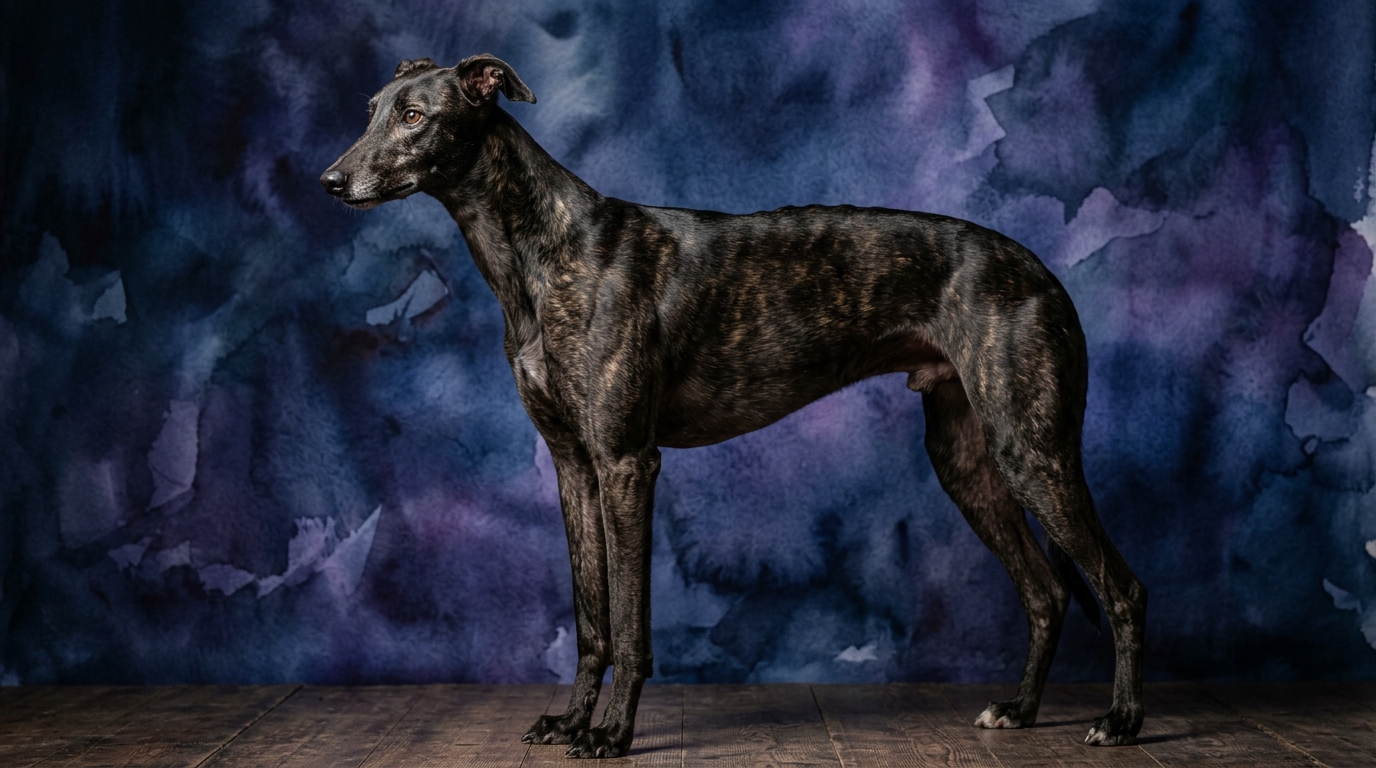
Side-by-Side IQ Profile: Bloodhound vs. Greyhound
The Cosmic Pet Pet IQ Lab evaluates five key dimensions of canine intelligence, revealing stark differences between these two hound breeds. For the Bloodhound, Problem Solving scores a perfect 5/5, reflecting their unparalleled ability to unravel complex scent puzzles. Their Training Speed, however, registers a low 1/5, indicating a strong independent streak and focus on their primary drive. Social Intelligence stands at 2/5, suggesting a more self-reliant nature, while Instinctive Drive is a maximal 5/5, unequivocally dedicated to scent. Finally, Memory is an impressive 5/5, crucial for retaining intricate scent patterns over time and distance.
In contrast, the Greyhound presents a different cognitive landscape. Their Problem Solving capability is rated 3/5, demonstrating practical intelligence for navigating their environment but less inclination for abstract or intricate tasks. Training Speed is a modest 2/5, showing a degree more responsiveness than the Bloodhound but still valuing independence. Social Intelligence is 3/5, suggesting a gentle temperament and a capacity for bonding with their human companions. Instinctive Drive, like the Bloodhound, is a commanding 5/5, though geared towards the visual pursuit of prey. Their Memory is rated 3/5, sufficient for routines and familiar surroundings, but not specialized for the complex recall of scent data.
Where the Bloodhound Excels Cognitively
The Bloodhound's cognitive superiority lies undeniably in its olfactory domain. Their Problem Solving score of 5/5 isn't about understanding human commands quickly; it's about processing an invisible world of scent data with unmatched precision and persistence. They can differentiate individual scent molecules, follow trails days old, and filter out myriad confounding odors, effectively 'reading' an environmental narrative no other creature can perceive. This capacity requires an immense cognitive load, demanding intense focus and an analytical approach to scent discrimination, making them unparalleled biological detectives.
Their Memory score of 5/5 is intrinsically linked to this talent, allowing them to retain complex scent patterns and spatial information from a trail for extended periods. A Bloodhound can pick up a scent, lose it, and then re-acquire it hours later, demonstrating a long-term working memory specifically adapted for tracking. This isn't rote memorization but a dynamic, active recall of an intricate sensory map, crucial for their specialized work. Their instinctive drive, rated 5/5, fuels this cognitive strength, providing the relentless motivation to apply their problem-solving and memory skills until the objective is achieved, regardless of distraction or fatigue.
Where the Greyhound Excels Cognitively
The Greyhound’s cognitive strengths are rooted in efficiency, visual acuity, and rapid response, reflecting their sighthound heritage. While their Problem Solving at 3/5 may not rival the Bloodhound’s intricate scent work, it manifests in practical ways, such as quickly assessing the fastest route across an open field or understanding household routines. They are adept at learning spatial layouts and adapting to new environments with minimal fuss, demonstrating a flexible, rather than deeply focused, form of intelligence.
Their social intelligence, rated 3/5 compared to the Bloodhound's 2/5, indicates a greater capacity for nuanced interaction with humans and other animals. Greyhounds are often described as gentle and sensitive, capable of forming deep, quiet bonds with their families. This higher social score suggests a greater awareness of social cues and a more receptive nature in a domestic setting. Furthermore, their instinctive drive of 5/5, centered on visual pursuit, requires rapid cognitive processing to anticipate prey movements, calculate trajectories, and make split-second decisions at high speeds—a distinct, dynamic form of cognitive prowess that prioritizes speed and accuracy over intricate, prolonged analysis.
Which is Easier to Train and Why?
When considering ease of training, the Greyhound, with a Training Speed of 2/5, holds a slight edge over the Bloodhound's 1/5. Bloodhounds are notoriously challenging to train in traditional obedience, primarily because their 5/5 Instinctive Drive for scent work overrides almost all other stimuli. Once a Bloodhound catches a compelling scent, their singular focus becomes an impenetrable barrier to human commands. Their independent nature and low Social Intelligence (2/5) mean they are less motivated by human approval and more by the internal reward of following a trail, demanding immense patience and specialized, highly motivating techniques from trainers.
Greyhounds, while still independent and not typically eager to please in the same way some other breeds are, are generally more responsive to positive reinforcement for basic obedience. Their Training Speed of 2/5 reflects a capacity to learn commands and routines, particularly if paired with rewards they value. Their higher Social Intelligence (3/5) means they are more likely to engage with their human companions during training sessions. However, their strong 5/5 Instinctive Drive for chasing can make off-leash reliability difficult in unfenced areas, as a visual stimulus can trigger an immediate, high-speed pursuit that overrides commands. Managing their prey drive is a key aspect of their training.
Suited for Active vs. Relaxed Owners
The Bloodhound is unequivocally suited for active owners who are prepared for significant, specialized engagement. Their 5/5 Instinctive Drive and 5/5 Problem Solving in the realm of scent demand extensive mental and physical stimulation focused on tracking. An owner who doesn't provide outlets for their olfactory talents will likely find themselves with a frustrated, and potentially destructive, companion. They need long, investigative walks, opportunities for scent work, and owners who appreciate their independent, focused nature rather than expecting a highly biddable companion. Their exercise needs are less about speed and more about endurance and mental engagement with scents.
The Greyhound, on the other hand, often surprises people with its suitability for relaxed owners, earning them the moniker '45 mph couch potatoes.' While they possess a 5/5 Instinctive Drive for speed, they are sprinters, not marathon runners. They require short bursts of intense exercise—a good run in a secure, fenced area—followed by extensive periods of rest and lounging. Their moderate Problem Solving (3/5) and Social Intelligence (3/5) mean they adapt well to a quiet home life, enjoying comfort and companionship without demanding constant, complex mental engagement beyond their daily sprints. They are generally calm indoors, making them surprisingly good companions for those who enjoy a more laid-back lifestyle, provided their explosive exercise needs are met.
The Verdict: When to Choose Each Breed
The Verdict
Choose a Bloodhound if you are a dedicated, patient owner passionate about scent work, tracking, or search and rescue, valuing a dog's unparalleled olfactory intelligence and independent spirit over immediate obedience. You must be prepared to manage their powerful instinctive drive and commit to specialized training.
Opt for a Greyhound if you appreciate elegant athleticism coupled with a gentle, often quiet companion, who enjoys short bursts of intense activity followed by long periods of rest. You should be prepared to manage their prey drive and appreciate their mild independence and sensitivity.
🧠 Find Your Pet's IQ Score
Our Pet IQ Lab assessment covers 25+ tests across 5 cognitive dimensions — personalized to your breed.
Take the Full IQ Test →Frequently Asked Questions
Are Bloodhounds truly stubborn during training?
Bloodhounds often appear stubborn because their exceptional instinctive drive and single-minded focus on scent override most other stimuli. Their attention is primarily directed towards olfactory information, making traditional obedience training a significant challenge that requires immense patience and specialized motivation.
Do Greyhounds require a lot of exercise daily?
Greyhounds are sprinters, not endurance runners; they typically need short, intense bursts of exercise, such as a vigorous run in a securely fenced area, followed by long periods of rest. They are often content to lounge around the house for much of the day, earning them the nickname '45 mph couch potatoes.'
Which breed is generally better suited for families with children?
Greyhounds, with their higher social intelligence (3/5 compared to Bloodhound's 2/5) and generally gentle, tolerant demeanor, are often considered more naturally suited for family life with children. However, proper introductions and supervision are always essential with any dog breed around youngsters.