Side-by-Side Cognitive Profiles
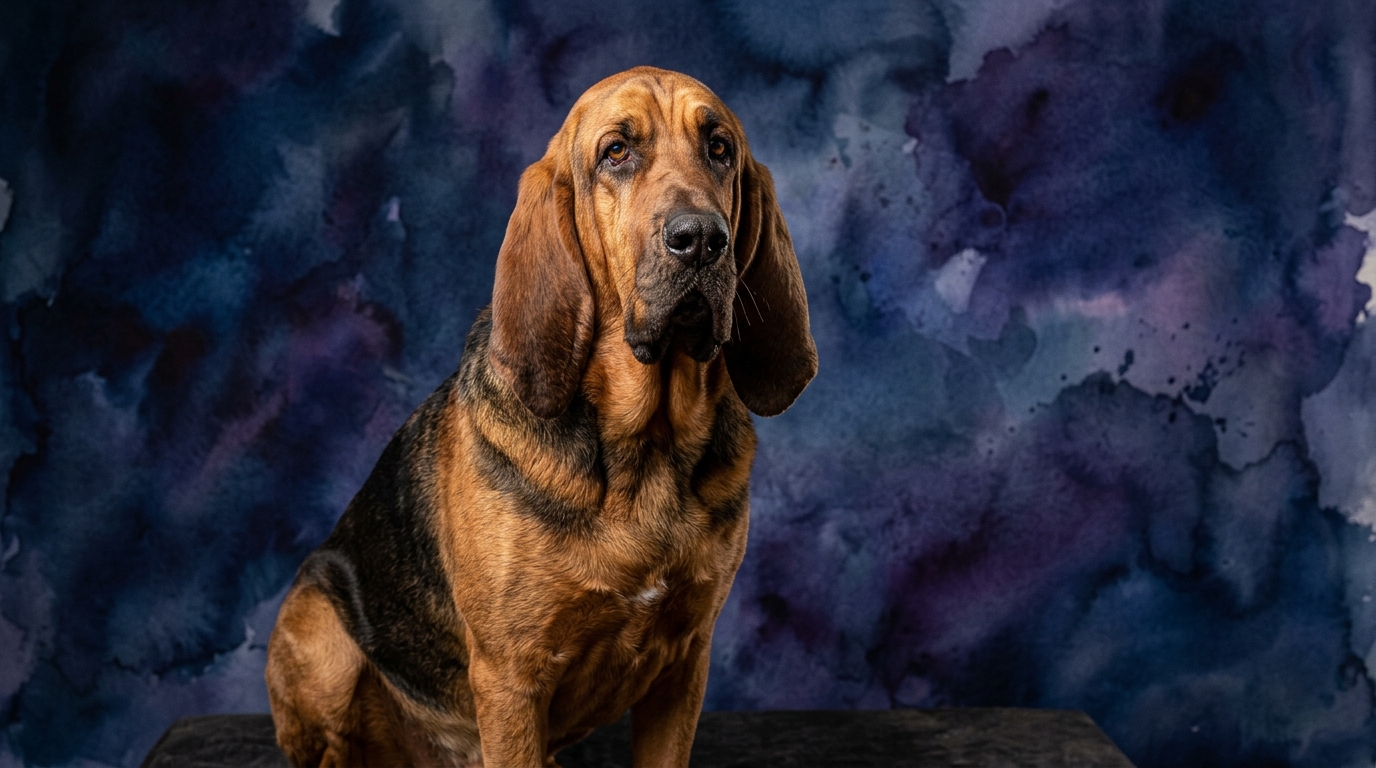
The Cosmic Pet Pet IQ Lab employs a five-dimensional framework to assess canine intelligence, offering a nuanced view beyond simple ranking. For the Bloodhound, a breed recognized for its exceptional olfactory prowess and holding a Coren rank of #74, its profile paints a picture of extreme specialization. It scores a remarkable 5/5 in Problem Solving, particularly concerning scent-based tasks, a 1/5 in Training Speed, indicating a strong independent streak, and a 2/5 in Social Intelligence, suggesting a lesser focus on human social cues. Its Instinctive Drive is an unparalleled 5/5, directly fueling its tracking capabilities, complemented by a 5/5 in Memory, especially for scent trails.
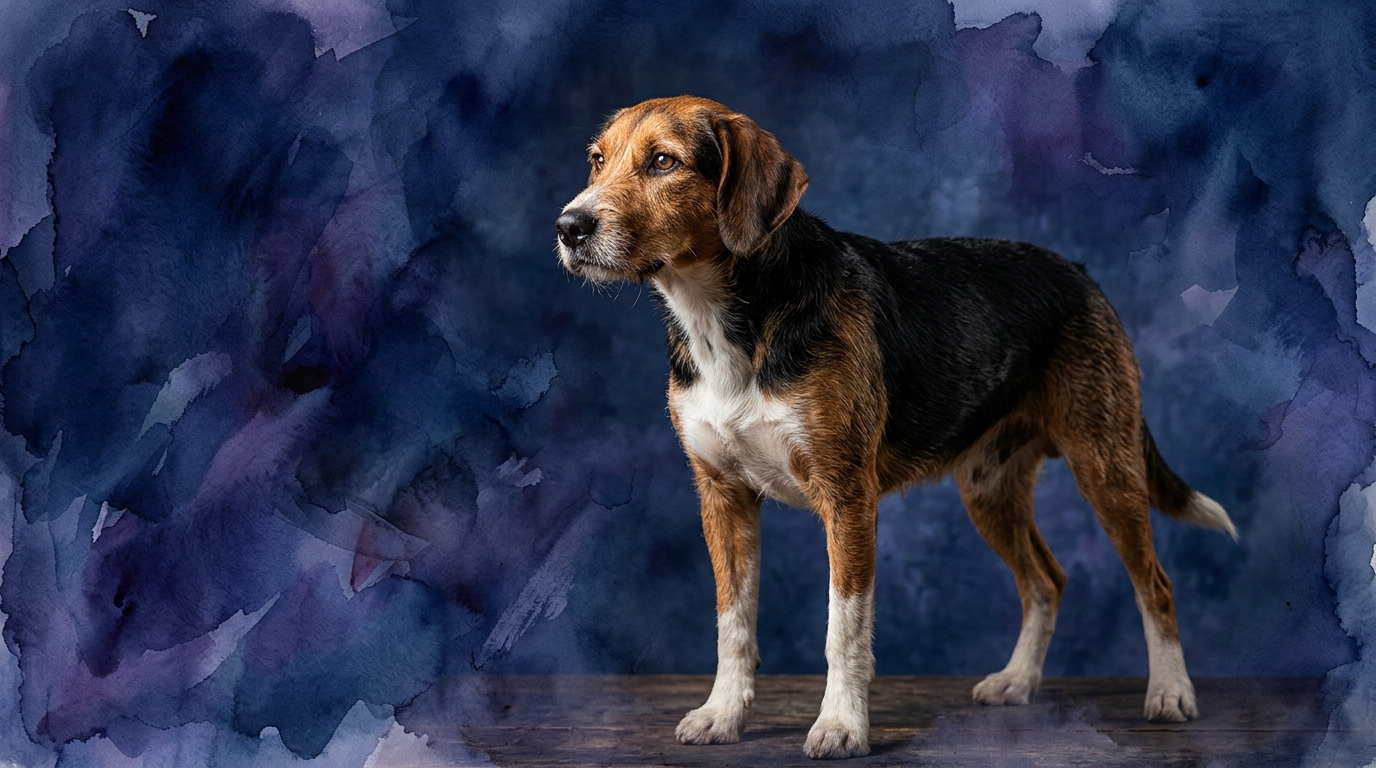
In contrast, the Harrier, a less commonly ranked hound, presents a more balanced, albeit less extreme, cognitive profile. Across all five dimensions—Problem Solving, Training Speed, Social Intelligence, Instinctive Drive, and Memory—the Harrier consistently scores 3/5. This indicates a general competence and adaptability without the profound specialization seen in the Bloodhound. The Harrier is capable, moderately responsive, and possesses a functional level of social engagement and drive, making it a versatile scent hound that doesn't push the boundaries in any single cognitive domain.
Where the Bloodhound Excels Cognitively
The Bloodhound’s true cognitive brilliance shines in its specialized domains, particularly its 5/5 Problem Solving and 5/5 Memory, both powered by its 5/5 Instinctive Drive. Its problem-solving isn't about manipulating objects or understanding abstract concepts; it's about navigating a complex, ever-changing olfactory landscape. Imagine reconstructing a narrative from faint, dispersed scent molecules over hours or even days, across varying terrains and weather conditions. This requires immense cognitive processing to filter irrelevant odors, prioritize specific targets, and mentally 'map' a path forward, a feat few other breeds can replicate.
This profound problem-solving capacity is inextricably linked to its equally impressive memory. A Bloodhound doesn't just follow a fresh trail; it can recall and distinguish specific scents encountered previously, recognizing individuals or patterns from past experiences. This long-term sensory memory allows them to build complex mental scent libraries, aiding in the identification of subtle shifts in a trail or the recognition of a target scent even after significant time has passed. Their relentless instinctive drive is the engine for these abilities, ensuring that once a scent is engaged, their entire cognitive apparatus is dedicated to its pursuit, making them tireless and focused to an extreme degree.
Where the Harrier Shows Cognitive Advantage
While the Bloodhound dominates in specialized scent-related cognition, the Harrier demonstrates a significant cognitive advantage in areas vital for integrated companion life. Its 3/5 score in Training Speed, compared to the Bloodhound's 1/5, is a clear win. This indicates a greater receptiveness to human instruction and a more flexible attention span, allowing Harriers to acquire basic obedience commands and household manners with more consistency and less repetition. Their cognitive processes are less singularly fixated on scent, leaving more bandwidth for processing human vocalizations and gestures.
Furthermore, the Harrier's 3/5 Social Intelligence surpasses the Bloodhound's 2/5, highlighting a greater capacity for understanding and engaging with social dynamics. Harriers are generally more attuned to their human family's moods and intentions, more inclined to seek interaction, and often integrate more smoothly into multi-pet environments. This suggests a cognitive ability to interpret a broader range of social cues, leading to more harmonious relationships within a household. Their balanced cognitive profile, with consistent 3/5 scores, means they are adaptable without the extreme demands or single-mindedness of their more specialized cousin.
Ease of Training: A Clear Distinction
When it comes to ease of training, the Harrier (3/5 Training Speed) is demonstrably more amenable than the Bloodhound (1/5 Training Speed). The Bloodhound's challenges stem directly from its highly specialized cognitive architecture. Their profound 5/5 instinctive drive and problem-solving focus on scent mean their attention is fundamentally directed away from human commands when a compelling odor is present. For a Bloodhound, ignoring a human's 'sit' command in favor of a faint, intriguing scent isn't defiance; it's a hardwired prioritization of their primary cognitive function.
Training a Bloodhound requires immense patience, consistent positive reinforcement, and a deep understanding that their 'listening' is always secondary to their nose. They learn, but at their own, deliberate pace, and often only when it aligns with their interests or when the reward is exceptionally high. Recall, in particular, becomes a monumental task once a Bloodhound is engrossed in a scent trail. Harriers, with their moderate 3/5 instinctive drive, can be more readily interrupted from a scent, and their higher social intelligence makes them more inclined to seek human approval. Their attention can be captured and redirected more effectively, allowing for quicker acquisition of standard commands, better leash manners, and more reliable responses in various environments. While still a hound with independent tendencies, their cognitive flexibility allows for a more cooperative and less demanding training dynamic for the average owner.
Matching Canine Cognition to Lifestyle
Understanding these cognitive profiles is crucial for matching a dog to an owner's lifestyle. For truly active owners, both breeds demand significant engagement, but for different reasons. The Bloodhound, with its 5/5 instinctive drive, requires an owner dedicated to channeling its intense energy into purposeful activities, ideally tracking or scent work. A Bloodhound needs long, deliberate 'scent walks' where its nose can be engaged, and a meticulously secure environment to prevent it from following a compelling trail into danger. Its independent nature means it’s suited for owners who appreciate a dog with its own profound internal agenda, provided that agenda is managed effectively through consistent training and appropriate outlets.
The Harrier also suits active owners, but those who seek a more interactive companion for shared adventures. Its 3/5 instinctive drive means it needs regular exercise like running, hiking, or vigorous play, but not necessarily the specialized, relentless tracking of a Bloodhound. Its higher social intelligence means it thrives on activities that involve its family, enjoying interaction and companionship during physical exertion. For truly relaxed owners, neither breed is an ideal fit, as both are hounds requiring substantial physical and mental stimulation. However, if a choice must be made, the Harrier's more balanced needs and greater trainability make it a less overwhelming prospect than the Bloodhound, whose singular focus and independent nature can be profoundly challenging without specific dedication to its inherent predispositions.
The Verdict
Choose a Bloodhound if you are a dedicated individual seeking a partner for serious scent work, search and rescue, or possess a deep appreciation for highly specialized canine cognition, understanding their independent, often single-minded nature.
Opt for a Harrier if you are an active family or individual desiring a more balanced, social, and moderately trainable hound companion that can participate in various activities and integrate more readily into a typical household.
🧠 Find Your Pet's IQ Score
Our Pet IQ Lab assessment covers 25+ tests across 5 cognitive dimensions — personalized to your breed.
Take the Full IQ Test →Frequently Asked Questions
Are Bloodhounds truly 'stubborn'?
Bloodhounds aren't inherently stubborn in a malicious sense; their 5/5 instinctive drive means their cognitive focus is overwhelmingly drawn to scent trails. When they appear to ignore commands, it's often because they are deeply engrossed in processing olfactory information, prioritizing their powerful nose over human directives rather than choosing to disobey.
Can Harriers be good apartment dogs?
While Harriers possess a moderate instinctive drive, their energy levels still require substantial daily exercise and mental stimulation. They are generally too active for apartment living unless their owners are committed to long walks, runs, or regular trips to secure outdoor spaces to meet their physical and cognitive needs.
What kind of mental stimulation do Bloodhounds need beyond tracking?
Beyond formal tracking, Bloodhounds benefit immensely from scent games like 'find it' with treats, puzzle toys that engage their nose, and opportunities to explore new environments where they can process novel scents. This satisfies their 5/5 problem-solving and instinctive drive in a controlled manner, preventing boredom and channeling their natural abilities.