
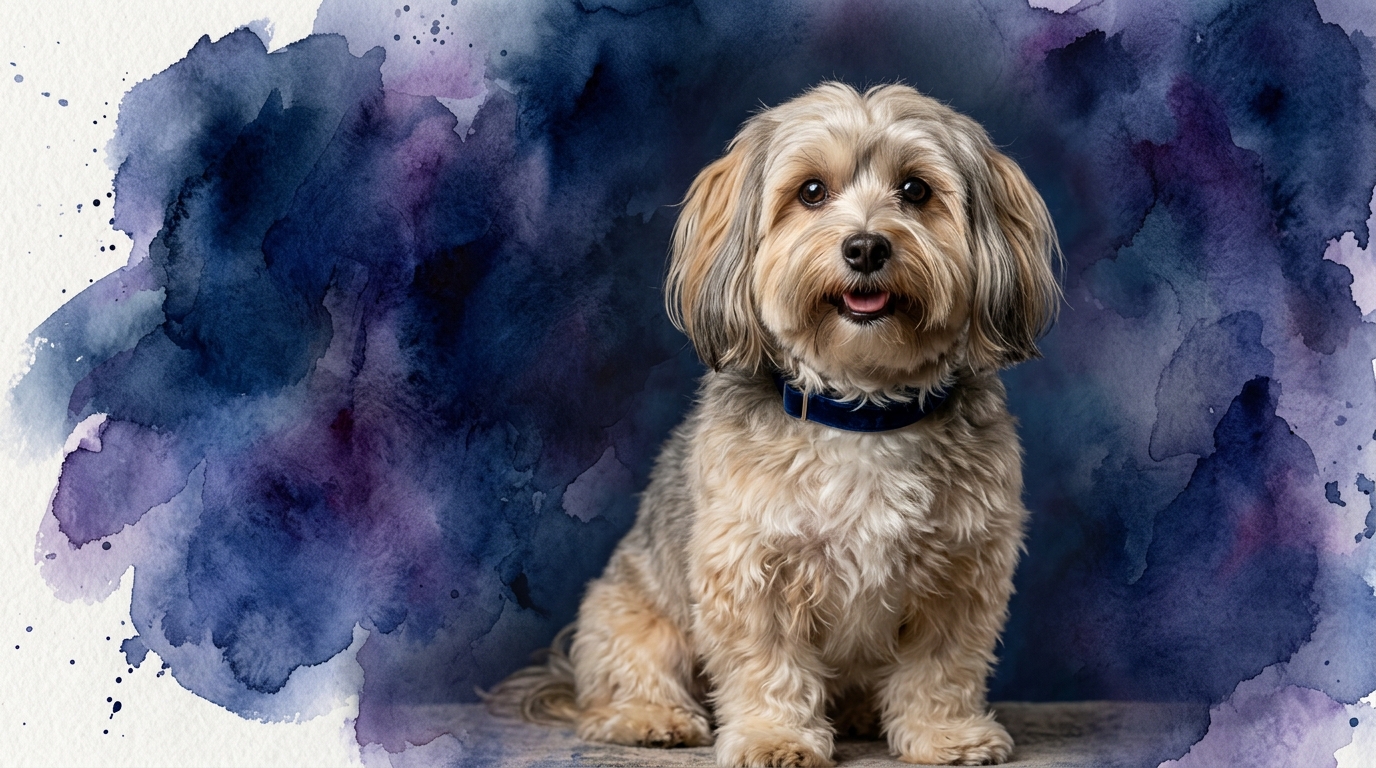
Side-by-Side IQ Profile: Bloodhound vs. Havanese
The Bloodhound’s cognitive profile is a testament to its specialized ancestry, dominated by an extraordinary Problem Solving score of 5/5. This isn't about solving abstract puzzles, but an unparalleled capacity to decipher complex olfactory landscapes, tracking faint scent trails over vast distances and time. Their Memory, also a perfect 5/5, underpins this ability, allowing them to retain intricate scent maps and past experiences crucial for successful tracking. However, this intense focus comes with trade-offs: Training Speed registers a low 1/5, as their primary drive often overrides the desire to comply with human commands if a compelling scent is present. Similarly, their Social Intelligence is a moderate 2/5; while capable of affection, their world is primarily interpreted through their nose, sometimes making human social cues secondary to an intriguing aroma. An Instinctive Drive of 5/5 fuels their relentless pursuit, making them tireless workers in their chosen field.
In stark contrast, the Havanese presents a profile optimized for companionship. Their Social Intelligence shines at a perfect 5/5, reflecting generations of living closely with humans, developing an acute understanding of social dynamics and emotional states. This high social acumen contributes to their moderate Training Speed of 3/5; they are eager to please and responsive to human interaction, making them generally receptive learners. Problem Solving is rated 3/5, sufficient for navigating a domestic environment and learning household routines, but without the specialized cognitive demands of a working breed. Their Memory, at 3/5, is adequate for remembering commands, family members, and established routines. With an Instinctive Drive of 2/5, they are less driven by primal urges like hunting or tracking, making them content in a home environment and more adaptable to a relaxed lifestyle.
Where the Bloodhound Excels Cognitively
The Bloodhound's cognitive superiority lies unequivocally in its unparalleled olfactory processing and application. Their 5/5 Problem Solving isn't about abstract logic, but a sophisticated, multi-layered approach to deciphering information invisible to other senses. They mentally map intricate scent trails, distinguishing individual odors, their age, and direction, a feat of sensory analysis that few other species can replicate. This involves complex cognitive filtering, ignoring environmental distractions to focus solely on the target scent, a sustained mental effort over long periods. Their perfect 5/5 Memory further enhances this, allowing them to recall specific scent signatures and associate them with past outcomes, refining their tracking strategies over time. This isn't merely a 'good nose'; it’s a highly specialized form of intelligence dedicated to persistent, methodical investigation, requiring immense concentration and cognitive stamina to follow a trail that might be hours or days old, through varied terrains and conditions. Their drive enables them to maintain this cognitive task for extended durations, demonstrating a unique form of mental endurance.
Where the Havanese Excels Cognitively
Conversely, the Havanese excels in the realm of social cognition, registering a remarkable 5/5 in Social Intelligence. Their cognitive strength is in understanding and navigating the complex landscape of human interaction. They are adept at reading subtle cues – facial expressions, body language, tone of voice – and adjusting their behavior accordingly. This allows them to forge strong emotional bonds, adapt seamlessly to family dynamics, and even subtly manipulate situations to their advantage through charm and responsiveness. Their cognitive architecture is geared towards companionship, making them highly attuned to human needs and desires, often anticipating what their owners want or need. This isn't just about being friendly; it's a sophisticated understanding of social reciprocity and the ability to integrate effortlessly into a human social structure, making them exceptional emotional support companions and cherished family members. Their moderate Problem Solving and Memory are perfectly suited to learning household rules and routines within this social context.
Ease of Training: Behavioral Differences
When it comes to ease of training, the Havanese generally presents a smoother path for most owners. Their Training Speed of 3/5, combined with their outstanding Social Intelligence of 5/5, means they are highly motivated by human approval and connection. They actively seek to understand and respond to commands, viewing training as an engaging social interaction rather than a chore. Their moderate instinctive drive means fewer internal distractions, allowing them to focus more readily on the task at hand and on their human companion's instructions. A Havanese is likely to pick up basic commands and house rules relatively quickly, eager to please and integrate into the family routine, making positive reinforcement highly effective.
In contrast, the Bloodhound's training presents a significant challenge for the uninitiated. Their Training Speed of 1/5 is directly influenced by their overwhelming Instinctive Drive of 5/5. When a Bloodhound's nose is engaged, their cognitive resources are almost entirely dedicated to that olfactory pursuit, making them appear 'deaf' or 'stubborn' to human commands. While they are capable of learning, it's often at their own pace and requires immense patience, creativity, and a deep understanding of their scent-driven nature. Training a Bloodhound often involves leveraging their natural drives through scent games and tracking, rather than trying to override them, making it a more specialized and time-intensive endeavor. Their moderate social intelligence means they respond to affection, but it may not always supersede the call of an intriguing scent.
Matching Breeds to Lifestyles: Active vs. Relaxed Owners
The choice between a Bloodhound and a Havanese hinges significantly on an owner's lifestyle and capacity to meet specific cognitive and physical needs. For truly active owners, particularly those who relish engaging with a dog's profound working instincts, the Bloodhound is a compelling match. Their 5/5 Instinctive Drive demands consistent, dedicated outlets, ideally through scent work, tracking sports, or extensive, exploratory walks where their nose can lead. An owner must be prepared for a dog whose mental stimulation comes from deep, focused investigation, requiring significant time and commitment to harness their unique cognitive strengths. This isn't just about physical activity; it's about providing purposeful cognitive engagement that satisfies their profound drive.
Conversely, the Havanese is an ideal companion for relaxed owners or those seeking a dog that integrates effortlessly into a less demanding daily rhythm. Their high Social Intelligence (5/5) means they thrive on human companionship, indoor play, and moderate daily exercise. They are content with family activities, shorter walks, and being a constant, affectionate presence, making them well-suited for apartment living or households where intense physical and specialized mental engagement isn't the primary focus. Their lower instinctive drive and high social adaptability mean they are generally happy to conform to a more sedate lifestyle, as long as they receive ample human interaction and affection.
The Verdict
Choose a Bloodhound if you are an experienced owner dedicated to channeling an unparalleled olfactory problem-solver and providing a life rich with scent-driven purpose and extensive, focused activity.
Opt for a Havanese if you seek a highly socially attuned, adaptable companion that thrives on consistent human interaction and fits seamlessly into varied domestic routines with moderate activity needs.
🧠 Find Your Pet's IQ Score
Our Pet IQ Lab assessment covers 25+ tests across 5 cognitive dimensions — personalized to your breed.
Take the Full IQ Test →Frequently Asked Questions
Are Bloodhounds difficult to live with due to their intense drive?
Bloodhounds require owners who understand and are prepared to manage their intense instinctive drive, primarily through consistent training and providing ample opportunities for scent work. Their focus on scents means they need secure environments and dedicated engagement to thrive, rather than being inherently difficult to live with.
Do Havanese need much mental stimulation?
Havanese thrive on mental stimulation primarily through social interaction, learning new tricks, and engaging in interactive play with their families. While they don't require specialized working tasks, consistent engagement and varied activities keep their social intelligence and moderate problem-solving skills sharp and prevent boredom.
Can a Bloodhound be a good family pet?
Yes, Bloodhounds can be affectionate family pets, though their social intelligence is moderate, meaning their primary bond might be with one person. They are generally gentle and tolerant, but their powerful scent drive and size necessitate supervision around very young children and a family committed to their unique exercise and cognitive needs.