
Side-by-Side IQ Profile: Bloodhound vs. Maltese
The Cosmic Pet Pet IQ Lab employs five distinct dimensions to measure canine intelligence, offering a nuanced view beyond mere obedience. For the Bloodhound, we see a profile dominated by specialized sensory and memory functions. Their Problem Solving rates at an exceptional 5/5, indicating an extraordinary capacity for complex analytical tasks, particularly those involving scent. Training Speed, however, registers a low 1/5, reflecting their independent nature and single-minded focus. Social Intelligence is 2/5, suggesting their attention is often directed elsewhere than subtle human cues. Their Instinctive Drive is a perfect 5/5, an overwhelming force guiding their behavior, complemented by an outstanding 5/5 in Memory, especially for olfactory information. This breed’s cognitive architecture is clearly engineered for a specific, demanding purpose.
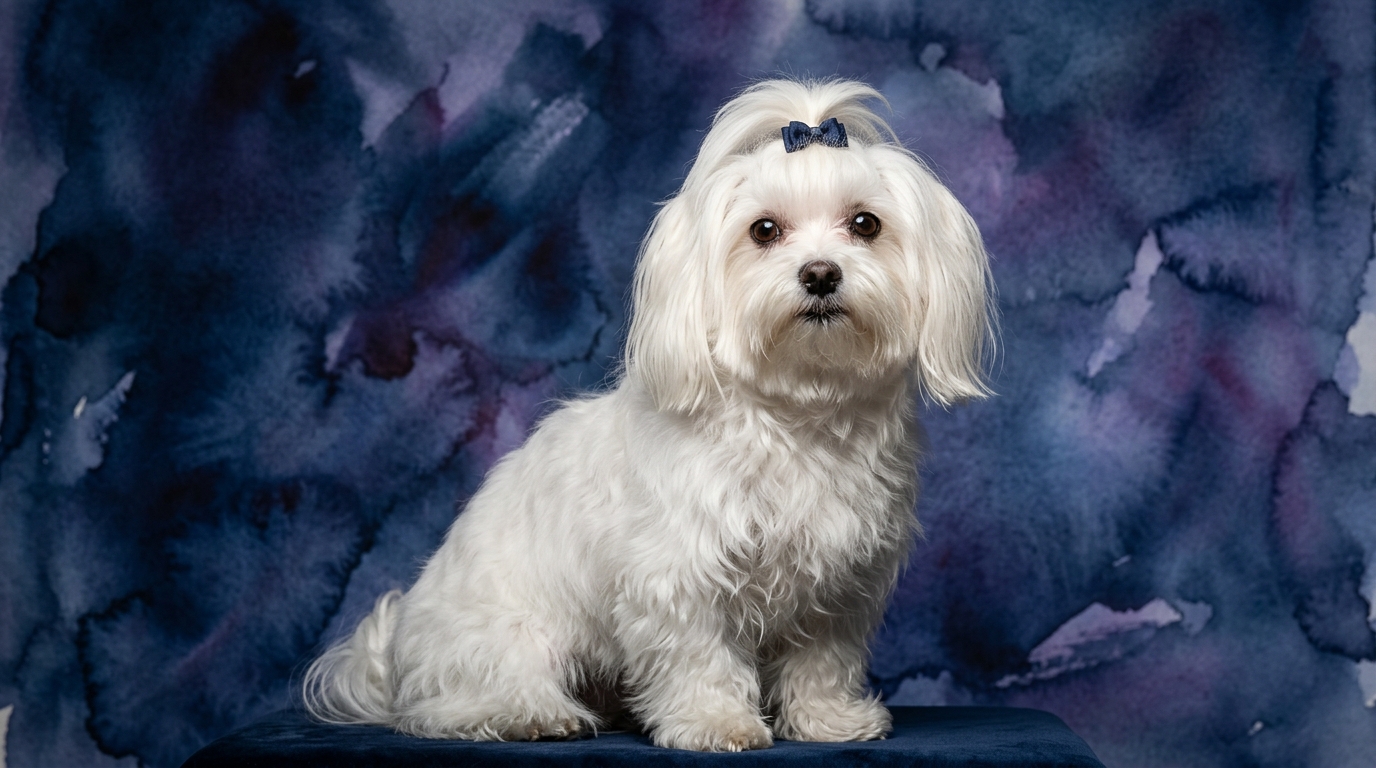
The Maltese presents a contrasting cognitive blueprint, emphasizing social engagement and adaptability within a human household. Their Problem Solving ability is a solid 3/5, capable of navigating their immediate environment and learning routines. Training Speed is 3/5, indicating they are generally receptive learners. In Social Intelligence, the Maltese achieves a perfect 5/5, demonstrating an acute awareness and understanding of human emotions and interactions. Their Instinctive Drive is 2/5, meaning they are less compelled by independent tasks. Finally, their Memory scores 3/5, sufficient for recalling social cues, familiar faces, and established household patterns.
Where the Bloodhound Wins Cognitively
The Bloodhound's cognitive superiority undeniably lies within its olfactory prowess and the complex problem-solving required to master it. With a perfect 5/5 in both Problem Solving and Instinctive Drive, these dogs are unparalleled architects of scent. Their minds are wired to meticulously process, interpret, and follow intricate odor trails, a task that demands incredible focus, discrimination, and sustained effort. A Bloodhound can differentiate between a specific human scent amidst a cacophony of other environmental odors, a feat requiring sophisticated cognitive mapping and filtering that goes far beyond simple instinct. Their 5/5 Memory score further enhances this, allowing them to retain vast libraries of scent profiles and recall the specifics of a trail over extended periods, even when it's faint or broken. This isn't just following a visible path; it's mentally reconstructing a narrative purely from molecules in the air, a cognitive triumph that few other breeds can approach in its complexity and dedication.
Where the Maltese Wins Cognitively
Conversely, the Maltese shines brightest in the realm of social cognition, an area where they achieve a perfect 5/5 in Social Intelligence. Their minds are finely tuned instruments for understanding and navigating human interactions, making them exceptionally attuned companions. They excel at reading subtle cues—a shift in tone, a facial expression, a body posture—and adjusting their behavior accordingly to elicit desired responses, usually affection or attention. This isn't merely being 'friendly'; it's a sophisticated form of emotional literacy, allowing them to forge deep, nuanced bonds with their human companions. Their cognitive efforts are primarily directed towards maintaining social harmony and closeness, making them highly adept at communication within a family unit. While their Problem Solving at 3/5 might not involve complex environmental puzzles, they are masters at solving social dilemmas, such as how to coax an extra cuddle or signal their needs effectively through a repertoire of learned behaviors.
Which Is Easier to Train and Why
When evaluating ease of training, the Maltese (Training Speed 3/5) generally presents a more straightforward experience than the Bloodhound (Training Speed 1/5). The Maltese's higher social intelligence and lower instinctive drive mean they are more inclined to focus on their handler and seek interaction, making them highly receptive to positive reinforcement methods. They learn commands at an average pace, often motivated by the desire to please and receive attention as a primary reward. Their cognitive processing is less distracted by environmental stimuli, allowing them to concentrate on the task at hand and form associations quickly. In contrast, the Bloodhound's overwhelming instinctive drive for scent work and lower social intelligence mean their attention is often elsewhere, specifically fixed on the ground. Their problem-solving prowess is channeled into tracking, not into quickly executing obedience commands. Training a Bloodhound requires immense patience, creativity, and the understanding that their nose will always be their primary guide. While they are capable of learning, their independent nature and single-minded focus on scent make the process slower and more challenging, demanding consistent, high-value rewards to break through their olfactory concentration and redirect their formidable mental energy.
Which Suits Active Owners vs. Relaxed Owners
The choice between a Bloodhound and a Maltese hinges significantly on an owner's lifestyle and what they seek in a canine companion. A Bloodhound is unequivocally suited for active owners, particularly those who embrace outdoor adventures and can provide an outlet for their profound instinctive drive (5/5). These dogs thrive when given a 'job' involving their nose, such as dedicated scent work, tracking sports, or long, exploratory walks where they can follow intriguing odors for hours. Their mental stimulation comes from deciphering the world through scent, and without this engagement, they can become restless or exhibit undesirable behaviors. They require consistent physical exercise to burn off energy and challenging mental tasks to satisfy their problem-solving minds. Conversely, the Maltese is an ideal match for more relaxed owners. Their moderate instinctive drive (2/5) and high social intelligence (5/5) mean their primary need is companionship and close interaction within the home environment. They are content with shorter walks, indoor play, and cuddling, thriving on being part of daily family life and receiving ample affection. Their cognitive needs are met through social engagement and predictable routines, making them excellent companions for those who prefer a more tranquil, lap-oriented lifestyle that prioritizes closeness.
The Verdict
Choose a Bloodhound if you are an active, patient owner passionate about engaging with a dog's extraordinary scenting abilities and are prepared for a challenging but rewarding training journey focused on their natural drives.
Opt for a Maltese if you desire a highly social, adaptable companion who thrives on close human interaction, is receptive to training, and fits seamlessly into a more relaxed home environment.
🧠 Find Your Pet's IQ Score
Our Pet IQ Lab assessment covers 25+ tests across 5 cognitive dimensions — personalized to your breed.
Take the Full IQ Test →Frequently Asked Questions
Are Bloodhounds difficult to live with due to their strong instincts?
Bloodhounds require significant commitment due to their powerful scent drive; they need secure environments to prevent wandering and consistent mental stimulation through scent work to channel their instincts constructively. Without proper outlets, their focus on scent can lead to independent exploration, making them prone to getting lost if not properly managed.
How much exercise does a Maltese need to stay cognitively stimulated?
Maltese dogs thrive on social interaction and moderate physical activity. Daily short walks, indoor play, and engaging in interactive games that involve their human companions are usually sufficient to keep their social and cognitive needs met. Their stimulation comes more from companionship than intense physical exertion.
Can a Bloodhound be a good family pet despite its low social intelligence score?
Yes, Bloodhounds can be gentle and affectionate family pets, especially with children, despite their lower social intelligence score. Their '2/5' primarily reflects their independent, scent-driven focus rather than a lack of affection; they simply prioritize their nose over nuanced human social cues, but are generally good-natured.