Side-by-Side Cognitive Profile: The Cosmic Pet IQ Lab Assessment
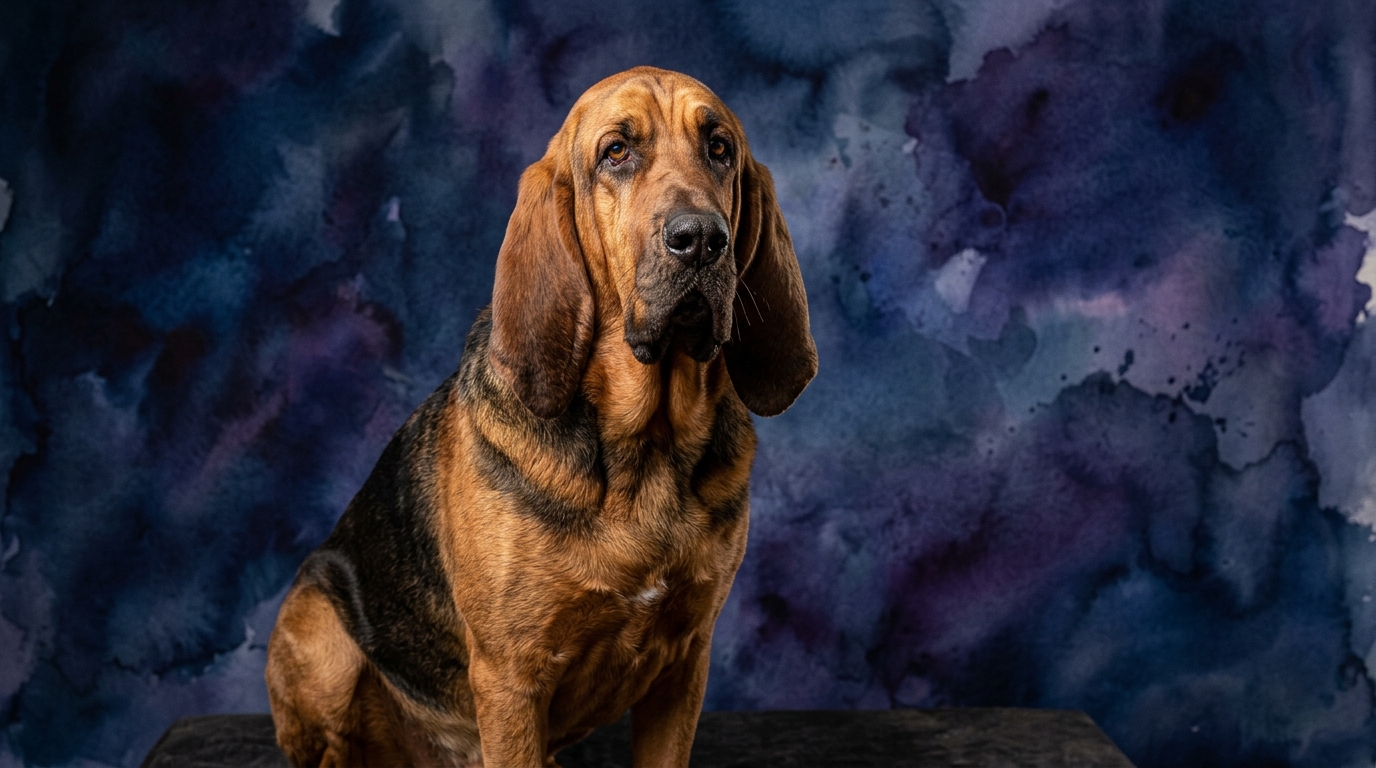
Our Cosmic Pet IQ Lab framework evaluates canine cognitive abilities across five key dimensions, offering a nuanced look beyond generalized notions of smarts. For the Bloodhound, a breed Coren-ranked at #74, we observe a highly specialized set of aptitudes. Its Problem Solving is rated 5/5, reflecting an unparalleled ability to interpret and follow complex scent trails, a task requiring immense focus and sensory discrimination. However, its Training Speed is a low 1/5, indicating a strong independent streak and a brain often preoccupied with environmental scents rather than human directives. Social Intelligence scores 2/5, as their profound dedication to scent work can make them less attuned to subtle human social cues. Instinctive Drive is a maximum 5/5, an overwhelming impulse to track that overrides nearly all other stimuli, while Memory also shines at 5/5, specifically for recalling intricate scent patterns and past tracking experiences.
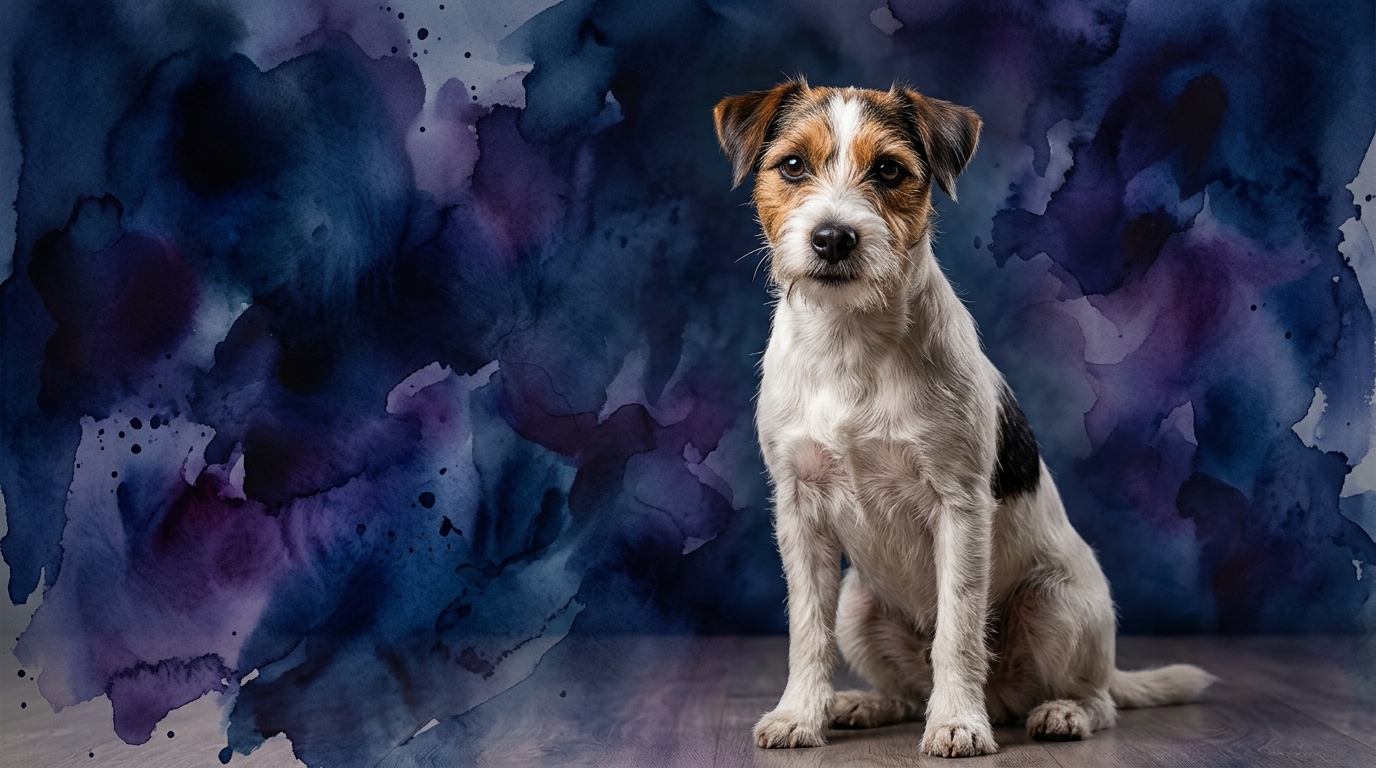
In contrast, the Parson Russell Terrier, while not Coren-ranked, presents a more balanced and generalized cognitive profile. Its Problem Solving is rated 3/5, demonstrating a competent ability to navigate new situations and figure out environmental challenges, though without the Bloodhound's singular, specialized focus. Training Speed is a moderate 3/5, suggesting a reasonable capacity for learning commands and routines, though they possess a spirited independence. Social Intelligence also scores 3/5, indicating a good understanding of human dynamics and a desire to interact with their family. Instinctive Drive is 3/5, reflecting a strong prey drive and desire to work, yet it's more manageable than the Bloodhound's all-consuming scent obsession. Finally, Memory is 3/5, providing a solid capacity for retaining learned behaviors and familiar routines.
Where the Bloodhound's Cognition Truly Excels
The Bloodhound's cognitive strengths are profoundly tied to its olfactory world. Its 5/5 Problem Solving isn't about opening a latched gate; it's about dissecting a tapestry of odors, discriminating a single target scent from countless others, and navigating varied terrains to follow an invisible path. This requires an intricate cognitive process of data collection, analysis, and spatial reasoning based entirely on scent. Their brain is a highly specialized biological computer for olfaction, capable of filtering noise and identifying patterns that are imperceptible to almost any other creature.
Furthermore, the Bloodhound's 5/5 Instinctive Drive is not merely a strong urge, but a cognitive framework that prioritizes and sustains focus on scent. This drive empowers their relentless pursuit, allowing them to remain on a trail for extended periods, ignoring discomfort or distractions that would deter other breeds. This sustained cognitive effort, fueled by an internal reward system linked to scent, is a remarkable feat of mental endurance. Complementing this is their 5/5 Memory, which is particularly robust for scent profiles and tracking experiences. A Bloodhound can recall a specific scent from days ago, or remember the characteristics of a particular trail, allowing them to re-engage with a lost scent or learn from past tracking successes and failures. This specialized memory is a cornerstone of their formidable tracking abilities.
The Parson Russell Terrier's Cognitive Advantages
While not possessing the Bloodhound's singular olfactory genius, the Parson Russell Terrier's cognitive profile offers distinct advantages, particularly in adaptability and generalized interaction. Its 3/5 Training Speed, while not lightning-fast, is significantly higher than the Bloodhound's, meaning a Parson Russell is generally more receptive to traditional command-based learning. They are quicker to form associations between cues and actions, and more inclined to engage with human-initiated training exercises, making them more amenable to a wider range of learned behaviors.
The Parson Russell Terrier's 3/5 Social Intelligence also stands out in this comparison. They are typically more attuned to human social cues, better at interpreting owner moods, and more likely to seek out and engage in social interaction within a family unit. This cognitive capacity for social bonding allows them to integrate more seamlessly into domestic life, understanding household routines and responding to the nuances of human communication. Their balanced scores across Problem Solving, Instinctive Drive, and Memory (all 3/5) indicate a versatile cognitive toolkit, enabling them to adapt to diverse environments and learn a broader spectrum of tasks not directly tied to a single, overriding instinct. They can figure out how to access a toy, navigate a new park, or remember a complex agility course with a more generalized application of their mental faculties.
Training Dynamics: Bloodhound vs. Parson Russell Terrier
When it comes to ease of training, the Parson Russell Terrier generally presents a more straightforward experience for most owners. Their Training Speed of 3/5 means they absorb new commands at a moderate pace, and their Social Intelligence of 3/5 ensures they are reasonably attentive to their human trainer. While they possess a spirited independent streak and a 3/5 Instinctive Drive (often for chasing small animals), these drives are typically more manageable and can be channeled through positive reinforcement and consistent methods. A Parson Russell is motivated by interaction, praise, and treats, and will often work *with* their owner to learn, making them suitable for various dog sports like agility or obedience.
The Bloodhound, however, offers a considerably more challenging training journey, reflected in its 1/5 Training Speed. Their overwhelming 5/5 Instinctive Drive means their brain is constantly processing scent, making it incredibly difficult to capture and hold their attention for conventional obedience. A Bloodhound's focus is almost entirely on the ground, and a fascinating scent will almost always override a "sit" or "stay" command, regardless of how well it's been taught. Their lower 2/5 Social Intelligence also means they are less motivated by the desire to please or by direct human social approval compared to many other breeds. Training a Bloodhound requires immense patience, understanding of their unique motivations, and often specialized methods that integrate their scent drive, rather than trying to suppress it. For example, teaching recall might involve a game of 'find the person' rather than a standard 'come' command.
Matching Canine Cognition to Owner Lifestyles
Understanding the distinct cognitive profiles of these breeds is crucial for matching them to suitable owner lifestyles. For owners seeking a dog for highly active, varied engagement and a strong partnership in diverse activities, the Parson Russell Terrier is an excellent fit. Their balanced cognitive scores mean they thrive on consistent physical exercise, mental challenges like puzzle toys or agility courses, and interactive play. They need owners who appreciate their energetic, tenacious nature and can provide outlets for their moderate instinctive drive through structured activities and adventurous outings. They are not content to be idle and require regular, engaging stimulation to prevent boredom and potential mischievousness.
The Bloodhound, while not necessarily requiring the same type of high-intensity physical activity as a Parson Russell, demands a different kind of active owner — one deeply committed to facilitating their profound scent drive. A Bloodhound needs owners who are prepared to engage in regular scent work, tracking, or long, exploratory walks where they are allowed to follow their nose. This isn't just about physical activity; it's about providing the essential mental stimulation that their specialized cognitive abilities crave. A 'relaxed' owner who cannot or will not provide consistent outlets for their 5/5 Instinctive Drive will find a Bloodhound to be a frustrated, and potentially destructive, companion. While gentle, their single-minded pursuit of scent means they are not ideal for a truly sedentary lifestyle or for owners who expect constant social engagement.
The Verdict
Choose the Bloodhound if you are passionate about scent work, tracking, or search and rescue, and are prepared to dedicate significant time to channeling their unique, powerful olfactory intellect. This breed thrives with an owner who understands and facilitates its profound, specialized drive.
Opt for the Parson Russell Terrier if you're an energetic owner seeking a versatile, spirited companion for a range of activities, appreciating a dog with balanced cognitive abilities and a zest for life. They thrive with consistent engagement and varied mental and physical challenges.
🧠 Find Your Pet's IQ Score
Our Pet IQ Lab assessment covers 25+ tests across 5 cognitive dimensions — personalized to your breed.
Take the Full IQ Test →Frequently Asked Questions
Can a Bloodhound be a good family pet despite its lower social intelligence?
Yes, Bloodhounds are generally gentle and tolerant with family members, but their primary cognitive focus is not on social interaction. They might be physically present but mentally engaged in processing scents around them, requiring families to understand and respect this independent nature.
Are Parson Russell Terriers suitable for first-time dog owners?
Their high energy and strong-willed nature can be challenging for inexperienced owners. While trainable, they benefit greatly from consistent, firm, and positive training from day one, along with ample mental and physical stimulation to prevent unwanted behaviors.
Does a Bloodhound's high problem-solving score mean it can figure out complex puzzle toys?
Not typically in the way other breeds might. A Bloodhound's 5/5 problem-solving is almost exclusively applied to navigating and interpreting complex scent trails, a highly specialized form of cognitive processing that differs from manipulating objects to obtain a reward.