Side-by-Side IQ Profile: Bloodhound vs. Pekingese
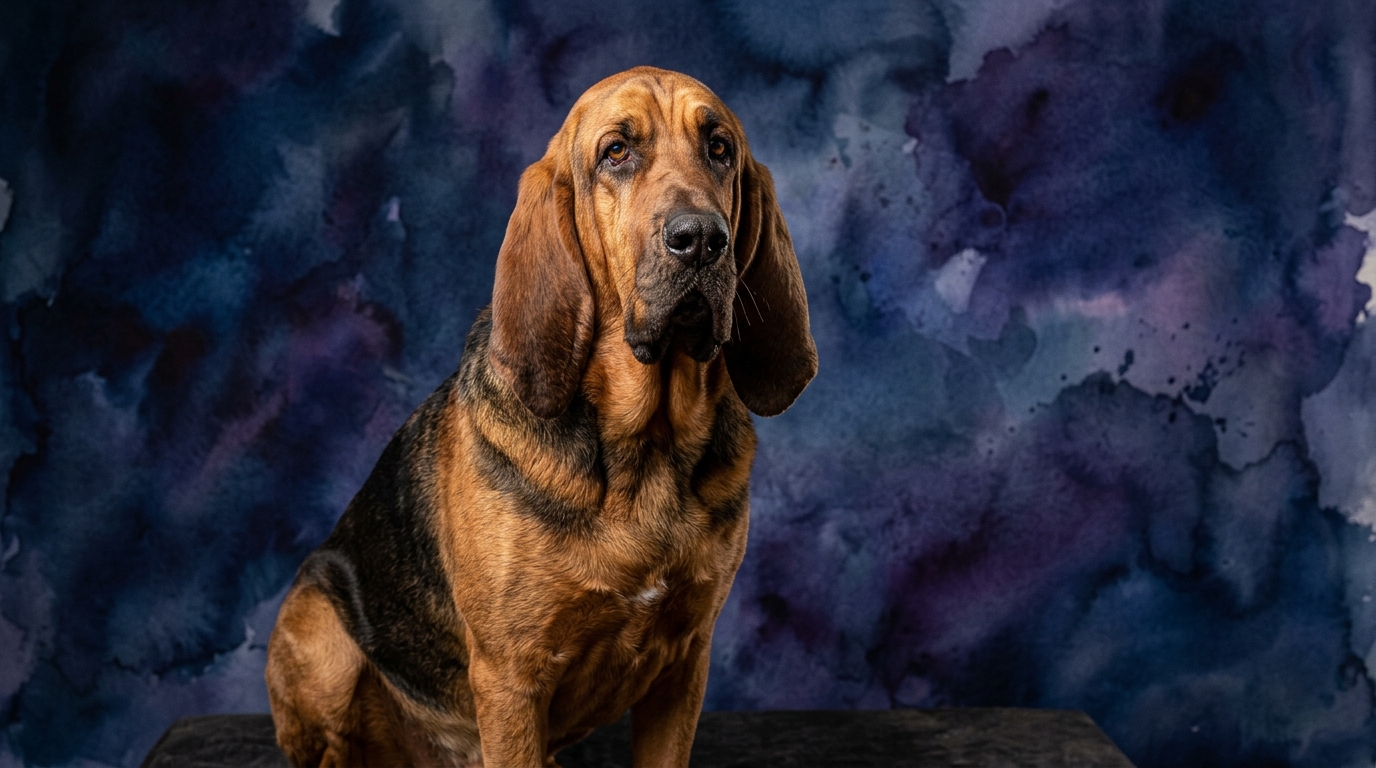
The Cosmic Pet's IQ Lab offers a detailed framework for understanding canine intelligence across five crucial dimensions. For the Bloodhound, Problem Solving scores a formidable 5/5, reflecting their unparalleled ability to unravel complex scent puzzles and navigate intricate environments. Their Training Speed, however, registers a low 1/5, indicating a deep-seated independence driven by instinct over quick compliance. Social Intelligence sits at 2/5; while amiable, their profound focus on scent often overshadows nuanced social cues. Their Instinctive Drive is an absolute 5/5, an unwavering, relentless pursuit of olfactory information. Finally, Memory stands at a perfect 5/5, allowing them to recall specific scent profiles and environmental details with uncanny accuracy over extended periods.
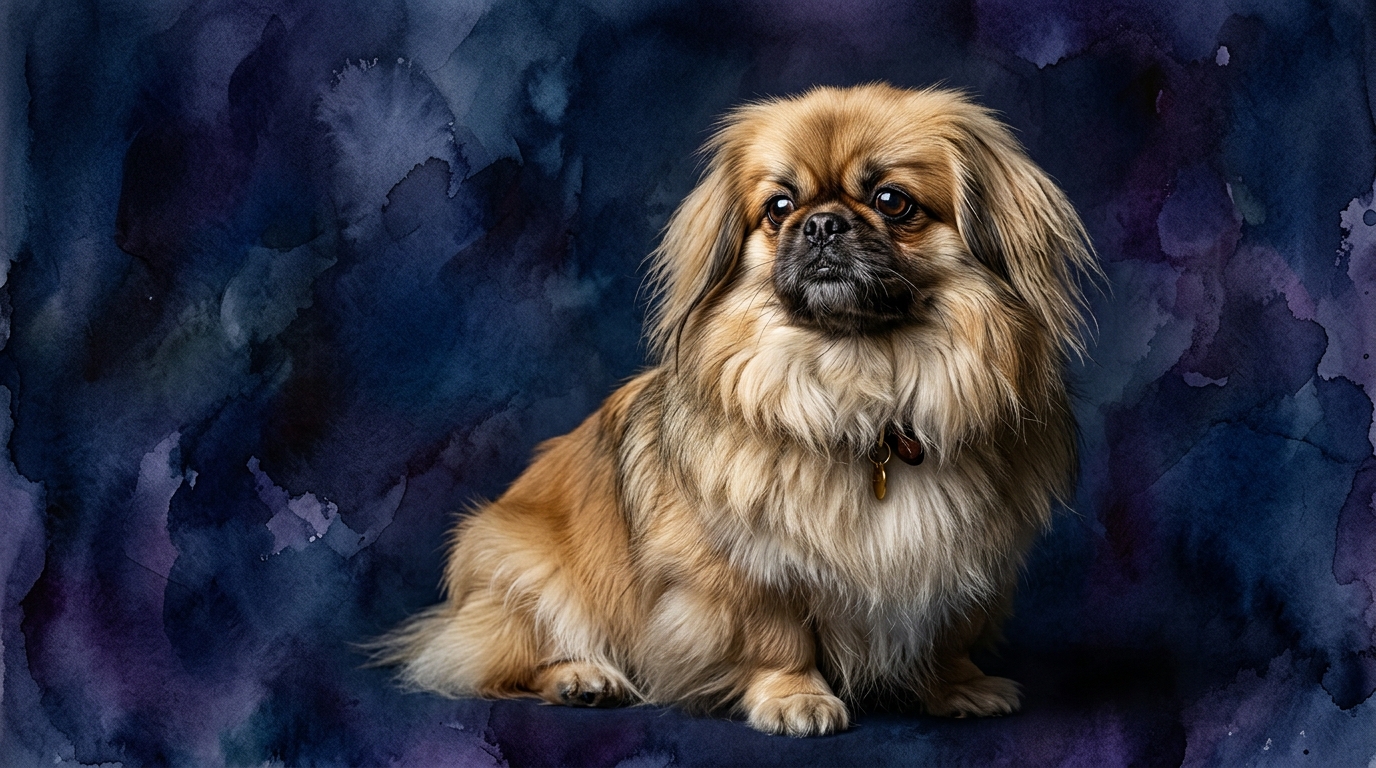
In contrast, the Pekingese presents a more balanced, albeit different, cognitive landscape. Their Problem Solving is rated 3/5, demonstrating an aptitude for figuring out how to gain attention, manipulate situations for comfort, or navigate familiar household challenges. Training Speed is a moderate 3/5; they learn commands with consistent positive reinforcement, though often tempered by an independent streak. Social Intelligence also scores 3/5, indicating a capacity to read human moods and adapt their behavior for companionship, yet they can be selective. Instinctive Drive is a balanced 3/5, encompassing a moderate desire for comfort, companionship, and perhaps guarding their inner circle, without the overwhelming single-minded focus of a working hound. Memory for the Pekingese is also 3/5, allowing them to retain routines, recognize individuals, and recall basic commands, but not the intricate details of a complex, multi-stage task.
Where the Bloodhound Excels Cognitively
The Bloodhound's cognitive strengths are profoundly specialized, revolving around their olfactory prowess. Their 5/5 Problem Solving isn't about retrieving a toy, but about reconstructing a narrative from ephemeral scent molecules, a mental feat demanding exceptional analytical skills. They excel at complex pattern recognition within scent trails, differentiating individual odors, and sustaining focus on an abstract goal over hours. This involves intricate mental map-making, processing environmental changes, and interpreting subtle cues. Their 5/5 Memory is critical, enabling them to retain specific scent signatures and correlate them with past experiences or known targets, allowing for an astonishing capacity to follow old trails. This isn't just sniffing; it's an advanced form of sensory data processing and recall, making them unparalleled in persistent, detail-oriented sensory intelligence.
Where the Pekingese Shows Unique Cognitive Advantages
The Pekingese, while not possessing the Bloodhound's singular tracking genius, demonstrates unique cognitive advantages rooted in their companion role. Their 3/5 Problem Solving often manifests in subtle social engineering, figuring out optimal ways to secure a preferred spot, a treat, or attention. This requires a nuanced understanding of household dynamics and human behavior. Their 3/5 Social Intelligence allows for adaptable interaction within a domestic setting. They are often adept at 'context switching,' moving seamlessly from play to rest, or from a mild disagreement to a peaceful nap. This balanced general cognitive profile, less single-minded than the Bloodhound, makes them highly pliable and suited for the varied demands of a companion animal, where adaptability and social awareness often trump specialized instinct.
Trainability: A Tale of Two Temperaments
Training a Bloodhound presents fundamental challenges due to their disparate IQ profiles. The Bloodhound's 1/5 Training Speed and overwhelming 5/5 Instinctive Drive mean traditional obedience can be an exercise in profound patience. They aren't disobedient out of malice, but because their primal urge to follow a scent overrides almost all other stimuli. Effective training involves harnessing this drive, not suppressing it, often through scent-based games. Their 5/5 Memory is a double-edged sword: they remember every command, every success, and every inconsistency, making a consistent approach absolutely vital. If a Bloodhound learns that ignoring a recall eventually leads to sniffing something interesting, they will remember and repeat that 'successful' strategy.
Conversely, the Pekingese, with a 3/5 Training Speed and 3/5 Instinctive Drive, is generally easier to train for basic obedience in a domestic setting. They respond well to positive reinforcement and clear, consistent commands, especially when food or affection is involved. While they possess an independent streak, their moderate drive means they are more amenable to direct human interaction and less likely to be completely consumed by an external stimulus. Their training success often hinges on making the process engaging and rewarding, focusing on practical commands relevant to a companion's life rather than channeling a deep-seated working instinct. They are more likely to perform a trick for a treat, whereas a Bloodhound performs a task for the inherent reward of the scent.
Ideal Owners: Active Pursuits vs. Relaxed Companionship
The cognitive profiles of these breeds dictate vastly different ideal living situations. A Bloodhound thrives with active owners who are physically capable and mentally prepared to engage with their profound instinctive drive. These dogs require consistent, stimulating outlets for their tracking abilities, whether through dedicated scent work, long exploratory walks, or formal tracking sports. Owners must be patient, understanding that their Bloodhound's mind is often consumed by the world of scent, and channel this focus productively. They are suited for individuals or families who embrace outdoor adventures and can provide structured mental challenges that fulfill the breed's intrinsic purpose.
The Pekingese, on the other hand, is ideally suited for relaxed owners who appreciate a calm, affectionate, and relatively low-maintenance companion. Their moderate drives and adaptability mean they are content with indoor activities, short, leisurely strolls, and ample cuddle time. Mental stimulation for a Pekingese often comes from social interaction, observing household goings-on, and engaging in comfortable routines. They thrive in environments where they are cherished members of the family, enjoying quiet companionship rather than strenuous physical or mental tasks. This breed is perfect for those seeking a devoted, somewhat independent, and charming presence in their home, without the intense demands of a working hound.
The Verdict
Choose a Bloodhound if you are prepared to channel a relentless drive for scent work and tracking, valuing profound specialization over broad obedience.
Opt for a Pekingese if you seek a balanced, adaptable companion who thrives on social interaction and comfortable routines, offering affectionate, independent companionship.
🧠 Find Your Pet's IQ Score
Our Pet IQ Lab assessment covers 25+ tests across 5 cognitive dimensions — personalized to your breed.
Take the Full IQ Test →Frequently Asked Questions
Can a Bloodhound be a good family pet despite its low social intelligence score?
Yes, Bloodhounds are generally gentle and affectionate with their families, but their low social intelligence score (2/5) primarily reflects their singular focus on scent work, which can make them seem aloof or less responsive to human cues when on a trail. They form strong bonds but require consistent, clear guidance within the family unit.
Is a Pekingese prone to destructive behaviors if not mentally stimulated?
While Pekingese have a moderate instinctive drive (3/5) and are not as demanding as some breeds, insufficient mental stimulation can lead to behaviors like excessive barking or mild mischief. Their stimulation often comes from social interaction, comfortable routines, and engaging with their immediate environment, rather than complex tasks.
How does the Bloodhound's 5/5 memory impact its training?
A Bloodhound's exceptional memory means they vividly recall both positive and negative training experiences, including inconsistencies. This necessitates absolute consistency in commands and expectations, as they will remember shortcuts or learned behaviors, making it crucial for owners to be clear and unwavering in their training approach.