Side-by-Side Cognitive Profiles
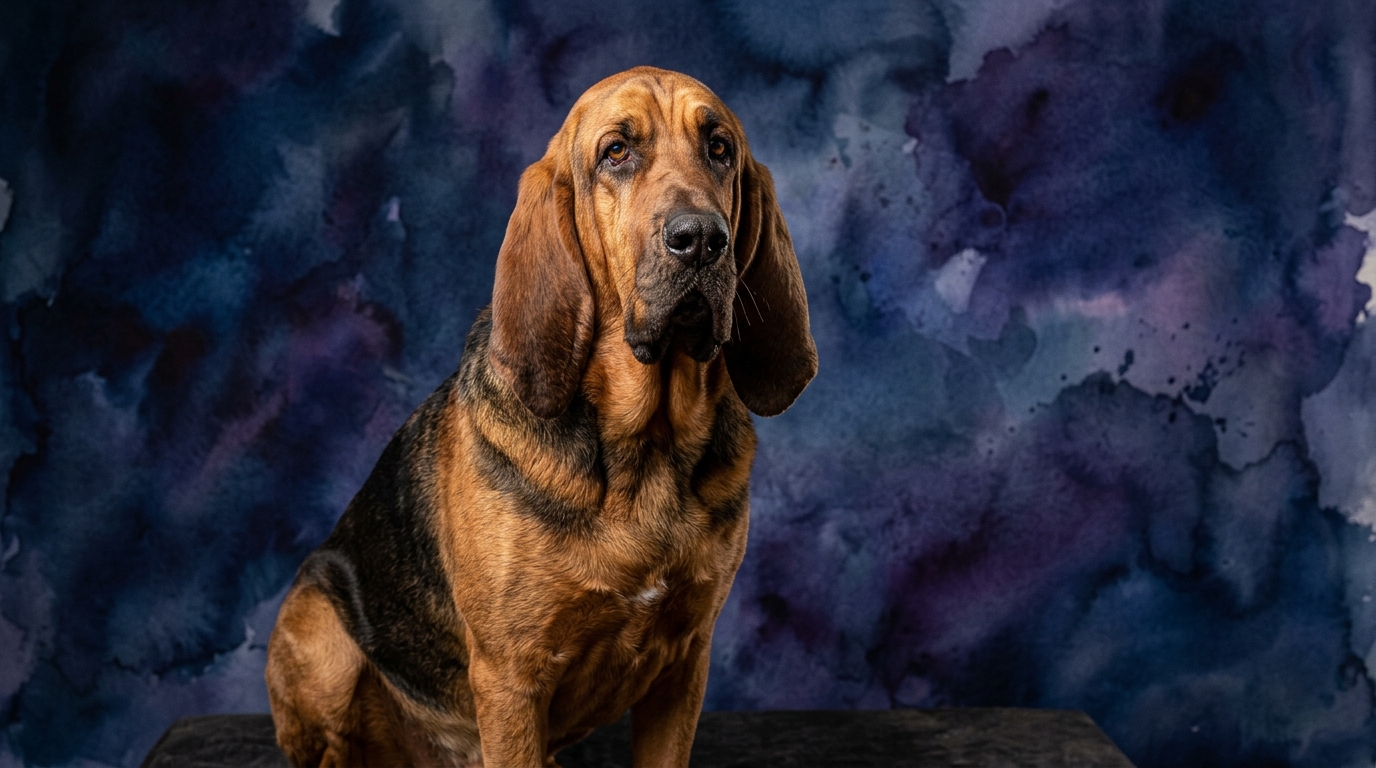
The Cosmic Pet Pet IQ Lab employs a five-dimensional framework to assess canine intelligence, offering a nuanced view beyond simplistic 'smartness.' For the Bloodhound, an ancient Hound breed, its profile is distinctly specialized: Problem Solving 5/5, Training Speed 1/5, Social Intelligence 2/5, Instinctive Drive 5/5, and Memory 5/5. This paints a picture of a dog with profound, almost singular, cognitive strengths.
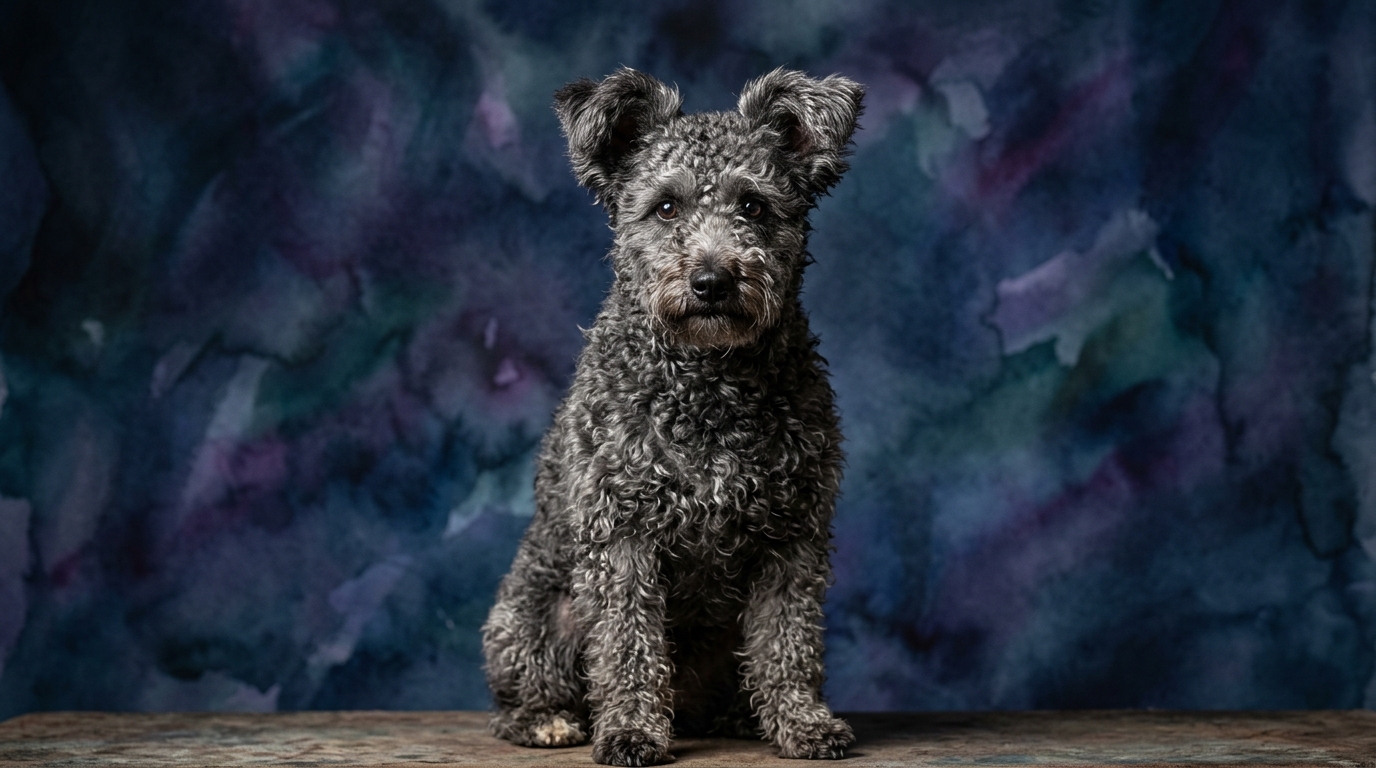
In contrast, the Pumi, a dynamic Herding breed from Hungary, presents a more balanced, all-around cognitive toolkit. Its scores reflect a generalist approach to intelligence: Problem Solving 3/5, Training Speed 3/5, Social Intelligence 3/5, Instinctive Drive 3/5, and Memory 3/5. This average across the board indicates a dog that is competent and adaptable, without the extreme peaks and valleys seen in the Bloodhound.
These profiles immediately highlight a fundamental difference: the Bloodhound excels in specific, deep-seated cognitive areas, while the Pumi demonstrates a more versatile and evenly distributed set of mental aptitudes. Understanding these scores is crucial for appreciating how each breed interacts with its environment and human companions.
Where the Bloodhound Excels Cognitively
The Bloodhound's cognitive strengths are undeniably rooted in its olfactory prowess. Its Problem Solving score of 5/5 is almost entirely dedicated to scent-related challenges. These dogs are masters at following complex, often aged, scent trails over vast distances and varied terrains, demonstrating an unparalleled ability to analyze and interpret olfactory data to locate a target. Their mental focus on this task is legendary, allowing them to filter out distractions that would overwhelm other breeds.
Complementing this is an Instinctive Drive of 5/5, which fuels their relentless pursuit. This isn't just a physical drive; it's a cognitive imperative to track. Once a Bloodhound is on a scent, its mental energy is singularly channeled into that pursuit, making it incredibly difficult to divert. This drive is a core component of their problem-solving success, ensuring they persist where others would give up.
Furthermore, their Memory score of 5/5 is exceptional, particularly for scent information. A Bloodhound can recall specific scent profiles and even remember the general direction or location of a previous scent source, aiding in complex tracking scenarios. This long-term olfactory memory contributes significantly to their effectiveness in trailing work, allowing them to build a mental database of scents and patterns over time.
Where the Pumi Excels Cognitively
The Pumi's cognitive strengths lie in its balanced adaptability and more generalized intelligence. With a Problem Solving score of 3/5, the Pumi is capable of learning and executing a variety of tasks, adapting to different situations within its environment. Unlike the Bloodhound's specialized problem-solving, the Pumi can apply its intellect to a broader range of challenges, from navigating agility courses to understanding household routines. It's a pragmatic problem-solver, not a singular specialist.
Its Social Intelligence, also at 3/5, indicates a dog that is responsive to human cues and capable of forming strong, cooperative bonds. This is crucial for a herding dog that needs to work in tandem with a handler, interpreting subtle commands and adjusting its behavior accordingly. This moderate social intelligence facilitates a more interactive and reciprocal relationship with its owners compared to the Bloodhound's often self-directed focus.
The Pumi's Memory score of 3/5, while not as profound as the Bloodhound's specialized olfactory memory, allows it to retain a wide array of learned commands, routines, and experiences. This general-purpose memory supports its versatility, enabling it to recall various skills needed for herding, dog sports, or simply being a well-adjusted family companion. It remembers what's expected of it and can apply past learning to new, similar contexts.
Training: Bloodhound vs. Pumi
When it comes to ease of training, the Pumi clearly outpaces the Bloodhound. The Pumi's Training Speed of 3/5 means it is generally cooperative and responsive to instruction, learning new commands and behaviors with consistent positive reinforcement. Its moderate Social Intelligence means it values interaction and praise from its owner, which serves as a powerful motivator. This breed is eager to engage in training sessions, viewing them as a collaborative activity.
The Bloodhound's Training Speed of 1/5, however, presents a significant challenge. This isn't due to a lack of overall mental capacity, but rather a profound difference in priorities. Its overwhelming Instinctive Drive of 5/5 means that when a compelling scent is present, the Bloodhound's cognitive focus narrows entirely on that scent, often rendering human commands irrelevant. Its lower Social Intelligence (2/5) means it is less intrinsically motivated by human approval or interaction compared to the allure of a trail.
Therefore, training a Bloodhound requires immense patience, understanding of its innate drives, and a willingness to work *with* its scent-driven nature rather than against it. While they can learn commands, their responsiveness is highly contingent on environmental distractions and their own olfactory interests. A Pumi, on the other hand, is generally more biddable, making it a more straightforward choice for owners seeking a dog that will readily comply with a wide range of commands and participate in various structured activities.
Active vs. Relaxed Owners: A Lifestyle Match
For active owners seeking a versatile and engaging canine partner, the Pumi is often the better fit. Its balanced IQ profile, combined with its inherent energy and desire for interaction, makes it suitable for a wide array of activities such beyond herding, including agility, flyball, obedience, and even dock diving. A Pumi thrives with an owner who can provide consistent mental stimulation and physical exercise, appreciating its quick learning and cooperative spirit in shared adventures.
The Bloodhound, while requiring significant physical activity, demands a very specific kind of engagement that suits a highly dedicated, perhaps less 'relaxed' but certainly more focused owner. Its 5/5 Instinctive Drive for scent work means it needs regular opportunities to utilize its nose, ideally through structured tracking or trailing. An owner for a Bloodhound must be committed to providing this specialized outlet, understanding that casual walks won't satisfy its profound need to follow a trail. This isn't a dog for someone seeking a general exercise companion, but rather a partner in intense, scent-based endeavors.
Therefore, an owner who enjoys varied dog sports and an interactive companion might lean towards a Pumi, while an owner with a passion for scent work, search and rescue, or simply a deep appreciation for the singular focus of a tracking dog, would find the Bloodhound a profoundly rewarding, albeit challenging, companion.
The Verdict: When to Choose Each
The Verdict
Choose the Bloodhound if you are a dedicated individual passionate about scent work, prepared to channel its unparalleled tracking abilities and profound instinctive drive into a specific working relationship.
Opt for the Pumi if you seek a versatile, biddable, and socially engaged companion capable of excelling in various dog sports and thriving in an active family environment.
🧠 Find Your Pet's IQ Score
Our Pet IQ Lab assessment covers 25+ tests across 5 cognitive dimensions — personalized to your breed.
Take the Full IQ Test →Frequently Asked Questions
Which breed is better for a first-time dog owner?
The Pumi, with its balanced IQ profile, moderate training speed, and social intelligence, is generally a more suitable choice for a first-time dog owner. Its cooperative nature makes the learning process more manageable than with the highly specialized and independently-minded Bloodhound.
Can a Bloodhound be a good family pet despite its strong drives?
Yes, a Bloodhound can be a loyal family pet, but only if its profound need for scent work is consistently met. Without proper outlets for its instinctive drive, it can become restless or destructive; families must be prepared for its independent nature and lower social motivation for general interaction.
What kind of mental stimulation does a Pumi need to thrive?
A Pumi thrives on varied mental stimulation, including obedience training, agility, puzzle toys, and interactive games that challenge its problem-solving and memory skills. Its moderate social intelligence also means it benefits greatly from consistent interaction and engagement with its human family.