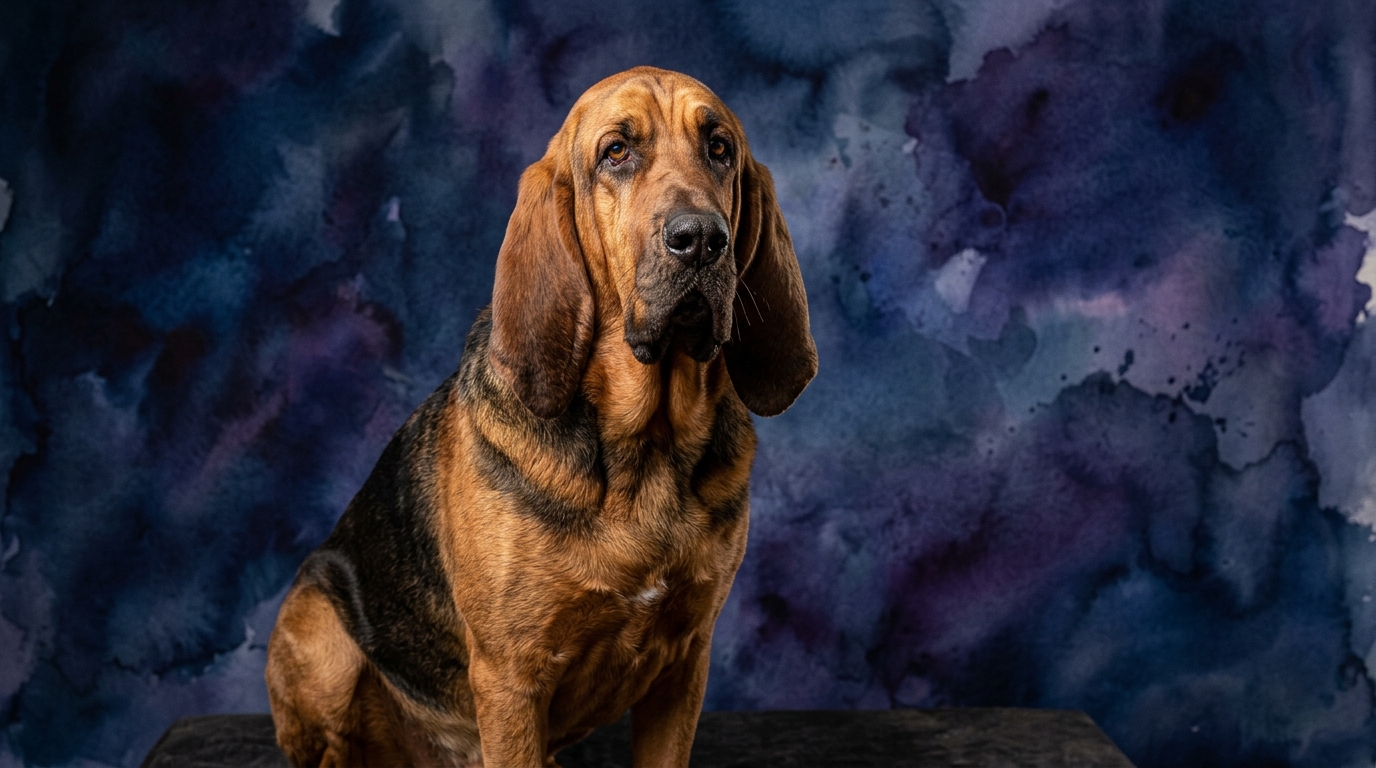
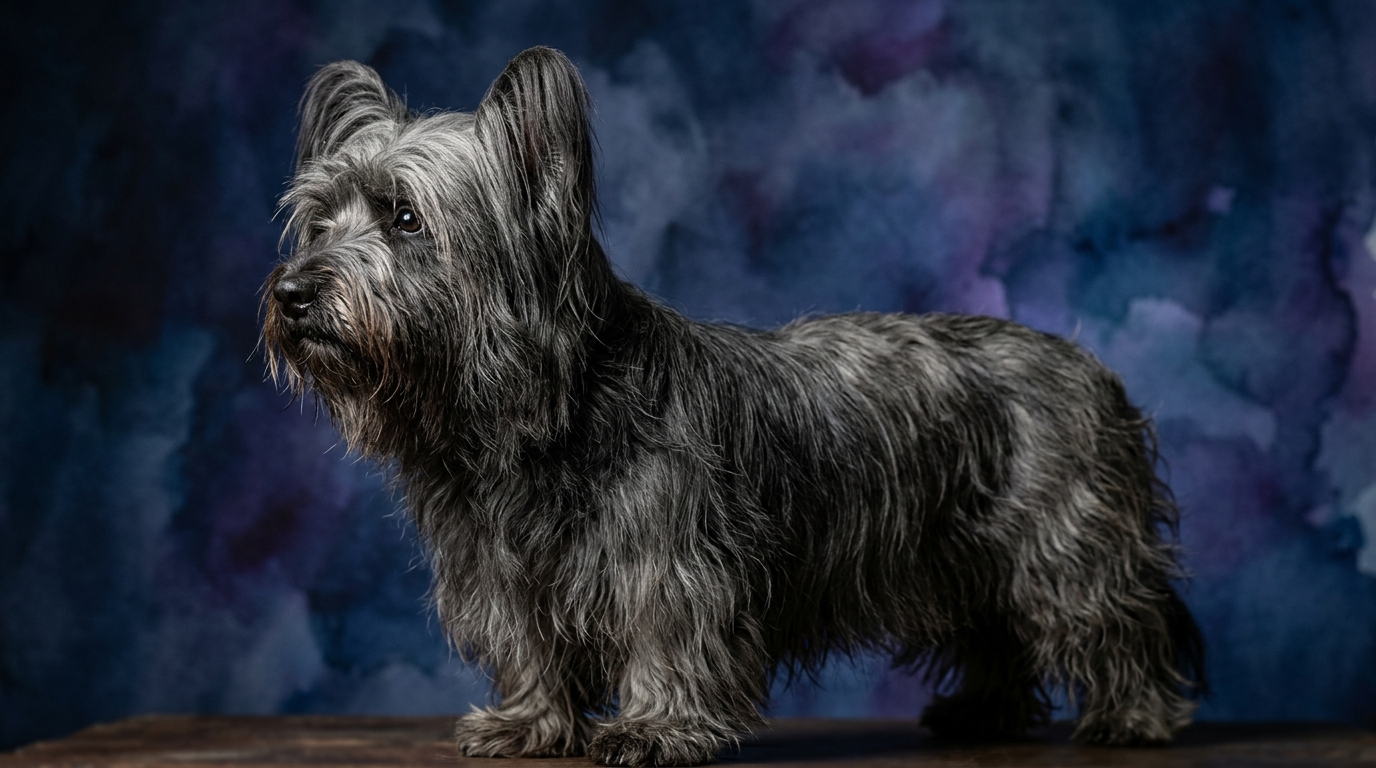
Side-by-Side IQ Profile: Bloodhound vs. Skye Terrier
The Cosmic Pet Pet IQ Lab offers a fascinating framework for understanding canine cognition, breaking down intelligence into five key dimensions. For the Bloodhound, a breed deeply specialized for olfactory work, these scores paint a picture of unparalleled sensory focus and endurance. Their Problem Solving is rated 5/5, reflecting their extraordinary ability to untangle complex, multi-layered scent trails over vast distances and varied terrain, requiring immense cognitive mapping and deduction. Training Speed, however, stands at 1/5; their focus is almost entirely on the scent world, making them notoriously challenging to redirect or motivate with traditional cues once a trail is engaged, often prioritizing their nose over human commands. Their Social Intelligence is 2/5; while affectionate with their families, their primary mode of interaction with the world is through scent, meaning they may seem less attuned to subtle human social cues compared to breeds bred for close partnership, often appearing aloof when a compelling scent is present. Instinctive Drive is a perfect 5/5, an almost unparalleled, deep-seated compulsion to follow a scent to its conclusion, making them relentless and single-minded in this pursuit. Lastly, their Memory is 5/5, an exceptional olfactory recall allowing them to retain and differentiate between countless scent profiles, and to recall specific trails even after long periods, crucial for their working capability.
In contrast, the Skye Terrier presents a more balanced, albeit distinct, cognitive profile reflecting its terrier heritage of independent hunting and companionship. Their Problem Solving is 3/5, demonstrating a tenacious, independent approach to overcoming obstacles, particularly those related to hunting vermin, such as navigating tight spaces or persistently digging to reach a target; their solutions are often born of sheer determination. Training Speed is also 3/5; possessing a balanced learning curve, Skye Terriers can grasp commands with consistent, patient training, though their inherent terrier independence means they aren't always quick to comply, but they are receptive to clear guidance. Social Intelligence is rated 3/5; loyal and devoted to their immediate family, they are generally reserved with strangers, developing a strong bond and interpreting their family's moods, though they maintain a dignified aloofness. Their Instinctive Drive is 3/5; their terrier heritage imbues them with a moderate prey drive, manifesting in a desire to chase small animals and an inclination to dig, a drive that is present but generally more manageable than a Bloodhound's intense focus. Finally, their Memory is 3/5, indicating a competent recall for routines, commands, and familiar faces, allowing for stable home life and reliable behavior within established boundaries.
Where the Bloodhound Wins Cognitively
The Bloodhound's cognitive strengths are undeniably rooted in its olfactory prowess, a specialization that makes it a true marvel of the canine world. Their 5/5 Problem Solving isn't about solving abstract puzzles, but about meticulously deconstructing a complex aromatic environment. They excel at filtering out countless irrelevant smells to pinpoint a specific target odor, a cognitive feat requiring immense focus, discrimination, and sustained mental effort over long periods. This highly specialized form of problem-solving is unparalleled, allowing them to navigate intricate scent landscapes that would overwhelm other breeds.
Furthermore, the Bloodhound's perfect 5/5 score in Memory is almost entirely dedicated to its olfactory recall. They can store and access a vast library of scent profiles, associating them with specific individuals or events, and can follow trails hours or even days old. This isn't just about remembering a command; it's about remembering a specific molecular signature and its spatial-temporal path. This long-term, detailed scent memory, coupled with their relentless Instinctive Drive, positions them as the ultimate specialists in tracking and trailing, a cognitive domain where they truly stand alone.
Where the Skye Terrier Wins Cognitively
The Skye Terrier's cognitive advantages lie in its balanced, adaptable intelligence, particularly its blend of independent problem-solving and social awareness. While not specializing in a single sensory domain like the Bloodhound, their 3/5 Problem Solving reflects a persistent, self-reliant approach to overcoming challenges. This manifests in their ability to devise solutions for accessing small spaces or outsmarting vermin, relying on determination and a practical understanding of their immediate environment rather than relying on external cues. Their problem-solving is about navigating the world with a terrier's plucky resolve.
Crucially, the Skye Terrier's 3/5 Social Intelligence offers a different kind of cognitive strength. While reserved, they forge deep, perceptive bonds with their families, demonstrating an ability to read subtle social cues from their preferred humans and adapt their behavior accordingly. This balanced social understanding allows for a more reciprocal relationship than one might find with a Bloodhound, whose attention is often elsewhere. Their moderate scores across the board indicate a versatile mind capable of functioning effectively in a variety of domestic and low-intensity working scenarios, making them more generally adaptable to diverse living situations.
Which is Easier to Train and Why
When it comes to trainability, the Skye Terrier (Training Speed 3/5) generally presents a more straightforward, though not always easy, experience compared to the Bloodhound (Training Speed 1/5). Skye Terriers, while possessing the characteristic terrier independence and occasional stubborn streak, are typically more responsive to consistent, positive reinforcement methods. Their 3/5 Social Intelligence means they are more attuned to human feedback and approval, making them more inclined to engage in training sessions that build a partnership. They learn at a moderate pace, requiring patience and clear communication, but they do learn and retain commands effectively within a structured routine.
The Bloodhound's 1/5 Training Speed is a direct consequence of their overwhelming Instinctive Drive (5/5) and specialized Problem Solving (5/5). Once a Bloodhound catches a scent, their world narrows to that singular focus; human commands often become secondary or even imperceptible. Their dedication to tracking overrides almost all other stimuli, making traditional obedience training incredibly challenging. It's not a lack of capacity to learn, but rather an extreme prioritization of their olfactory mission. Training a Bloodhound requires understanding this innate drive and channeling it, rather than trying to suppress it, often involving specialized tracking training rather than conventional obedience.
Which Suits Active Owners vs. Relaxed Owners
For owners seeking a highly active, purpose-driven canine companion, the Bloodhound is the clear choice, but with a significant caveat: their activity must be mentally stimulating and often involves scent work. These dogs require extensive opportunities to use their nose, whether through formal tracking, scent games, or long, meandering walks where they can follow interesting odors. A Bloodhound with insufficient mental and physical outlets for their 5/5 Instinctive Drive can become restless and destructive. They thrive with owners dedicated to channeling their profound tracking abilities, making them unsuitable for truly relaxed or sedentary lifestyles where their cognitive and physical needs are not met.
The Skye Terrier, with its balanced scores, is better suited for owners who appreciate a moderate level of activity coupled with a strong desire for companionship. While they enjoy regular walks and playtime, their needs are not as intensely specialized as the Bloodhound's. They are content with a consistent routine that includes daily exercise, but also value quiet time with their family. Their 3/5 Instinctive Drive requires management to prevent excessive digging or chasing, but it doesn't demand the relentless, single-minded pursuit of a Bloodhound. They are an excellent fit for owners who are active enough for daily engagement but also seek a devoted, somewhat reserved housemate.
The Verdict: When to Choose Each Breed
The Verdict
Choose the Bloodhound if you are a dedicated enthusiast of canine scent work, prepared to provide extensive, specialized training and daily opportunities for complex tracking, and appreciate a dog whose primary connection to the world is through its nose. This breed thrives with owners committed to harnessing its unparalleled olfactory intelligence for specific working or hobby pursuits.
Opt for the Skye Terrier if you desire a loyal, moderately active companion who appreciates a degree of independence, a deep bond with their family, and a dog whose cognitive profile allows for adaptable companionship in a stable home environment. This breed suits owners who value a reserved yet devoted presence and are prepared for consistent, patient training.
🧠 Find Your Pet's IQ Score
Our Pet IQ Lab assessment covers 25+ tests across 5 cognitive dimensions — personalized to your breed.
Take the Full IQ Test →Frequently Asked Questions
Are Bloodhounds truly difficult to train?
Yes, Bloodhounds are notoriously challenging for traditional obedience due to their overwhelming 5/5 Instinctive Drive for scent. Their focus on a trail often overrides human commands, requiring immense patience and specialized training methods that work with, rather than against, their innate tracking compulsion rather than trying to suppress it.
Do Skye Terriers get along well with other pets?
Skye Terriers, with their 3/5 Instinctive Drive, can coexist with other pets, especially if socialized from a young age. However, their terrier prey drive may make them unsuitable for homes with small rodents or birds, and their reserved nature means they might prefer to be the only dog or require careful introductions.
Which breed requires more mental stimulation?
The Bloodhound undeniably requires more intense and specialized mental stimulation due to its 5/5 Problem Solving and Instinctive Drive, which demand constant engagement of their olfactory system through tracking and scent work. While Skye Terriers need mental engagement, it is less specialized and can be met through varied play, training, and family interaction.