Side-by-side IQ profile
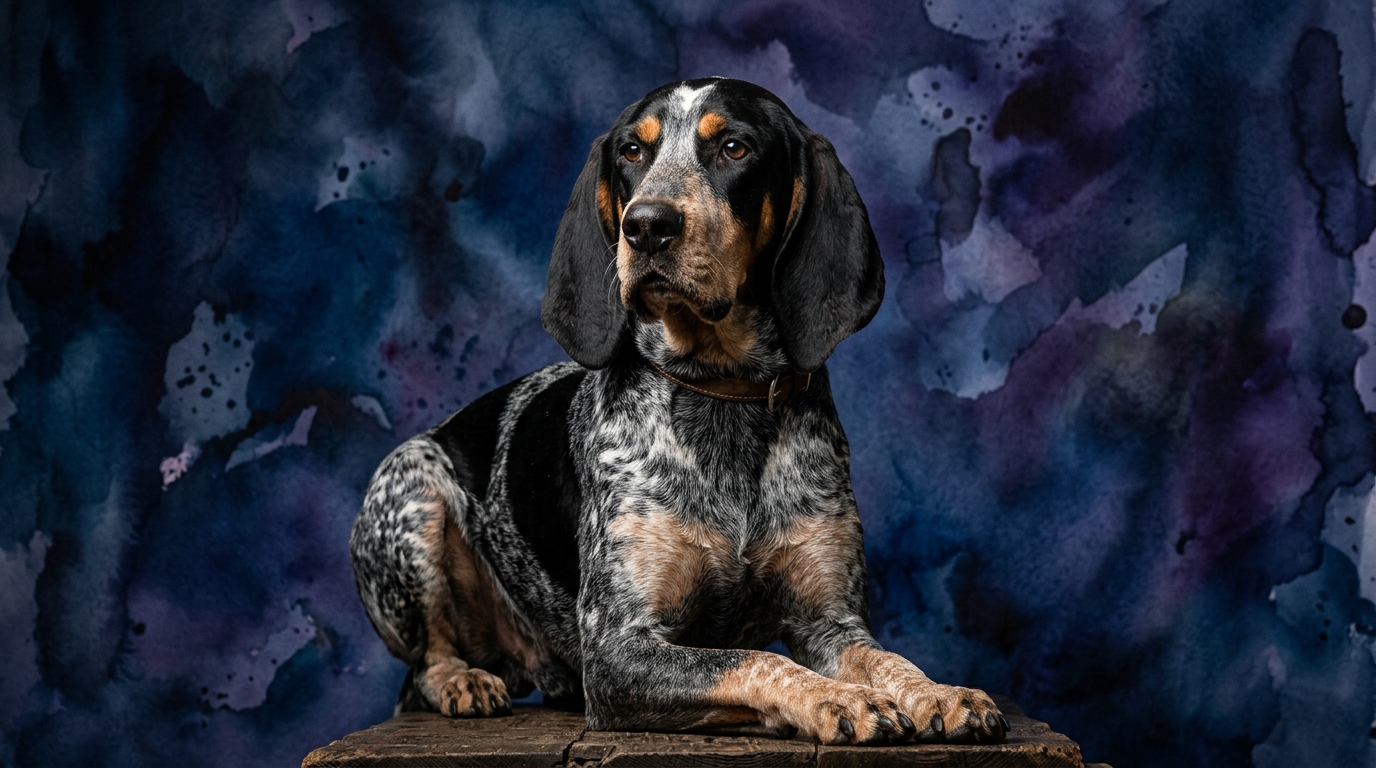
**Bluetick Coonhound (Hound):** Originating as dedicated scent hounds, the Bluetick Coonhound's cognitive strengths are deeply rooted in their working heritage. Their **Problem Solving (3/5)** is keenly focused on practical, iterative challenges: deciphering complex scent trails, navigating varied terrains, and adapting strategies to locate quarry. This isn't about solving abstract puzzles but about methodically unraveling the mysteries of a scent through persistence and environmental awareness. Their **Training Speed (3/5)** reflects an ability to learn, though often on their own terms; while capable of grasping commands, their potent instinctive drive means they frequently prioritize a compelling scent over immediate human direction. Consistency and high-value rewards are crucial for engagement. In **Social Intelligence (3/5)**, Blueticks form strong bonds with their human and canine "pack," understanding group dynamics within their familiar circle, but they might display a more reserved demeanor with strangers, less inclined towards overt displays of deference than some companion breeds. Their **Instinctive Drive (3/5)** is overwhelmingly dominated by an insatiable desire to track and bay, a primal urge that dictates much of their behavior and can make them seem singularly focused when a scent is detected. Finally, their **Memory (3/5)** is exceptional for retaining detailed information about scent paths, successful hunting grounds, and routines associated with their work, demonstrating a specialized recall tied directly to their primary function.
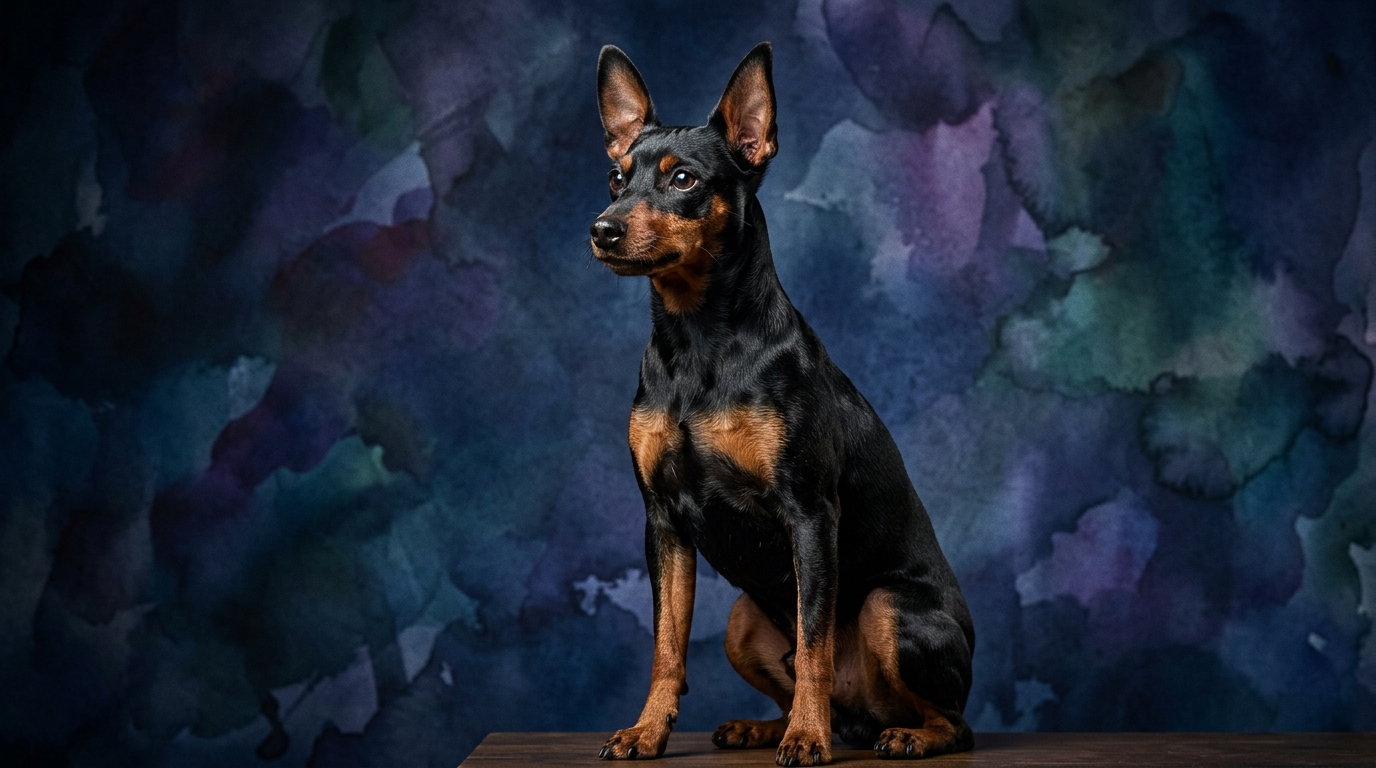
**Miniature Pinscher (Toy):** Despite their small stature, the Miniature Pinscher possesses a "big dog" personality, with their cognitive traits reflecting a history as spirited companions and vigilant guardians. Their **Problem Solving (3/5)** often manifests as clever resourcefulness within a home environment, whether figuring out how to access forbidden areas, manipulate situations for attention, or strategically navigate complex social dynamics within the family unit. This is an opportunistic, street-smart type of intelligence. The Min Pin's **Training Speed (3/5)** allows for rapid learning, particularly when motivated by engaging methods and desirable rewards; however, their independent and sometimes stubborn nature means they learn quickly but often choose when and if to comply, testing boundaries regularly. Their **Social Intelligence (3/5)** is highly developed, enabling them to keenly observe and respond to the moods and behaviors of their human family, often using these cues to their advantage to seek comfort, play, or attention. They are adept at discerning friend from perceived foe, leading to their characteristic wariness of strangers. The **Instinctive Drive (3/5)** in a Min Pin is strong, primarily expressed through a heightened prey drive towards small, fast-moving objects and and an intense territorial instinct, leading to their vigilant nature and propensity for barking at perceived threats. Their **Memory (3/5)** is robust, allowing them to recall routines, people, and past interactions with remarkable accuracy, often remembering who offers the best treats or which family member is most susceptible to their charm.
Where Bluetick Coonhound wins cognitively
The Bluetick Coonhound's cognitive strengths shine brightest in environments that call upon their specialized, millennia-honed instincts. Their prowess in **scent discrimination and tracking endurance** is virtually unmatched, allowing them to follow a faint trail for hours, across diverse and challenging landscapes, with an unwavering focus that few breeds can replicate. This involves sophisticated mental mapping and persistent analysis of olfactory information. Furthermore, their **navigational problem-solving in complex outdoor environments** stands out; they don't just follow a path, they assess the terrain, predict animal movements, and adapt their route to maximize efficiency, demonstrating an intricate understanding of their surroundings. Blueticks excel in **sustained focus on a single, long-term task** — the hunt itself — where their determination allows them to overcome distractions and fatigue, maintaining mental engagement over extended periods. Their **resilience and determination** during a hunt also speak volumes about their mental fortitude, pushing through physical discomfort and cognitive challenges until their objective is achieved. This unique blend of sensory processing and unwavering persistence defines their cognitive edge.
Where Miniature Pinscher wins cognitively
The Miniature Pinscher's cognitive advantages are largely centered around their adaptability and sharp awareness within a domestic setting. Their **quick assessment of social hierarchies** within a family unit is a notable strength; Min Pins rapidly identify who holds authority and who is more pliable, often leveraging this understanding to their benefit for treats or attention. This demonstrates a nuanced grasp of social dynamics. They exhibit remarkable **resourcefulness in achieving their desires**, whether it's figuring out how to get onto a forbidden couch, securing an extra treat, or initiating playtime; their problem-solving is often self-serving and creative. Their **vigilance and territorial awareness** are also significant cognitive wins, as they possess an acute sense of their surroundings and a quick ability to identify and respond to perceived threats, making them excellent, albeit vocal, watchdogs. Min Pins also display a surprising **dexterity in manipulating objects or navigating tight spaces**, a testament to their cleverness in interacting with their environment. Their "big dog in a small body" persona is underpinned by a sharp, observant mind that is always processing and reacting to its immediate world.
Which is easier to train and why
Assessing "easier" for training between these two breeds, both rated 3/5 for training speed, requires understanding the *nature* of their challenges rather than just the pace of learning. The **Bluetick Coonhound** can learn commands, but their powerful **instinctive drive (3/5)** to follow a scent is their primary hurdle in general obedience. A Bluetick might grasp "stay" quickly in a quiet room, but the moment a compelling scent drifts by, their deep-seated urge to track takes over, making compliance difficult. Training a Bluetick demands immense patience, consistent high-value rewards, and a profound understanding of their hound nature, often requiring specialized training methods that incorporate scent work to keep them engaged. They are "easier" to train for their specific purpose (hunting) but present significant challenges for general household obedience in distracting environments.
The **Miniature Pinscher**, despite also having a **training speed of 3/5**, presents a different set of challenges. They learn quickly and are often eager to please when motivated, but their independent, assertive personality and strong **instinctive drives (3/5)** — particularly territoriality and a tendency to "boss" — mean they will test boundaries and make their own choices. A Min Pin might understand a command perfectly but decide not to obey if they perceive a better alternative or simply feel like asserting their will. They are often "easier" to train for tricks or basic obedience in a controlled setting due to their responsiveness and desire for interaction, but their stubborn streak and vocal nature require a firm, consistent, and positive approach to prevent them from becoming overly demanding. For a typical pet owner seeking a well-mannered companion, the Min Pin might *feel* easier to train for foundational commands, provided their strong will is managed effectively, whereas the Bluetick's intense scent drive is a constant, external distraction that requires more specialized management.
Which suits active owners vs relaxed owners
The Bluetick Coonhound is unequivocally suited for **active owners**. Their origins as working hounds mean they possess substantial stamina and a deep-seated need for physical and mental stimulation, ideally through activities that engage their powerful nose. Owners who enjoy long hikes, trail running, or participating in scent work and tracking sports will find a fulfilling partnership with a Bluetick. A relaxed owner would quickly become overwhelmed by their energy levels, vocalizations (baying), and potential for destructive behaviors if not adequately exercised and mentally challenged, as their instinctive drives need a productive outlet.
The Miniature Pinscher, while small, is far from a sedentary lap dog, making them best suited for **moderately active owners** who understand their "big dog" personality. They require regular walks, engaging playtime, and consistent mental stimulation to prevent boredom and address their strong-willed nature. While they can adapt to apartment living, they thrive with owners who provide structured activities and continue their training, channeling their sharp minds and energetic bodies. A truly relaxed owner might struggle with a Min Pin's spirited temperament, territorial barking, and potential for mischievousness if their needs for engagement and leadership are not met, as they are not content to simply be a decorative presence.
The Verdict
Choose a Bluetick Coonhound if you are an experienced, highly active owner who values a dog's profound scenting abilities, enjoys extensive outdoor adventures, and is prepared for the dedicated training required to channel their independent, driven nature.
Choose a Miniature Pinscher if you seek a bold, vigilant companion for a moderately active home, appreciate a dog that is keenly attuned to its family dynamics, and are ready to provide consistent leadership and mental engagement for a confident, spirited personality.
🧠 Find Your Pet's IQ Score
Our Pet IQ Lab assessment covers 25+ tests across 5 cognitive dimensions — personalized to your breed.
Take the Full IQ Test →Frequently Asked Questions
Are Bluetick Coonhounds good family dogs?
Yes, Bluetick Coonhounds can be excellent family dogs, forming deep bonds with their human pack and often being gentle with children, especially if raised with them. However, their high energy and vocal nature require an active household that can provide ample exercise and mental stimulation.
Do Miniature Pinschers bark a lot?
Miniature Pinschers do have a reputation for being vocal, often barking to alert their owners to perceived threats or strangers, or simply to express their opinions. Consistent training and socialization from a young age can help manage this tendency, but their vigilant nature means some barking is inherent.
How much exercise do these breeds need?
Bluetick Coonhounds require significant daily exercise, often 1-2 hours of vigorous activity like long runs, hikes, or scent work, to keep them physically and mentally content. Miniature Pinschers, despite their size, need moderate daily exercise, including at least 30-60 minutes of walks and active playtime, to satisfy their energetic and curious dispositions.