Side-by-Side Cognitive Profiles: Decoding Identical Scores
At first glance, the Bluetick Coonhound and the Norwegian Lundehund present an intriguing paradox in The Cosmic Pet Pet IQ Lab, both scoring a consistent 3/5 across all five evaluated cognitive dimensions. This identical numerical assessment, however, belies a rich tapestry of distinct mental aptitudes and behavioral expressions, deeply rooted in their historical roles and physical attributes. Understanding these nuances requires interpreting what a '3/5' truly signifies within each breed's specific context, rather than as a universal measure.
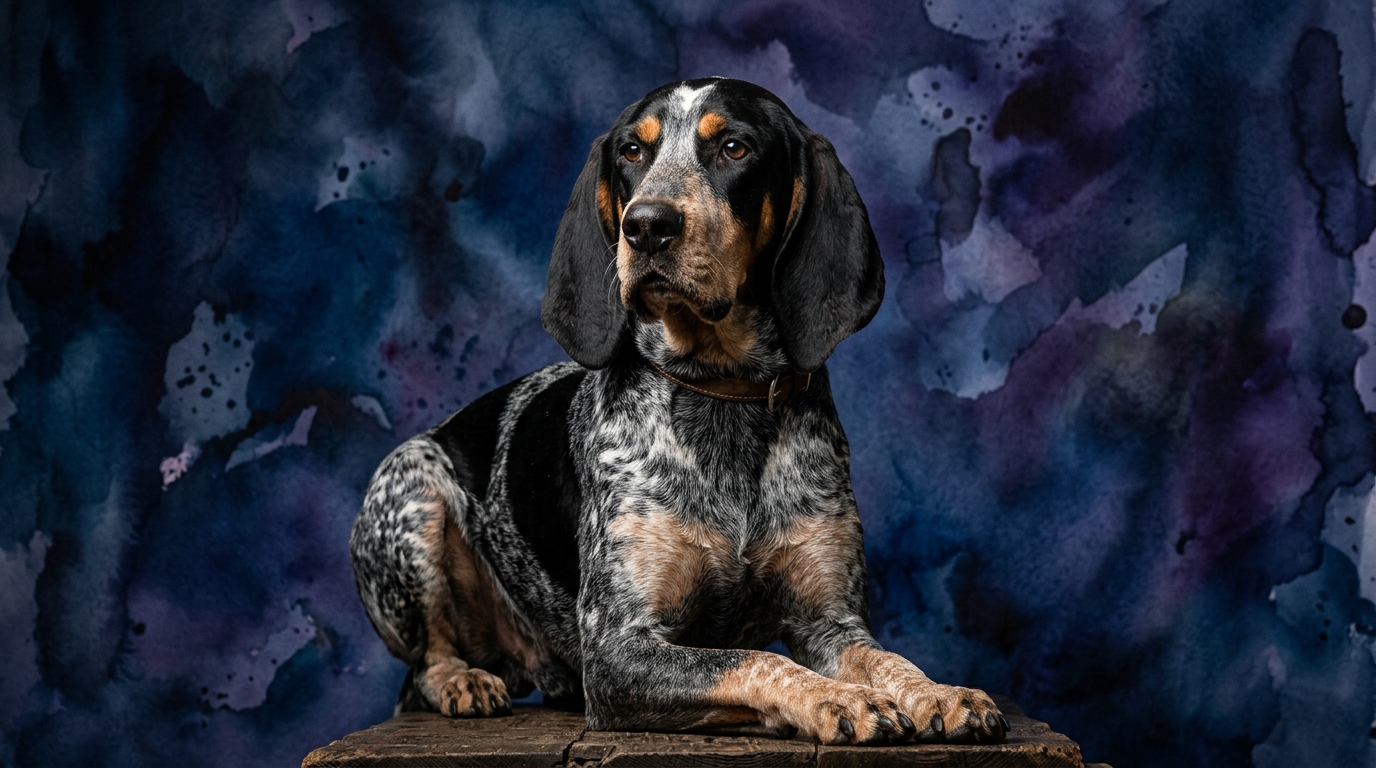
For the **Bluetick Coonhound**, a 3/5 in **Problem Solving** reflects their adeptness at navigating intricate scent trails, strategizing how to bypass obstacles in pursuit, or locating elusive quarry even when the path isn't straightforward. Their intelligence is often expressed through persistent, methodical tracking. A 3/5 in **Training Speed** indicates they are capable learners, but their independent hound nature means focus can be challenging when a compelling scent takes precedence. They absorb commands, but applying them consistently in high-distraction environments requires significant reinforcement. Their **Social Intelligence** at 3/5 manifests as a strong pack bond with their human family, understanding hierarchical cues, and often interacting well with other dogs, though they can be boisterous. The 3/5 **Instinctive Drive** is powerfully expressed through their relentless pursuit of scent, their distinctive baying, and an innate desire to hunt. Finally, a 3/5 in **Memory** allows them to recall complex scent patterns, learned hunting routes, and the routines of their human companions, aiding their effectiveness in their working role.
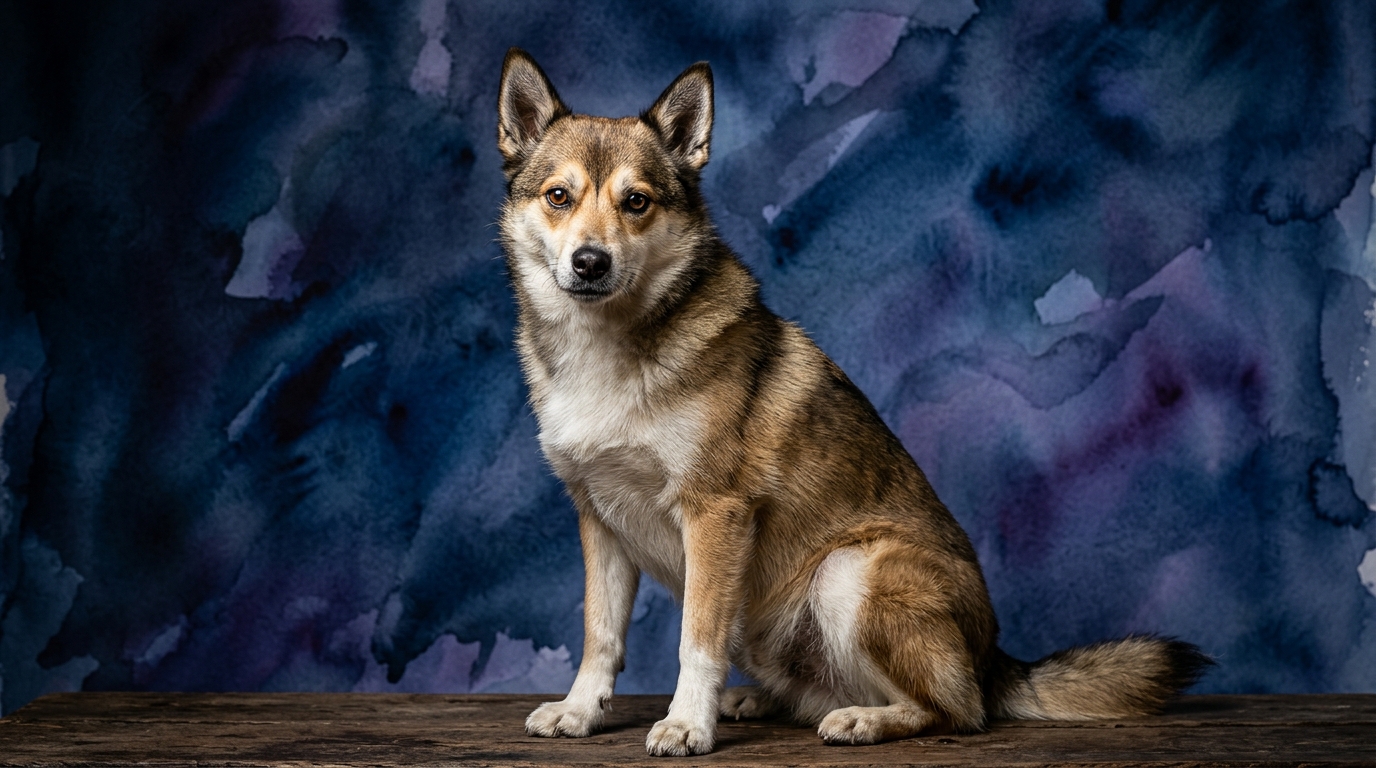
The **Norwegian Lundehund**, with its identical 3/5 scores, demonstrates these cognitive traits in a remarkably different manner. Their **Problem Solving** at 3/5 is exemplified by their historical task of hunting puffins in rocky coastal areas. This involves complex spatial reasoning: figuring out how to squeeze through narrow crevices, climb sheer rock faces, and navigate unstable terrain to access nests. Their 3/5 **Training Speed** means they are certainly trainable, but their inherent independence and a history of making autonomous decisions in challenging environments can make them appear stubborn. They require patient, positive reinforcement and may question commands if they don't perceive immediate value. Their **Social Intelligence** at 3/5 often translates to deep devotion to their immediate family, though they can be reserved or wary with strangers. They are keen observers of human behavior and often adapt their actions based on subtle cues. The 3/5 **Instinctive Drive** for Lundehunds is expressed through their incredible agility, climbing prowess, and a natural curiosity for exploration, often involving digging and investigating tight spaces. Their unique physical adaptations, like extra toes and flexible joints, are a testament to this drive. Their **Memory** at 3/5 enables them to recall intricate pathways through challenging landscapes, the locations of previous finds, and the specific routines and expectations of their household.
Where the Bluetick Coonhound Excels Cognitively
The Bluetick Coonhound's cognitive strengths distinctly align with their heritage as a scent hound. Their 3/5 Problem Solving, when channeled into tracking, allows them to process and interpret an overwhelming amount of olfactory information. They excel at deciphering aged or faint scent trails, exhibiting a relentless determination to follow a lead that would baffle many other breeds. This isn't just about speed, but about the intricate mental mapping of a scent's progression over varied terrains and time, demonstrating a specialized form of cognitive persistence. Their 3/5 Instinctive Drive fuels this cognitive process, granting them an unparalleled endurance for mentally taxing, prolonged searches, often over many miles. They mentally 'lock on' to a target scent and employ their memory to recall previous success strategies, making them highly effective in their chosen field.
Where the Norwegian Lundehund Excels Cognitively
The Norwegian Lundehund's cognitive advantages are a direct consequence of their unique evolutionary niche. Their 3/5 Problem Solving shines in tasks requiring intricate spatial awareness and physical dexterity in challenging environments. Unlike the Bluetick's linear tracking, the Lundehund's problem-solving involves three-dimensional navigation: assessing the stability of a rock face, determining the narrowest point to squeeze through, or planning a route through a labyrinthine cave system. Their specialized joints and extra toes are not just physical traits; they are tools for a very specific type of cognitive engagement with their environment. Their 3/5 Instinctive Drive translates into an insatiable curiosity for exploration and a remarkable adaptability to new physical challenges, often involving climbing or tunneling, showcasing a unique blend of physical and mental agility not commonly seen in other breeds. This breed’s memory is particularly adept at recalling intricate routes and hiding spots, crucial for their historical hunting practices.
Training Dynamics: Bluetick Coonhound vs. Norwegian Lundehund
When considering trainability, the identical 3/5 Training Speed scores for both breeds conceal significant practical differences rooted in their core motivations and distractions. The Bluetick Coonhound, despite their capacity to learn, presents a training challenge due to their profound scent drive. Once a Bluetick is 'on scent,' their cognitive focus narrows almost exclusively to that sensory input, making recall or redirection incredibly difficult. Their independent working style means they often prioritize their nose over human commands in the field. Effective training requires consistent, high-value rewards to compete with the allure of a trail, and owners must understand that their drive to hunt is an intrinsic part of their being, not a flaw to be 'trained out.' Patience and understanding their hound nature are paramount.
The Norwegian Lundehund, while also scoring 3/5 in Training Speed, offers a different set of considerations. Their independent problem-solving history means they are accustomed to making their own decisions, which can manifest as stubbornness if they don't see the immediate utility or reward in a command. They are intelligent and capable of learning a wide array of tasks, but they often require more creative and engaging training methods to maintain their interest. Repetitive drills might bore them, leading to disengagement. They respond best to positive reinforcement, short, fun sessions, and trainers who can effectively communicate 'what's in it for them.' Unlike the Bluetick's scent-driven distraction, the Lundehund's challenge often stems from their independent thought process and a potential lack of perceived motivation rather than an overwhelming external stimulus.
Lifestyle Compatibility: Active vs. Relaxed Owners
Matching these breeds to an owner's lifestyle requires careful consideration of their inherent drives and how they manifest daily. The Bluetick Coonhound is unequivocally suited for active owners. Their 3/5 Instinctive Drive demands extensive physical exercise and mental engagement, ideally through scent work, long hikes, or even participation in dog sports like tracking or agility. They are not content with short walks around the block; their cognitive and physical needs are met through purposeful activity that allows them to use their powerful nose and endurance. Owners who lead a relaxed, sedentary lifestyle will likely find a Bluetick's energy and vocalizations overwhelming, as unmet needs can lead to destructive behaviors or excessive baying. They thrive with owners who embrace adventure and outdoor pursuits.
The Norwegian Lundehund, while historically an active hunter, offers a slightly different profile for owners. Their 3/5 Instinctive Drive translates into a need for mental stimulation and opportunities to explore and climb, but not necessarily the same sustained, high-intensity endurance as a Bluetick. They enjoy varied activities, puzzle toys, and exploring new environments where they can use their agility and problem-solving skills. While they need regular exercise, a Lundehund might be more adaptable to an owner who enjoys varied activities – from hikes to indoor brain games – rather than solely focusing on long, strenuous outings. They can be content with a moderately active owner who provides consistent mental enrichment and outlets for their unique climbing and digging instincts. Their independent nature also means they can entertain themselves to a degree, though they still require significant human interaction and engagement.
The Verdict
Choose the Bluetick Coonhound if you are an active, outdoors-oriented individual passionate about scent work or long, purposeful excursions, and are prepared to manage a strong, independent hound drive.
Opt for the Norwegian Lundehund if you appreciate a quirky, independent companion who thrives on varied mental challenges, enjoys climbing and exploring, and you're prepared for patient, creative training methods.
🧠 Find Your Pet's IQ Score
Our Pet IQ Lab assessment covers 25+ tests across 5 cognitive dimensions — personalized to your breed.
Take the Full IQ Test →Frequently Asked Questions
Are Bluetick Coonhounds good family dogs?
Bluetick Coonhounds can be wonderful family dogs, particularly with active families who understand their need for exercise and mental stimulation. They are typically good with children if socialized early, but their boisterous nature and strong scent drive mean supervision is important.
Do Norwegian Lundehunds have any unique health issues?
Yes, Norwegian Lundehunds are prone to a specific gastrointestinal disorder called Lundehund Syndrome, which can affect their ability to absorb nutrients. Responsible breeders screen for this, and potential owners should be aware of its management.
How do these breeds typically interact with other pets?
Bluetick Coonhounds, with proper socialization, can generally get along with other dogs due to their pack mentality, but their high prey drive means small, non-canine pets might be at risk. Norwegian Lundehunds, while often reserved with new dogs, can coexist peacefully with other pets if introduced carefully, though their hunting instinct should still be considered for very small animals.