Side-by-Side Cognitive Profiles: The Cosmic Pet IQ Lab Assessment
The Cosmic Pet Pet IQ Lab employs a comprehensive five-dimensional assessment to evaluate canine cognitive abilities, providing a nuanced understanding of how breeds process information and interact with their world. Let's examine how the German Shepherd and Norwegian Lundehund stack up in each domain, offering a window into their inherent mental architectures.
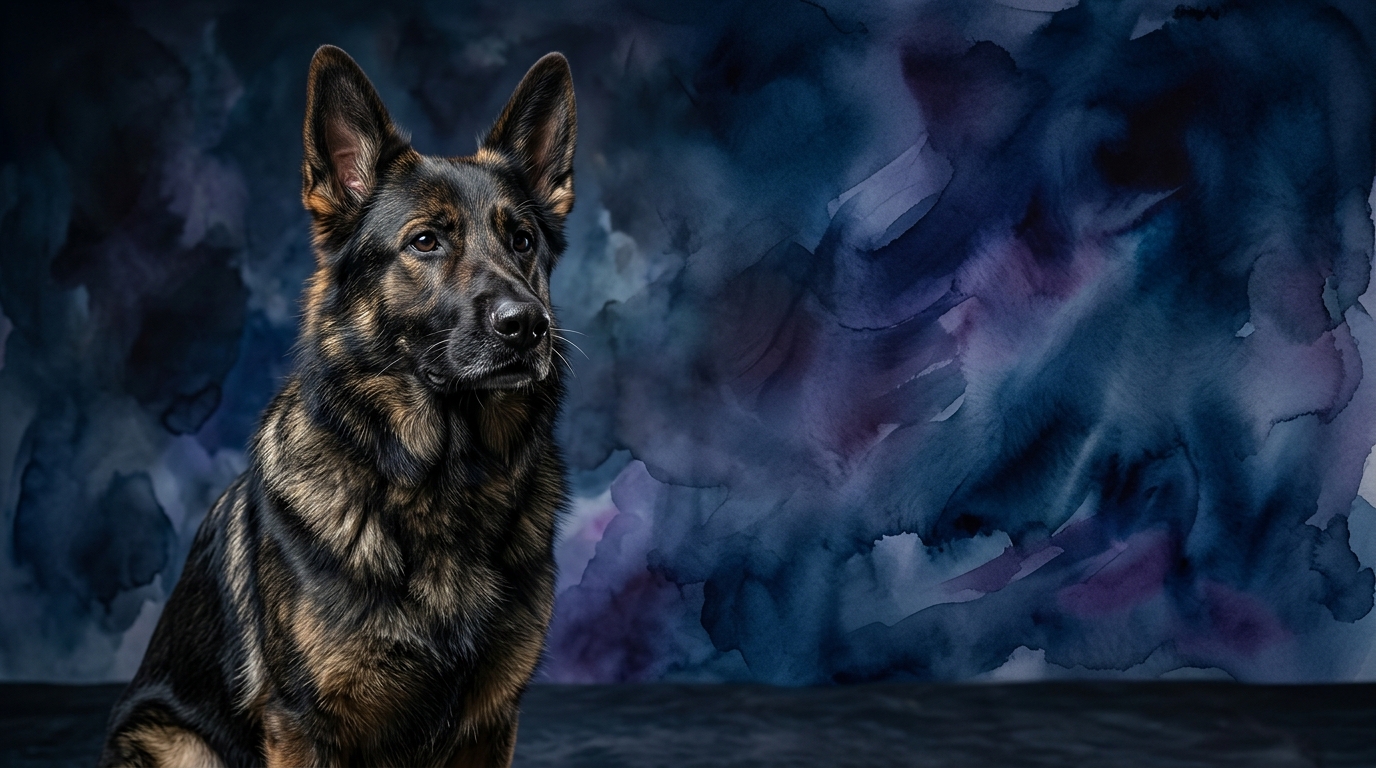
The **German Shepherd**, a breed frequently seen in demanding roles, achieves top marks across the board. Its Problem Solving is rated 5/5, reflecting an exceptional capacity for complex, multi-stage tasks and adaptive tactical thinking, crucial for herding intricate flocks or navigating K9 scenarios. Training Speed also registers 5/5, indicating a rapid acquisition of commands, minimal repetitions needed for mastery, and a strong ability to generalize learned behaviors across varied contexts. Social Intelligence, at 5/5, highlights their profound understanding of human cues, willingness to cooperate, and capacity to anticipate needs, forming a deep partnership. Their Instinctive Drive, a perfect 5/5, encompasses a powerful work ethic, protective instincts, and an inherent desire to fulfill a purpose alongside their human companions. Finally, Memory, also 5/5, underscores their ability to retain complex sequences, commands, and recall specific experiences over extended periods, making them highly reliable.
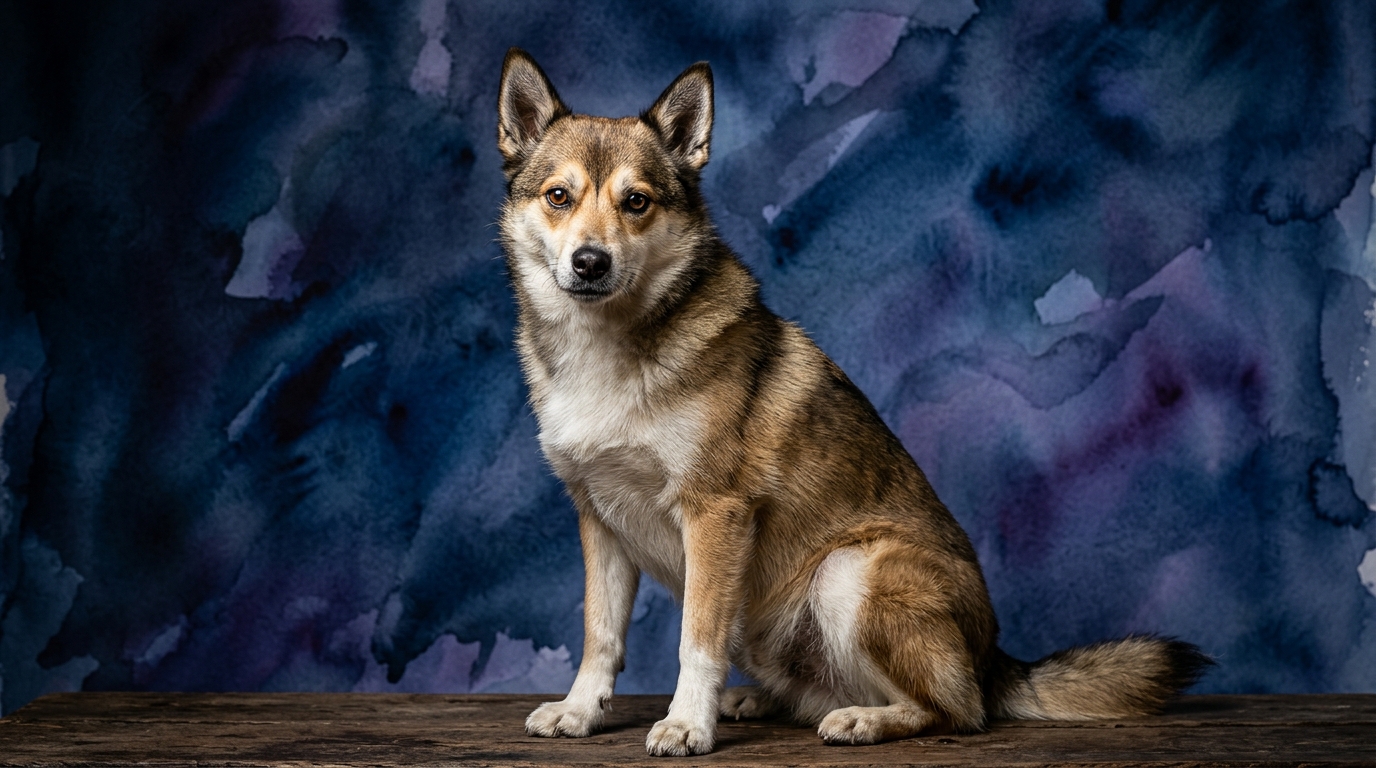
In contrast, the **Norwegian Lundehund**, a breed developed for an incredibly specific and physically demanding task, presents a different cognitive landscape, with consistent ratings of 3/5 across all dimensions. Their Problem Solving, rated 3/5, is highly specialized, excelling in the unique physical challenges of their original role, such as navigating treacherous cliff faces and extracting puffins from narrow crevices. However, they are less inclined towards abstract or human-designed puzzles, often requiring significant motivation. Training Speed, at 3/5, indicates they learn at a moderate pace, necessitating consistent, positive reinforcement and more repetitions than a German Shepherd, often displaying an independent streak. Social Intelligence, also 3/5, shows they form strong bonds with their immediate family but can be reserved or indifferent towards strangers, and while they understand family dynamics, their focus isn't primarily on interpreting complex human directions. Their Instinctive Drive, 3/5, is geared towards independent hunting and foraging, less towards cooperative human-led tasks, driven by self-preservation and prey drive. Memory, rated 3/5, means they remember routines, familiar people, and places well, and can recall specific learned behaviors, but they might not generalize concepts as readily or retain extensive command repertoires with the same ease as a German Shepherd.
Where the German Shepherd Excels Cognitively
The German Shepherd's cognitive strengths lie in its remarkable versatility and profound ability to engage in human-centric cooperative tasks. Their 5/5 rating in Problem Solving means they don't just solve a task; they often strategize, anticipating consequences and adapting their approach. This manifests in their ability to learn complex scent discrimination, navigate obstacle courses with minimal guidance, or understand multi-step commands like 'find the keys and bring them here.' Their cognitive architecture allows for a deep understanding of cause and effect, enabling them to troubleshoot and learn from mistakes efficiently.
Furthermore, their superior Social Intelligence (5/5) allows for nuanced communication. A German Shepherd can often interpret subtle shifts in human body language, tone of voice, and even emotional states, adjusting their behavior accordingly. This isn't merely obedience; it's a sophisticated form of interspecies communication that facilitates intricate teamwork in roles such as assistance work, where anticipating a human's needs is paramount. Their memory (5/5) supports this by allowing them to build extensive mental maps of environments, remember specific training sequences, and recall past interactions to inform future behavior, making them exceptionally reliable partners in diverse working fields.
Where the Norwegian Lundehund Exhibits Unique Cognitive Strengths
While the Norwegian Lundehund's overall IQ scores are moderate, their cognitive strengths are profoundly specialized and tied to their unique evolutionary history. Their 3/5 in Problem Solving is not a deficit but a reflection of a different cognitive priority: mastering specific environmental challenges. Lundehunds possess an unparalleled ability to navigate complex, often vertical, terrain due to their unique six-toed paws and flexible joints. This requires a specific kind of spatial reasoning and memory—remembering safe footholds, assessing unstable surfaces, and mapping intricate paths through rocky landscapes or narrow tunnels.
Their Instinctive Drive (3/5) is also a cognitive strength in its original context. It represents a powerful, self-directed drive to locate and extract prey, requiring independent decision-making and persistence without constant human direction. Unlike the German Shepherd's drive to cooperate, the Lundehund's drive is about individual efficacy in a challenging environment. This translates to an independent cognitive style, where they are adept at self-initiating tasks related to exploration, digging, and finding hidden objects, showcasing a focused, specialized form of cognitive engagement rather than broad applicability.
Which Breed is Easier to Train and Why?
Based on their IQ profiles, the German Shepherd is unequivocally easier to train than the Norwegian Lundehund. The German Shepherd's 5/5 ratings across Training Speed, Social Intelligence, and Instinctive Drive converge to create a dog that is eager to learn, quick to understand, and inherently motivated to work alongside its human. They thrive on structure, clear communication, and having a 'job' to do. Their keen social intelligence means they are constantly observing and interpreting human signals, making them highly responsive to commands and subtle cues. This allows for rapid progression through complex training regimens, from basic obedience to advanced protection work or agility.
The Norwegian Lundehund, with 3/5 in Training Speed and Instinctive Drive, presents a more significant training challenge due to its independent nature and specialized drives. While they are certainly capable of learning, they require more patience, consistency, and highly motivating rewards. Their problem-solving skills are geared towards their own interests (like exploring or digging), not necessarily towards pleasing a human with abstract commands. They can be prone to 'selective hearing' if a task doesn't immediately appeal to their instincts. Training a Lundehund often involves making tasks feel like a game or an extension of their natural exploratory behaviors, rather than relying on a strong desire for human approval, making the process slower and requiring more creative approaches.
Suitability for Active vs. Relaxed Owners
The German Shepherd is ideally suited for active, engaged owners who can provide consistent mental stimulation and ample physical exercise. Their high scores in Instinctive Drive and Problem Solving mean they require a purpose and thrive when given tasks to complete. An owner who enjoys daily training sessions, participates in dog sports like agility or obedience, or has a need for a working companion will find a German Shepherd deeply fulfilling. They are not content with a sedentary lifestyle and can develop behavioral issues if their cognitive and physical needs are not adequately met.
The Norwegian Lundehund, while not a couch potato, fits a different kind of owner. They require moderate physical activity, often enjoying self-directed exploration, climbing, or digging in a secure environment. Owners who appreciate a dog with an independent spirit and a fascination with unique physical adaptations will find the Lundehund rewarding. While they enjoy outdoor adventures, their activity often stems from their own curiosity rather than a constant need for human-led tasks. They can be relaxed indoors after their needs are met, but an owner must be prepared for their unique physical capabilities and a personality that values self-determination over constant human direction.
The Verdict
Choose a German Shepherd if you seek a highly trainable, versatile partner for complex tasks, deep cooperation, and an active lifestyle, thriving on purpose and shared endeavors.
Opt for a Norwegian Lundehund if you appreciate a unique, independent companion with specialized cognitive strengths, a moderate activity level, and are prepared for their distinct personality and training approach.
🧠 Find Your Pet's IQ Score
Our Pet IQ Lab assessment covers 25+ tests across 5 cognitive dimensions — personalized to your breed.
Take the Full IQ Test →Frequently Asked Questions
Are Norwegian Lundehunds stubborn during training?
Lundehunds are often perceived as stubborn, but it's more accurately described as a strong sense of independence and a preference for self-directed activity. They learn effectively with consistent, positive reinforcement and when training is made engaging and rewarding, rather than relying on a strong desire to please.
Can a German Shepherd adapt to a less active home?
While adaptable, a German Shepherd truly thrives with significant mental and physical engagement. A less active home might lead to boredom, frustration, and potential behavioral issues, as their cognitive and instinctive drives are designed for purpose and activity. They require an owner committed to fulfilling these needs.
What kind of 'work' does a German Shepherd need beyond exercise?
Beyond physical exercise, a German Shepherd needs mental work such as obedience training, puzzle toys, scent work, agility, or even helping with household tasks. This fulfills their deep-seated need to problem-solve and contribute, engaging their high social intelligence and instinctive drive.