Side-by-Side IQ Profile: Boerboel vs. Irish Wolfhound
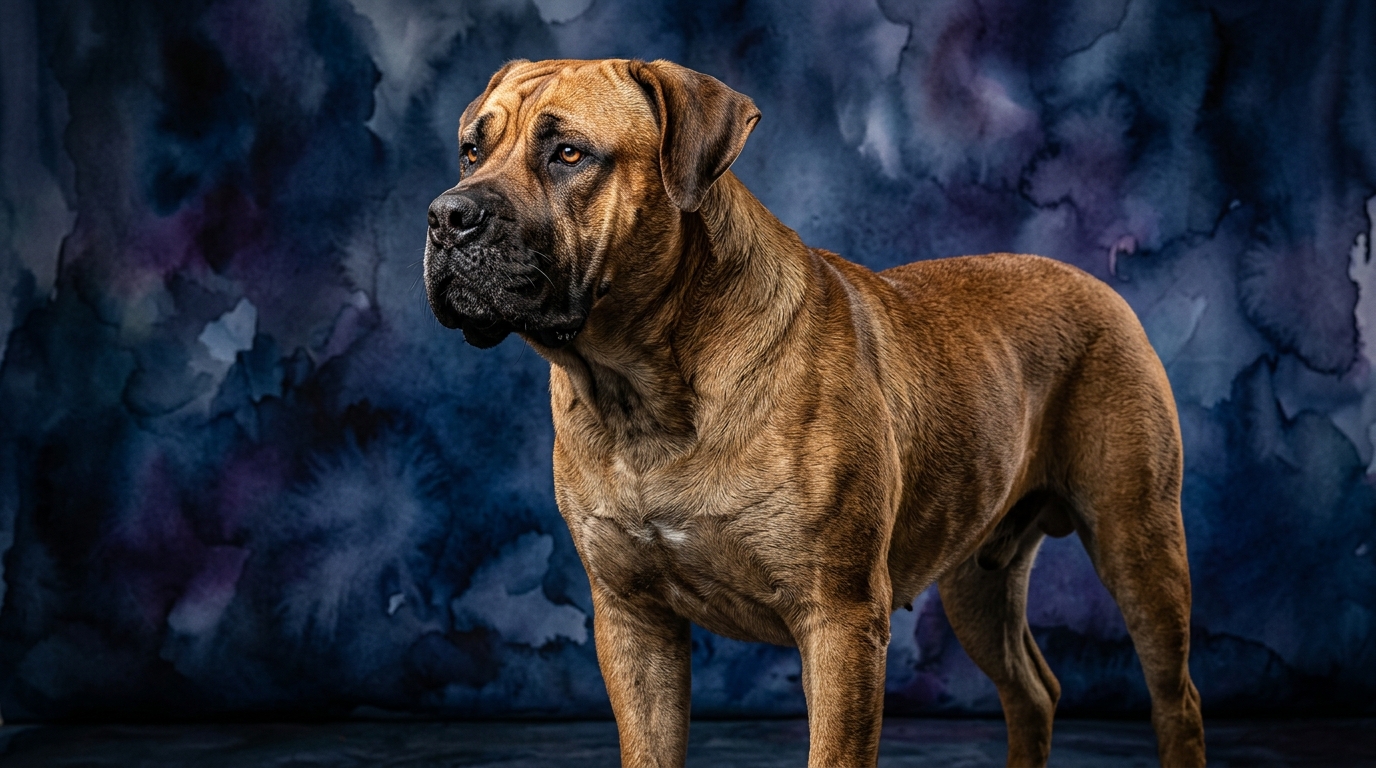
Despite identical scores across five cognitive dimensions, the Boerboel and Irish Wolfhound apply their mental faculties in ways that reflect their foundational breed roles. For the Boerboel, a Working dog, their Problem Solving (3/5) manifests in practical, real-world solutions related to territorial assessment and defense, quickly learning the layout of their domain and identifying unusual elements. Their Training Speed (3/5) indicates they are capable learners, but their independent streak requires consistent, firm guidance, responding well to tasks that provide a sense of purpose. Social Intelligence (3/5) for a Boerboel is geared towards discerning friend from potential foe, displaying deep loyalty to family while maintaining a watchful reserve with strangers. Their Instinctive Drive (3/5) is powerfully centered on protection and guardianship, influencing their vigilance and readiness to act for family safety. A solid Memory (3/5) aids their guarding role, allowing them to remember routines, commands, and individuals they've encountered, contributing to consistent protective behaviors.
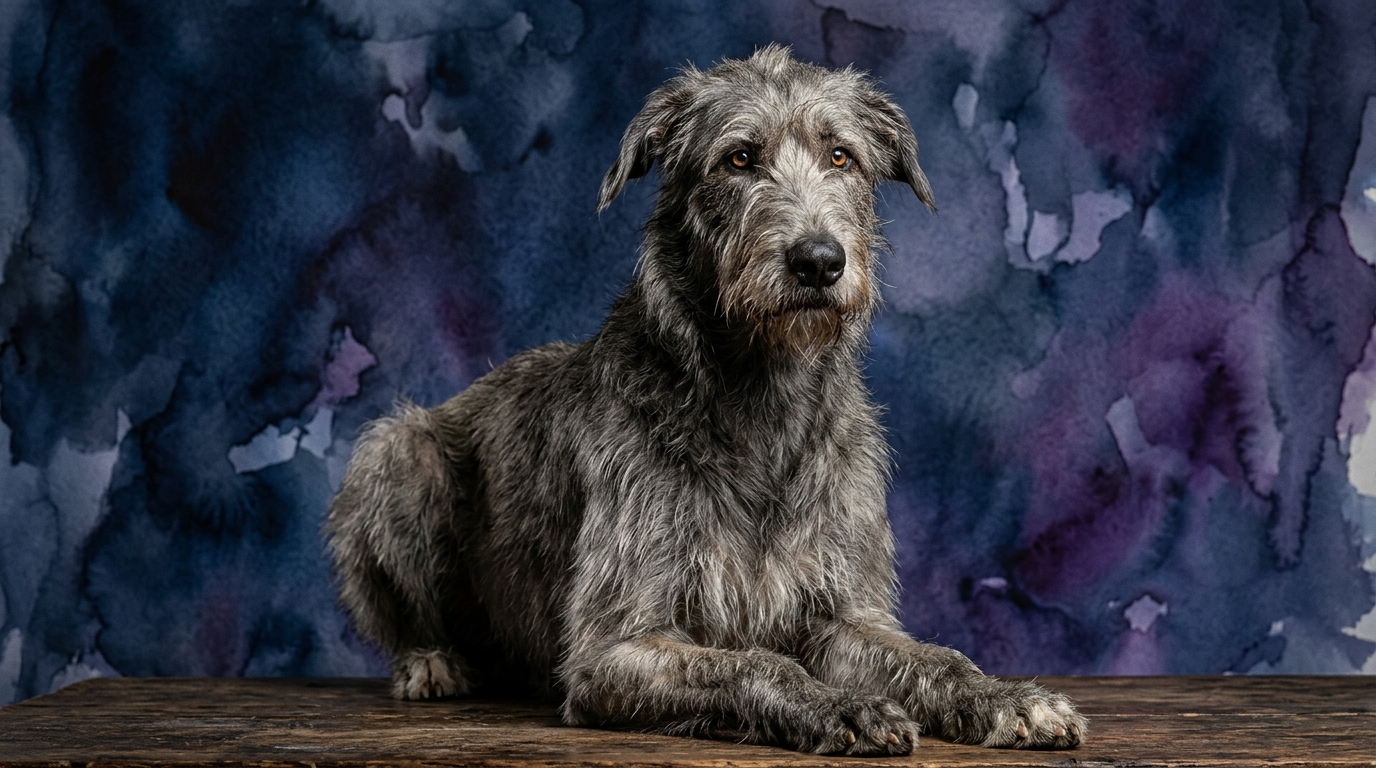
The Irish Wolfhound, a Hound, expresses its cognitive abilities through a different lens. Their Problem Solving (3/5) often relates to their original purpose of identifying and pursuing distant prey, involving spatial navigation and efficient pathfinding to intercept. Their Training Speed (3/5) means they learn steadily, but their hound nature makes them prone to distraction by scents or movement, requiring positive, engaging methods and patience to overcome occasional selective hearing. Social Intelligence (3/5) in an Irish Wolfhound is often expressed as calm, tolerant empathy within their immediate family, intuitively reading emotions, yet they can be dignified and reserved with new people. Their dominant Instinctive Drive (3/5) is the chase, an imperative to pursue that still influences their fascination with moving objects and their desire to gallop across open spaces. They possess a reliable Memory (3/5) for learned commands, familiar routes, and bonded individuals, though strong visual stimuli can momentarily override their recall.
Where the Boerboel Wins Cognitively
When assessing practical cognitive applications, the Boerboel often demonstrates a pragmatic edge in scenarios demanding vigilance and territorial awareness. Their 3/5 problem-solving capability is acutely tuned to environmental monitoring; they might excel at identifying subtle changes in their surroundings that signify an intrusion or unusual activity, a trait essential for a guardian breed. This translates into a focused application of memory and social intelligence to differentiate familiar patterns from potential threats, remembering specific individuals or vehicles that should or should not be present. While their training speed is also 3/5, their instinctive drive for protection means they are highly motivated to learn and execute commands that contribute to the security of their family and property, often integrating these learned behaviors into a cohesive protective strategy more readily than a breed without such a strong guarding imperative.
Where the Irish Wolfhound Wins Cognitively
The Irish Wolfhound, conversely, presents a cognitive strength rooted in its ancestral role of pursuit and its remarkably gentle disposition. Their 3/5 problem-solving often shines in tasks requiring spatial reasoning over open distances, such as navigating complex outdoor environments or understanding efficient pathways during a run. This breed’s social intelligence, while also rated 3/5, often manifests as an exceptional empathy and calm understanding within their immediate family. They are adept at reading emotional cues and offering a comforting presence without being overly intrusive, a subtle form of social navigation. Their memory is particularly effective for remembering familiar faces and routines, contributing to their steady, reassuring presence, and their instinctive drive, though centered on the chase, makes them incredibly focused when engaged in activities that tap into that natural inclination, such as lure coursing or long walks.
Training Dynamics: Which is Easier and Why?
Given both breeds share a 3/5 training speed, neither is inherently 'easy' in the way some highly biddable breeds are. However, their different motivations and inherent drives create distinct training challenges and opportunities. The Boerboel’s training is often a partnership built on respect and clear boundaries. Their strong instinctive drive for protection means they are generally eager to learn tasks that reinforce their role as a guardian, making them responsive to command-and-control training methods when applied consistently and fairly. Challenges can arise from their independent nature and their tendency to be discerning; if they don't perceive a command as relevant or the trainer as a clear leader, compliance can waver.
Conversely, the Irish Wolfhound's 3/5 training speed is often influenced by their hound heritage. While gentle and willing to please, their powerful instinctive drive to chase means that outdoor training requires significant proofing against distractions. A distant movement or scent can momentarily override even well-established commands. They respond best to positive reinforcement, patience, and engaging, game-like sessions that keep their attention. Recalling an Irish Wolfhound off a perceived 'chase' can be more difficult than managing a Boerboel’s territorial assertiveness, making consistent, high-value reward recall training paramount for the Wolfhound.
Lifestyle Fit: Active vs. Relaxed Owners
The choice between these magnificent breeds also hinges on an owner’s lifestyle. The Boerboel, while not requiring constant high-impact exercise, is suited for owners who are active in a structured, purposeful way. They thrive with consistent mental stimulation and physical activity that gives them a 'job,' whether it's daily long walks, obedience training, or protection sports. Their assertive nature means they need an owner who can confidently provide leadership and integrate them into family life with clear expectations. They are not a dog for a truly relaxed, hands-off owner, as their cognitive engagement needs to be met to prevent boredom and potential behavioral issues.
The Irish Wolfhound, on the other hand, presents a fascinating blend. They require bursts of intense exercise—a good, long gallop in a secure area is vital for their physical and mental well-being, satisfying their instinctive drive. However, once those needs are met, they are often content to be relaxed, gentle companions indoors, enjoying quiet time with their family. They are suitable for owners who enjoy active outdoor pursuits but also value a serene home life, understanding that while their exercise needs are significant, their daily intensity is often punctuated by long periods of calm.
The Verdict
Choose the Boerboel if you seek a vigilant, dedicated guardian who thrives on purposeful work and clear leadership, and you are prepared to engage consistently with their assertive, protective nature.
Opt for the Irish Wolfhound if you appreciate a gentle, empathetic giant who needs ample space for exhilarating runs but is equally content to be a serene, dignified companion indoors, and you can manage their distinct hound instincts.
🧠 Find Your Pet's IQ Score
Our Pet IQ Lab assessment covers 25+ tests across 5 cognitive dimensions — personalized to your breed.
Take the Full IQ Test →Frequently Asked Questions
Do Boerboels and Irish Wolfhounds learn at the same pace?
Both breeds have a training speed rating of 3/5, indicating they learn at a steady, moderate pace. However, their motivations differ, with Boerboels responding to purpose and leadership, while Irish Wolfhounds benefit from positive reinforcement and engaging, distraction-proofed sessions.
How do their problem-solving skills differ with identical 3/5 scores?
A Boerboel's 3/5 problem-solving often focuses on practical, real-world solutions related to guarding and territorial awareness, like identifying threats. An Irish Wolfhound's 3/5 problem-solving tends towards spatial reasoning and efficient navigation during pursuit, reflecting their sight hound heritage.
Which breed is better with strangers, considering their 3/5 social intelligence?
Neither breed is universally outgoing with strangers; their 3/5 social intelligence manifests differently. The Boerboel is discerning and reserved, assessing new people carefully, while the Irish Wolfhound is dignified and tolerant but often aloof, preferring a smaller, trusted social circle.