
The Cosmic Pet Pet IQ Lab: Side-by-Side Cognitive Profiles
The Cosmic Pet Pet IQ Lab employs a five-dimensional framework to assess canine intelligence, offering a nuanced understanding beyond simple ranking. For the Boerboel, a breed not yet included in Stanley Coren's traditional ranking, we observe a consistent profile across the board, scoring 3 out of 5 in Problem Solving, Training Speed, Social Intelligence, Instinctive Drive, and Memory. This indicates a robust, capable, and balanced cognitive makeup, suggesting they approach new challenges with thoughtful consideration and learn through consistent, clear guidance. Their social understanding is grounded, likely geared towards discerning familiar from unfamiliar, and their memory is solid for routines and established commands.
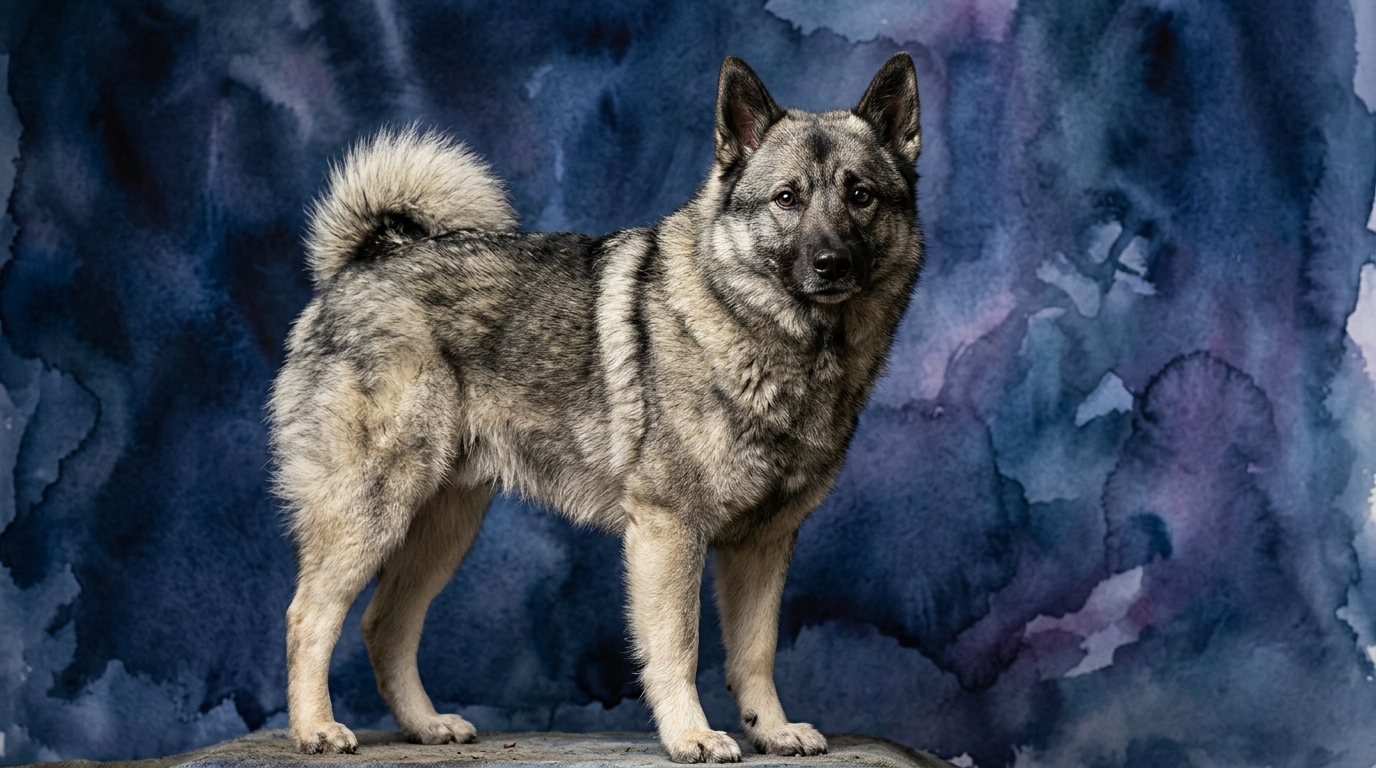
In contrast, the Norwegian Elkhound, recognized at Coren rank #36, presents a more varied and often elevated cognitive profile. This breed scores 4 out of 5 in Problem Solving, Training Speed, and Memory, highlighting a quicker grasp of new concepts, excellent retention of learned behaviors, and an aptitude for navigating complex situations independently. Their Social Intelligence and Instinctive Drive, however, are rated at 3 out of 5, matching the Boerboel. This suggests a moderate social awareness and a strong, inherent drive that, while present, requires focused direction, similar to the Boerboel but perhaps with different behavioral manifestations.
Where the Boerboel's Cognition Shines
While the Norwegian Elkhound shows higher scores in several areas, the Boerboel's cognitive strengths lie in its steadfastness and the application of its balanced intelligence within its specific guardian role. Their 3/5 in Problem Solving, for instance, translates into a deliberate, methodical approach. They might not solve novel puzzles as rapidly as an Elkhound, but their solutions are often robust and practical, especially when related to their environment or family protection. This isn't about speed, but about a grounded, unwavering assessment of situations.
The Boerboel's consistent 3/5 across all dimensions, particularly in Social Intelligence and Instinctive Drive, implies a deep, unwavering loyalty and a strong, predictable protective instinct. Their memory (3/5) is particularly effective for retaining family routines, established boundaries, and recognizing familiar individuals, contributing to their reliable and consistent presence. This breed's cognitive 'win' is in its profound stability and the unwavering application of its mental faculties towards its primary purpose: being a dependable, watchful companion who processes information with a calm, resolute demeanor, rather than quick-witted adaptability.
Where the Norwegian Elkhound Excels Cognitively
The Norwegian Elkhound demonstrates a clear cognitive advantage in areas requiring rapid learning, problem-solving, and information retention. Their 4/5 in Problem Solving means they are adept at figuring out new challenges, whether it's navigating a complex scent trail or opening a tricky latch, often with minimal human intervention. This makes them resourceful and independent thinkers, capable of assessing and reacting to their environment with ingenuity.
Furthermore, their 4/5 in Training Speed indicates a breed that picks up new commands and cues with notable alacrity, making training sessions often more dynamic and rewarding. This is coupled with a 4/5 in Memory, ensuring that once a lesson is learned, it is retained effectively over time, reducing the need for constant reteaching. These elevated scores signify a dog that is not only quick to understand but also proficient at applying past experiences to current situations, making them highly adaptable and mentally agile companions in varied environments.
Training Dynamics: Elkhound's Responsiveness vs. Boerboel's Resolve
When it comes to ease of training, the Norwegian Elkhound generally presents a more responsive experience due to its higher Training Speed (4/5) and Memory (4/5). These traits mean Elkhounds are typically quicker to grasp new commands and retain them with fewer repetitions. Their independent problem-solving (4/5) also means they can learn to generalize commands to new situations more readily, making them suitable for owners who enjoy varied training activities and want to see rapid progress.
The Boerboel, with a 3/5 in Training Speed and Memory, requires a more patient, consistent, and experienced approach. While capable of learning, they may take more repetitions to solidify commands, and their independent nature, coupled with a solid instinctive drive (3/5), means they need clear leadership and consistent structure to ensure compliance. Owners might find that Boerboels are less inclined to perform tasks simply to please and require more motivation rooted in their established routine or a strong bond of trust, making their training more about building a partnership based on respect and clear boundaries rather than quick obedience.
Matching Breeds to Lifestyles: Active Explorers vs. Steadfast Guardians
The cognitive profiles of these two breeds offer clear guidance for matching them with suitable owner lifestyles. The Norwegian Elkhound, with its high Problem Solving (4/5) and strong Instinctive Drive (3/5), thrives with active owners who can provide ample mental stimulation and physical exercise. They are excellent companions for hiking, scent work, and activities that challenge their independent thinking and stamina. Owners who enjoy engaging their dog in complex tasks and outdoor adventures will find the Elkhound's intelligence and drive a perfect fit, channeling their energy into productive outlets.
Conversely, the Boerboel, with its balanced 3/5 across all dimensions, especially its robust social intelligence and instinctive drive, is better suited for owners who appreciate a steadfast, rather than overtly playful or adventurous, companion. They need consistent exercise to maintain their physical condition but their mental engagement often revolves around maintaining their household's security and routine. Relaxed owners, perhaps those with a more structured home environment and a clear understanding of leadership, will find the Boerboel's deliberate and protective nature a comforting presence, provided they can offer consistent training and early socialization to shape their formidable instincts.
The Verdict
Choose the Boerboel if you seek a profoundly loyal, steadfast guardian who thrives on clear structure and consistent leadership, appreciating their deliberate and reliable cognitive approach to family life.
Opt for the Norwegian Elkhound if you desire a quick-witted, independent, and adaptable companion who excels in problem-solving and learns rapidly, ideal for active owners who enjoy engaging in varied training and outdoor pursuits.
🧠 Find Your Pet's IQ Score
Our Pet IQ Lab assessment covers 25+ tests across 5 cognitive dimensions — personalized to your breed.
Take the Full IQ Test →Frequently Asked Questions
Is the Boerboel difficult to train due to its 3/5 training speed?
The Boerboel isn't inherently difficult, but its 3/5 training speed means it requires more consistency and patience than some breeds. They respond best to clear, firm, and positive reinforcement from an experienced owner who can establish strong leadership and a predictable routine.
How does the Norwegian Elkhound's 4/5 problem-solving manifest in daily life?
An Elkhound's high problem-solving score means they are adept at figuring things out on their own, whether it's opening cabinets, finding escape routes, or strategizing during a game. This resourcefulness requires owners to provide ample mental enrichment to prevent them from creating their own 'puzzles' that might not align with household rules.
Do both breeds have strong instinctive drives, and how do they differ?
Both breeds score 3/5 in instinctive drive, indicating a robust natural inclination for their original purposes. For the Boerboel, this often translates into a strong protective and guarding instinct, while for the Norwegian Elkhound, it manifests as a powerful hunting and tracking drive, requiring different outlets and management strategies from their owners.