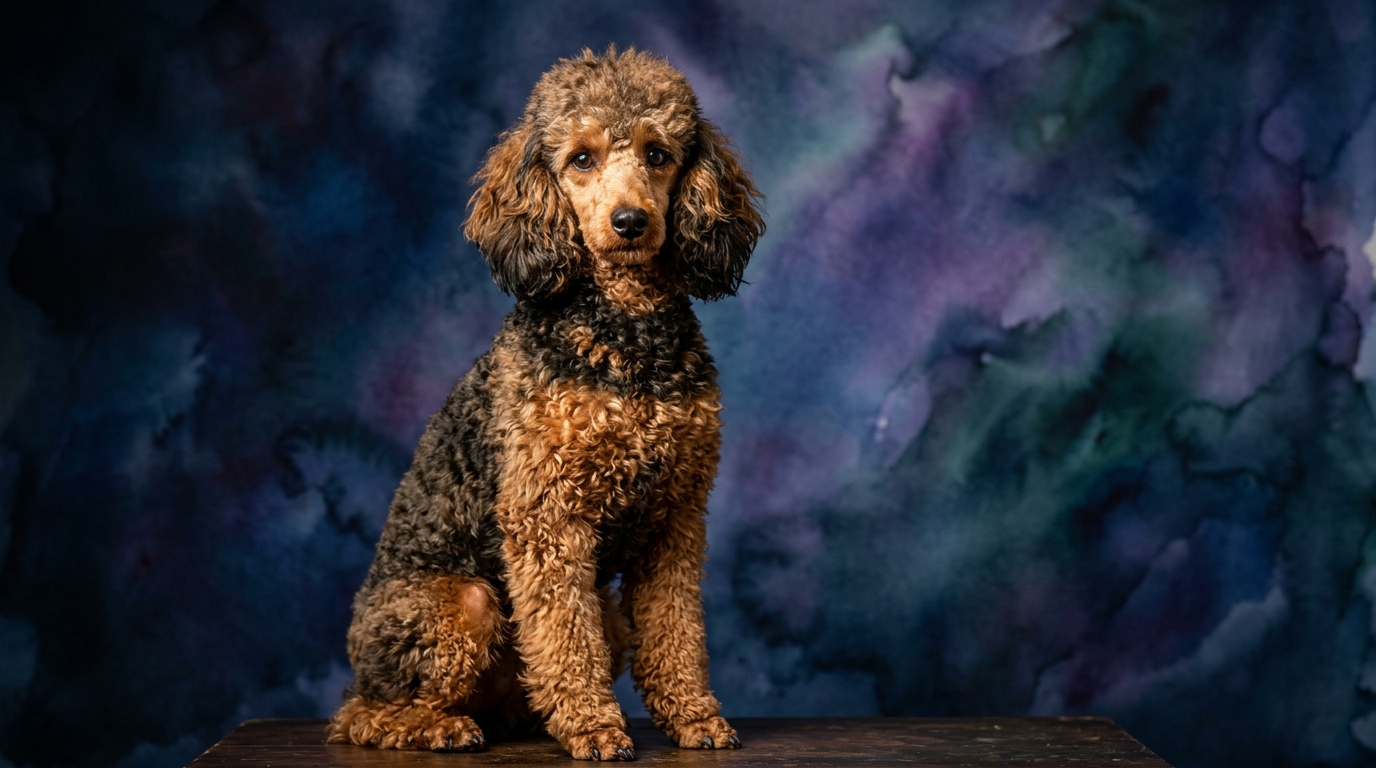
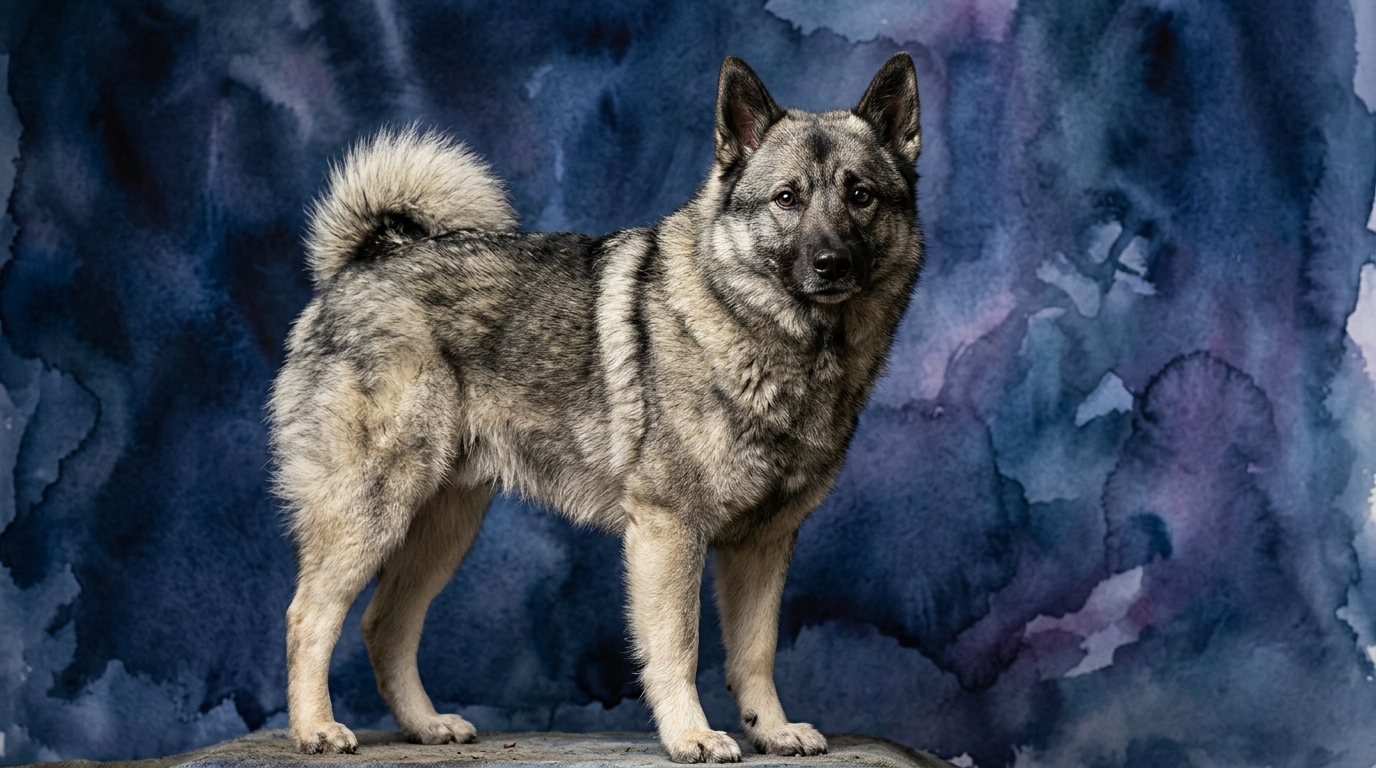
The Cosmic Pet Pet IQ Profile: Poodle (Standard) vs. Norwegian Elkhound
The Poodle (Standard), ranked #2 on the Coren intelligence scale, presents an impressive cognitive profile across the board. Its Problem Solving score of 5/5 indicates an exceptional ability to navigate complex tasks, figure out novel solutions, and adapt strategies beyond mere rote learning. They don't just learn routines; they understand underlying concepts, making them adept at various mental challenges. Training Speed, also at 5/5, highlights their remarkable alacrity in processing new commands and behaviors, often requiring significantly fewer repetitions than most breeds. This eagerness to engage mentally translates into rapid acquisition of skills. Social Intelligence, another perfect 5/5, reveals a profound attunement to human cues, emotional states, and the intricate social dynamics within a household, allowing them to communicate their needs and understand subtle interactions with great precision. Their Instinctive Drive, rated 4/5, points to a well-developed set of natural talents, including a keen retrieve drive and observational skills, which can be channeled into diverse activities like dog sports or assistance work. Finally, a Memory score of 5/5 signifies outstanding retention of learned behaviors, commands, and specific events or people over extended periods, making retraining rarely necessary.
In contrast, the Norwegian Elkhound, positioned at #36 on the Coren scale, showcases a different, yet equally purposeful, cognitive blueprint. Its Problem Solving score of 4/5 indicates a strong capability for independent thought and finding solutions, particularly in scenarios related to their historical hunting role. They can assess situations and make reasonable choices, though perhaps with less abstract conceptualization than a Poodle. Training Speed, rated 4/5, shows they learn new commands efficiently and absorb information at a good pace. While not as instantaneous in their grasp as a Poodle, they are certainly receptive and capable of mastering a wide range of tasks with consistent guidance. A Social Intelligence score of 3/5 suggests they demonstrate a solid understanding of pack dynamics and human interactions, but might exhibit a more independent streak compared to breeds that prioritize close human collaboration. They form bonds, but perhaps with less overt emotional mirroring. Their Instinctive Drive, also 3/5, is purposeful, driven by their heritage as a hunting dog with a strong prey drive and an instinct for tracking and alerting. This drive, while valuable, can sometimes overshadow direct human instruction if not managed effectively. Lastly, their Memory score of 4/5 indicates strong recall for learned commands and established routines, retaining information reliably and providing a consistent foundation for interaction with their people.
Where the Poodle (Standard) Excels Cognitively
The Poodle (Standard)'s cognitive strengths shine in areas demanding high levels of abstract thought, rapid learning, and deep social reciprocity. Their 5/5 Problem Solving means they can effortlessly figure out complex puzzle toys, adapt quickly to novel training scenarios without explicit instruction, and even devise their own solutions to perceived challenges, like opening latches. This breed's unparalleled 5/5 Social Intelligence allows them to read human emotions, anticipate needs, and respond with remarkable empathy, making them exceptional candidates for therapy or service work where nuanced interaction is vital. Furthermore, their perfect scores in Training Speed and Memory mean they master complex obedience routines, agility courses, or advanced tricks with fewer repetitions than nearly any other breed and retain that knowledge for life. Their capacity for cognitive flexibility and emotional synchronicity truly sets them apart, allowing them to integrate seamlessly into human lives as highly collaborative partners.
Where the Norwegian Elkhound Demonstrates Unique Cognitive Strengths
The Norwegian Elkhound's cognitive victories are rooted in their self-reliance and environmental mastery, honed over centuries of working in challenging conditions. Their 4/5 Problem Solving, while not as abstract as the Poodle's, translates into superior practical intelligence in natural environments. They excel at navigating challenging terrain, tracking subtle scents over long distances, and making independent decisions in the field without constant human input. This isn't about solving human-designed puzzles, but about survival-oriented intelligence. Their Instinctive Drive, though rated 3/5, is a focused and persistent asset, enabling them to concentrate on a task like tracking for extended periods, overcoming obstacles through sheer determination. This drive is a powerful tool for specific working roles. Moreover, their environmental awareness, a facet of their practical intelligence, means their sensory perception and ability to interpret their surroundings for relevant information – such as scent trails, changes in wind, or distant sounds – are highly refined, making them superb companions for wilderness exploration.
Ease of Training: Poodle vs. Elkhound Behavioral Differences
When it comes to ease of training, the Poodle (Standard) is a clear frontrunner. Their 5/5 Training Speed, combined with 5/5 Social Intelligence and 5/5 Problem Solving, creates a dog that is not only eager to please but also exceptionally quick to comprehend and execute commands. They actively seek to understand what is desired, often anticipating cues and generalizing learned behaviors to new situations with remarkable ease. Their high social attunement means they respond well to positive reinforcement and thrive on collaborative learning, making training sessions engaging and highly productive. Once a Poodle learns a command, their 5/5 Memory ensures it is retained reliably, requiring minimal refreshers.
The Norwegian Elkhound, while certainly trainable with a 4/5 Training Speed, requires a different approach due to their independent nature and strong instinctive drives. Their 3/5 Social Intelligence means they might not be as overtly eager to please or as sensitive to subtle human cues as a Poodle. Their 3/5 Instinctive Drive, rooted in their hunting heritage, means they can be easily distracted by compelling scents or sights, potentially prioritizing an interesting trail over immediate compliance. Training an Elkhound demands consistency, clear boundaries, and motivation that appeals to their inherent working nature, perhaps incorporating scent games or activities that satisfy their drive. Patience and a deep understanding of their hound mentality – their tendency to think for themselves – are crucial for successful training, as they may question commands or require a stronger incentive to comply.
Matching Canine Companions to Owner Lifestyles
For active owners, both breeds can be suitable, but they cater to different types of activity. The Poodle (Standard) thrives with owners who enjoy structured activities and mental challenges. They are excellent partners for advanced dog sports like agility, obedience, rally, and dock diving, as well as complex trick training or even assistance work. Their substantial mental and physical needs mean they flourish with consistent engagement, making them ideal for individuals who want a highly collaborative and versatile canine athlete or intellectual companion. A 'relaxed' owner for a Poodle still needs to be an engaging owner, providing ample mental stimulation and structured play to prevent boredom or potential destructive behaviors.
The Norwegian Elkhound is also an excellent fit for active owners, particularly those who appreciate outdoor adventures and a more self-reliant partner. They are ideal companions for hiking, long walks in varied terrain, scent work, and even canicross, thanks to their considerable stamina and endurance. Their inherent drive and need for exploration mean they thrive when given consistent physical outlets that satisfy their tracking and working instincts. For more relaxed owners, the Elkhound is generally not a good match. Their persistent drive and need for purposeful activity will likely lead to frustration, destructive behaviors, or escape attempts if not adequately exercised and mentally stimulated with appropriate outdoor activities that tap into their breed heritage.
The Verdict
Choose the Poodle (Standard) if you seek a highly collaborative, adaptable companion who excels in advanced training, dog sports, and deep emotional connection, appreciating a dog that actively participates in problem-solving and thrives on mental engagement.
Choose the Norwegian Elkhound if you appreciate an independent, robust companion for outdoor adventures, scent work, and a more self-reliant partner, understanding their need for consistent exercise and a clear, fair leadership approach.
🧠 Find Your Pet's IQ Score
Our Pet IQ Lab assessment covers 25+ tests across 5 cognitive dimensions — personalized to your breed.
Take the Full IQ Test →Frequently Asked Questions
How does the Coren rank relate to The Cosmic Pet Pet IQ Lab scores?
The Coren rank provides a general measure of working and obedience intelligence, often reflecting trainability and comprehension. The Cosmic Pet Pet IQ Lab scores offer a more granular breakdown, dissecting intelligence into specific dimensions like problem solving, social intelligence, and memory, giving a detailed view of a breed's cognitive strengths beyond general obedience.
Can a Norwegian Elkhound be a good family dog despite a lower social intelligence score?
Yes, a Norwegian Elkhound can be a wonderful family dog with proper socialization from a young age and an understanding of their independent nature. While they may not exhibit the same overt emotional synchronicity as a Poodle, they form strong bonds with their families and can be very loyal and protective companions, especially appreciating active participation in family outings.
Do Standard Poodles require a lot of grooming?
Yes, Standard Poodles require significant regular grooming to maintain their non-shedding, curly coats, typically needing professional grooming every 4-6 weeks and daily brushing to prevent matting. This grooming commitment is essential for their health and comfort, regardless of whether they are kept in a show clip or a simpler pet trim.