
Side-by-Side IQ Profile
The Cosmic Pet Pet IQ Lab employs a multi-dimensional framework to assess canine intelligence, moving beyond simple obedience scores to evaluate problem-solving, training speed, social intelligence, instinctive drive, and memory. For the Border Terrier, a breed with a Coren rank of #30, its cognitive profile paints a picture of rugged resourcefulness. Their Problem Solving is rated at 4/5, indicating a strong capacity to navigate complex environments and devise solutions with determined spirit. Training Speed also sits at 4/5; they grasp commands efficiently, though their independent streak often means compliance is a negotiation. Social Intelligence is 3/5, suggesting deep bonds with their inner circle but reservation with outsiders. An Instinctive Drive of 3/5 points to their inherent prey drive and curiosity, a moderated echo of their historical purpose. Finally, their Memory at 4/5 ensures they retain lessons, routines, and experiences effectively.
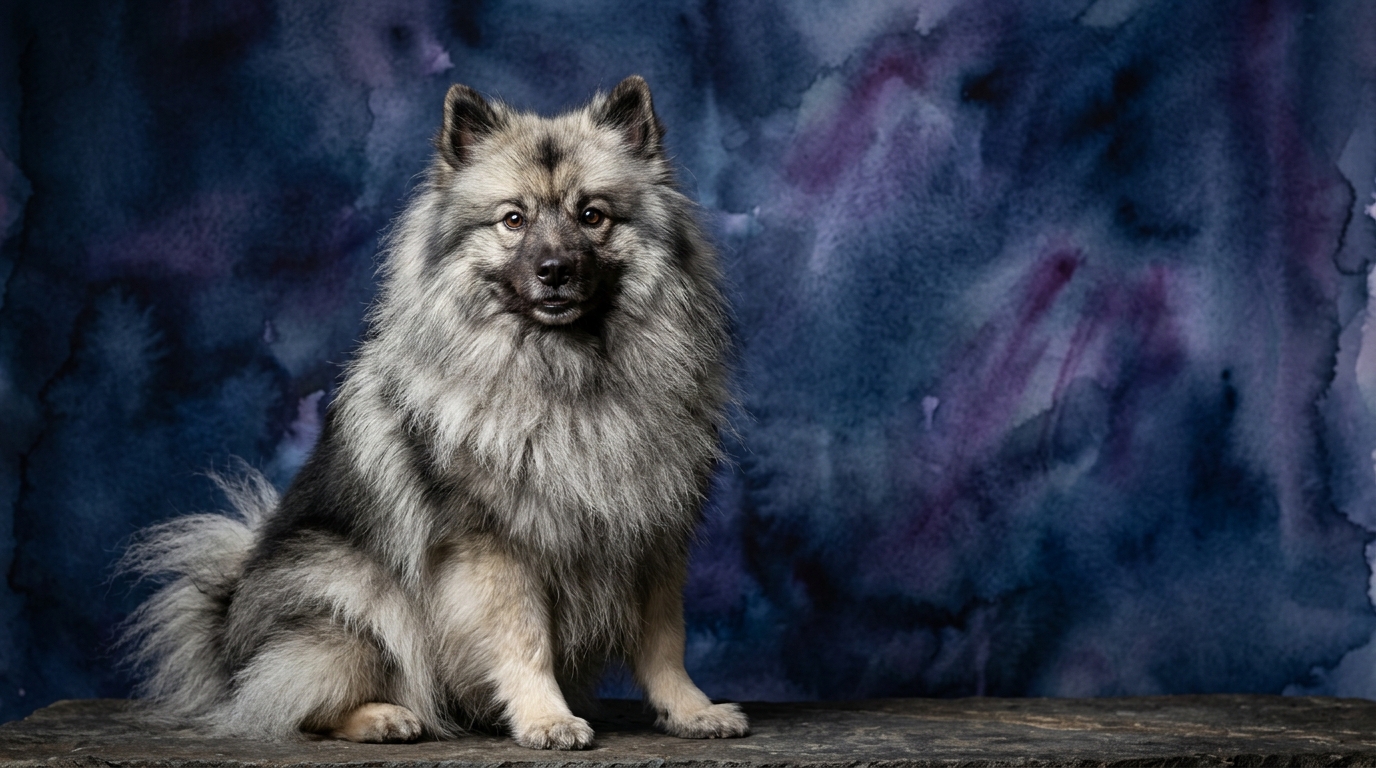
In contrast, the Keeshond, boasting an impressive Coren rank of #16, presents a cognitive profile emphasizing attentiveness and retention. Their Problem Solving, also rated at 4/5, demonstrates a similar capacity for analytical thought, often expressed through keen observation and strategic approaches. Training Speed matches the Border Terrier at 4/5, highlighting quick uptake of new information and eagerness to learn. Social Intelligence is rated 3/5, signifying a friendly and engaging demeanor with family, while maintaining a discerning approach to strangers. Their Instinctive Drive, also 3/5, manifests as a strong inclination for observation and alerting. The standout feature for the Keeshond is its Memory, scoring a perfect 5/5, indicating an exceptional ability to recall commands, routines, people, and past events with remarkable accuracy and longevity.
Where Border Terrier Wins Cognitively
The Border Terrier truly shines in cognitive scenarios demanding tenacity and independent problem-solving. Their 4/5 problem-solving score, combined with their inherent terrier grit, means they excel at tasks that might frustrate a less persistent breed. Imagine a complex puzzle toy requiring multiple steps or an obscure scent trail; the Border Terrier is less likely to give up, instead applying sustained effort and trying various approaches until a solution is found. This resourcefulness extends to navigating tricky physical environments, leveraging their sharp wits to overcome obstacles rather than waiting for human intervention. Their historical role as earth dogs, requiring them to think on their paws in confined spaces, has ingrained a cognitive flexibility that allows them to adapt quickly and creatively to new challenges, often finding unconventional but effective solutions. This determined independence, while sometimes a training challenge, is a significant cognitive asset when faced with novel, self-directed tasks.
Where Keeshond Wins Cognitively
The Keeshond's cognitive superiority is most evident in its exceptional memory, scoring a perfect 5/5, a distinct advantage over the Border Terrier's 4/5. This translates into unparalleled retention of commands, routines, and social cues. A Keeshond is less likely to "forget" a lesson learned weeks or months ago, making reinforcement often a matter of gentle reminders rather than re-teaching. This robust memory also extends to recognizing people and anticipating daily events, contributing to their reputation as intuitive companions. Furthermore, their cognitive strength lies in their observational intelligence. As a historical watchdog, the Keeshond's keen awareness of their surroundings and ability to discern subtle changes in their environment is a form of problem-solving centered on vigilance and early detection, a nuanced cognitive skill that serves their companion role admirably. Their readiness to absorb and apply information, bolstered by their memory, makes them highly responsive to consistent human interaction and training.
Which is Easier to Train and Why
While both breeds share an impressive 4/5 rating for Training Speed, indicating a rapid ability to learn new commands, the Keeshond generally presents as the easier breed to train due to nuanced behavioral differences. The Keeshond's 5/5 memory score is a powerful asset; they not only learn quickly but retain that knowledge with remarkable consistency, reducing the need for repetitive re-teaching. Their historical role as companion watchdogs has also fostered a strong desire to please and cooperate, making them highly motivated by positive reinforcement and social interaction. They thrive on collaborative learning and readily generalize commands.
The Border Terrier, despite its equally quick learning pace, often brings an independent streak to the training process. Their 3/5 instinctive drive, coupled with their tenacious problem-solving, means they might weigh the immediate reward of a command against a more interesting environmental stimulus. While they understand what is asked, their terrier pragmatism might lead them to question the *value* of compliance. Training a Border Terrier requires consistent engagement, making the activity intrinsically rewarding, and demonstrating clear benefits to their intelligent, but often self-directed, mind. Therefore, the Keeshond's superior memory and inherent cooperative nature often lead to a smoother, more consistently compliant training experience.
Which Suits Active Owners vs Relaxed Owners
For owners seeking a partner for varied and vigorous activities, the Border Terrier is an excellent choice. Their spirited nature, combined with their 3/5 instinctive drive and 4/5 problem-solving, means they thrive on consistent physical and mental stimulation. They enjoy long, engaging walks, dog sports like agility, and complex puzzle toys that challenge their tenacious minds. An active owner who enjoys outdoor adventures and can channel their terrier's considerable energy and curiosity will find a devoted and engaging companion. They need their minds occupied to prevent boredom-driven behaviors.
The Keeshond, while certainly enjoying activity, often suits owners with a more balanced lifestyle. Their social intelligence (3/5) and strong memory (5/5) mean they are deeply content being a central part of their family's daily life, thriving on companionship and interaction. They enjoy regular walks, playful sessions, and mental enrichment. Their exercise needs are generally less intense, adapting well to various home environments with consistent attention. Owners who value a close-bonding, perceptive dog happy to share in both active outings and relaxed home moments will find the Keeshond a delightful and adaptable family member.
The Verdict
If you admire an independent thinker with tenacious problem-solving skills, and you're prepared to engage a spirited companion in varied physical and mental challenges, the Border Terrier is your match.
If you seek a companion with exceptional memory, a strong desire to please, and a keen observational intellect, thriving on close family bonds and consistent, positive interaction, the Keeshond will be a delightful addition.
🧠 Find Your Pet's IQ Score
Our Pet IQ Lab assessment covers 25+ tests across 5 cognitive dimensions — personalized to your breed.
Take the Full IQ Test →Frequently Asked Questions
Do Border Terriers or Keeshonden bark a lot?
Border Terriers can be vocal, especially when alerting to perceived threats or expressing excitement, often using a distinct terrier bark. Keeshonden are historically watchdogs, so they are prone to barking to alert their family to approaching strangers or unusual sounds, but they are not typically incessant barkers.
Are Border Terriers good with children?
Border Terriers can be excellent family dogs, often forming strong bonds with children, especially if raised together and socialized early. Their sturdy nature makes them tolerant, but supervision is always recommended due to their spirited energy and potential for prey drive towards very small, fast-moving objects.
How much grooming do Keeshonden require?
Keeshonden possess a thick, double coat that requires regular grooming to prevent matting and manage shedding. Weekly brushing, with more frequent sessions during seasonal shedding periods, is essential to maintain their coat's health and appearance.