Side-by-Side Cognitive Profiles: A Detailed Look
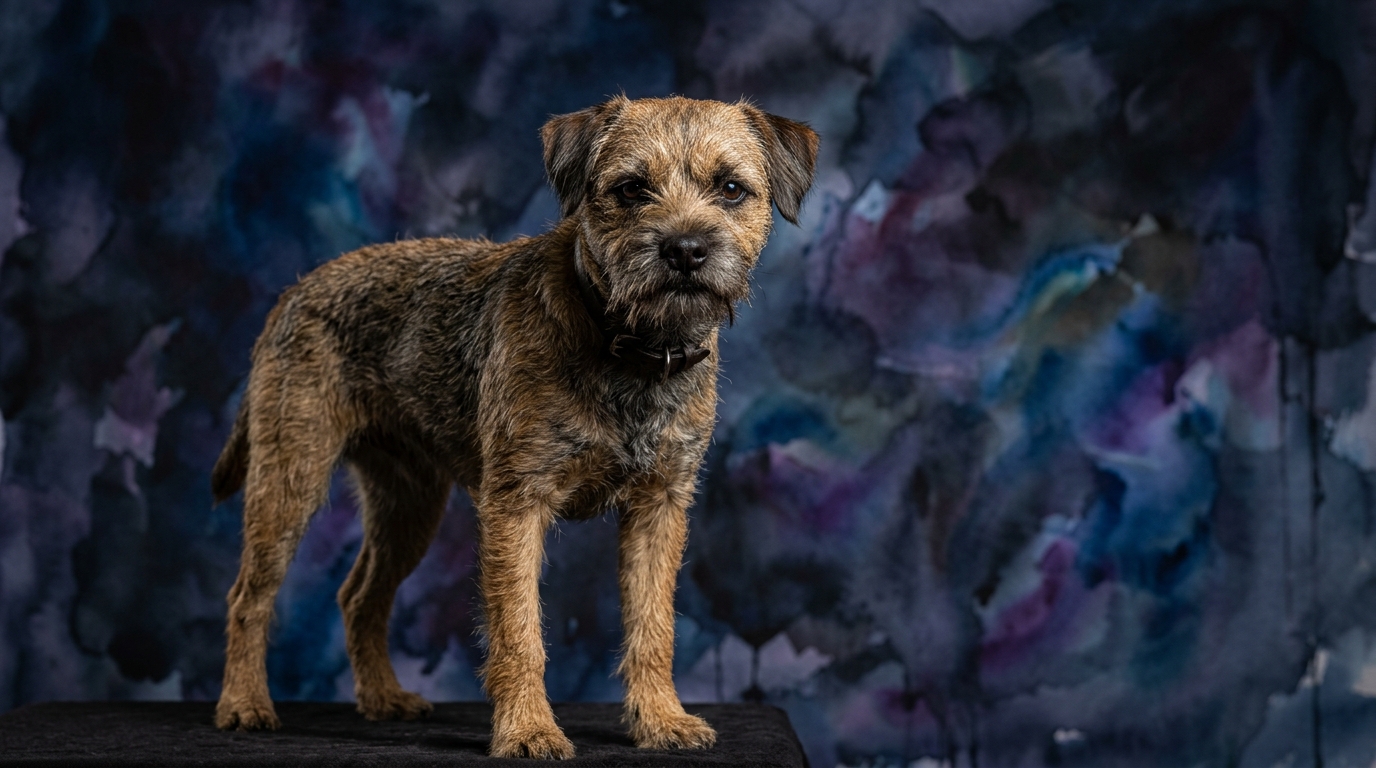
The Cosmic Pet Pet IQ Lab employs a five-dimensional framework to assess canine intelligence, moving beyond conventional measures to capture the full spectrum of a dog's cognitive abilities. For the Border Terrier, a breed historically tasked with going to ground after vermin, their profile reflects a need for sharp wits and independent action. Their Problem Solving is rated at 4/5, indicating a strong capacity for figuring out novel situations and overcoming obstacles, a trait essential for an independent hunter. Training Speed also scores 4/5, suggesting they are quick to grasp new commands and routines, often eager to engage in learning when motivated. Social Intelligence stands at 3/5, meaning they possess a moderate understanding of human and canine social cues, though their independent nature might sometimes overshadow their desire to please. Instinctive Drive, at 3/5, points to a moderate but present prey drive and an inclination towards their traditional terrier tasks, such as digging. Finally, their Memory is strong at 4/5, enabling them to retain complex sequences, learned behaviors, and familiar faces with notable accuracy.
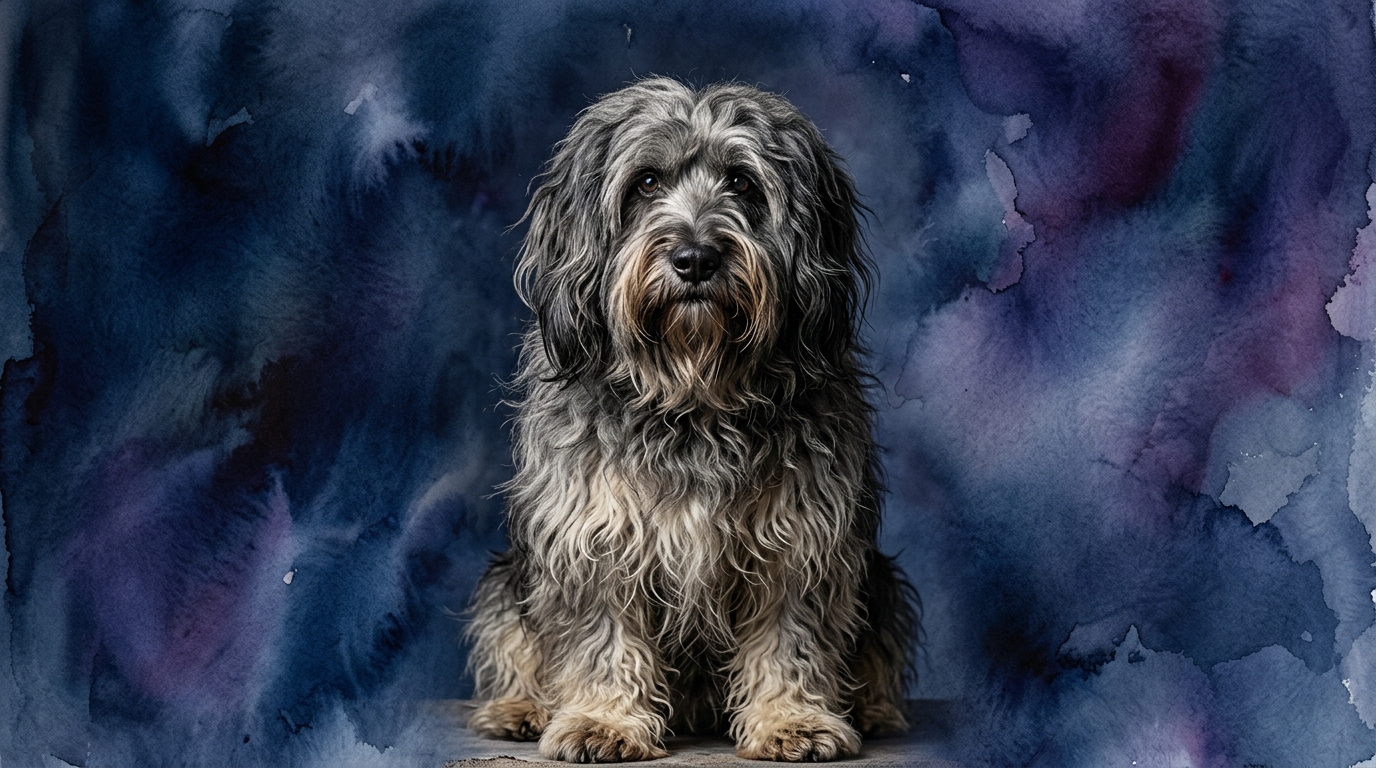
In contrast, the Polish Lowland Sheepdog, a herding breed originating from the plains of Poland, presents a cognitive profile suited for watchful guardianship and flock management. Their Problem Solving is rated 3/5, indicating a capable but perhaps more deliberate approach to new challenges compared to the Border Terrier's quick ingenuity. Training Speed also scores 3/5, suggesting they are steady learners who require consistent, clear instruction to master new skills. Their Social Intelligence matches the Border Terrier at 3/5; they are observant and can read situations well, but their natural reserve might make them appear less overtly demonstrative. Instinctive Drive, also 3/5, is channeled towards their herding and guarding instincts, manifesting as vigilance and a desire to keep their 'flock' (family) together. Their Memory is rated 3/5, meaning they retain important information and routines, but perhaps not with the same breadth or detail as the Border Terrier, focusing more on established patterns and significant events within their environment.
Where the Border Terrier's Mind Shines Brightest
The Border Terrier truly excels in areas demanding quick wit and independent thought, a direct reflection of their 4/5 Problem Solving and Training Speed scores. Their cognitive strength lies in their remarkable resourcefulness; when faced with a puzzle, whether it's figuring out how to open a gate or locating a hidden treat, they often employ creative and persistent strategies. This isn't just about raw processing power, but a drive to actively engage with and manipulate their environment to achieve a goal. Their superior Training Speed means they absorb new commands and behaviors with impressive alacrity, making them receptive to varied training regimens, from agility to scent work. This rapid learning curve is supported by their 4/5 Memory, allowing them to recall complex sequences and past experiences, which is invaluable for building upon learned skills. They remember specific routes, intricate command chains, and even the subtle cues of their handlers, enabling them to execute tasks with precision and reliability. This combination of swift learning and robust memory contributes to a dog that can master a wide repertoire of behaviors and adapt quickly to changing expectations, provided their independent spirit is channeled appropriately.
The Unique Cognitive Strengths of the Polish Lowland Sheepdog
While the Polish Lowland Sheepdog's scores might appear slightly lower in some dimensions, their cognitive profile is perfectly attuned to their historical role and presents unique strengths. Their 3/5 Problem Solving, though not as rapid as the Border Terrier's, is often characterized by a more deliberate and observant approach. They are less about impulsive action and more about assessing a situation, often employing spatial reasoning and pattern recognition, crucial for a herding dog tasked with managing livestock. Their 3/5 Social Intelligence, while equal to the Border Terrier, manifests differently; it's less about playful interaction and more about a keen awareness of their family's dynamics and potential external threats. They are highly observant of their environment and the people within it, demonstrating a nuanced understanding of social boundaries and emotional states, which contributes to their protective nature. Furthermore, their 3/5 Instinctive Drive is a finely tuned system for vigilance and guardianship, not just for a flock but for their human family. This drive, combined with their memory (3/5) for routines and familiar patterns, means they are adept at maintaining order and safety, remembering who belongs and when something is out of place. Their intelligence is thus geared towards stable, reliable management and protection, rather than the quick, opportunistic problem-solving of a terrier.
Training Dynamics: Which Breed Learns with More Ease?
When considering ease of training, the Border Terrier (Training Speed 4/5) generally presents a smoother path for an experienced owner compared to the Polish Lowland Sheepdog (Training Speed 3/5). The Border Terrier's quicker grasp of concepts and superior memory means they often pick up new commands within fewer repetitions. Their eagerness to engage and their drive to figure things out can make training sessions dynamic and rewarding. However, their independent problem-solving and moderate instinctive drive (3/5) can sometimes translate into a stubborn streak, requiring an owner who can make training engaging and demonstrate clear value in cooperation. They might test boundaries, but once motivated, they learn rapidly and retain information effectively, allowing for progression to more complex tasks quickly.
The Polish Lowland Sheepdog, with its 3/5 Training Speed, requires a more patient and consistent approach. They are certainly capable learners, but they tend to be more thoughtful and less impulsive in their responses. Their herding background means they appreciate clear structure and purpose in commands; they might question a command if they don't perceive its logical necessity or if it seems arbitrary. This isn't stubbornness in the terrier sense, but rather a deliberate processing of information. Owners will find success with positive reinforcement, short, engaging sessions, and a consistent routine. While they might take longer to generalize a command, once learned, it is often deeply ingrained. Their watchful nature also means they are highly attuned to their handler's body language and tone, which can be leveraged in training, but they won't rush into compliance without understanding.
Matching Canine Minds to Owner Lifestyles: Active vs. Relaxed
For active owners seeking a canine partner for adventures and mental challenges, the Border Terrier is a compelling choice. Their 4/5 Problem Solving and 4/5 Training Speed mean they thrive on engagement that stimulates both their body and their mind. They are natural explorers, enjoying long walks, hikes, and opportunities for scent work or earthdog trials that tap into their instinctive drive (3/5). A relaxed owner might find a Border Terrier bored and potentially destructive, as their need for mental and physical exertion is significant. They require consistent outlets for their energy and ingenuity to prevent them from creating their own 'fun,' which can include digging or chasing small critters. Their robust memory also means they benefit from learning new tricks and participating in dog sports that keep their intellect sharp.
The Polish Lowland Sheepdog, while not a couch potato, suits owners who appreciate a more purposeful, routine-oriented activity level. Their herding background means they benefit from having a 'job,' whether it's accompanying you on a consistent daily walk, participating in herding games, or even just being a vigilant companion around the house. Their 3/5 Instinctive Drive is channeled into watchful guardianship, making them excellent companions for owners who appreciate a dog with a strong sense of responsibility and observation. A truly relaxed owner might struggle with their need for mental engagement through routine and structure, but they are generally less frantic than a Border Terrier. They are content with consistent interaction and purposeful walks, rather than needing constant, high-octane adventure. Owners who enjoy teaching new tasks and reinforcing established routines will find a rewarding partnership with this thoughtful breed.
The Verdict
Choose the Border Terrier if you seek a quick-witted, independent problem-solver eager for varied training and active adventures, appreciating a dog that learns and remembers with impressive speed.
Opt for the Polish Lowland Sheepdog if you value a watchful, observant companion who thrives on consistent routines, purposeful engagement, and a deliberate approach to learning, offering steadfast loyalty.
🧠 Find Your Pet's IQ Score
Our Pet IQ Lab assessment covers 25+ tests across 5 cognitive dimensions — personalized to your breed.
Take the Full IQ Test →Frequently Asked Questions
How do their problem-solving styles fundamentally differ?
The Border Terrier's problem-solving (4/5) is often characterized by quick, ingenious, and independent action, typical of a hunter who needs to adapt rapidly to changing situations. The Polish Lowland Sheepdog's problem-solving (3/5) tends to be more deliberate and observational, relying on spatial awareness and pattern recognition, reflecting their role as a strategic herding and guarding dog.
What training approach works best for each breed?
For the Border Terrier, engaging, varied training with positive reinforcement that taps into their problem-solving and prey drive works best, leveraging their quick learning and memory. The Polish Lowland Sheepdog thrives on consistent, clear, and patient training with positive reinforcement, where commands have a logical purpose, building on their steady learning and observant nature.
Are these breeds suitable for first-time dog owners?
Both breeds can be challenging for first-time owners without prior research and commitment. The Border Terrier's independence and high energy require consistent training and management. The Polish Lowland Sheepdog's watchful nature and need for consistent structure benefit from an owner experienced in understanding canine communication and providing clear leadership.