
Side-by-Side Cognitive Profiles
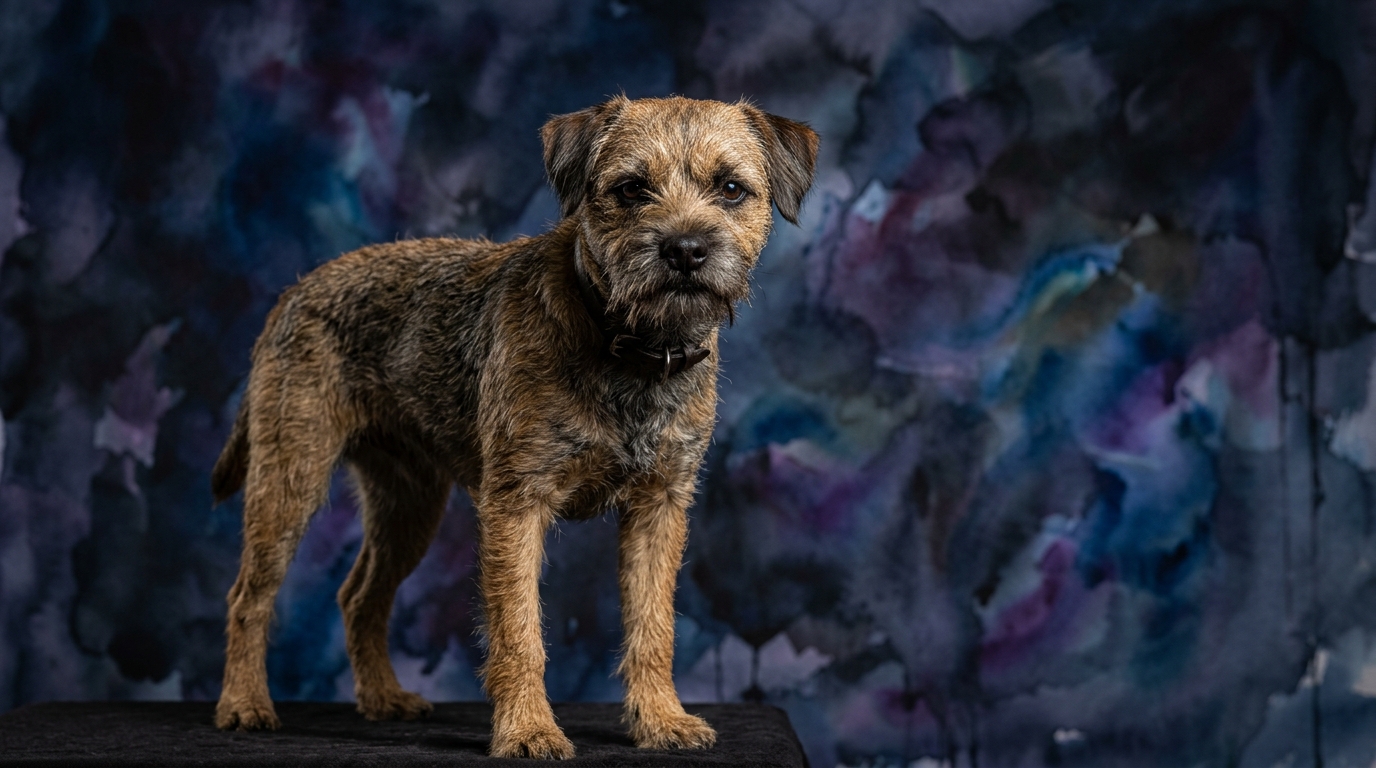
The Cosmic Pet Pet IQ Lab employs a five-dimensional framework to assess canine intelligence, offering a nuanced view beyond simple obedience. For the Border Terrier, ranked #30 on Coren's scale, their profile stands at: Problem Solving 4/5, Training Speed 4/5, Social Intelligence 3/5, Instinctive Drive 3/5, and Memory 4/5. This suggests a dog that is quick to understand, retain, and apply information, often with a self-directed purpose.
In contrast, the Tibetan Terrier, positioned at #63 on Coren's scale, presents a different cognitive signature: Problem Solving 3/5, Training Speed 3/5, Social Intelligence 3/5, Instinctive Drive 3/5, and Memory 3/5. While still capable and engaging, these scores indicate a learning style that might be more deliberate, less driven by immediate task mastery, and perhaps more attuned to a specific kind of partnership.
Breaking down these dimensions, Problem Solving gauges a dog's capacity to navigate novel situations or overcome obstacles independently. A 4/5 for the Border Terrier means they are adept at devising solutions, whether it's figuring out how to open a cabinet or locate a hidden treat. The Tibetan Terrier's 3/5 indicates they are capable problem-solvers but might prefer a more collaborative approach or require a bit more time to process and strategize.
Training Speed reflects how quickly a dog grasps and executes new commands. The Border Terrier's 4/5 signifies a rapid uptake of new behaviors, often needing fewer repetitions. The Tibetan Terrier's 3/5 suggests they learn effectively, but may require more consistent reinforcement and varied training methods to maintain engagement, reflecting a more independent spirit.
Social Intelligence, rated 3/5 for both breeds, measures their ability to understand and respond appropriately to human cues and social contexts. This shared score indicates both breeds are generally perceptive to their human companions' moods and intentions, capable of forming strong bonds and adapting their behavior to social situations. Neither is overtly deferential, but both are generally well-attuned.
Instinctive Drive, also 3/5 for both, reflects inherent motivations like chasing, retrieving, or guarding. For the Border Terrier, this manifests in their classic terrier drive for digging and pursuing small prey. For the Tibetan Terrier, it might be expressed as a natural watchfulness or a desire to patrol their territory. Both breeds possess drives that need appropriate outlets but are generally manageable.
Finally, Memory, at 4/5 for the Border Terrier, points to an excellent capacity for remembering commands, routines, and past experiences, contributing to their quick learning. The Tibetan Terrier's 3/5 in Memory means they certainly remember, but perhaps not with the same immediate recall or long-term retention of every single detail, suggesting that consistent practice is particularly beneficial for them.
Where the Border Terrier's Cognition Shines
The Border Terrier truly excels in scenarios demanding quick wit, independent problem-solving, and efficient learning. Their 4/5 Problem Solving score means they are less likely to wait for human intervention when faced with a challenge, preferring to experiment and find their own way. This makes them formidable partners in dog sports like agility or earthdog trials, where navigating complex courses or finding hidden 'quarry' requires self-reliance and strategic thinking.
Their 4/5 Training Speed and Memory further amplify this advantage. A Border Terrier can pick up complex command sequences or learn new tricks with impressive alacrity, often retaining them after minimal practice. This cognitive efficiency means they can progress rapidly through training levels, mastering advanced behaviors that might take other breeds significantly longer. Owners who enjoy the process of teaching and refining intricate behaviors will find the Border Terrier's cognitive prowess highly rewarding, as they thrive on mental engagement and the satisfaction of a challenge met.
Understanding the Tibetan Terrier's Unique Cognitive Strengths
While their scores may be numerically lower in some areas, the Tibetan Terrier's cognitive profile reflects a different, equally valuable set of strengths. Their 3/5 in Problem Solving often translates into a more discerning and less impulsive approach. Rather than immediately diving into a solution, they might observe, process, and consider options, sometimes seeking human partnership in the process. This can result in a dog that is less prone to creating 'self-made' problems by constantly testing boundaries or devising elaborate schemes for mischief.
The Tibetan Terrier's shared 3/5 Social Intelligence score, combined with their history as temple companions, suggests a profound capacity for nuanced social interaction. They are perceptive and empathetic, often forming deep, intuitive bonds with their families. This isn't about rapid obedience but about a sensitive understanding of human emotions and household dynamics, making them exceptional emotional support animals or companions who offer quiet, attentive presence. Their cognitive strength lies in their ability to be a thoughtful, adaptable presence, valuing connection over constant task performance.
Training Dynamics: Border Terrier vs. Tibetan Terrier
When considering ease of training, the Border Terrier (Training Speed 4/5, Memory 4/5) generally presents a more straightforward experience for many owners. Their eagerness to learn, coupled with their excellent retention, means they can quickly pick up basic obedience and progress to more advanced tasks. They often respond well to positive reinforcement methods, showing enthusiasm for work and a desire to engage with their handler. Their inherent drive to 'do' something means that consistent, engaging training sessions keep them mentally satisfied.
The Tibetan Terrier (Training Speed 3/5, Memory 3/5), while certainly trainable, may require a more patient and creative approach. Their independence means they might question the 'why' behind a command or decide if it's worth their effort, rather than simply complying. This isn't a lack of ability but a difference in motivation; they learn best when training is varied, fun, and feels like a collaboration rather than a drill. Owners might find success by incorporating games and positive reinforcement heavily, understanding that consistent repetition and a strong, trusting relationship are key to unlocking their full learning potential. Their slightly lower memory score also implies that refreshers and regular practice are more beneficial for long-term retention.
Lifestyle Suitability: Active Adventurers vs. Thoughtful Companions
The cognitive profiles of these two breeds naturally align with different owner lifestyles. The Border Terrier, with its higher problem-solving aptitude and training speed, thrives with active owners who can provide consistent mental and physical stimulation. They are ideal for individuals or families who enjoy outdoor activities like hiking, running, or dog sports, and who are prepared to channel their dog's considerable intellect into constructive tasks. A Border Terrier left without sufficient engagement can easily become bored and invent its own 'problems' to solve, which might not always align with household rules.
The Tibetan Terrier, while still appreciating activity, often suits a slightly more relaxed or adaptable owner. Their 3/5 scores across several dimensions mean they are less intensely driven to constantly be 'doing' and more content with a balanced routine that includes both play and quiet companionship. They are excellent for owners who value a thoughtful, observant presence and who might prefer a dog that enjoys varied activities but doesn't constantly demand a high-octane schedule. They adapt well to different living situations, provided they receive consistent affection and engagement on their own terms, making them superb companions for those seeking a discerning and devoted partner.
The Verdict
Choose the Border Terrier if you seek an active, quick-witted partner eager to learn complex tasks and participate in dog sports, thriving on consistent mental challenges and a busy lifestyle.
Opt for the Tibetan Terrier if you desire a discerning, adaptable companion who values deep connection, offers a thoughtful presence, and thrives in a balanced home environment where their independent spirit is understood and respected.
🧠 Find Your Pet's IQ Score
Our Pet IQ Lab assessment covers 25+ tests across 5 cognitive dimensions — personalized to your breed.
Take the Full IQ Test →Frequently Asked Questions
Are Border Terriers difficult to manage due to their high problem-solving skills?
Border Terriers are not inherently difficult, but their 4/5 problem-solving means they are adept at figuring things out, sometimes leading to mischief if not properly stimulated. Consistent training and mental challenges are essential to channel their cognitive abilities constructively.
Do Tibetan Terriers need less exercise than Border Terriers?
While Tibetan Terriers are adaptable, they still require regular exercise to stay healthy and happy. They might not need the same intensity or duration of activity as a Border Terrier, but daily walks and playtime are important for their physical and mental well-being.
How do their social intelligence scores (3/5 for both) impact their family life?
A 3/5 social intelligence score for both breeds indicates a good capacity to understand human cues and integrate into family dynamics. They are perceptive and form strong bonds, though the Border Terrier might be more overtly outgoing, while the Tibetan Terrier could be more discerning in their social interactions.