
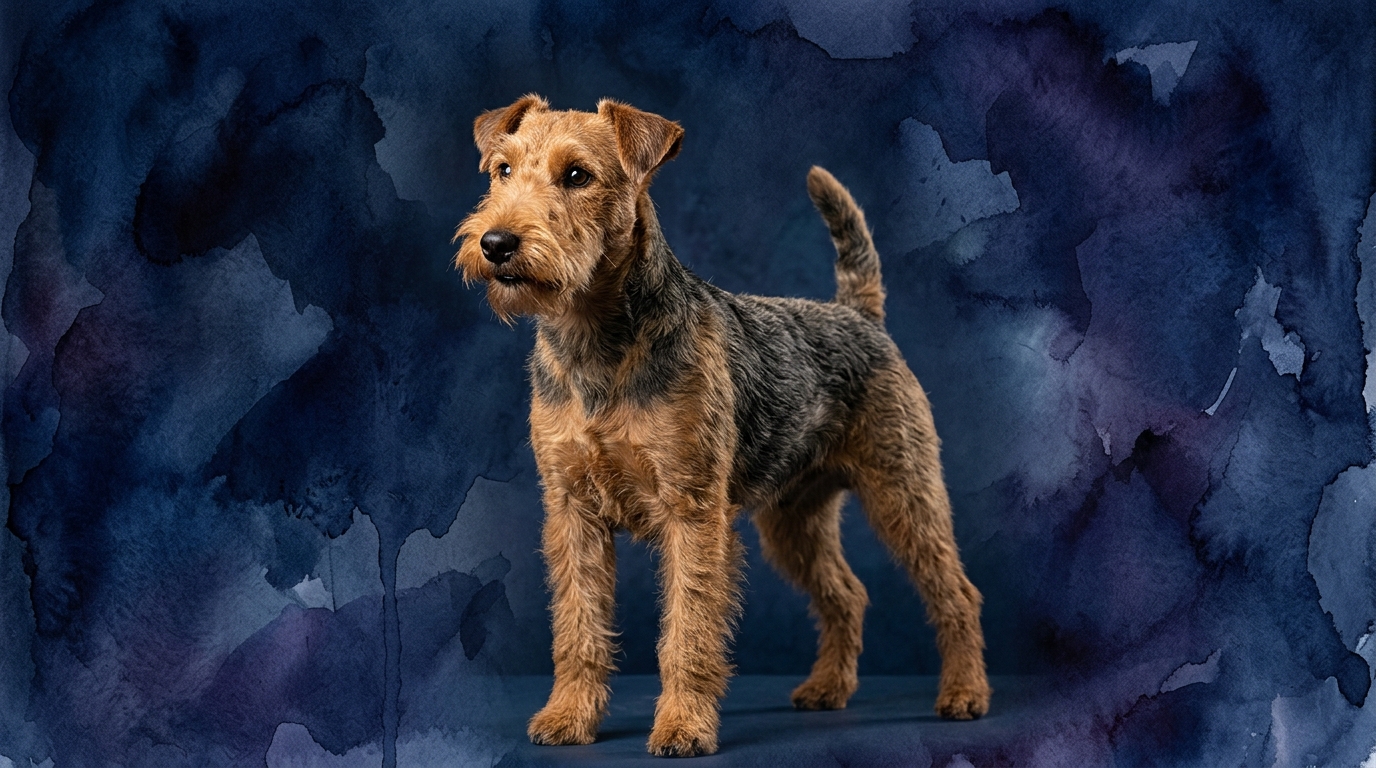
Side-by-Side Cognitive Profiles
The Cosmic Pet Pet IQ Lab categorizes canine intelligence across five critical dimensions: problem solving, training speed, social intelligence, instinctive drive, and memory, offering a granular view beyond generic assessments. For the Border Terrier, a breed acknowledged by Coren's ranking at #30, their cognitive scores paint a picture of a quick-witted and capable companion. They excel with a 4/5 in problem solving, demonstrating a strong aptitude for figuring out complex situations, be it retrieving a hidden toy or navigating an obstacle course. Their training speed also scores an impressive 4/5, meaning they grasp new commands and routines with efficiency, often requiring fewer repetitions to solidify learning. Social intelligence stands at 3/5, indicating they are capable of understanding human cues and social dynamics, though their independent terrier spirit means they may not always prioritize human direction over their own inclinations. An instinctive drive of 3/5 reflects a moderate but focused prey drive, which fuels their engagement with certain tasks but requires consistent management. Finally, their memory is rated 4/5, suggesting a robust ability to recall past lessons, routines, and experiences, contributing significantly to their trainability and adaptability.
The Welsh Terrier, while not included in Coren's traditional ranking, possesses a practical and resilient intelligence, with a consistent score of 3/5 across all five dimensions. Their problem solving at 3/5 indicates a capable approach to challenges, often relying on persistence and determination to achieve their goals, even if their methods are less overtly strategic than some breeds. A training speed of 3/5 means they learn at a steady pace, benefiting greatly from consistent, engaging, and positive reinforcement methods, though they may require more patience and repetition than their Border Terrier counterparts. Their social intelligence, also 3/5, allows them to form strong bonds and understand social structures, but like many terriers, they retain a degree of independence and self-assurance. An instinctive drive of 3/5 highlights their strong, inherent prey drive, a core part of their working heritage that shapes their interactions with the world and demands appropriate outlets. Lastly, their memory, rated 3/5, ensures they retain learned commands and experiences, though consistent reinforcement helps maintain the sharpness of their recall over time.
Where the Border Terrier Cognitively Excels
The Border Terrier's cognitive profile reveals distinct advantages, particularly in areas demanding swift comprehension and retention. Their higher problem-solving score of 4/5 means they are often more adept at analytical tasks, quickly devising solutions to novel situations or complex puzzles, which can manifest as clever ways to access forbidden areas or master intricate tricks. This strategic thinking allows them to learn from experience and adapt their approach more efficiently. Furthermore, their superior training speed (4/5) and memory (4/5) collectively contribute to a quicker learning curve and more reliable recall of commands and routines. This cognitive efficiency translates into training sessions that can progress more rapidly, allowing owners to introduce advanced concepts sooner and with greater confidence in the Border Terrier’s ability to retain and apply what they’ve learned. Their Coren ranking further underscores their capacity for structured learning and obedience.
Where the Welsh Terrier's Cognition Shines
While the Border Terrier edges out in specific quantifiable metrics, the Welsh Terrier's cognitive profile showcases distinct advantages rooted in their tenacious spirit. Their 3/5 for problem-solving, though not always as efficient as the Border's, is consistently fueled by an unwavering determination; a Welsh Terrier might take a less direct route but will often persist until a solution is found, demonstrating a robust, resilient intellect. This persistence, combined with their 3/5 instinctive drive, means they possess an incredibly focused, single-minded approach when pursuing a task or scent, making them supremely effective at their original working purpose. Their social intelligence, also at 3/5, fosters a confident independence, meaning they are less prone to anxiety from over-reliance on human cues and are capable of making their own judgments in novel situations, a cognitive strength for owners who value a self-assured companion.
Ease of Training: Border vs. Welsh
When it comes to ease of training, the Border Terrier generally presents a more straightforward experience due to their higher scores in training speed (4/5) and memory (4/5). They pick up new commands with remarkable alacrity, often needing fewer repetitions to master a behavior. This cognitive quickness means they can generalize learned concepts to new situations more readily, making them excellent candidates for advanced obedience, agility, or other dog sports where precision and rapid response are key. Their problem-solving abilities also mean they can quickly understand what is being asked of them and how to achieve the desired outcome, responding well to positive reinforcement and consistent guidance.
The Welsh Terrier, with its 3/5 scores across the board for problem solving, training speed, and memory, requires a more patient and consistently engaging approach to training. While certainly capable of learning, they may need more repetitions and a greater variety of motivators to solidify new behaviors. Their strong, independent terrier spirit, fueled by their instinctive drive, means they can be more prone to distractions or choosing to follow their own nose over a command if not sufficiently motivated. Training a Welsh Terrier demands creativity, short and fun sessions, and a handler who understands how to channel their tenacity and self-reliance into positive learning experiences, rather than expecting automatic deference.
Matching Breeds to Owner Lifestyles
Neither the Border Terrier nor the Welsh Terrier is suited for a truly relaxed or sedentary owner; both are active, spirited terriers requiring significant physical and mental engagement. However, the *type* of activity they thrive on can differ. The Border Terrier, with its higher cognitive scores in problem solving and training speed, is an excellent match for active owners who enjoy structured activities, advanced training, and dog sports. They flourish when given mental challenges like puzzle toys, learning complex trick sequences, or participating in agility and earthdog trials. Owners who relish the process of teaching and refining behaviors will find the Border Terrier a rewarding partner, eager to learn and apply their intellect.
The Welsh Terrier, while equally active, might appeal to owners whose definition of 'active' leans more towards vigorous outdoor adventures and independent exploration rather than strict obedience drills. Their robust self-reliance and strong instinctive drive make them superb companions for long hikes, extensive sniffy walks, and activities that allow them to utilize their natural hunting instincts. Owners who appreciate a spirited dog that is confident in its own decision-making and are prepared to manage a tenacious personality with consistent, engaging training that respects their independence, will find a devoted companion in the Welsh Terrier. They may be less inclined to repetitive, precise obedience but will enthusiastically engage in activities that tap into their innate drives.
The Verdict
Choose the Border Terrier if you seek a highly trainable, quick-witted companion who excels in structured learning, enjoys puzzle-solving, and thrives on consistent mental engagement, particularly in dog sports or advanced obedience.
Choose the Welsh Terrier if you appreciate a robustly independent, spirited terrier with unwavering determination, valuing their self-reliance and strong natural instincts, and are prepared for consistent, engaging training that respects their tenacious nature.
🧠 Find Your Pet's IQ Score
Our Pet IQ Lab assessment covers 25+ tests across 5 cognitive dimensions — personalized to your breed.
Take the Full IQ Test →Frequently Asked Questions
Are Border Terriers good apartment dogs?
Border Terriers, despite their energy, can adapt to apartment living if they receive sufficient daily exercise and mental stimulation. Their moderate size and desire for companionship make them suitable, provided their needs for walks, play, and training are consistently met.
Do Welsh Terriers get along with other pets?
Welsh Terriers can coexist with other pets, especially if socialized from a young age. However, their strong prey drive (3/5 instinctive drive) means careful introductions and supervision are necessary, particularly with smaller animals, as their instincts can override learned behaviors.
How much exercise does a Border Terrier need daily?
A Border Terrier typically requires at least 60 minutes of vigorous exercise daily, which can include brisk walks, running, play sessions, or engaging in dog sports. Their high cognitive needs also mean mental stimulation through training and puzzles is equally important to prevent boredom.