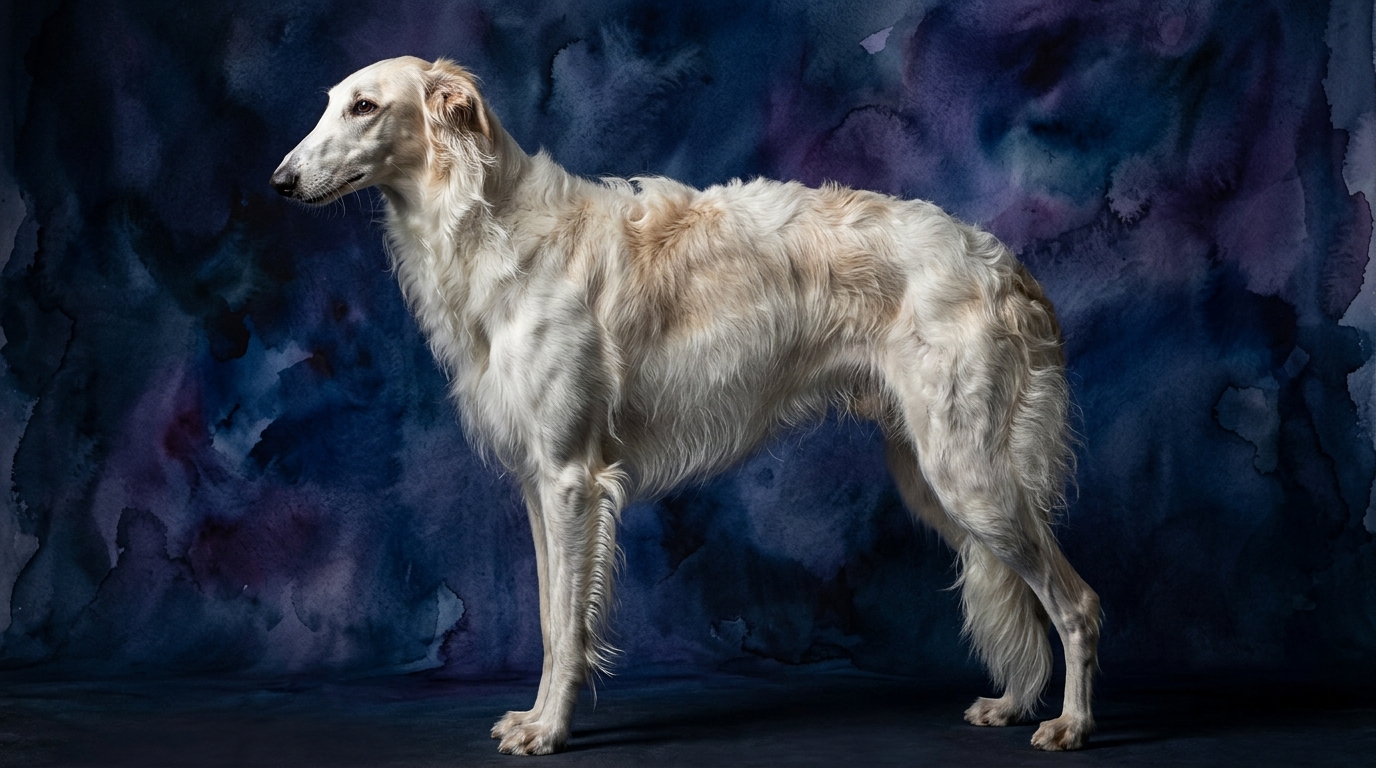
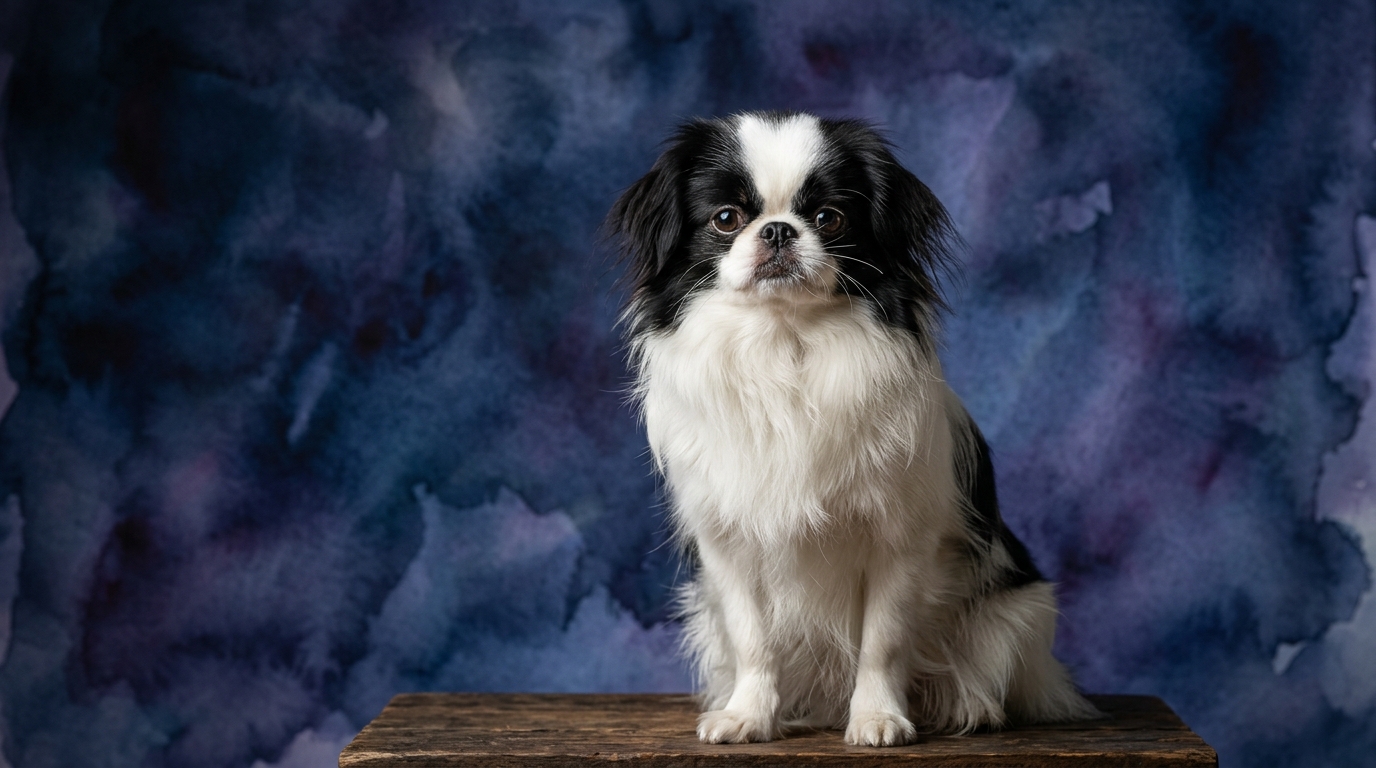
Side-by-Side IQ Profile
For The Cosmic Pet Pet IQ Lab, both the Borzoi and Japanese Chin register a 3/5 across all five cognitive dimensions, indicating a moderate level of ability. However, the application and manifestation of these scores are profoundly shaped by their breed-specific histories and temperaments.
Problem Solving (3/5): For the Borzoi, a 3/5 in problem-solving often relates to their sighthound heritage, where quick, independent decisions were crucial for coursing game. This isn't about complex puzzle toys, but rather their ability to assess a dynamic environment, anticipate the movements of a small animal, or strategize a chase across varied terrain. They can be resourceful in navigating physical obstacles or finding the path of least resistance to their objective, often with a singular focus. The Japanese Chin's 3/5 in problem-solving tends to manifest in a more domestic, social context. They are adept at figuring out how to gain human attention, perhaps by nudging a hand, making specific vocalizations, or strategically positioning themselves for a lap invitation. Their problem-solving might also extend to manipulating their environment to their comfort, such as moving a blanket or finding the warmest sunbeam, demonstrating a nuanced understanding of their immediate surroundings and human behavior.
Training Speed (3/5): A 3/5 training speed for a Borzoi indicates they are capable of learning new commands and routines at a moderate pace. However, their independent sighthound nature means they often need a compelling reason or strong motivation to comply, rather than simply seeking to please. Repetition and positive reinforcement are effective, but consistency is paramount to overcome their innate desire to make their own decisions, especially if a more interesting stimulus (like a squirrel) presents itself. The Japanese Chin also holds a 3/5 in training speed, but their motivation often stems from a desire for interaction and companionship. They can pick up new behaviors and tricks efficiently, particularly when training is framed as a fun, engaging activity that strengthens their bond with their owner. While not always seeking to please in the traditional sense, their sensitivity to human cues and a preference for harmony in their environment can make them receptive to gentle, reward-based training methods.
Social Intelligence (3/5): Borzoi display a 3/5 in social intelligence through their discerning and often reserved interactions. They are not typically effusive with strangers but form deep, loyal bonds with their chosen family members. Their social understanding allows them to read subtle cues within their pack, knowing when to solicit affection and when to maintain a quiet presence. They are generally polite and observant, preferring to assess situations before engaging fully, demonstrating a sophisticated, if understated, social awareness. The Japanese Chin's 3/5 in social intelligence is evident in their profound connection to their human companions. They are highly attuned to emotional states, often acting as sensitive barometers of household moods. They excel at communicating their needs and desires through a variety of vocalizations and body language, and they thrive on reciprocal social engagement. This breed often forms strong attachments, demonstrating an intuitive grasp of social dynamics within their immediate human family, often preferring human company over canine.
Instinctive Drive (3/5): The Borzoi's 3/5 instinctive drive is dominated by their powerful sighthound heritage. This manifests as a strong, ingrained urge to chase anything that moves quickly, an instinct honed over centuries for hunting large game. While manageable with training and secure environments, this drive is a fundamental part of their cognitive makeup, influencing their focus and reactions to their surroundings. This drive isn't just about physical pursuit; it shapes their perception of movement and their swift, decisive responses. For the Japanese Chin, a 3/5 instinctive drive is channeled differently. While they retain some basic canine instincts, their primary drive is often rooted in companionship and comfort. This can manifest as an instinct to be close to their humans, to seek warmth and soft places, or to engage in play that mimics social interactions rather than predatory behaviors. They may exhibit a gentle “chin spin” or other unique behaviors that are instinctual to their breed, often tied to expressing joy or soliciting attention.
Memory (3/5): Borzoi possess a 3/5 memory, allowing them to recall learned commands, routines, and the layout of familiar environments. They can remember specific people and other animals, often holding grudges or preferences based on past interactions. Their memory is particularly keen for areas where they've had successful chases or encountered interesting scents, which aids in their independent navigation and hunting strategies. The Japanese Chin's 3/5 memory is strong in recalling established routines, household rules, and the preferences of their human family members. They remember past interactions, both positive and negative, which influences their future social engagements. Their memory is also excellent for remembering where their favorite toys are stored or where the most comfortable lap can be found, demonstrating a practical memory focused on their domestic needs and social environment.
Where Borzoi Wins Cognitively
Despite identical raw scores, the Borzoi often excels in cognitive applications requiring independent thought and rapid, decisive action in dynamic, open environments. Their problem-solving, while rated 3/5, is geared towards swift assessment of moving targets and navigating complex outdoor spaces without direct human command, a critical skill for a sighthound. This type of cognitive processing, focused on spatial awareness and predictive movement, allows them to operate effectively over vast distances, making split-second decisions based on visual cues. Their memory, also 3/5, is particularly adept at recalling terrain features and the most efficient routes for pursuit, a specialized form of spatial memory that is less critical for a companion breed. This translates into a unique blend of athleticism and situational awareness that distinguishes their cognitive strengths.
Where Japanese Chin Wins Cognitively
The Japanese Chin, with its identical 3/5 cognitive scores, demonstrates its particular strengths in areas demanding nuanced social understanding and adaptability within a human-centric world. Their social intelligence, rated 3/5, is exceptionally tuned to interpreting subtle human emotions and intentions, allowing them to anticipate needs and respond with comforting presence or playful engagement. This breed often displays a remarkable ability to “read the room,” adjusting their behavior to maintain harmony or solicit attention effectively. Their problem-solving, also 3/5, frequently manifests in creative ways to communicate desires or manipulate their immediate environment for comfort, showcasing a sophisticated understanding of cause and effect within a domestic setting. This acute social and domestic problem-solving often makes them seem remarkably empathetic and responsive companions.
Which is Easier to Train and Why
When considering ease of training, the Japanese Chin often presents a more straightforward experience for the average owner, despite both breeds having a 3/5 training speed. The Chin's primary motivation is often human companionship and positive interaction, making them highly receptive to reward-based training that strengthens their bond with their owner. Their social intelligence means they are sensitive to vocal tone and body language, allowing for nuanced communication during training sessions. In contrast, the Borzoi's independence and strong instinctive drive, while also having a 3/5 training speed, mean they require more consistent, patient, and engaging training methods. Their sighthound nature often leads them to prioritize environmental stimuli over human commands, particularly outdoors. While capable of learning, their compliance often requires greater effort to maintain focus and override their inherent desire for autonomous action, especially when a chase instinct is triggered. Therefore, the Chin's inherent desire to please and engage socially typically translates to a more cooperative and less challenging training journey for basic obedience and house manners.
Which Suits Active Owners vs Relaxed Owners
The distinction between Borzoi and Japanese Chin suitability for active versus relaxed owners lies in the type of activity and mental engagement they require. Borzoi, despite their calm demeanor indoors, are fundamentally active dogs. They thrive with owners who can provide opportunities for vigorous, short bursts of running in a securely fenced area or on a lure course, allowing them to fulfill their instinctive drive. Their cognitive need is for open spaces where they can engage their specialized problem-solving and memory for pursuit. After these intense periods, they are typically relaxed and quiet companions indoors, making them suitable for owners who appreciate a dog that can “turn off” once exercised, but those exercise requirements are non-negotiable for their well-being. The Japanese Chin, conversely, suits more relaxed owners who desire constant, gentle companionship and mental stimulation through interaction. While they enjoy short walks and play, their activity needs are moderate. Their cognitive fulfillment comes from being an integral part of the family, engaging in social games, and receiving consistent attention. They are not built for endurance or high-speed pursuits, but rather for being close to their humans, making them ideal for individuals or families seeking a devoted, low-impact companion.
The Verdict
Opt for a Borzoi if you are an owner who appreciates a dignified, independent companion and can provide regular opportunities for intense, secure off-leash running to satisfy their sighthound instincts, followed by a calm presence indoors. Their unique cognitive strengths shine in environments where they can exercise their specialized problem-solving and memory for movement and terrain.
Select a Japanese Chin if you seek a highly social, sensitive, and charming companion who thrives on constant human interaction and gentle engagement, making them an excellent choice for those desiring a devoted lap dog. Their cognitive abilities are best utilized in a close domestic setting where their keen social intelligence and adaptable problem-solving can flourish through companionship.
🧠 Find Your Pet's IQ Score
Our Pet IQ Lab assessment covers 25+ tests across 5 cognitive dimensions — personalized to your breed.
Take the Full IQ Test →Frequently Asked Questions
Do Borzoi or Japanese Chin require more mental stimulation?
Both breeds require mental stimulation, but the type differs; Borzoi benefit from activities that engage their sighthound instincts like lure coursing, while Japanese Chin thrive on interactive games, puzzle toys, and consistent social engagement with their human family.
Are Borzoi good with children despite their independence?
Borzoi can be good with respectful, older children, often displaying a gentle and tolerant nature, but their sheer size and independent streak mean they might not actively seek out play with boisterous younger children; supervision is always recommended due to their size.
How do their grooming needs compare, and does this impact their cognitive well-being?
Borzoi have a long, silky coat requiring regular brushing to prevent mats, while Japanese Chin have a simpler, single coat also needing routine care; consistent positive grooming experiences can be a form of calm interaction, contributing to their overall contentment and social bonding, particularly for the Chin.