Side-by-Side IQ Profile: Borzoi vs. Keeshond
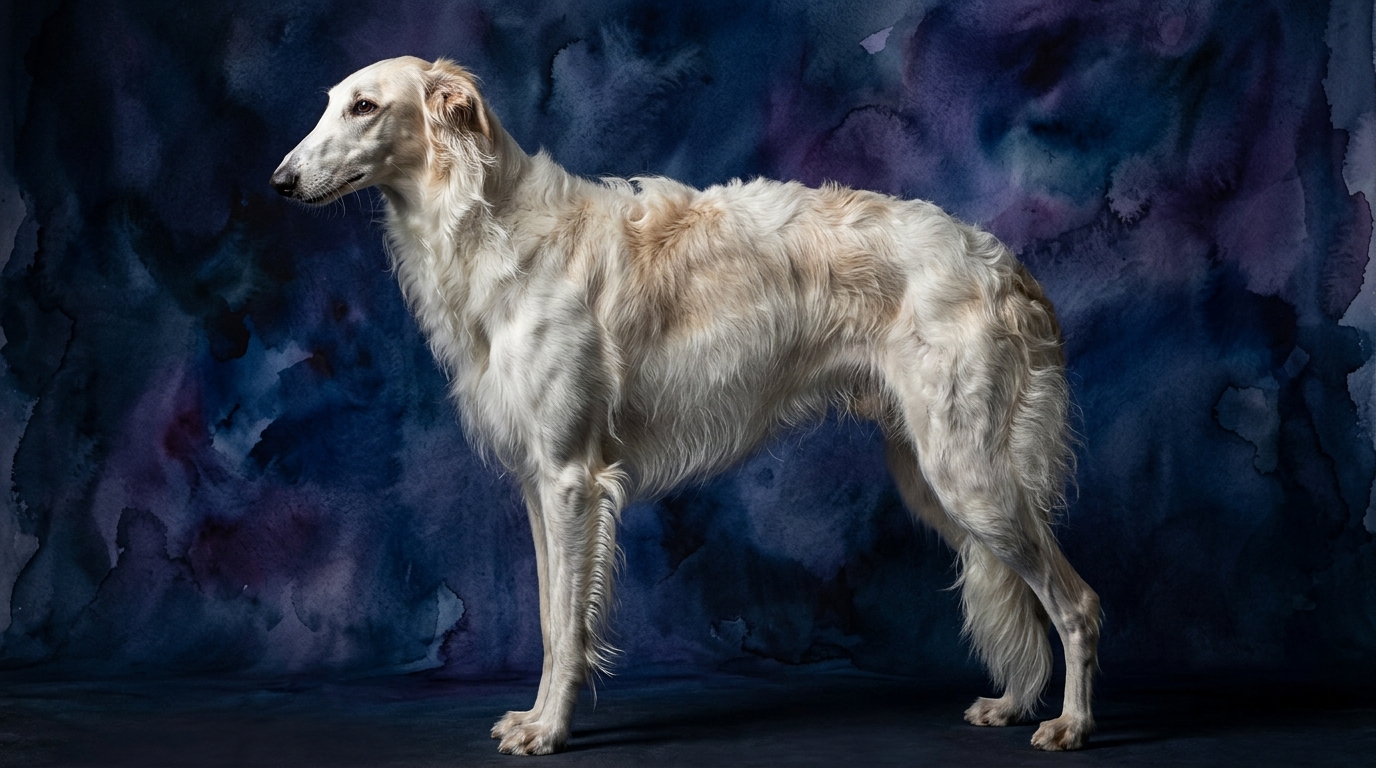
The Cosmic Pet Pet IQ Lab employs five key dimensions to evaluate canine intelligence, offering a granular view of each breed's cognitive strengths. For the elegant Borzoi, a Hound ranking #75 on the Coren scale, its profile reflects an independent sighthound heritage. Problem Solving is rated 3/5, indicating an ability to navigate challenges but often preferring self-reliance. Training Speed also stands at 3/5, suggesting learning requires consistent, patient methods tailored to its independent spirit. Social Intelligence scores 3/5, signifying deep, discerning bonds with its chosen family but often a reserved demeanor with outsiders. An Instinctive Drive of 3/5 highlights its potent prey drive and historical role in pursuit, making it highly attuned to movement. Finally, its Memory is 3/5, meaning it retains routines and commands adequately but might not possess the same detailed recall as other breeds.
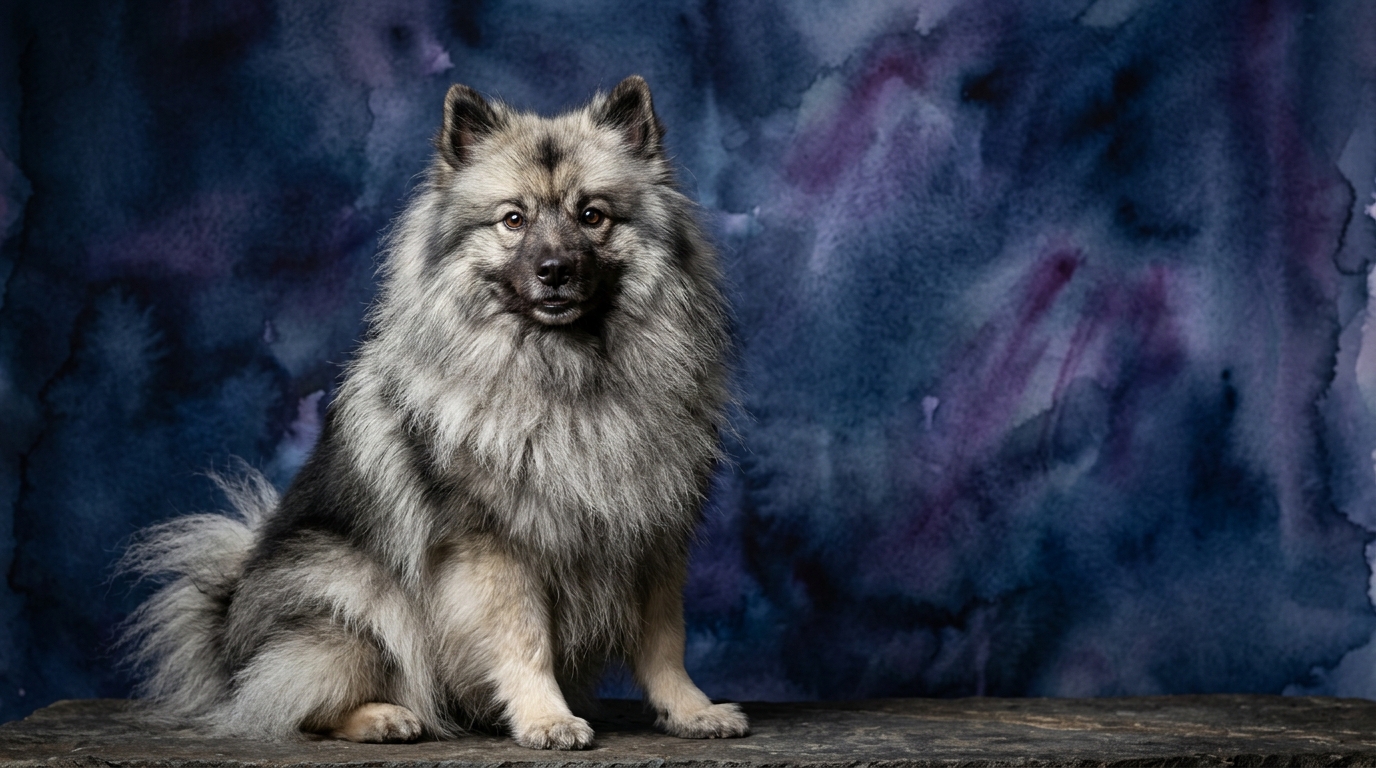
In contrast, the Keeshond, a Non-Sporting breed ranking significantly higher at #16 on the Coren scale, presents a different cognitive landscape. Its Problem Solving ability is 4/5, showcasing a clever, analytical mind adept at figuring out novel situations and often finding creative solutions. Training Speed is also 4/5, indicating a quick grasp of new concepts and an eagerness to engage in learning. Social Intelligence matches the Borzoi at 3/5, reflecting a friendly, watchful nature and strong family loyalty, though not overly demonstrative with strangers. Instinctive Drive is 3/5, stemming from its history as a companion and watchdog on barges, which translates to a moderate, adaptable drive suitable for domestic life. Where the Keeshond truly shines is its Memory, scoring an impressive 5/5, demonstrating exceptional recall, the ability to remember complex sequences, and a remarkable retention of past experiences.
Where the Borzoi Wins Cognitively
While the Keeshond generally scores higher across several IQ dimensions, the Borzoi possesses distinct cognitive strengths rooted in its ancestral purpose. Its 3/5 rating in Problem Solving, though not the highest, signifies a unique form of independent thinking crucial for a sighthound. This means the Borzoi is less inclined to rely on human cues when faced with a novel situation, instead making quick, autonomous decisions based on its keen observational skills, particularly in open spaces where it might spot and pursue quarry. This self-sufficiency, often interpreted as dignified independence, is a cognitive advantage in situations requiring immediate, unassisted action.
Furthermore, its Instinctive Drive, also rated 3/5, is highly specialized for pursuit. When engaged in activities like lure coursing, the Borzoi displays an unparalleled focus and strategic intelligence in tracking and intercepting a moving target, a skill honed over centuries. This drive isn't about general work ethic but about a profound, almost instinctual understanding of the chase. Lastly, its 3/5 Social Intelligence manifests as a deep, dignified bond. Borzoi are not overtly clingy; their affection is often quiet and profound, valuing genuine connection over constant interaction. For owners who appreciate a companion that offers a subtle, yet deeply felt, presence and respects personal space, this discerning social intelligence is a definite cognitive win.
Where the Keeshond Wins Cognitively
The Keeshond's cognitive profile reveals a robust set of mental aptitudes that make it an exceptionally adaptable and engaging companion. A standout area is its Problem Solving, rated 4/5. This indicates a clever mind that actively seeks solutions to challenges, whether it's figuring out how to open a cabinet or mastering a complex puzzle toy. This higher capacity for analytical thought suggests a breed that enjoys mental engagement and can adapt quickly to new routines or environments.
Complementing this is its Training Speed, also 4/5. The Keeshond typically picks up new commands and tricks with remarkable alacrity, often eager to please and respond to positive reinforcement. This combination makes them highly responsive to training, capable of learning extensive repertoires of commands and even performing complex sequences. However, the Keeshond's most significant cognitive advantage lies in its Memory, an exceptional 5/5. This perfect score means they possess outstanding recall, not only for commands but also for past experiences, routines, and even the nuances of human emotions. A Keeshond remembers what it learned with remarkable clarity, enabling them to build upon prior knowledge and exhibit consistent behavior. This superior memory contributes significantly to their ease of training and their ability to integrate seamlessly into family life, remembering house rules and individual family member preferences.
Which is Easier to Train and Why
When comparing ease of training, the Keeshond generally presents a more straightforward experience due to its cognitive strengths. Their 4/5 Training Speed and 4/5 Problem Solving, combined with an outstanding 5/5 Memory, create a highly receptive learner. Keeshonden are typically eager to engage with their owners, respond well to positive reinforcement, and quickly grasp new concepts. Their strong memory means they retain commands and lessons over time, reducing the need for constant repetition and ensuring consistency in behavior. They tend to be motivated by praise and treats, making training sessions productive and enjoyable.
In contrast, the Borzoi, with its 3/5 scores in both Training Speed and Problem Solving, requires a different approach. While certainly capable of learning, their sighthound independence means they are often less overtly eager to please and can be easily distracted by environmental stimuli, particularly movement. A Borzoi might understand a command perfectly but choose not to execute it if something more interesting catches their eye. Their training requires immense patience, consistency, and an understanding of their inherent motivations. Owners must make training fun, varied, and reward-based, focusing on short, engaging sessions. While they do learn and remember, their recall in a distracting environment might be less reliable than a Keeshond's, primarily because their independent problem-solving often prioritizes their own perceived goals over human directives.
Which Suits Active Owners vs. Relaxed Owners
Defining 'active' and 'relaxed' ownership reveals distinct preferences for these two breeds. The Borzoi, despite its calm demeanor indoors, is fundamentally a sighthound requiring significant opportunities for bursts of intense exercise. An active owner for a Borzoi is one who can provide access to a securely fenced large area where the dog can gallop at full speed, or is committed to activities like lure coursing. Casual leash walks, while necessary, do not fulfill their profound need to run. Their independent nature also means they might not be the ideal companion for someone seeking a dog for long, interactive hikes where off-leash reliability is paramount. A relaxed owner for a Borzoi is someone who appreciates their quiet indoor presence but can still facilitate these crucial high-intensity exercise sessions, understanding that the dog will then be content to lounge.
The Keeshond, on the other hand, suits a broader range of activity levels. Their moderate activity needs mean they thrive on daily walks, engaging playtime, and mental stimulation through training or puzzle toys. An active owner for a Keeshond might enjoy dog sports like agility, obedience, or rally, where the Keeshond's problem-solving and training speed truly shine. They are adaptable companions for family outings and appreciate being involved in daily activities. A relaxed owner for a Keeshond is one who is still willing to provide consistent daily exercise and mental enrichment, as a bored Keeshond can become vocal or mischievous. They are generally more amenable to varied routines and enjoy being at the center of family activity, making them a good fit for owners who want a more interactive and consistently engaged companion.
The Verdict
Choose the Borzoi if you appreciate a noble, independent companion with a deep, discerning bond, and can provide safe, ample space for their exhilarating bursts of speed.
Opt for the Keeshond if you seek a highly trainable, clever, and companionable dog that excels in learning and thrives on active family participation and mental engagement.
🧠 Find Your Pet's IQ Score
Our Pet IQ Lab assessment covers 25+ tests across 5 cognitive dimensions — personalized to your breed.
Take the Full IQ Test →Frequently Asked Questions
Which breed is better for first-time dog owners?
The Keeshond, with its higher training speed and problem-solving scores, generally offers a more straightforward training experience for novices. Their eagerness to please and strong memory make them more forgiving of early training inconsistencies compared to the more independent Borzoi.
Do Borzoi or Keeshond require more mental stimulation?
While both benefit from mental engagement, the Keeshond, with its 4/5 problem-solving and 5/5 memory, typically thrives on more structured mental challenges and puzzles. The Borzoi's mental stimulation often revolves around opportunities to utilize its instinctive drive, such as lure coursing, rather than complex obedience.
How do their social intelligence scores impact family life?
Both breeds score 3/5 in social intelligence, meaning they form strong bonds within their family but may be reserved with strangers. The Keeshond tends to be more outwardly watchful and engaged with family dynamics, while the Borzoi's affection is often expressed with quiet dignity, valuing connection over constant interaction.