Side-by-Side Cognitive Profiles: Decoding the 3/5 Score
At first glance, the Borzoi and Otterhound appear to share identical cognitive scores across the board within The Cosmic Pet Pet IQ Lab framework, each landing a consistent 3/5 in problem-solving, training speed, social intelligence, instinctive drive, and memory. However, these identical numerical ratings don't imply identical mental processes; rather, they reflect a moderate capacity within each domain, expressed through the lens of their unique breed histories and purposes. Understanding these distinctions requires looking at how a '3/5' manifests for a sighthound versus a scenthound.
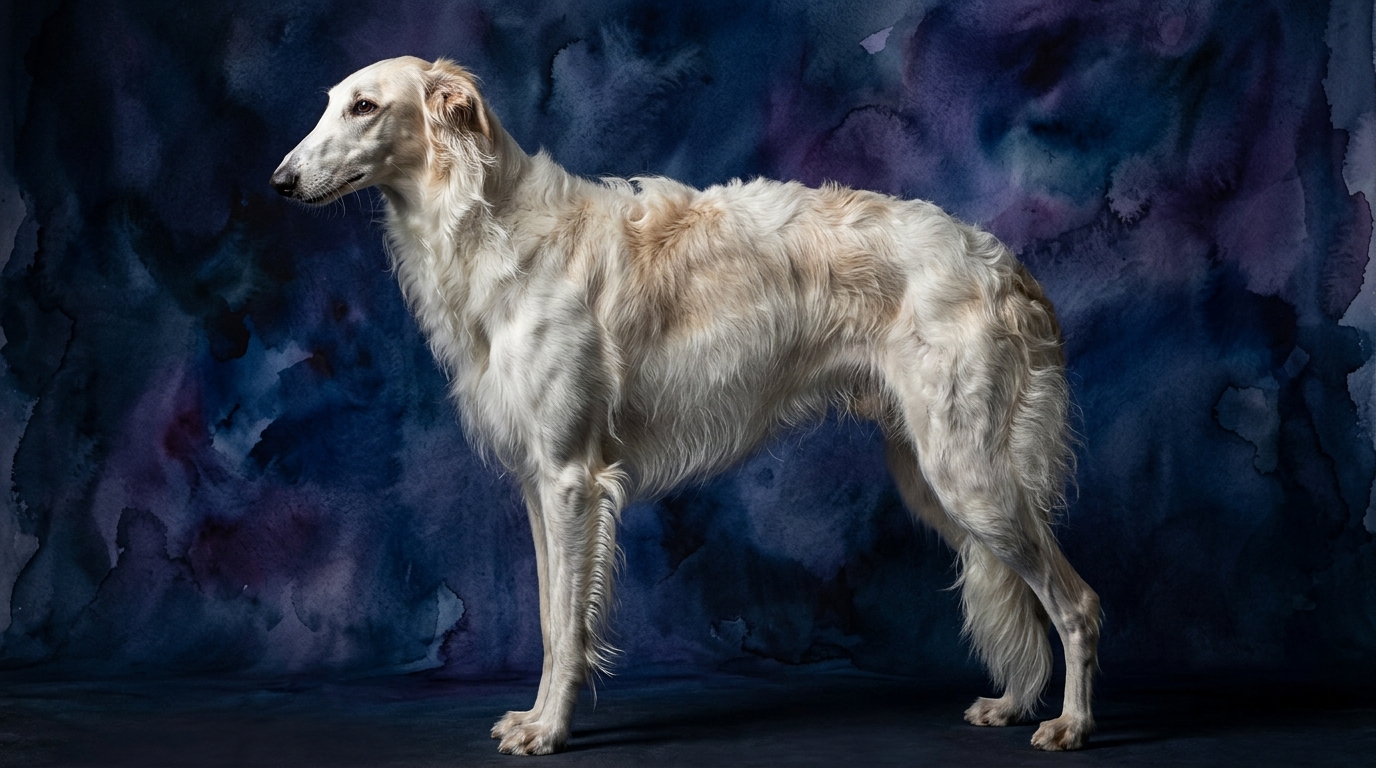
For the Borzoi, a breed historically tasked with independently pursuing fast-moving prey over vast distances, their 3/5 in problem-solving is geared towards strategic pursuit and navigating complex environments at speed. Their training speed of 3/5 suggests they can learn, but often on their own terms, requiring motivation that aligns with their independent spirit. Social intelligence at 3/5 indicates they are capable of forming bonds but might not seek constant interaction, often reserving their affection for a select few. Their instinctive drive of 3/5 is overwhelmingly focused on chase and visual stimulation, defining much of their world. Memory at 3/5 means they retain learned behaviors and routines, but perhaps with less rote obedience than breeds bred for constant instruction.
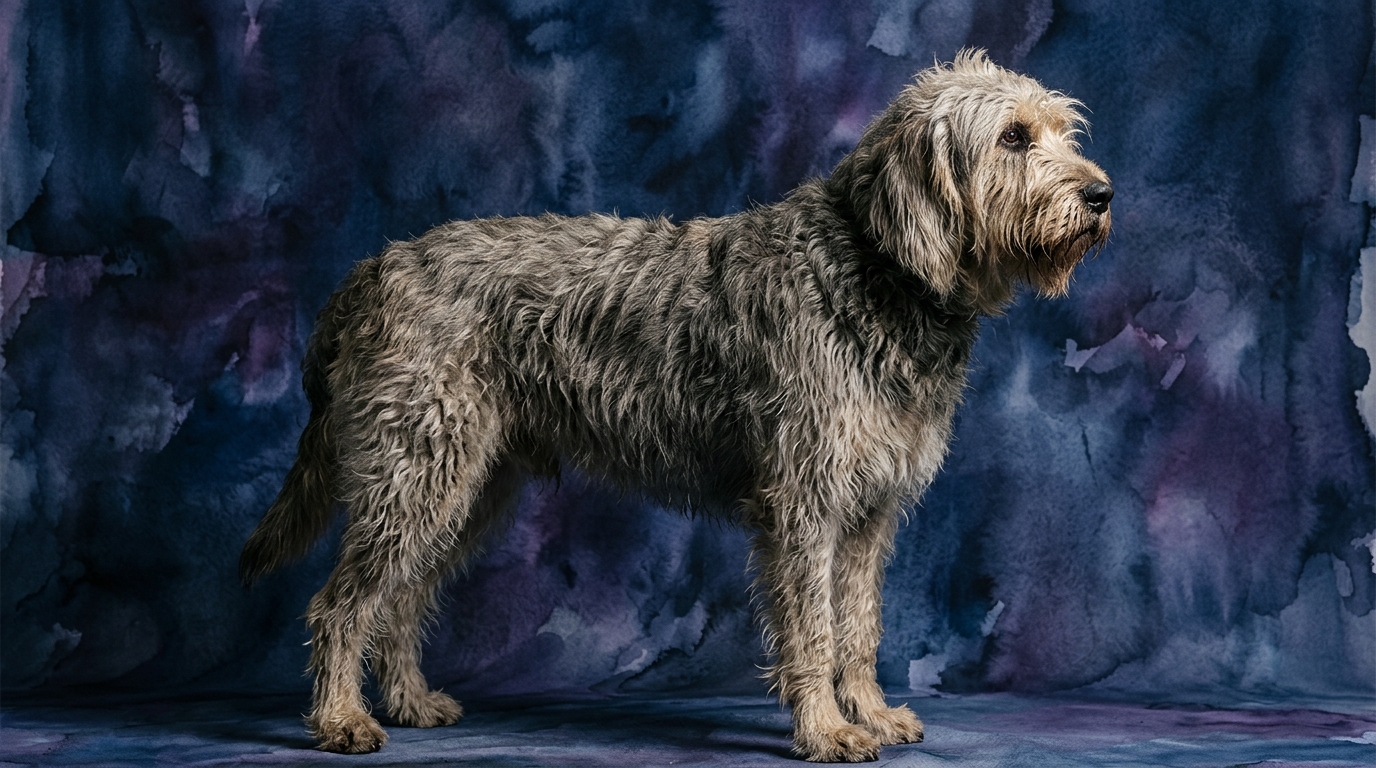
The Otterhound, on the other hand, a breed developed for trailing otters through diverse terrains and water, interprets these same scores differently. Their 3/5 in problem-solving is rooted in persistent tracking, unraveling complex scent puzzles, and navigating challenging physical obstacles. A 3/5 in training speed for an Otterhound means they can learn, but their powerful scent drive can often override human commands, making consistency the real challenge. Social intelligence at 3/5 for an Otterhound often presents as boisterous friendliness, enjoying interaction but perhaps with less subtlety than other breeds. Their instinctive drive of 3/5 is a relentless pursuit of scent, a drive that defines their very existence. Memory at 3/5 enables them to recall intricate scent trails and learned routines, though their independent nature means they might not always choose to act on them immediately.
Where the Borzoi Excels Cognitively
The Borzoi's cognitive strengths lie in their ability to process visual information rapidly and make independent decisions based on observation. Their problem-solving, while rated 3/5, is particularly acute when it involves spatial reasoning and predicting movement. When presented with a novel obstacle in their path during a run, a Borzoi will quickly assess the best route around it, demonstrating a fluid, real-time tactical intelligence. This visual acuity extends to their awareness of their surroundings, often noticing subtle changes that others might miss. Their memory, also 3/5, is particularly effective for remembering safe running paths and the layout of familiar territories, allowing them to navigate with graceful efficiency. This breed showcases a refined, independent thought process, making swift, self-reliant choices in pursuit of a goal.
Where the Otterhound Excels Cognitively
The Otterhound's cognitive strengths are deeply intertwined with their extraordinary olfactory capabilities and their persistent nature. Their 3/5 problem-solving score shines brightest when faced with a complex scent trail, demonstrating an unwavering determination to follow it to its conclusion, regardless of distractions or terrain. This involves intricate cognitive mapping of scent particles and environmental factors. Their memory, also 3/5, is exceptional for recalling specific scents and the routes associated with them, allowing them to pick up a cold trail with remarkable accuracy. While their training speed is 3/5, their social intelligence, also 3/5, often manifests as a boisterous enthusiasm for engaging with their environment and people, making them endearing companions. This breed exhibits a tenacity and focus driven by their nose, showcasing a robust and enduring mental fortitude in their specialized field.
Ease of Training: Navigating Independent Minds
When it comes to training, neither the Borzoi nor the Otterhound is typically described as a 'biddable' breed in the traditional sense, both scoring a 3/5 in training speed. The Borzoi's challenge stems from their independent sighthound nature; they learn commands but often choose whether or not to execute them based on their own assessment of the situation or their level of motivation. If a squirrel darts across the yard, a Borzoi's instinctive drive (3/5) to chase will almost certainly override a 'come' command, regardless of how many times it's been practiced. Successful training with a Borzoi requires immense patience, positive reinforcement, and a deep understanding of their sighthound instincts, often focusing on recall in controlled environments and managing their prey drive rather than eliminating it.
The Otterhound, while equally scoring 3/5 in training speed, presents a different set of challenges rooted in their scenthound heritage. Their powerful instinctive drive (3/5) is overwhelmingly dominated by their nose. Once an Otterhound locks onto an interesting scent, their attention becomes singularly focused, and external commands often become mere background noise. This can make recall particularly difficult in stimulating environments. Their boisterous nature and desire to vocalize (a characteristic of many scenthounds) also require consistent management. Training an Otterhound demands creative methods to compete with their olfactory world, often integrating scent work into training sessions and making commands incredibly rewarding to capture their attention. Neither breed is inherently 'easier' to train; rather, they require different strategies that respect their distinct cognitive priorities and drives.
Matching Lifestyles: Active Explorers vs. Reserved Companions
The Borzoi and Otterhound, despite their similar IQ scores, appeal to different types of owners based on their energy levels and social inclinations. The Borzoi, while possessing bursts of incredible speed, is often described as a calm and dignified presence indoors. Their exercise needs are significant but often satisfied with intense, supervised sprints in a secure area, followed by long periods of relaxed lounging. They are not typically suited for constant, high-impact activities like agility without careful conditioning, but thrive on opportunities to stretch their legs. Socially, their 3/5 score means they are often reserved with strangers but deeply devoted to their immediate family, preferring quiet companionship over boisterous social gatherings. They suit owners who appreciate a graceful, independent companion and can provide secure spaces for their sighthound sprints, without expecting constant effusive interaction.
The Otterhound, conversely, is a breed that thrives on activity and engagement, often described as boisterous and jovial. Their exercise needs are substantial and consistent, requiring daily opportunities for long walks, hikes, or swimming, which aligns with their historical role of tracking for hours. Their robust build and love for water make them excellent companions for active outdoor enthusiasts. Socially, their 3/5 score manifests as a generally friendly and outgoing disposition, often enjoying the company of people and other dogs, though they can be quite vocal. They suit active owners who enjoy spending considerable time outdoors, are prepared for a dog that might enjoy digging and splashing, and appreciate a loud, fun-loving companion who is always up for an adventure. Their energy and enthusiasm are infectious, but require an owner who can match their zest for life.
The Verdict: Choosing Your Canine Companion
Choosing between a Borzoi and an Otterhound requires a thoughtful assessment of lifestyle, training commitment, and personality preferences, rather than a simple comparison of their identical IQ scores.
The Borzoi is an ideal choice for individuals or families who appreciate a graceful, reserved companion capable of impressive bursts of speed, and who can provide a secure environment for their exercise needs, valuing quiet dignity and independent affection.
The Otterhound is better suited for active, outdoorsy owners who seek a boisterous, persistent, and water-loving companion, prepared for a dog with an unyielding scent drive and a hearty enthusiasm for life, demanding consistent engagement and exercise.
Frequently Asked Questions
The Verdict
Choose a Borzoi if you seek a dignified, reserved companion who enjoys brief, intense bursts of exercise and offers quiet, independent affection, thriving in a calm household with secure running space.
Choose an Otterhound if you are an active, outdoorsy individual or family prepared for a boisterous, scent-driven companion who loves water, requires consistent exercise, and brings a joyful, tenacious energy to every adventure.
🧠 Find Your Pet's IQ Score
Our Pet IQ Lab assessment covers 25+ tests across 5 cognitive dimensions — personalized to your breed.
Take the Full IQ Test →Frequently Asked Questions
Are Borzoi or Otterhound difficult to train?
Neither breed is inherently 'difficult' but both require dedicated, patient training that accounts for their strong instincts. Borzoi are independent sighthounds who learn quickly but may choose to obey, while Otterhounds are scent-driven and can be easily distracted by smells, requiring creative motivation.
Which breed is better with children?
Both breeds can be good with children, but their temperaments differ. Borzoi are often gentle and tolerant but prefer calmer interactions, while Otterhounds are typically more boisterous and playful, potentially overwhelming very young children with their enthusiasm.
Do Borzoi or Otterhounds need a lot of exercise?
Both breeds require substantial exercise, though the type differs. Borzoi need opportunities for high-speed sprints in secure areas, balanced with plenty of indoor lounging. Otterhounds require consistent, vigorous activity like long walks, hikes, or swimming to satisfy their working dog heritage.